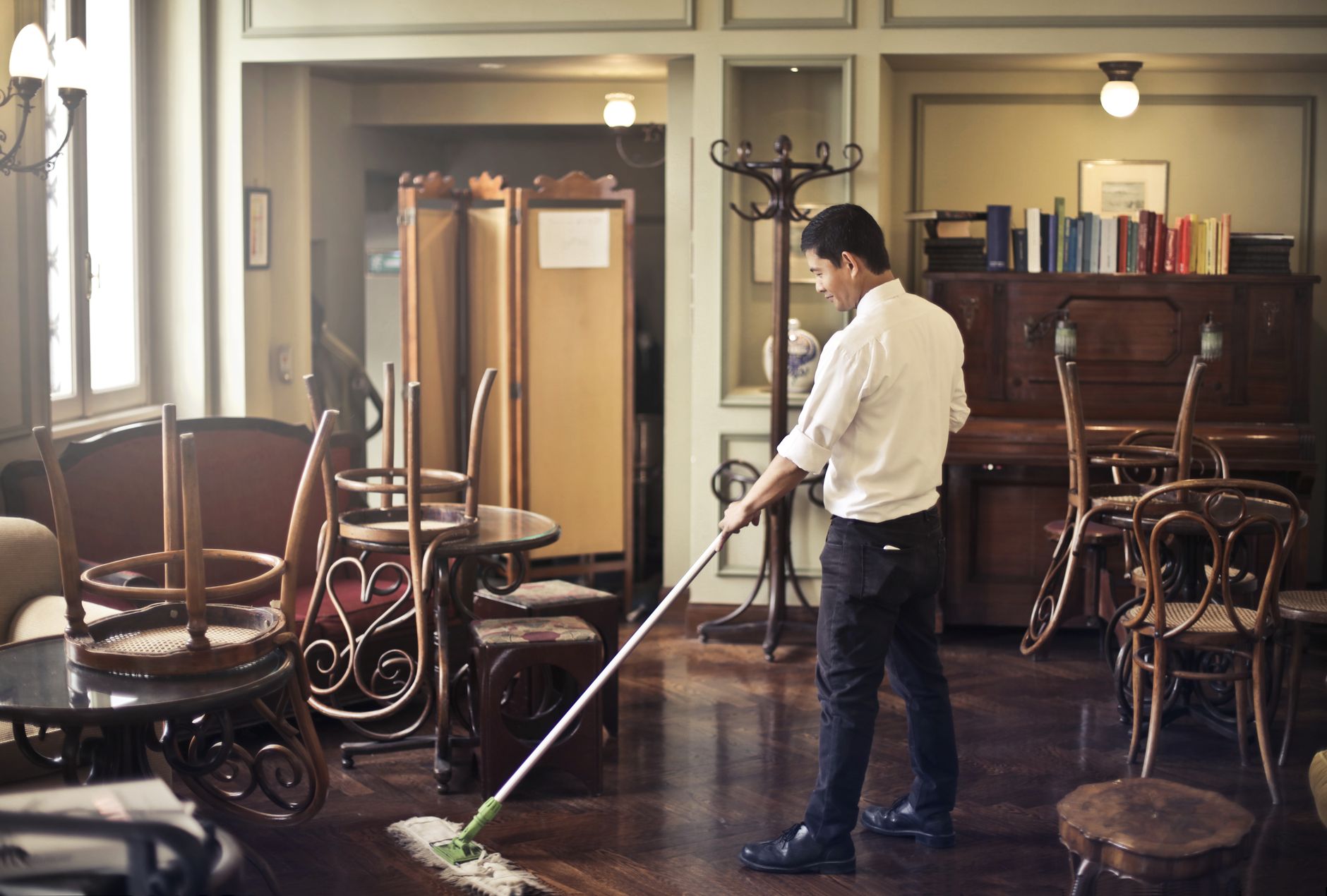
Steam mops are highly effective tools for sanitising sealed hard floors without the need for chemical cleaners, using high-temperature water vapour to lift stubborn grime. In my six months of testing different floor care solutions, I found that while they excel at removing dried-on stains, their efficiency is heavily dependent on the type of flooring and the quality of the microfibre pads used.
⚡ In a Rush? Key Takeaways
- Steam mops typically consume 1,200 to 1,500 watts per hour during active use.
- High-temperature steam kills 99.9% of common household bacteria without harsh chemicals.
- Microfibre pads for steam mops should be washed at 60°C to ensure proper hygiene.
- ✅ Best for: Sealed tile, laminate, and non-porous vinyl flooring in high-traffic areas.
Are Steam Mops Actually Better Than Traditional Mopping?
Steam mops outperform traditional buckets by using heat to sanitise and loosen stains, requiring far less physical effort to scrub.
How does steam cleaning compare to a bucket and mop?
A steam mop provides consistent heat to sanitise surfaces while a bucket and mop often spread dirty water back onto your floors.
Using a traditional mop often leads to pushing dirty water across the floor, which can leave a dull film. Steam mops work by heating water to a high temperature, allowing the moisture to evaporate almost instantly, which prevents streaks and water damage to sensitive floor materials.
- Eliminates the need for chemical floor cleaners
- Reduces drying time for floors by up to 80%
- Easily tackles deep-set dirt in grout lines
- Uses only tap water, lowering household maintenance costs
What is the energy cost of running a steam mop?
A steam mop costs roughly $0.20 per hour of usage, making it an inexpensive appliance to operate for weekly floor maintenance.
Because you only run the mop for the duration of the cleaning, the cumulative impact on your monthly utility bill is usually negligible. For a standard 1,500-square-foot home, a weekly steam cleaning session consumes less energy than a single cycle of an efficient washing machine.
Which Floors Can You Safely Clean With Steam?
Steam mops are safe for sealed ceramic tile, stone, and high-quality laminate, but they can ruin untreated wood and wax coatings.
Are steam mops safe for hardwood floors?
Most manufacturers advise against steam mops on hardwood because high heat and moisture can warp wood planks or damage the finish.
If you have solid hardwood, the steam can penetrate the seams between planks. This moisture causes the wood to swell, leading to long-term warping and finish degradation that is often costly to repair or replace.
Why should you check your floor warranty first?
Many flooring warranties are voided if a steam mop is used, as the concentrated heat can cause chemical reactions in factory finishes.
Always verify if your flooring manufacturer explicitly approves steam cleaning. If you are uncertain about your current setup, it is often better to stick to a dry cleaning system or a damp mop approach.
How Do You Maintain a Steam Mop for Longevity?
Maintenance involves descaling the internal heating element and washing microfibre pads regularly to prevent odour and bacteria build-up.
How often should you descale a steam mop?
In hard water areas, you should descale your steam mop every three to six months to prevent mineral build-up inside the boiler unit.
Mineral deposits from hard water can clog the steam jets, reducing the efficiency of the device. Using distilled water is a simple way to avoid this issue entirely, significantly extending the life of your appliance.
How do you properly clean the microfibre pads?
Always remove and wash microfibre pads in a 60-degree cycle after every use to ensure you are not dragging bacteria into the next room.
Avoid using fabric softener when washing these pads, as it coats the microfibre and reduces its absorption capacity. Hang them to air dry rather than putting them in the dryer to maintain the integrity of the fabric fibres.
What accessories enhance steam mop performance?
Using the right attachments—such as nylon brushes for grout, squeegee for smooth surfaces, and carpet gliders for low‑pile rugs—lets a steam mop tackle more than just flat floors.
Nylon brushes agitate grout lines and textured tile, loosening embedded grime that steam alone might miss. After steaming, a quick brush pass lifts the debris without scratching the surface.
Squeegee attachments are useful for wiping away condensed moisture on windows, shower doors, or sealed countertops, leaving a streak‑free finish. Carpet gliders transform the mop into a gentle steamer for refreshing low‑pile area rugs, killing dust mites without over‑wetting the fibers.
Frequently Asked Questions
Do steam mops leave floors wet for long?
Steam mops leave floors nearly dry within seconds because the high temperature causes the remaining moisture to evaporate almost instantly.
Can you put essential oils in a steam mop?
Most manufacturers forbid additives, as essential oils can clog the steam jets and potentially damage the internal heating components.
How long do steam mop pads last?
With regular washing at 60 degrees, a high-quality microfibre steam mop pad will typically last for approximately 50 to 80 cleaning cycles.
Do I need to vacuum before steam mopping?
Yes, you must vacuum or sweep thoroughly, as steam mops are sanitising tools and will push loose debris around rather than picking it up.