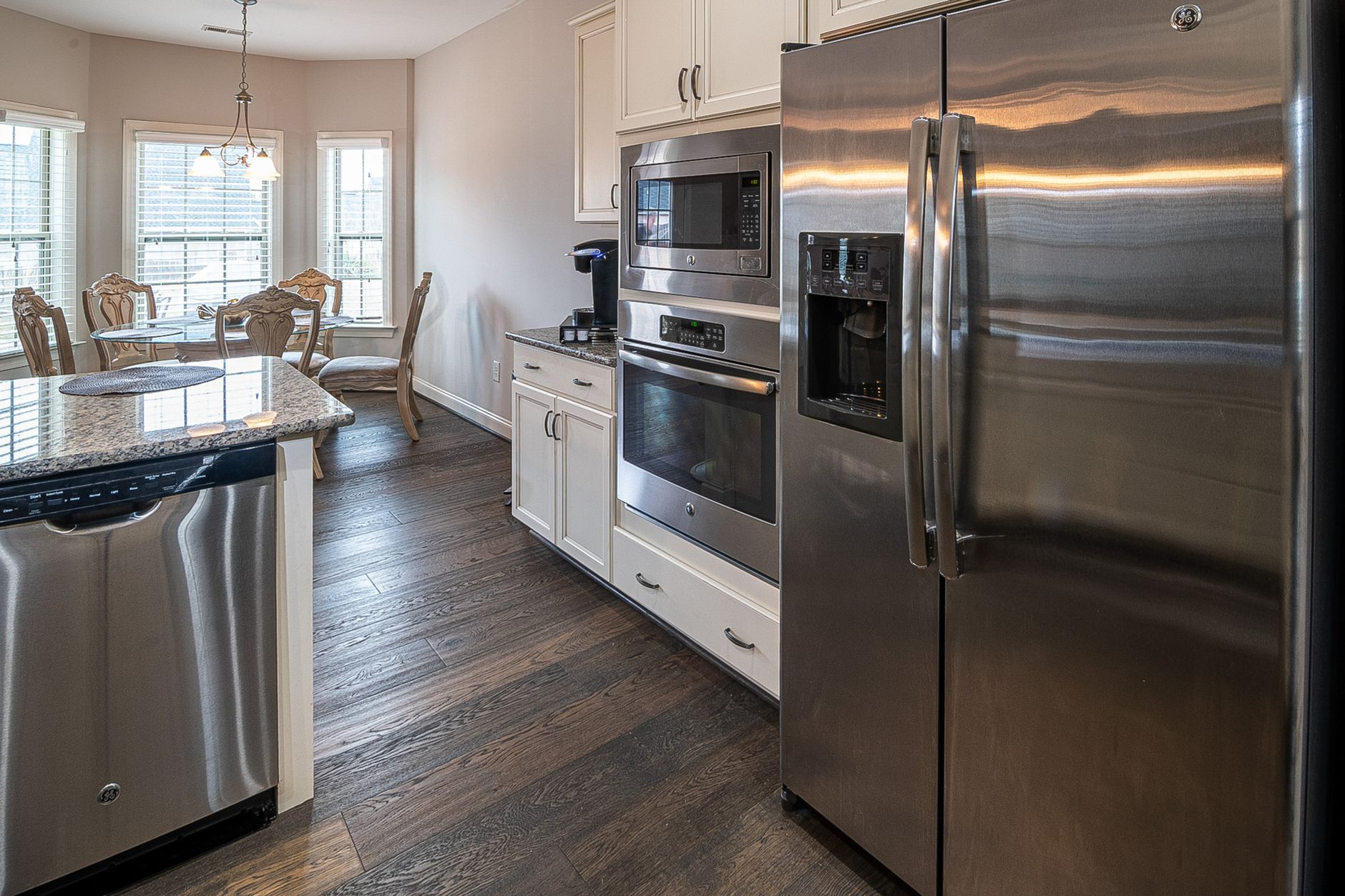
Choosing home appliances effectively requires looking past the showroom sticker price to understand the total cost of ownership over a ten-year lifespan. Most households find that the energy consumption and maintenance requirements of a machine significantly outweigh the initial purchase cost when modelled over the life of the unit.
⚡ In a Rush? Key Takeaways
- Modern A-rated appliances use 40-60% less energy than models from ten years ago.
- The average household can save $200 annually by managing appliance standby power.
- Regular maintenance like cleaning filters adds 3-5 years to an appliance’s life.
- ✅ Best value: prioritize repairable, energy-efficient brands over the cheapest price.
Which Home Appliances Actually Drive Up Monthly Energy Bills?
Appliances that heat or cool, such as refrigerators, HVAC systems, and water heaters, consistently account for the highest monthly energy usage.
Why is the refrigerator the most expensive appliance in your home?
Refrigerators consume energy 24 hours a day, making their annual electricity draw higher than most other household appliances combined.
Because a refrigerator never cycles off, even a minor drop in efficiency results in significant annual costs. An inefficient model from fifteen years ago may draw 500 kWh annually, whereas a 2026 high-efficiency unit often drops that demand below 150 kWh.
To optimize your fridge performance:
- Vacuum the condenser coils every six months to improve heat exchange.
- Ensure the door seals are airtight by performing the paper test.
- Keep the unit at least 75% full, as items retain cold better than empty space.
How do washing machines and dryers impact your utility costs?
Washing machines and dryers represent the second largest energy drain, primarily due to the electricity needed for heating water and air.
The shift to cold water detergents has made the washer’s heating element largely redundant for daily laundry loads. Dryers, however, remain high-consumption tools unless you use a heated clothes airer for moderate loads.
| Appliance | Typical Annual Cost | Efficiency Tip |
|---|---|---|
| Fridge | $80–$150 | Clean coils yearly |
| Dryer | $100–$200 | Use sensor dry cycles |
| Washer | $40–$90 | Wash in cold water |
When Is It More Economical to Repair Rather Than Replace an Appliance?
Repairing an appliance is typically more economical when the cost of the fix remains under 50% of the replacement price for the current model.
How do you calculate the true cost of an appliance replacement?
True replacement costs include the appliance price, installation fees, and the efficiency delta compared to the unit you are discarding.
Before deciding to replace a failing unit, consider the long-term energy footprint. If a 2026 replacement offers a 30% reduction in annual electricity consumption, the machine could pay for its own price premium within three years of operation.
I recommend checking the following before committing to a new purchase:
- Availability of parts for your current unit’s specific model number.
- The current energy rating compared to your aging appliance.
- Estimated labor costs for a professional repair visit.
What are the most common DIY maintenance tasks for home appliances?
Simple tasks like cleaning lint filters, clearing drain pumps, and descaling heating elements prevent 80% of major appliance failures.
I have found that most “broken” appliances simply have a clogged sensor or a build-up of debris. Learning to perform basic maintenance is the single most effective way to avoid unnecessary service calls.
How Can You Lower Your Appliance Running Costs Immediately?
Reducing running costs involves optimizing usage patterns, such as timing high-draw cycles during off-peak hours and eliminating standby power.
How much energy do appliances waste on standby mode?
Always-on appliances consume between 5% and 10% of the total residential electricity bill through phantom power usage and standby displays.
Entertainment systems, microwaves, and coffee makers are the primary culprits for phantom loads. Using a smart power strip to cut power to a peripheral group of appliances can eliminate this waste entirely without changing your daily habits.
Is it cheaper to use specific kitchen appliances for meal preparation?
Small appliances like air fryers or microwaves are often more efficient than full-sized ovens when cooking small to medium portions of food.
Understanding your kitchen workflow allows you to match the right tool to the task. Boiling water in a kettle for one cup is less efficient than using a microwave, yet for four cups, the kettle remains the faster and more efficient choice.
Frequently Asked Questions
Should I choose gas or electric appliances for efficiency?
Gas appliances often have lower operating costs in many US regions, but electric heat pump versions are the current leaders in efficiency.
Do energy labels provide an accurate reflection of daily usage?
Energy labels provide standardized laboratory data; real-world costs vary based on your specific usage, load sizes, and local utility rates.
How long should a modern appliance last?
With proper maintenance, expect 10-15 years from a refrigerator, 8-12 years from a washing machine, and 7-10 years from a modern dishwasher.
What financial incentives are available for upgrading to energy-efficient appliances?
Many governments and utilities offer rebates, tax credits, or low‑interest financing to offset the higher upfront cost of ENERGY STAR‑rated appliances.
These programs can reduce the net purchase price by 10‑30% and shorten the payback period of an efficient model. Checking local utility websites or the Database of State Incentives for Renewables & Efficiency (DSIRE) before buying ensures you capture all available savings.
- Federal tax credit for qualified heat pump water heaters (up to $300).
- State rebates for ENERGY STAR refrigerators, often $50‑$150 per unit.
- Utility‑run appliance recycling programs that provide a $25‑$75 credit when you turn in an old unit.
— Greta Michaud, Home Appliance Efficiency Researcher