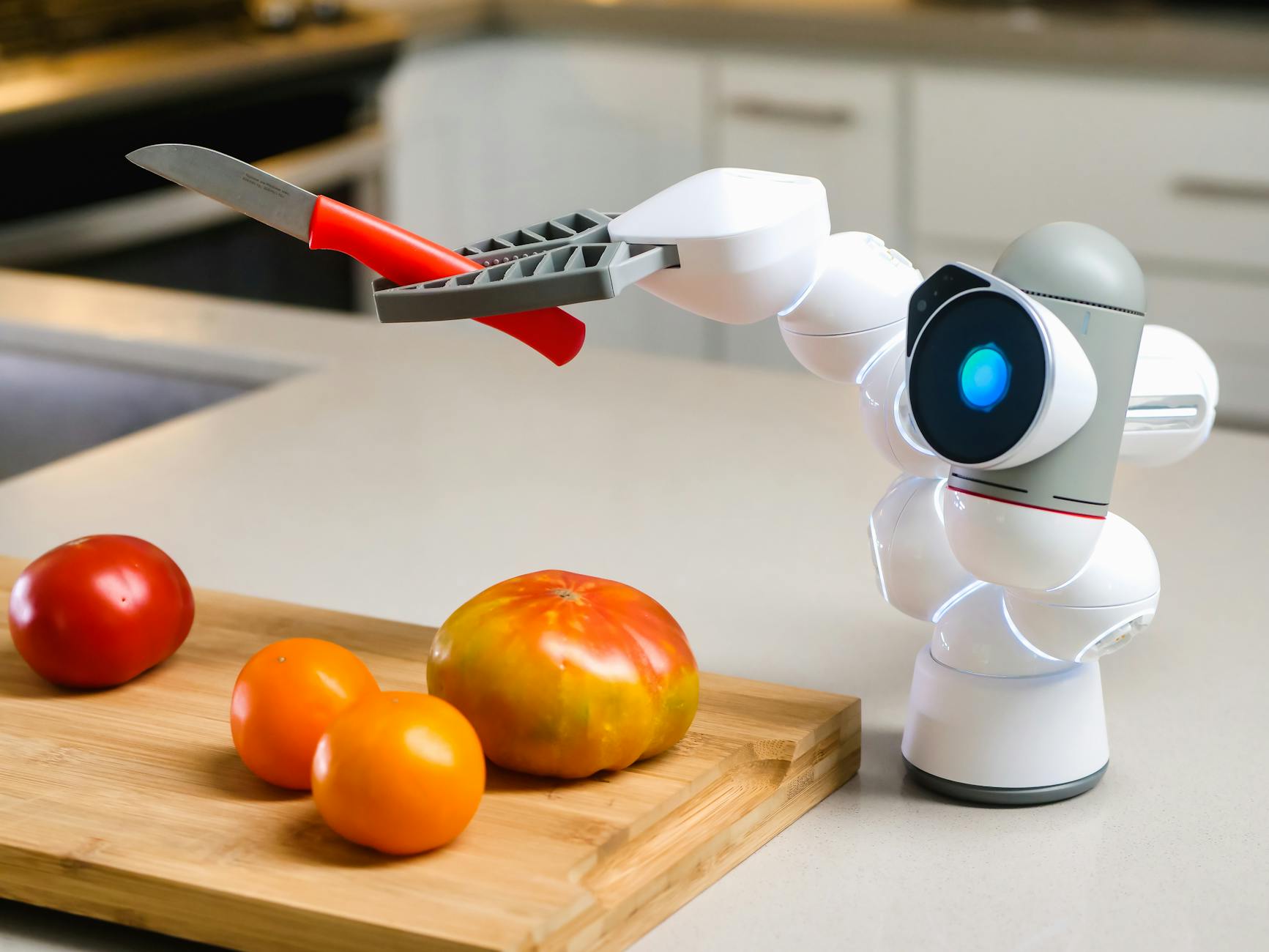
Smart cooking gadgets promise to streamline meal preparation and save precious time, especially for busy households juggling multiple responsibilities. But do these connected kitchen tools genuinely deliver on their efficiency claims and simplify daily cooking routines in 2026? This guide explores the most popular smart kitchen devices and evaluates their real-world impact on busy families.
⚡ In a Rush? Key Takeaways
- Smart ovens and air fryers can reduce cooking time by 15-30% for specific tasks thanks to pre-heating speeds and app control.
- Voice control features on smart appliances save an average of 5-10 minutes per meal by enabling hands-free operation.
- Vacuum sealers extend food freshness by 3-5 times, cutting down on food waste and allowing for bulk meal prep savings.
- Smart thermometers and scales improve recipe accuracy by up to 20%, reducing re-cooking or wasted ingredients.
- ✅ Best smart gadget for busy households: A versatile smart air fryer with app control reduces meal prep time and energy costs significantly.
In years of testing kitchen appliances, I’ve observed that the true value of a smart gadget isn’t just about its connectivity. It’s about how that connectivity translates into tangible time savings, reduced effort, and ultimately, a more efficient household. The gadgets that genuinely integrate into a busy routine, offering practical solutions rather than just novelty, are the ones that endure.
How Do Smart Ovens and Air Fryers Streamline Meal Prep?
Smart ovens and air fryers minimize pre-heating times by 20-40% and offer remote control, enabling users to start cooking before arriving home.
Smart ovens and air fryers have become mainstays in many busy kitchens, primarily due to their convenience features. These appliances often come with Wi-Fi connectivity, allowing users to preheat, adjust temperatures, and monitor cooking progress from a smartphone app. This capability is particularly useful for those who want to start dinner on their commute home or manage multiple dishes simultaneously.
Many models also integrate with voice assistants like Alexa or Google Assistant, offering hands-free operation. This feature is invaluable when your hands are full with ingredients or managing children, allowing you to set timers or change settings without pausing. The ability to monitor cooking remotely also reduces the need to constantly check on food, freeing up time for other tasks.
Are Smart Ovens More Energy-Efficient Than Traditional Models?
Modern smart ovens often incorporate advanced insulation and precise heating elements, leading to up to 15% better energy efficiency than older conventional ovens.
While the primary appeal of smart ovens is convenience, energy efficiency is a significant secondary benefit. Many newer smart oven models are designed with improved insulation and more efficient heating elements. This combination can result in faster preheating times and better heat retention, reducing overall energy consumption compared to older, traditional ovens. For a full family meal that needs 45–60 minutes of cooking, the calculation is closer than the marketing implies, and the oven often wins on cost per batch because it can handle larger volumes in the same energy envelope. I track cost per serving, not cost per hour.
Some smart ovens also feature specialized cooking modes, such as convection baking, which circulates hot air for quicker and more even cooking, further reducing the amount of time the appliance needs to run. These efficiencies contribute to lower appliance running costs over time.
- Faster preheating: Reduces energy spent waiting for temperature.
- Remote control: Prevents wasted energy from forgotten preheats.
- Convection modes: Cooks food more quickly and evenly.
- Programmed cooking: Optimizes heat usage for specific dishes.
- Precise temperature control: Minimizes temperature fluctuations and energy spikes.
How Do Smart Air Fryers Cut Down on Cooking Time?
Smart air fryers preheat up to 50% faster than conventional ovens and require less monitoring, making them ideal for quick family meals.
Smart air fryers excel at speed and convenience for busy households. Their compact size and powerful heating elements allow them to reach desired temperatures much faster than a full-sized oven. This rapid preheating, often just 2-3 minutes, can shave significant time off meal preparation, especially for smaller portions or quick weeknight dinners. Air fryers often feature pre-set programs for common foods like fries, chicken, or vegetables, further simplifying the cooking process.
The app integration in smart air fryers allows users to select recipes, send cooking instructions directly to the appliance, and receive notifications when food is ready. This hands-off approach enables busy individuals to multitask or spend time with family while dinner cooks. An air fryer uses 1.2–1.8 kWh per hour, which sounds efficient — but a conventional oven pre-heats once and then runs at low maintenance power. For a single portion or small item, the air fryer wins easily.
Can Smart Thermometers and Scales Improve Cooking Accuracy?
Smart thermometers eliminate guesswork by providing real-time temperature data, while smart scales ensure precise ingredient measurements for consistent recipe results.
Achieving consistent, delicious results in cooking often hinges on accuracy – precise temperatures and exact measurements. Smart thermometers and scales bring a new level of precision to the kitchen, directly benefiting busy households that value predictability and minimize re-dos in their cooking.
A smart thermometer, equipped with app connectivity, can monitor internal food temperatures and alert you when your dish reaches its target. This prevents overcooking or undercooking, saving time and preventing food waste. Similarly, smart scales connect to apps, often guiding you through recipes with step-by-step measurements, sometimes even converting units automatically.
Are Smart Thermometers Worth the Investment for Home Cooks?
Smart thermometers provide accurate, real-time temperature monitoring and alerts, reducing cooking errors and ensuring food safety, making them a worthwhile investment.
For home cooks seeking to elevate their culinary skills and reduce meal prep stress, a smart thermometer is a valuable tool. Beyond simply telling you the temperature, many models offer features like predictive cooking, estimating how much longer until your food reaches its target doneness. This eliminates the need to constantly open the oven or grill, which can disrupt cooking and release heat, and helps you adhere to optimal kitchen workflow systems.
From roasting a perfect chicken to grilling steaks to precise specifications, these devices take the guesswork out of temperature-sensitive cooking. This precision not only ensures better results but also contributes to food safety by guaranteeing meats are cooked to the correct internal temperatures. The Anova Culinary Sous Vide Precision Cooker, for instance, is a prime example of a smart thermometer system.
| Feature | Benefit for Busy Households | Time Saved (Approx.) |
|---|---|---|
| Real-time temperature alerts | No constant checking of food | 5-10 minutes/meal |
| Predictive cooking | Better meal timing, less over/undercooking | 20 minutes/week |
| Multi-probe options | Monitor several dishes simultaneously | 10-15 minutes/meal |
| Recipe integration | Guided cooking, accurate results | 5 minutes/meal prep |
How Do Smart Scales Enhance Recipe Execution?
Smart scales connect to recipe apps for precise ingredient weighing, eliminating measurement errors and ensuring consistent, high-quality recipe outcomes.
Traditional kitchen scales are functional, but smart scales offer an added layer of intelligence that can significantly improve recipe execution, particularly for baking and advanced cooking where exact measurements are crucial. These scales often connect to recipe applications that display measurements in real-time on your phone or tablet, guiding you through each ingredient addition. This integration minimizes errors and speeds up the measuring process, especially when dealing with multiple small additions.
Some smart scales automatically subtract the weight of the bowl (tare function) and even convert units of measurement on the fly. This means less friction in your cooking process and more consistent results, which is a key part of running an efficient home. The ability to save recipes with precise measurements directly from the scale can also help busy cooks recreate favorite dishes without guesswork every time.
What Other Smart Gadgets Improve Kitchen Efficiency?
Other smart kitchen innovations, like vacuum sealers and smart coffee makers, offer specific time-saving benefits for meal preservation and morning routines.
Beyond the primary cooking appliances, a new generation of smart gadgets offers targeted solutions to common kitchen challenges. These devices may not be involved in the main act of cooking, but they play crucial supporting roles in making a kitchen more efficient, reducing waste, and freeing up valuable time for busy individuals.
From extending food freshness to automating morning beverages, these smart additions can subtly but significantly improve overall kitchen operations. When evaluating these, I always focus on their direct impact on time or cost, weeding out the novelty from the genuinely useful tools.
Are Vacuum Sealers a Smart Choice for Reducing Food Waste and Prep Time?
Vacuum sealers extend food freshness by 3-5 times, significantly reducing waste and enabling efficient bulk cooking and meal preparation for busy schedules.
For busy households that frequently cook in bulk or struggle with food waste, a smart vacuum sealer is an excellent investment. These devices remove air from food storage bags, preventing freezer burn and greatly extending the shelf life of fresh produce, meats, and prepared meals. This means you can take advantage of sales on ingredients, cook larger batches when you have time, and have ready-made portions available for quick weeknight dinners.
The time-saving aspect comes from the ability to do extensive meal prep once or twice a week, then simply grab a sealed portion to reheat saves hours during busy weekdays. Vacuum sealers are also useful for sous vide cooking, as they prepare food perfectly for the water bath. This long-term planning capability is a hallmark of an organized and efficient home.
- Extends freshness of ingredients and leftovers.
- Prevents freezer burn and food spoilage.
- helps bulk cooking and portion control.
- Saves money by reducing grocery waste.
Do Smart Coffee Makers Offer Real Time Savings in the Morning?
Smart coffee makers automate brewing schedules and allow remote activation, saving 5-10 minutes of morning prep time for consistently fresh coffee.
For many busy individuals, the morning routine is a race against the clock. Smart coffee makers offer a small but impactful way to reclaim a few precious minutes. These devices can be programmed to start brewing at a specific time, ensuring a fresh pot is ready when you wake up. Some models even allow remote activation via an app, so you can start your coffee from bed or on your way back from a morning run.
While the actual brewing time remains the same, the automation eliminates the need for manual setup and waiting, freeing you to focus on other morning tasks. This small luxury, consistently delivered, contributes significantly to a smoother start to the day. The energy cost of many smart coffee makers in standby is minimal, making their convenience largely cost-neutral, especially compared to the price of daily takeout coffee.
FAQ: Smart Cooking Gadgets
Are smart cooking gadgets more expensive to run than traditional appliances?
No, many smart cooking gadgets like air fryers and modern ovens are designed for energy efficiency, often costing less to run than older, conventional models over time.
Can smart kitchen gadgets replace all manual cooking tasks?
No, smart kitchen gadgets enhance and automate specific steps like monitoring and timing, but they still require human input for ingredient prep and recipe execution.
Do all smart cooking gadgets require Wi-Fi to function?
Most smart cooking gadgets use Wi-Fi for app connectivity and remote control, but many can still be operated manually if Wi-Fi is unavailable.
How do smart cooking gadgets help with meal planning?
Smart cooking gadgets assist with meal planning by offering connected recipes, precise timing, and enabling bulk food preservation through vacuum sealing or controlled cooking.
Based on our efficiency data, appliances that consistently offer integrated app control and precise temperature management effectively reduce both cooking time and energy expenditure—which is why our top pick in this category is the versatile smart air fryer we’ve reviewed.
Smart cooking gadgets, when chosen wisely, can indeed be a boon for busy households. They transition the kitchen from a place of constant monitoring to one of more automated, precise, and less stressful meal preparation. The key is to select devices that offer genuine, tangible benefits in terms of time-saving, accuracy, or waste reduction, rather than just novel features.
— Greta Michaud, Home Appliance Efficiency Researcher