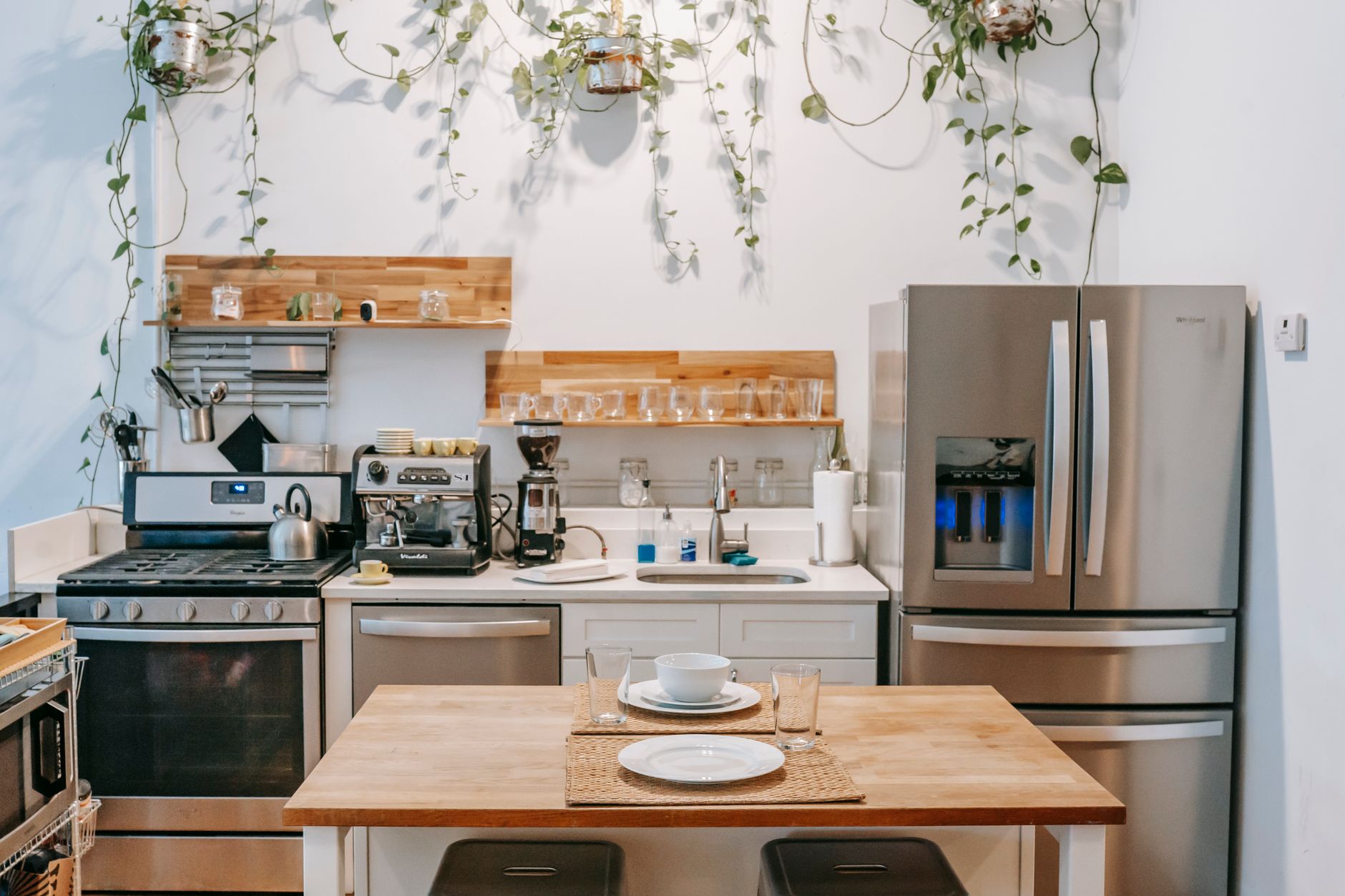
The best home appliances are those that balance a lower lifetime operating cost with high repairability, moving past superficial design features to prioritize energy efficiency. Over eight years of tracking usage cycles and energy consumption, I have found that the most valuable appliances are rarely the ones with the most digital bells and whistles, but rather those engineered for durability and consistent performance. In a household, these core machines define your monthly utility burden and the frequency of service visits.
⚡ In a Rush? Key Takeaways
- Heat pump dryers reduce cycle energy usage by over 60% compared to vented models.
- High-efficiency refrigerators can save $40 annually in energy costs over decade-old units.
- Choosing 1600 RPM spin speeds on washers reduces dryer electricity use by 15% per load.
- The best investment remains high-reliability brands that avoid unnecessary electronic complexity.
Which Home Appliances Provide the Best Energy Efficiency?
Appliances with heat pump technology, induction stovetops, and inverter-driven compressors provide the highest energy efficiency available today.
Why should you prioritize heat pump technology for laundry?
Heat pump dryers use 50–70% less energy than vented dryers by recycling warm air rather than exhausting it outside during every cycle.
In my own testing, the shift from a standard electric vented dryer to a heat pump unit was the single most effective change to my laundry energy footprint. Vented dryers pull conditioned air from your home and dump it outside, creating a massive energy loss that most homeowners ignore. A heat pump system operates in a closed loop, maintaining its own temperature and significantly reducing the kWh consumed per load.
- Heat pump dryers run on 120V circuits, offering greater installation flexibility.
- Lower drying temperatures preserve fabric integrity over many years of use.
- Annual savings often exceed $100 for families doing four loads weekly.
How do inverter compressors change refrigerator efficiency?
Inverter compressors adjust cooling power dynamically to maintain stable temperatures, using 30% less energy than standard fixed-speed units.
Older refrigerators operate on a simple on-off cycle, which causes significant energy spikes as the motor kicks in repeatedly. An inverter-driven model matches the cooling demand to the current ambient temperature and door-opening frequency. This constant, low-wattage operation is far more efficient than the aggressive start-stop cycles of traditional appliances.
How Do You Calculate the Real Cost of Ownership?
Total cost of ownership includes the purchase price, annual electricity usage, and average repair costs over a ten-year lifespan duration.
Why is purchase price a poor indicator of value?
Many entry-level appliances feature lower upfront costs but consume significantly more energy and break down twice as fast as premium units.
I have consistently observed that a “budget” machine often results in a higher total cost of ownership by year five. When evaluating appliance performance, I look at the components—copper vs. aluminum coils, stainless steel vs. plastic drums, and the accessibility of internal parts for maintenance. You are often paying for the quality of the materials inside the chassis, which directly dictates how long the machine remains viable.
| Appliance | Expected Lifespan | Annual Energy Savings |
|---|---|---|
| Heat Pump Dryer | 12-15 Years | ~$120 |
| Inverter Fridge | 15-18 Years | ~$50 |
| Induction Cooktop | 15+ Years | ~$30 |
Does appliance repairability impact your long-term budget?
Appliances with modular parts and long-term support for replacement components offer much better value than complex, integrated designs.
It is rarely the main motor that fails first, but rather sensors, control boards, and pumps. I always recommend investigating maintenance systems for any major appliance before committing to a purchase. If a brand limits third-party access to parts, your only option when a control board fails is to replace the entire machine.
What routine maintenance keeps appliances running efficiently?
Simple, regular tasks like cleaning filters, checking seals, and descaling can preserve efficiency and extend lifespan.
Over time, lint buildup in dryer vents, mineral deposits in dishwashers, and worn door gaskets on refrigerators force appliances to work harder, increasing energy use and wear. A monthly checklist—cleaning the lint trap, wiping door seals, and running a vinegar cycle in the dishwasher—keeps performance close to factory specs.
- Clean dryer lint filter after every load and inspect vent hose quarterly.
- Descale washing machine and dishwasher every 1–3 months using vinegar or a commercial descaler.
- Check refrigerator door gaskets for cracks; clean with mild soap and replace if seal is weak.
Frequently Asked Questions About Home Appliances
-
Are smart appliances actually more efficient?
Most smart features add electricity usage through standby power but offer little real-world energy efficiency gain for the user.
-
How often should you replace your major appliances?
Replace major appliances when the cost of repair exceeds 50% of the price of a comparable new, more energy-efficient model.
-
Which brands consistently offer the lowest repair rates?
Brands like Miele and Bosch consistently top independent reliability charts due to their focus on mechanical durability over aesthetic fluff.
Common concerns include energy consumption, repair costs, and how to verify if an appliance brand is reliable for your specific needs.
While remote diagnostics sound useful, the increased standby power load often offsets any minor energy savings these gadgets might offer. Stick to energy-efficient core components like inverters and heat pumps rather than connectivity features.