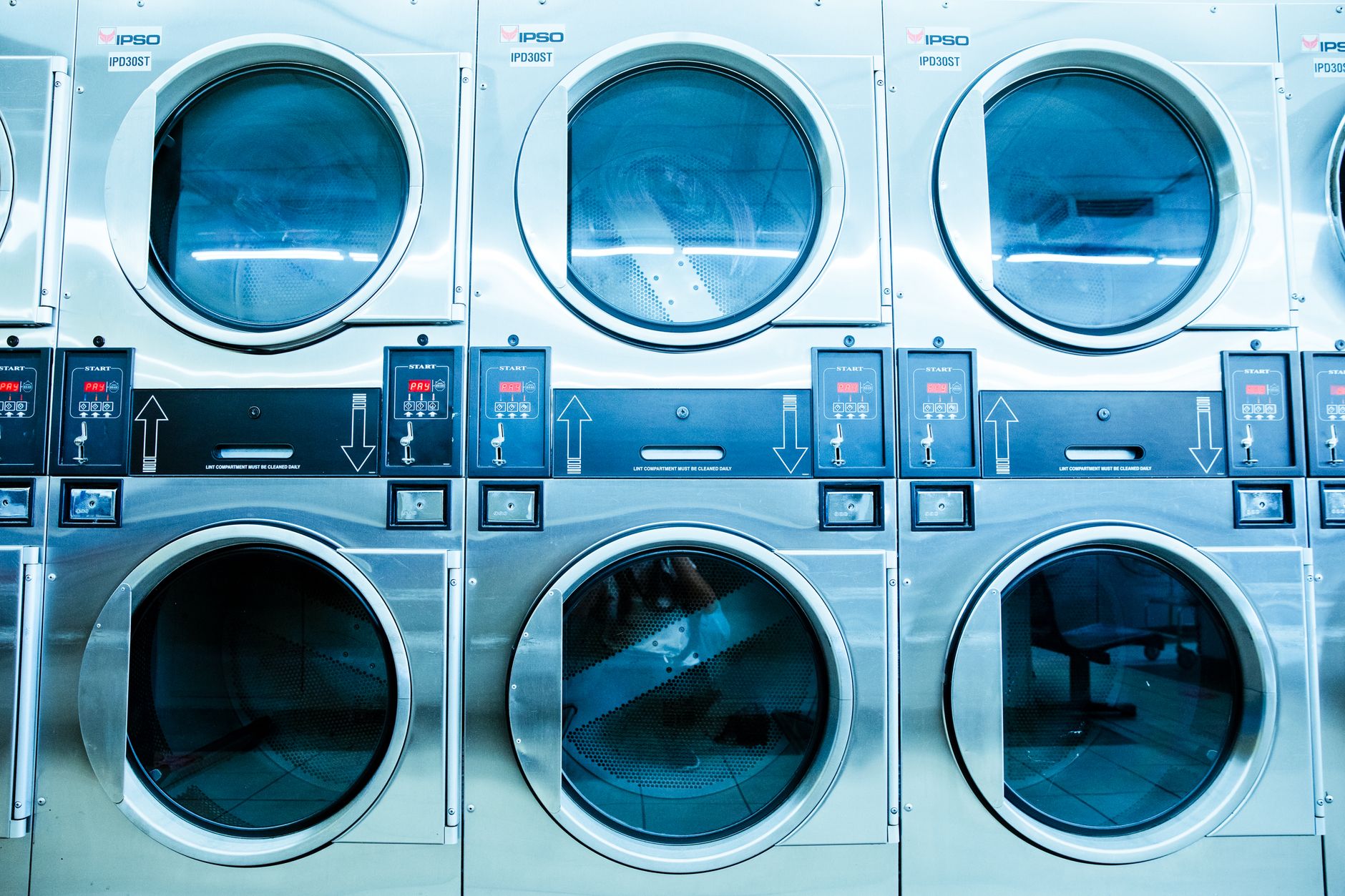
The best washing machines in 2026 are those that balance low energy consumption, high spin speeds for shorter drying times, and long-term mechanical reliability. A top-tier machine should realistically reduce your utility bills by 15-20% over its fifteen-year lifespan compared to a budget model.
⚡ In a Rush? Key Takeaways
- New A-rated machines use 30% less electricity than those rated C or D.
- High spin speeds (1,600 RPM) can cut tumble dryer electricity usage by 15%.
- Most households achieve best results with a 9kg drum for mixed family loads.
- Cold-wash cycles at 20°C reduce per-cycle energy consumption by up to 60%.
- ✅ The best reliable choice remains a mid-range Bosch or Miele unit.
How Do You Choose Between Different Washing Machine Capacities?
Choose a 7-8kg drum for single or dual occupants and a 9-10kg capacity for families to ensure optimal load efficiency and cleaning performance.
Does a Larger Washing Machine Cost More to Run?
Larger machines often use more water, but modern sensors scale consumption to the load weight to ensure that energy use remains efficient.
Many consumers fear that a large drum implies higher bills, but the reality is dictated by your usage frequency. If you consistently fill a large machine, you save energy by running fewer cycles per week. Running a 9kg machine twice a week is often more efficient than running a 6kg machine three times.
- 7-8kg: Ideal for apartments and small households.
- 9-10kg: Perfect for families and bulky items like duvets.
- Over 10kg: Reserved for large households with significant laundry volume.
Is Drum Capacity Marketing Misleading?
Drum capacity ratings refer to dry cotton weights, meaning most mixed-material loads will weigh significantly less than the rated limit.
It is worth remembering that manufacturers calculate capacity based on dense cotton. In everyday practice, your mixed loads will rarely hit the maximum weight capacity. I always recommend optimising your laundry systems to ensure you aren’t overloading or underloading, as both waste energy.
Which Features Actually Reduce Your Energy Bills?
Features like auto-dosing systems, high-speed spin cycles, and precise weight sensors provide the most significant long-term energy savings.
How Does Spin Speed Affect Your Total Laundry Cost?
A 1,600 RPM spin speed extracts more water from fabric, which drastically lowers the electricity required for your tumble dryer to finish.
I view the washing machine and the dryer as a single system. A machine that leaves clothes damp requires your tumble dryer to run for an additional twenty minutes. Choosing a 1,600 RPM model over a 1,200 RPM model is a clear win for your monthly energy budget.
Are Auto-Dosing Systems Worth the Premium?
Auto-dosing systems prevent detergent overdose, which saves money and protects your machine’s pump and drainage system from clogs.
Too much soap leads to extra rinse cycles, which consumes both electricity and water. Systems that dispense the exact amount of liquid based on load size are one of the most reliable gadget efficiency upgrades you can make for your utility room.
How Should You Maintain Your Washing Machine for Longevity?
Regular drum cleaning cycles and checking the filter every three months prevent scaling and pump failures that lead to premature repairs.
Why Does Hard Water Require Specific Maintenance?
Hard water builds mineral scale on heating elements, which forces the machine to work harder and consumes more electricity to heat water.
If you live in a hard water area, using the correct amount of salt and descaler is a non-negotiable part of your monthly home upkeep. Neglecting this leads to a reduction in thermal efficiency. I have observed that machines maintained with proper descaling agents last significantly longer than those left to accumulate internal scale.
Is It Possible to Repair Modern Washing Machines?
Mid-range brands with replaceable bearings and heating elements offer better repairability than budget machines with sealed drum units.
- Check the warranty duration on motors.
- Look for manufacturers that sell spare parts directly to consumers.
- Prioritize brands with service networks in your immediate area.
Frequently Asked Questions
Common queries regarding the purchase and daily use of modern high-efficiency front-loading washing machines to save on costs.
Is a front-loader better than a top-loader for efficiency?
Front-loaders generally use less water and energy because they rely on gravity to move clothes through water rather than full submersion.
What does the energy label really tell me?
The 2021 energy label uses a scale of A to G, where A represents the most efficient machines currently available on the retail market.
Should I use eco-mode for every wash cycle?
Eco-mode uses less energy but typically requires longer wash times to achieve the same cleaning results as a standard high-heat cycle.
Ultimately, the best machine is one that suits your household size and is maintained with regular cleaning. Investing in a higher efficiency rating today will almost always pay for itself within the first five years of ownership through lower electricity and water consumption.
— Greta Michaud, Home Appliance Efficiency Researcher