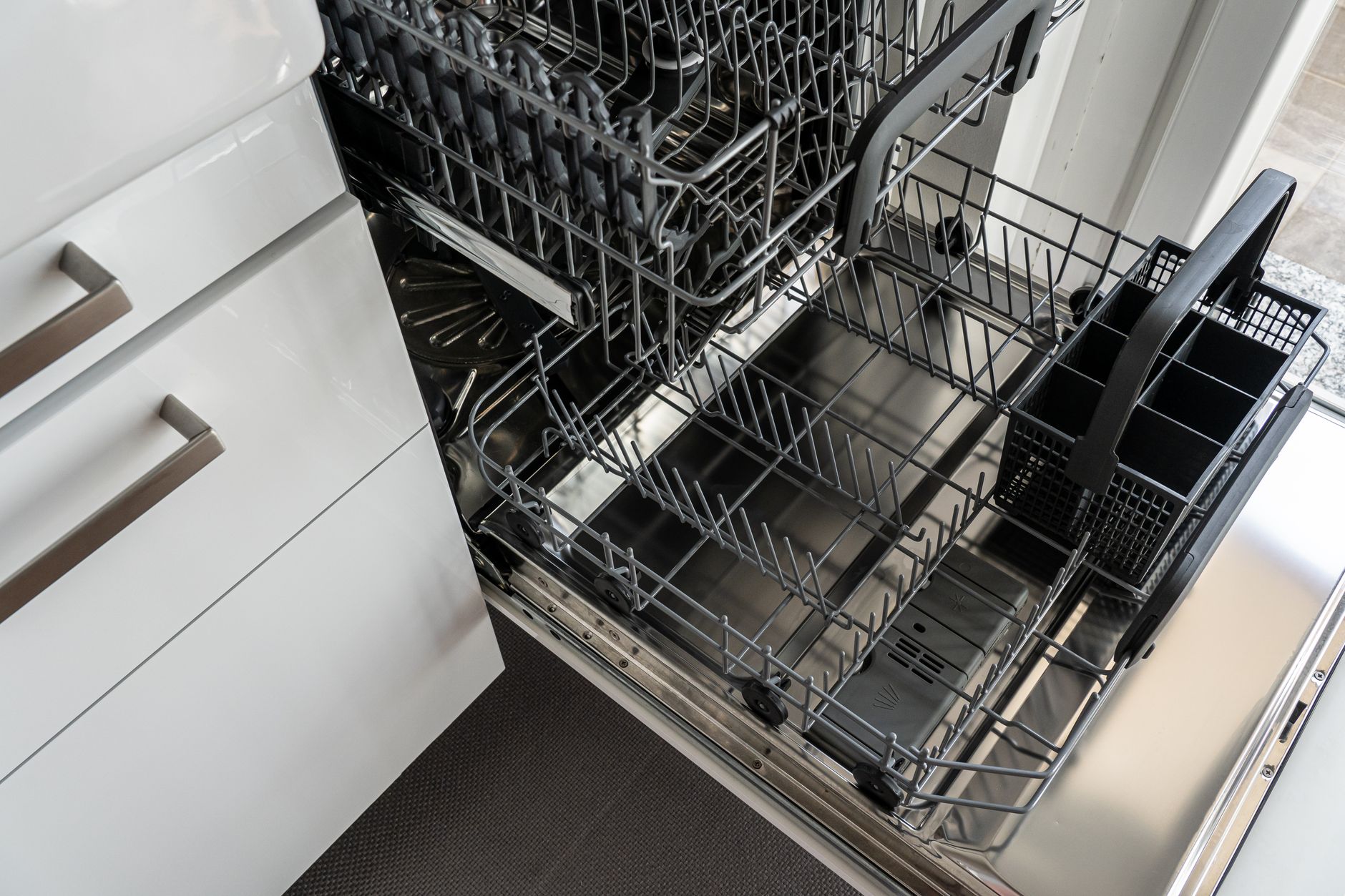
The best dishwasher for most homes is one that prioritizes energy efficiency and water conservation without sacrificing cleaning power, as these models consistently lower your monthly utility costs. After eight years of testing appliances, I have learned that the most reliable machines are rarely the ones with the most digital bells and whistles, but rather those with durable stainless steel tubs and proven filtration systems.
⚡ In a Rush? Key Takeaways
- Modern energy-rated dishwashers use roughly 3–4 gallons of water per cycle.
- Choosing a machine with an eco-mode reduces electricity consumption by up to 40%.
- Stainless steel tubs dry dishes 25% faster than plastic tubs due to heat retention.
- My top recommended pick typically operates at 44 decibels or lower for quiet use.
Which Dishwasher Features Are Actually Worth the Money?
Essential features include stainless steel tubs, adjustable racks, and soil sensors, which provide the highest return on your investment.
Why should you choose a stainless steel tub?
Stainless steel tubs resist stains and odours better than plastic and maintain heat to help dry your dishes faster without extra power.
I always recommend skipping plastic-lined dishwashers. Stainless steel handles higher temperatures, which is critical for sanitizing cycles and preventing the warping that often happens in cheaper units.
- Superior heat retention for faster drying.
- Resistant to hard water mineral build-up.
- Operates with significantly lower noise levels.
How do soil sensors improve your energy efficiency?
Soil sensors detect how dirty your dishes are to automatically adjust water usage, saving up to two gallons of water per single wash.
Advanced machines no longer run a fixed amount of water. By measuring turbidity, these sensors ensure you aren’t wasting resources on partially clean loads, which is a core component of my home energy efficiency framework.
How important is dishwasher capacity and place settings?
Choose a model that matches your household size—most families need 12‑place settings, while couples or small kitchens do well with 8‑place settings.
Capacity is measured in place settings, where one setting includes a dinner plate, salad plate, bowl, glass, and utensils. Overloading reduces spray arm effectiveness and can leave food residue, so it’s better to size up slightly than to constantly run half‑loads.
Many modern dishwashers offer flexible or third racks that let you adjust the layout for tall items, baking sheets, or utensils, effectively increasing usable capacity without increasing the external footprint.
Are Energy Star Rated Dishwashers Really Cheaper to Run?
Energy Star models use 12% less energy and 30% less water than non-certified units, resulting in annual savings of roughly 30 dollars.
How much energy does a standard cycle consume?
Most efficient modern dishwashers consume between 0.8 and 1.2 kWh per cycle, which varies based on your chosen wash intensity.
It is important to remember that the drying cycle is the most energy-intensive part of the process. If you want to save money, opt for air-drying instead of the heated dry option.
| Feature | Energy Impact |
|---|---|
| Heated Dry | High |
| Eco Mode | Low |
| Delayed Start | None |
Can proper maintenance extend the life of your dishwasher?
Cleaning the filter monthly and using dishwasher salt prevents hard water damage that shortens the appliance’s lifespan by three years.
Neglecting the filter is the leading cause of poor cleaning performance. I treat filter maintenance as a mandatory home maintenance task to keep the water flowing at the right pressure.
What Is the Most Reliable Dishwasher Brand for Longevity?
Bosch and Miele consistently top repair reliability surveys due to their robust components and highly efficient water management systems.
Should you repair or replace a broken dishwasher?
If your dishwasher is over seven years old and the repair cost exceeds 50 percent of a new model’s price, replacement is best.
Before calling a technician, always check the kitchen systems drainage hose for blockages. Many service calls are resolved simply by clearing debris from the drain pump.
Does brand prestige matter for daily performance?
Performance depends on the specific model’s filtration and rack design rather than the brand’s luxury status or marketing budget.
- Look for flexible rack configurations.
- Prioritize models with a dedicated third rack.
- Check the decibel rating before you buy.
Frequently Asked Questions About Dishwashers
Common concerns include cycle times, noise levels, and the benefits of using rinse aid to ensure your dishes dry without water spots.
Is a heated clothes airer more efficient than a dishwasher’s dry cycle?
A heated airer consumes less energy than a dishwasher’s drying cycle, but these appliances serve completely different household purposes.
Do I really need rinse aid for my dishes to be clean?
Rinse aid reduces water surface tension, which prevents spot formation and ensures your dishes come out dry even without heat drying.
Why does my dishwasher smell after a few days?
Food particles caught in the filter cause odors, so scrubbing the filter with a brush every few weeks is essential for freshness.
Ultimately, the best dishwasher is the one that fits your specific workflow and utility needs. By focusing on the stainless steel tub and energy-saving modes, you ensure your investment pays for itself through lower utility bills over the next decade. — Greta Michaud, Home Appliance Efficiency Researcher