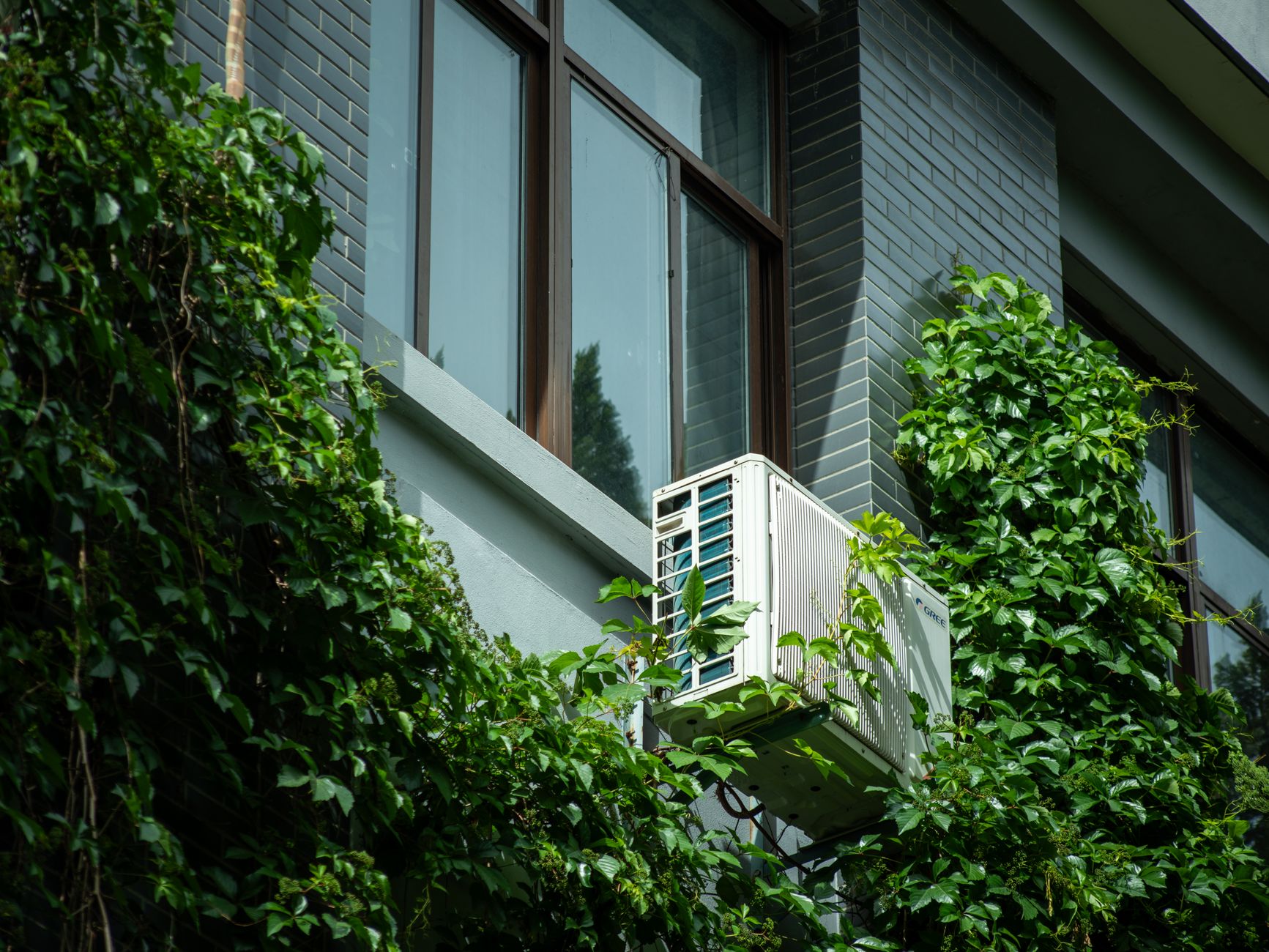
Energy efficiency appliances lower your long-term utility costs by consuming significantly less electricity and water than standard base-model equivalents. While the initial purchase price is often higher, the operational savings over a 10-year lifespan typically offset the premium for major household appliances.
⚡ In a Rush? Key Takeaways
- Energy Star appliances reduce energy use by 10% to 50% compared to non-certified models.
- Heating water accounts for 90% of a washing machine’s energy consumption per cycle.
- Heat pump dryers use roughly 60% less electricity than traditional vented tumble dryers.
- State and federal rebate programs can cover $200–$500 of your initial appliance cost.
- Verdict: Prioritize replacing your refrigerator and dryer first for maximum financial return.
How Does the Energy Star Rating System Benefit Homeowners?
The Energy Star label identifies products that meet strict efficiency criteria set by the EPA to ensure lower operational costs for consumers.
What performance standards must appliances meet to qualify?
Appliances must exceed federal minimum efficiency standards by a specific percentage, usually determined by rigorous independent testing.
When you choose a product with the label, you are selecting a unit that has been vetted for reduced energy leakage and smarter resource management. Manufacturers must provide data proving the appliance operates at the top tier of efficiency for its category.
- Energy leakage reduction in standby modes
- Optimized motor performance for reduced heat waste
- Improved insulation levels for refrigerators and heaters
- Advanced sensor technology to detect load size accurately
Does the Energy Star label guarantee the lowest running costs?
The label indicates top-tier efficiency, but usage habits and machine size remain the largest factors in your final monthly bill.
While the rating is a reliable baseline, the actual cost depends on how frequently you use the appliance. A highly efficient washing machine will still be expensive if you run it exclusively on heavy-duty, hot-water cycles.
| Appliance Type | Avg. Annual Savings |
|---|---|
| Refrigerator | $40 – $70 |
| Clothes Washer | $30 – $50 |
| Dishwasher | $25 – $40 |
Which Appliances Offer the Best Financial Return on Investment?
Refrigerators, heat pump dryers, and smart water heaters deliver the fastest payback periods due to their continuous operation cycles.
Why should you replace your refrigerator first?
Refrigerators run 24 hours a day, making even minor efficiency gains result in substantial electricity savings over a 15-year life.
Older models often consume three times the energy of modern efficient units. Because the fridge is always drawing power, an upgrade acts as a permanent reduction in your home’s base electrical load.
Are heat pump dryers worth the higher upfront investment?
Heat pump dryers use 60% less energy than standard electric dryers, often paying for themselves within four years of typical usage.
They operate at lower temperatures, which also preserves your clothing fibers longer than a traditional vented model. This dual benefit of energy savings and textile longevity makes them a sound investment for your home.
How to estimate the payback period for an energy-efficient appliance
Payback period equals the extra upfront cost divided by annual energy savings; most major appliances reach break‑even in 3‑7 years.
To calculate, subtract the annual operating cost of the efficient model from that of the baseline model, then divide the price difference by this yearly saving. For example, a heat‑pump dryer that costs $200 more than a standard dryer but saves $50 per year in electricity will pay for itself in four years.
Including local rebates or tax credits reduces the effective upfront cost, shortening the payback time; many utilities offer instant rebates that can be applied at purchase, further improving the economics.
How Can You Find Rebates for Energy Efficient Appliances?
State-managed incentive programs and utility provider rebates can significantly reduce the purchase price of qualified major appliances.
Where can you track state-specific incentive programs?
The official government energy savings portal provides a database to locate rebates available in your specific zip code or region.
Local utility companies often partner with government agencies to offer direct rebates at the point of sale. You should always check if your purchase qualifies before finalizing the transaction to ensure you don’t miss out on savings.
- Utility provider efficiency reward programs
- Manufacturer-sponsored mail-in rebates
- State-managed climate and efficiency grants
- Federal tax credits for specific heat pump installations
Is it necessary to apply for rebates online?
Most modern rebate programs use digital portals for faster processing, though some local programs still accept paper forms.
Keep your receipt and the Energy Star certification document handy when applying. Many retailers will also provide a printout of the rebate eligibility details at the time of purchase to help you organize your kitchen workflow documentation.
Frequently Asked Questions
Common queries about managing efficiency ratings and understanding the financial impact of your home appliance upgrades in 2026.
Are high-efficiency appliances more prone to repairs?
Modern high-efficiency appliances use more sensors, which can increase technical complexity but generally do not decrease lifespan.
Do I need to change my detergent for energy-efficient washers?
Yes, high-efficiency machines require specific low-sudsing detergent to maintain pump longevity and ensure proper cleaning performance.
Does a larger appliance automatically use more energy?
Not always, as larger drums can often complete one large load instead of two small ones, potentially saving both water and time.
— Greta Michaud, Home Appliance Efficiency Researcher