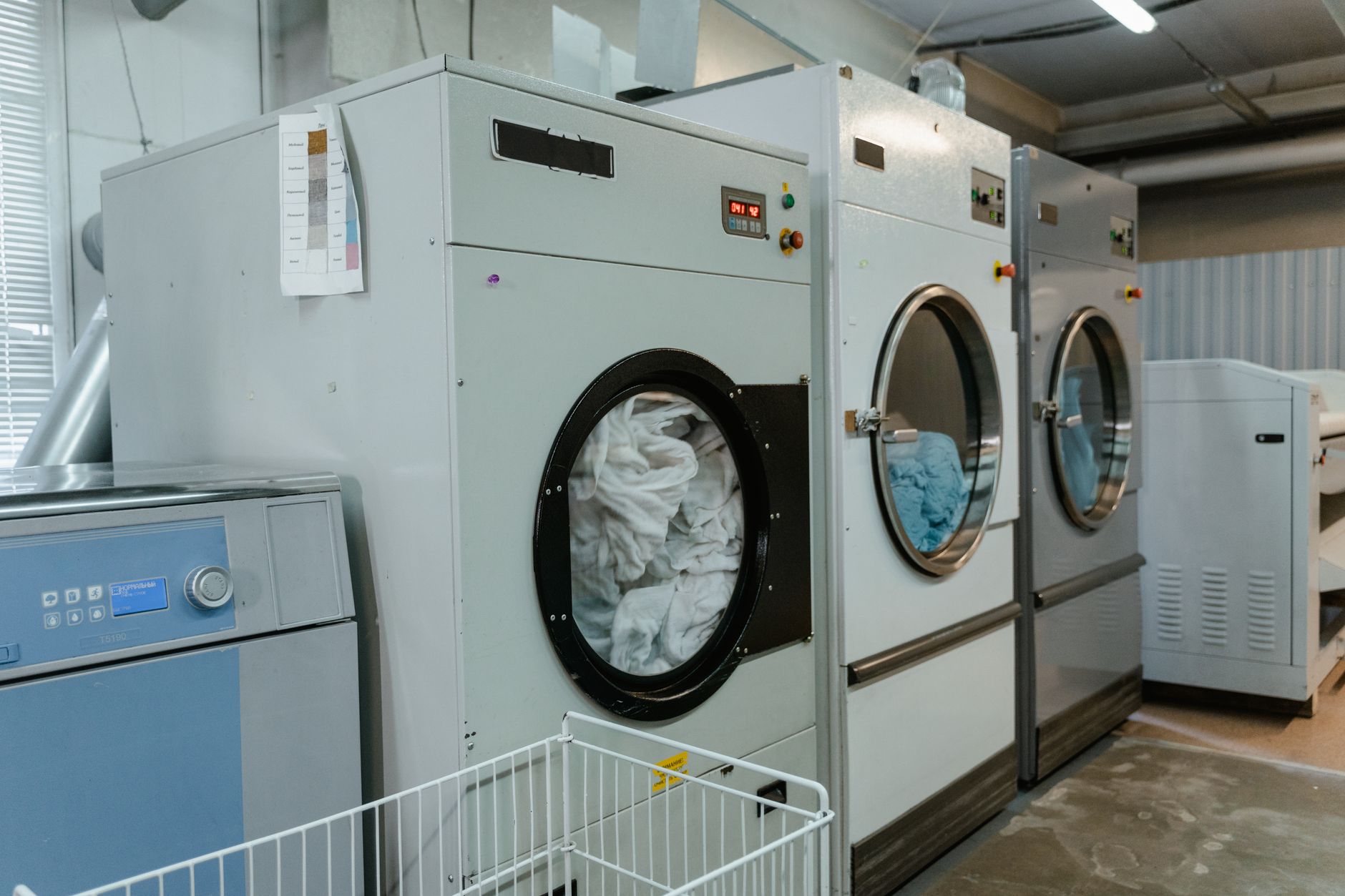
Tumble dryers cost between $0.35 and $1.15 per cycle to run in 2026, depending heavily on the technology, machine age, and your local electricity rate. While they offer undeniable convenience, understanding the efficiency gap between older vented models and modern heat pump units is the primary way to manage your home energy bills.
⚡ In a Rush? Key Takeaways
- Heat pump dryers use 60-70% less energy per cycle than standard vented models.
- Running a vented dryer 4 times a week costs roughly $180-$220 annually in the US.
- High spin speeds on your washer can reduce dryer energy use by up to 15%.
- Cleaning lint filters every single cycle improves efficiency by 5-10%.
- ✅ Heat pump technology is the only efficiency-grade choice for regular daily use.
What are the real energy costs of different tumble dryer types?
Energy costs vary by technology: heat pump dryers use 1.5 kWh, condenser dryers use 3-4 kWh, and vented dryers use 4-5 kWh per load.
When I track appliance usage in my own home, the technology inside the cabinet dictates the monthly bill more than any other factor. You are essentially paying for the method used to manage moisture and heat.
Understanding these differences helps you decide if your current laundry workflow is costing you more than it should. The upfront price difference between these machines is often offset by the annual electricity savings within three to four years.
How much does a heat pump tumble dryer cost to run?
Heat pump dryers use 1.5–2.0 kWh per cycle, costing roughly $0.25 to $0.35 per load at average national electricity rates in 2026.
These machines act like a reverse air conditioner, recycling heat rather than venting it outside. They are the gold standard for energy efficiency in 2026, keeping temperatures lower and gentler on clothing fibers.
- Average energy use: 1.5–2.0 kWh per cycle
- Estimated cost: $0.30 per load
- Typical dry time: 90–150 minutes
- Maintenance: Clean filter and heat exchanger monthly
Is a vented tumble dryer really that expensive?
Vented dryers draw 4–5 kWh per cycle, costing $0.70 to $1.15 per load, making them the most expensive option for long-term daily usage.
Vented dryers pull in air, heat it, and push moisture outside through a hose. They are fast and cheap to buy, but they are energy-intensive because they discard heat that the machine just worked to create.
If you have an older machine, I highly recommend checking its appliance performance stats against a newer model to see how much electricity you are wasting annually.
How can you reduce tumble dryer running costs?
Reduce costs by using high spin speeds, cleaning filters every load, and only running full capacity cycles to maximize energy efficiency.
Efficiency is as much about behaviour as it is about hardware. Small tweaks to how you load and maintain the machine change the kWh draw significantly over a year.
Why does spin speed affect dryer efficiency?
A 1600 RPM final spin removes 15% more water than 1000 RPM, reducing drying time by 20 minutes and saving electricity every single load.
Most people forget that the washing machine does half the work of the dryer. If your clothes leave the washer dripping, the dryer has to burn massive amounts of energy to reach the target dryness.
- 1000 RPM spin: Clothes retain high moisture, increasing dryer run time.
- 1400 RPM spin: Standard balance of moisture removal and fabric care.
- 1600 RPM spin: Best for drying efficiency, though check your clothing labels.
Does a full load actually save money?
Running full loads maximizes the heat capacity of the air, ensuring you don’t waste energy heating an empty drum for just a few items.
I consistently find that people who run small, frequent loads pay 30% more in annual energy costs. The dryer needs to reach a certain threshold of humidity and temperature to cycle efficiently.
What are the installation and venting requirements for different tumble dryer types?
Vented dryers need an external vent to expel moist air, condenser models collect water in a tank that must be emptied, and heat pump units require only a power outlet and occasional filter cleaning.
Proper installation ensures safe operation and prevents moisture buildup that can lead to mould or reduced efficiency. Before purchasing, check your laundry space for available venting options, floor drainage for condenser tanks, and sufficient clearance around the unit for airflow.
- Vented dryer: 4‑inch rigid or flexible duct leading outdoors, sealed joints, and a backdraft damper.
- Condenser dryer: removable water tank (or optional drain hose) that collects condensed moisture; tank should be emptied after each cycle or connected to a waste pipe.
- Heat pump dryer: no vent or water tank needed; just ensure at least 5 cm clearance on sides and rear for airflow and clean the heat exchanger monthly.
Frequently Asked Questions
Should I choose a condenser or heat pump dryer?
Choose a heat pump dryer for energy savings; condenser dryers are cheaper to buy but cost significantly more to run over five years.
How often should I clean the lint filter?
Clean your lint filter after every single drying cycle to ensure proper airflow and maintain maximum machine efficiency.
Are tumble dryers harmful to clothing?
Heat pump dryers operate at lower temperatures, making them much gentler on fabric compared to high-heat vented or condenser models.
Conclusion
While the convenience of a tumble dryer is difficult to match, the running cost in 2026 makes the transition to heat pump technology a sensible financial decision. By optimising your laundry routine with higher spin speeds and regular maintenance, you can keep the utility impact of your dryer minimal.