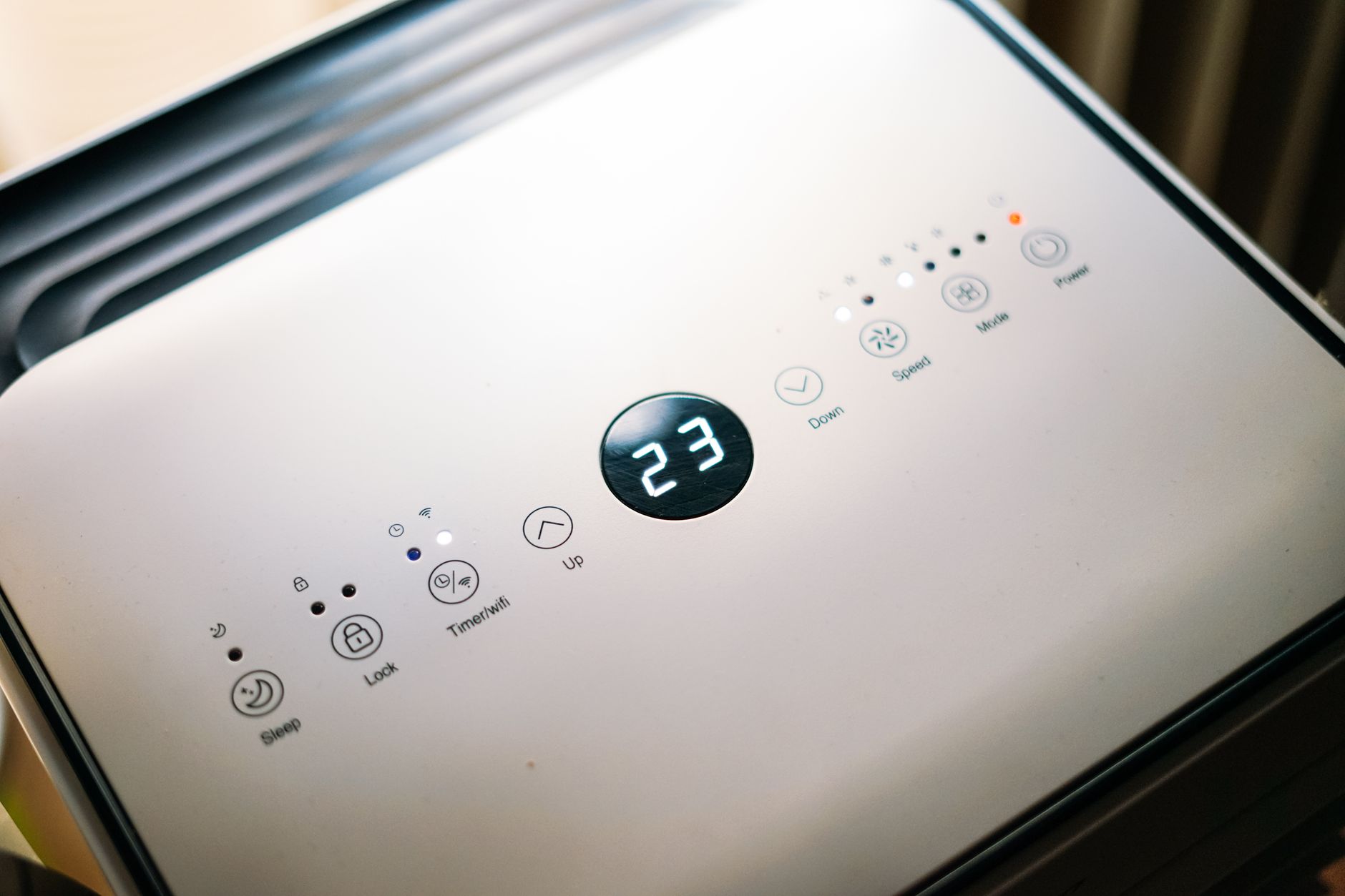
Dehumidifiers are energy-efficient appliances that cost between $0.03 and $0.12 per hour to operate, depending on your unit’s wattage and local electricity rates. While they are a reliable tool for moisture control, their daily cost depends heavily on whether you choose a compressor or desiccant model.
⚡ In a Rush? Key Takeaways
- Standard compressor units use roughly 250-400 watts while actively extracting moisture.
- Desiccant dehumidifiers run at 400-600 watts and are best for colder rooms below 15°C.
- Running a unit for 8 hours daily adds roughly $7–$20 to your monthly electricity bill.
- Prevention is cheaper: fixing a leaking pipe or vent is more effective than any machine.
- ✅ Verdict: Use only when natural ventilation or energy-efficient structural fixes fail.
How much does it actually cost to run a dehumidifier?
Running a typical 300-watt dehumidifier costs roughly $0.05 per hour based on the US average electricity rate of $0.16 per kilowatt-hour.
Does a compressor dehumidifier save you money?
Compressor units use 30-50% less energy than desiccant models in rooms warmer than 15°C, making them the superior choice for most homes.
Compressor models function like a small refrigerator, cooling a coil to condense water from the air. They are highly efficient at common room temperatures, typically drawing between 200 and 400 watts.
Because they cycle on and off once your target humidity is reached, they rarely pull maximum power for the entire day. This makes them ideal for basements and living areas.
- Energy draw: Low (200-400W)
- Best temperature: Above 15°C (60°F)
- Maintenance: Requires filter cleaning every two weeks
When is a desiccant dehumidifier the better choice?
Desiccant units cost more to run but remain effective in temperatures below 15°C where compressor models struggle to extract moisture.
Desiccant models use a chemical rotor to absorb moisture rather than a refrigerated coil. While they consume more power, they maintain consistent extraction rates in unheated spaces like garages.
If you are trying to dry out a cold space, a compressor model will simply cycle continuously without success, wasting electricity. A desiccant unit solves this by working regardless of the ambient temperature.
How can you reduce dehumidifier electricity bills?
You reduce running costs by placing units centrally, sealing gaps to prevent drafts, and using a humidistat to manage run times.
Does placement affect your dehumidifier’s energy use?
Placing a unit in the center of a room allows for better airflow, ensuring the machine reaches target humidity levels faster and shuts off.
If you tuck a dehumidifier into a corner or behind furniture, the sensor will only read the humidity in that micro-climate. The machine will work harder than necessary while the rest of the room stays damp.
Ensure there is at least 30cm of clearance on all sides. This simple organisation system keeps the motor from overheating and helps the unit cycle efficiently.
Why does a humidistat save you money?
A built-in humidistat prevents the appliance from running 24/7, keeping it active only when moisture levels exceed your desired set point.
Many older units lack precise humidity controls, leading them to run indefinitely. Modern units with adjustable humidistats are essential for minimizing the electricity drain.
- Target range: 45% to 55% relative humidity
- Automatic shut-off: Prevents energy waste once target is met
- Cost impact: Reduces daily run time by up to 40%
Does regular maintenance affect energy consumption?
Keeping filters clean and coils free of dust can cut a dehumidifier’s power draw by up to 15%.
A clogged filter restricts airflow, forcing the motor to work harder and run longer to reach the set humidity. Similarly, dust-coated coils reduce heat exchange efficiency, causing the compressor to draw more electricity. Regular upkeep ensures the unit operates near its rated wattage rather than drifting upward as components foul.
Simple maintenance tasks—performed every two weeks or as needed—maintain efficiency and extend the appliance’s lifespan.
- Clean or replace the air filter according to the manufacturer’s schedule.
- Empty and rinse the water collection tank to prevent mold and mineral buildup.
- Wipe the evaporator and condenser coils with a soft cloth; use a fin‑straightening tool if fins are bent.
- Check for ice formation on coils in low‑temperature environments and defrost if necessary.
- Inspect the drainage hose (if equipped) for clogs and ensure it discharges freely.
Is a dehumidifier more efficient than other moisture solutions?
Natural ventilation and fixing leaks are always cheaper, but dehumidifiers are necessary for basements or rooms lacking airflow.
Can you fix damp without using a dehumidifier?
You can often solve high humidity by using extractor fans, fixing leaking pipes, and improving insulation to prevent cold-surface condensation.
Before buying an appliance, check your home for structural issues. If you have moisture pooling in a corner, look at your home maintenance protocols first, as these are one-time costs rather than recurring energy bills.
Check for leaking gutters or blocked air vents. Often, the moisture is coming from outside, and no amount of electrical extraction will fully solve a foundation or roof leak.
Frequently Asked Questions
Here are common answers about dehumidifier efficiency and usage for homeowners looking to keep their indoor environment healthy.
Should a dehumidifier run 24 hours a day?
No, a high-quality unit with a humidistat should only run when humidity levels rise above your set target of 50%.
Do dehumidifiers heat up a room?
Yes, the motor and compressor release heat, which can raise room temperatures by 2-5°C during extended operation.
Does an old dehumidifier cost more to run?
Yes, older models often lack efficient coils and accurate sensors, leading to significantly higher energy consumption than new units.
— Greta Michaud, Home Appliance Efficiency Researcher