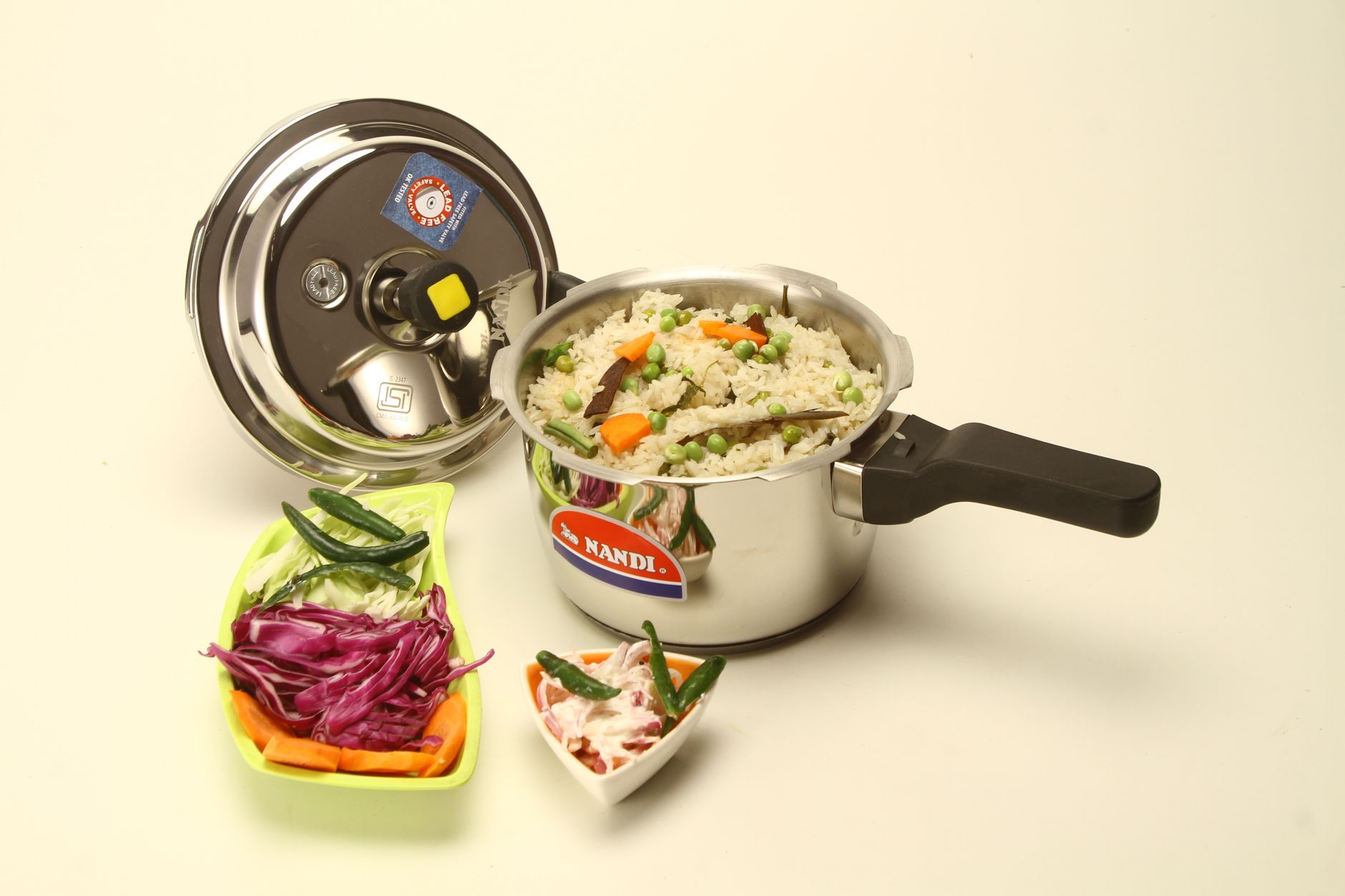
A stainless steel pressure cooker is a high-performance kitchen tool that offers superior durability and heat distribution compared to aluminum alternatives, typically lasting 15 to 20 years with proper maintenance. These units are preferred for their non-reactive surfaces, ensuring your food does not take on a metallic taste even when cooking acidic ingredients like tomato sauces.
⚡ In a Rush? Key Takeaways
- Stainless steel cookers last 15-20 years, far outliving aluminum-based models.
- Using a pressure cooker reduces cooking time for legumes and meats by 60-70%.
- Expect to pay $60-$130 for a high-quality, induction-compatible stainless unit.
- ✅ Our verdict: Prioritize a heavy-gauge tri-ply base for even, efficient heating.
Why should you choose stainless steel over aluminum?
Stainless steel provides a non-reactive cooking surface that prevents metallic leaching and offers significantly higher durability for daily use.
Is stainless steel safer for long-term health?
Stainless steel is chemically inert, meaning it will not leach metals into your food, even when you are cooking highly acidic ingredients.
Many older pressure cookers were constructed from aluminum, which can react with tomatoes, citrus, and wine. Over years of use, aluminum surfaces can degrade, potentially altering the flavor of your meals.
Stainless steel models maintain their integrity throughout a lifetime of scrubbing and high-pressure cycles. This makes them a more stable investment for a well-organized kitchen workflow.
Does stainless steel offer better heat distribution?
Stainless steel alone is a poor conductor of heat, which is why the best models feature an aluminum or copper core in the base.
If you purchase a stainless steel cooker, look specifically for a “tri-ply” or “clad” base. This means a layer of heat-conductive metal is sandwiched between layers of stainless steel.
- Even heat prevents localized burning.
- The base retains heat, saving energy on the hob.
- Induction compatibility is often built into the base.
What size pressure cooker do you actually need?
For a standard household of four, a 6-quart or 8-quart model provides the perfect balance of cooking capacity and heat efficiency.
Is a 4-quart model sufficient for small families?
A 4-quart cooker is ideal for side dishes, small quantities of beans, or single-portion proteins for one to two people.
While compact, a 4-quart unit limits your ability to perform batch cooking. If you want to use the pressure cooker to reduce energy costs per meal, larger capacities are often more efficient.
Why is an 8-quart model often the best value?
The 8-quart capacity allows for larger roasts and batch cooking, which minimizes the number of times you need to fire up the stove.
Larger cookers are surprisingly easy to manage, provided you have the storage space. They allow you to fill the pot to the required safety limit while leaving enough headspace for frothing ingredients.
Consider the total volume of your ingredients:
| Capacity | Best Usage |
|---|---|
| 4 Quart | Side dishes, small batches |
| 6 Quart | Standard family meals |
| 8 Quart | Batch cooking and roasts |
How do you maintain a stainless steel pressure cooker?
Proper maintenance requires checking the gasket seal every six months and ensuring the pressure valve remains free from debris.
How often should you replace the rubber gasket?
Replace your gasket every 12 to 24 months, depending on usage frequency, to ensure a perfect pressure seal is maintained.
A failing gasket will cause steam leakage, which increases cooking time and energy consumption. It is a simple DIY repair task that keeps your appliance running safely.
Can you put the cooker in the dishwasher?
While the stainless steel body is dishwasher safe, it is best to hand-wash the lid to protect the precision valves and gaskets.
Harsh dishwasher detergents can degrade the rubber components over time. Hand-washing the lid ensures that the sensitive pressure-regulating mechanism remains accurate for years to come.
How should you release pressure after cooking?
Choose between natural release and quick release depending on the food to prevent overcooking and ensure safety.
Natural release lets the pressure drop gradually on its own, which is ideal for dishes that continue to cook with residual heat, such as soups, stews, and tough cuts of meat. Quick release, achieved by turning the valve to vent, stops cooking instantly and is best for vegetables, fish, or when you need to open the pot promptly.
Always follow the manufacturer’s guidelines and keep hands and face away from the steam vent to avoid burns.
Frequently Asked Questions
-
Is a stainless steel pressure cooker compatible with all stoves?
Most modern stainless steel pressure cookers feature an induction-compatible base, making them suitable for gas, electric, and induction.
-
Are these pressure cookers worth the price difference?
The higher upfront cost of stainless steel is recouped through its 15-20 year lifespan and superior non-reactive performance.
-
Does stainless steel cook faster than other materials?
Pressure cooking speed is dictated by the PSI levels, but stainless steel retains the heat required to reach pressure more reliably.
Final Verdict on Stainless Steel Pressure Cookers
Choosing a stainless steel pressure cooker is a decision that prioritizes longevity and food quality over initial savings. By selecting a unit with a thick, clad base, you ensure the appliance will serve your kitchen for decades. Always check the seal before cooking, and you will find it to be an invaluable tool for your home.