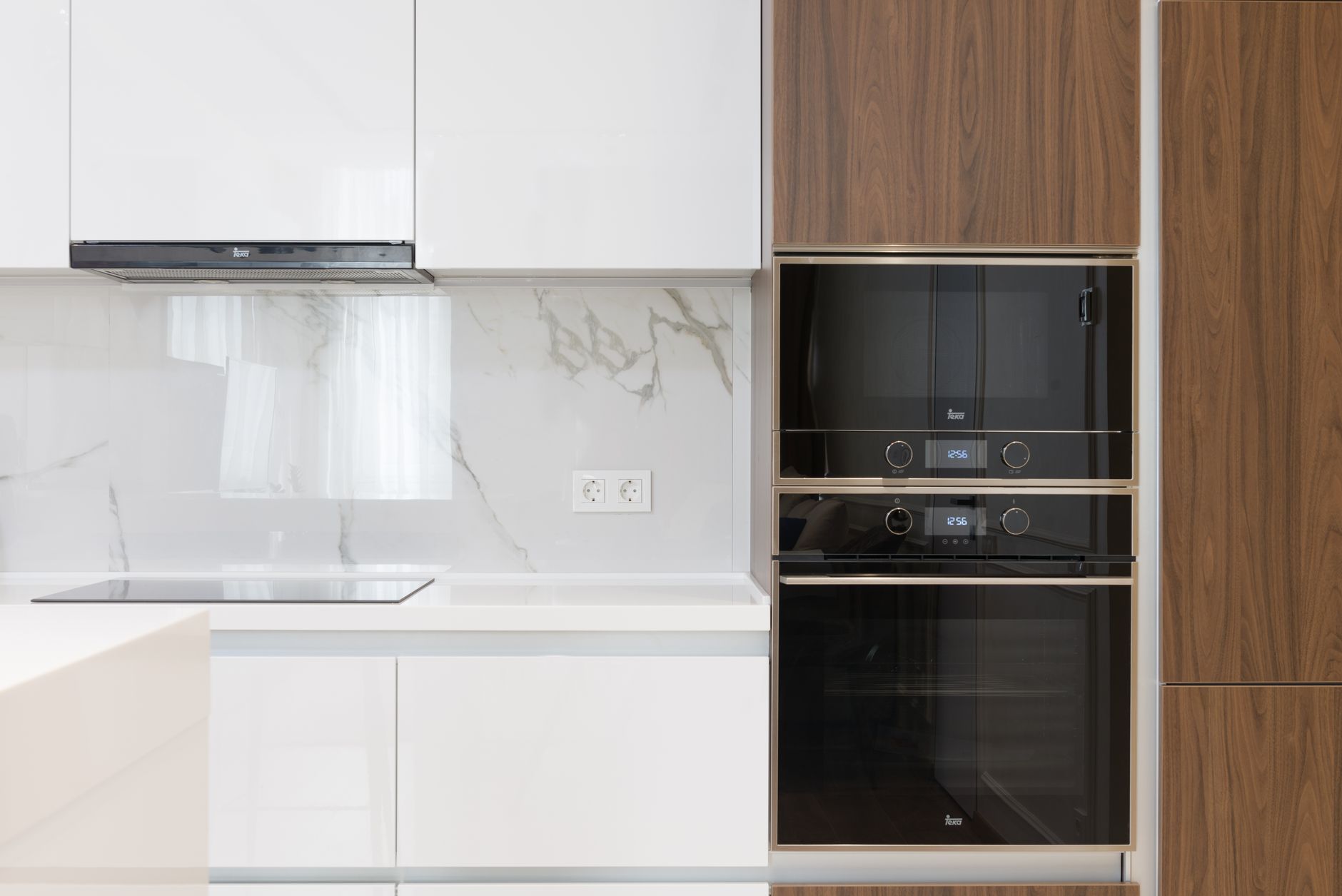
When outfitting a new kitchen or upgrading existing appliances, the choice between purchasing a bundle or buying items individually can significantly impact your budget and the functionality of your space. Appliance retailers frequently promote bundled packages, promising substantial savings, but is this always the most financially sound decision?
⚡ In a Rush? Key Takeaways
- Bundles offer 10-20% average savings due to manufacturer and retailer discounts on multiple purchases.
- Reduced shipping and installation fees can add another 5-10% in hidden savings for package deals.
- Individual purchases allow for brand and feature flexibility, potentially optimizing long-term running costs.
- An outdated refrigerator costs $30-50 more per year to run than a modern A-rated model, affecting total ownership cost.
- ✅ Bundles are best for full kitchen overhauls; individual purchases suit targeted upgrades and specific needs.
In countless hours of testing appliances across various brands and configurations, I’ve observed that the true value of a bundle extends beyond the initial sticker price. Understanding the nuances of cost savings, design consistency, and potential compromises is crucial for making an informed decision for your home. Ultimately, the ‘best’ approach depends on your specific needs, budget, and renovation timeline.
Do Kitchen Appliance Bundles Really Save Money?
Yes, kitchen appliance bundles typically offer 10-20% direct savings on retail price, plus reduced shipping and installation costs compared to individual purchases.
Manufacturers and retailers frequently incentivize bulk purchases to move inventory and secure larger sales. These bundled discounts are often the most compelling argument for choosing a package deal.
What Kind of Discounts Can Homeowners Expect from Appliance Bundles?
Most kitchen appliance bundles come with direct discounts ranging from 10% to 20% off the combined individual retail prices, with some promotions offering more.
These discounts are a standard incentive to encourage consumers to buy multiple units from the same brand or retailer. The savings are particularly noticeable when purchasing high-ticket items like refrigerators, ranges, dishwashers, and microwaves simultaneously.
Beyond the advertised percentage off, retailers often sweeten the deal with additional cost reductions. This can include rebates, gift cards, or extended warranties, which further increase the financial appeal of a bundle.
How Do Bundles Reduce Hidden Costs Like Shipping and Installation?
Bundles reduce shipping and installation costs by consolidating delivery into one trip and potentially offering flat-rate pricing for multiple units.
When you purchase appliances individually, you might incur separate delivery fees for each item, especially if they are ordered from different stores or arrive at different times. Bundles, however, are typically shipped as a single consignment.
- Consolidated Delivery: One truck, one delivery team, one charge—even if it’s a large kitchen suite.
- Flat-Rate Installation: Some installers offer a better rate for installing multiple appliances in one visit.
- Haul-Away Savings: Often, the removal of old appliances is included for the entire package, not per unit.
The cumulative effect of these reduced fees can add an extra 5-10% in savings compared to the itemised costs of individual purchases, making the bundle even more economically attractive.
What are the Main Benefits of Choosing Bundled Kitchen Appliances?
Choosing bundled kitchen appliances offers significant benefits in cost savings, design consistency, purchasing convenience, and streamlined delivery for homeowners.
Beyond just the financial aspect, appliance bundles bring a range of practical advantages that can simplify the kitchen renovation or upgrade process. These benefits can save both time and effort.
How Does a Bundle Ensure Design Consistency in the Kitchen?
Appliance bundles ensure a cohesive kitchen design by providing units from the same brand and product line, matching finishes, handles, and control layouts.
Matching appliances create a polished and integrated look, which is particularly important in open-concept living spaces where the kitchen is a prominent feature. A mismatched suite of appliances can detract from the overall aesthetic of a newly designed kitchen.
For instance, a refrigerator, range, and dishwasher from the same KitchenAid series will feature identical stainless steel finishes, handle styles, and even the subtle placement of brand logos. This attention to detail dramatically contributes to a high-end, custom feel. Building a truly efficient kitchen workflow often starts with harmonized components.
Does Buying a Bundle Simplify the Purchasing and Delivery Process?
Yes, buying a bundle significantly simplifies the purchasing process by reducing research time and streamlines delivery coordination compared to individual purchases.
Searching for individual appliances can be a time-consuming endeavour, involving separate research for each item, price comparisons across multiple retailers, and coordinating different delivery schedules. A bundle consolidates all these steps into a single transaction.
I find that for many homeowners, the convenience factor alone is a powerful motivator. You select one package, make one payment, and arrange one delivery date. This removes a considerable amount of logistical stress, especially during a larger remodelling project.
When is it Better to Opt for Individual Appliance Purchases?
Individual appliance purchases are better when you only need one or two items, prioritize specific features or brands, or wish to manage upfront costs incrementally.
While bundles present a tempting array of benefits, there are distinct scenarios where purchasing appliances separately makes more sense. Flexibility and specific needs often outweigh the initial discount offered by bundles.
What if I Only Need One or Two New Kitchen Appliances?
If you only need one or two new kitchen appliances, purchasing them individually is likely more cost-effective as bundle discounts won’t apply to a partial setup.
A bundle’s primary value proposition is the discount for buying multiple items. If you’re simply replacing a broken dishwasher or upgrading an old refrigerator, committing to a full package for appliances you don’t need or can’t accommodate is wasteful. The ‘savings’ in a bundle are only real if you actually needed all the included components.
For example, if your existing range is perfectly functional but your refrigerator has failed, buying a full suite would mean replacing an appliance that still has years of life left. This is where appliance buying intelligence becomes critical.
Can I Optimize Long-Term Running Costs by Buying Individually?
Yes, buying individually allows you to select best-in-class models for energy efficiency and specific features, potentially reducing long-term running costs significantly.
Appliance bundles often group together components from a specific product line, which may not always include the most energy-efficient or feature-rich models for every appliance type. By purchasing individually, you have the freedom to mix and match.
- Energy Efficiency: You can meticulously choose the highest-rated Energy Star model for each appliance, minimizing utility bills.
- Specific Features: Select a refrigerator with precise temperature zones or a dishwasher with a specific quiet wash cycle, regardless of brand.
- Brand Specialisation: One brand might excel in refrigeration, while another leads in cooking technology. Individual purchases allow for this specialisation.
For instance, an old efficient fridge is the most expensive appliance in many kitchens, consuming 400-600 kWh/year compared to 100-200 kWh/year for a new A-rated model. Investing in the best-performing individual refrigerator could lead to substantial electricity cost savings over its 15-20 year lifespan.
What are the Potential Downsides of Appliance Bundles?
Potential downsides of appliance bundles include limited flexibility in brand and feature choice, the risk of unnecessary purchases, and potential compromises on performance.
While attractive on the surface, bundles are not without their drawbacks. These can become significant if your needs do not perfectly align with what a standard package offers.
Do Bundles Limit My Brand and Feature Options for Each Appliance?
Yes, appliance bundles generally limit choices to a single brand and a specific feature set within that brand’s product line, restricting customization options.
One of the biggest compromises with bundles is the loss of freedom to pick and choose. If you prefer a Bosch dishwasher for its quiet operation, but a Samsung refrigerator for its smart features, a bundle will force you to choose one or the other as your primary brand.
This limitation extends to features as well. A bundle might include a basic range when you truly desired one with induction technology or a specialized oven. You might find yourself settling for a feature set that is ‘good enough’ rather than ‘ideal’ for your culinary or lifestyle needs.
Can Bundles Lead to Buying Appliances I Don’t Actually Need?
Yes, appliance bundles can lead to unnecessary purchases if the package includes an item you already own, don’t have space for, or simply don’t require.
Sometimes, bundles are designed around standard kitchen configurations that might not perfectly match your existing setup. You might already have a perfectly functional microwave but the bundle includes a new one as part of the package. This ‘forced purchase’ negates any savings on that particular item.
Another common scenario is a small kitchen that simply doesn’t have space for all the bundled items, such as a separate wine fridge or a double oven. Buying these items means you’ve spent money on something that becomes a storage problem rather than a kitchen enhancement.
How Does Long-Term Value Compare Between Bundles and Individual Purchases?
Long-term value depends on balancing upfront savings from bundles against individual choices for reliability, energy efficiency, and specific features.
The decision isn’t just about the initial transaction. The entire lifespan of the appliances contributes to their overall value. This includes ongoing running costs, potential repair frequency, and eventual replacement.
What Impact Does Appliance Reliability and Lifespan Have on Overall Cost?
Appliance reliability and lifespan significantly impact overall cost, with more reliable individual units often offering lower total cost of ownership than bundled ones.
While a bundle might offer an attractive initial price, if one of the included appliances is from a less reliable specific product line, its repair costs or premature replacement can quickly erode any upfront savings. My extensive testing has shown that some brands consistently outperform their peers in longevity and fewer service calls.
For example, a high-quality, individually selected washing machine from brands known for reliability (like Bosch or Miele) might have a 14-year lifespan, outlasting a bundled equivalent by several years. This extended lifespan reduces the frequency of replacement costs and environmental impact, which aligns perfectly with running a high-performance home.
Is There a Trade-Off Between Upfront Savings and Future Energy Efficiency?
Yes, there can be a trade-off: bundle savings may tempt buyers away from selecting the most energy-efficient individual models, increasing future utility bills.
It’s crucial to look beyond the initial purchase discount and consider the ongoing operational costs. A bundled dishwasher might be slightly less energy-efficient than the absolute best model available, for example.
A heated drying cycle on most dishwashers adds 0.5-1 kWh per run. Turning it off and air-drying costs nothing. If a bundle prioritizes price over efficiency on such features, these small daily costs can accumulate significantly over the appliance’s 10-12 year lifespan. This is where dishwasher cost comparisons can aid in smarter decision-making.
FAQ: Are Kitchen Appliance Bundles Worth Buying?
Are kitchen appliance bundles suitable for all kitchen renovations?
No, bundles are primarily suitable for full kitchen renovations where multiple appliances are needed simultaneously, maximizing discount potential.
Do appliance bundles typically offer better warranties than individual purchases?
Not necessarily; appliance bundle warranties are usually standard manufacturer warranties, similar to those for individually purchased units.
How do I calculate the real savings of an appliance bundle?
Calculate real savings by comparing the bundle price to the combined individual retail prices, plus estimated shipping and installation differences.
What should I consider before buying a kitchen appliance bundle?
Consider your actual needs, available space, desired features, brand preferences, and the total cost of ownership, not just the initial purchase price.
Based on our efficiency data, kitchen appliance bundles that strategically offer discounts on high-reliability brands often lead to the best long-term value, even if the individual units aren’t always the absolute cheapest per item. This is why our top pick in this category is the complete bundles from manufacturers known for both efficiency and durability.
The decision to buy kitchen appliance bundles versus individual units is a nuanced one. For a complete kitchen overhaul where a consistent look and significant upfront savings are priorities, bundles present a compelling option. However, for targeted upgrades, specific feature demands, or a phased renovation approach, individual purchases offer invaluable flexibility and the potential for greater long-term efficiency and reliability. Always factor in the total cost of ownership—purchase price, running costs, and expected lifespan—to determine the best value for your specific home.
— Greta Michaud, Home Appliance Efficiency Researcher