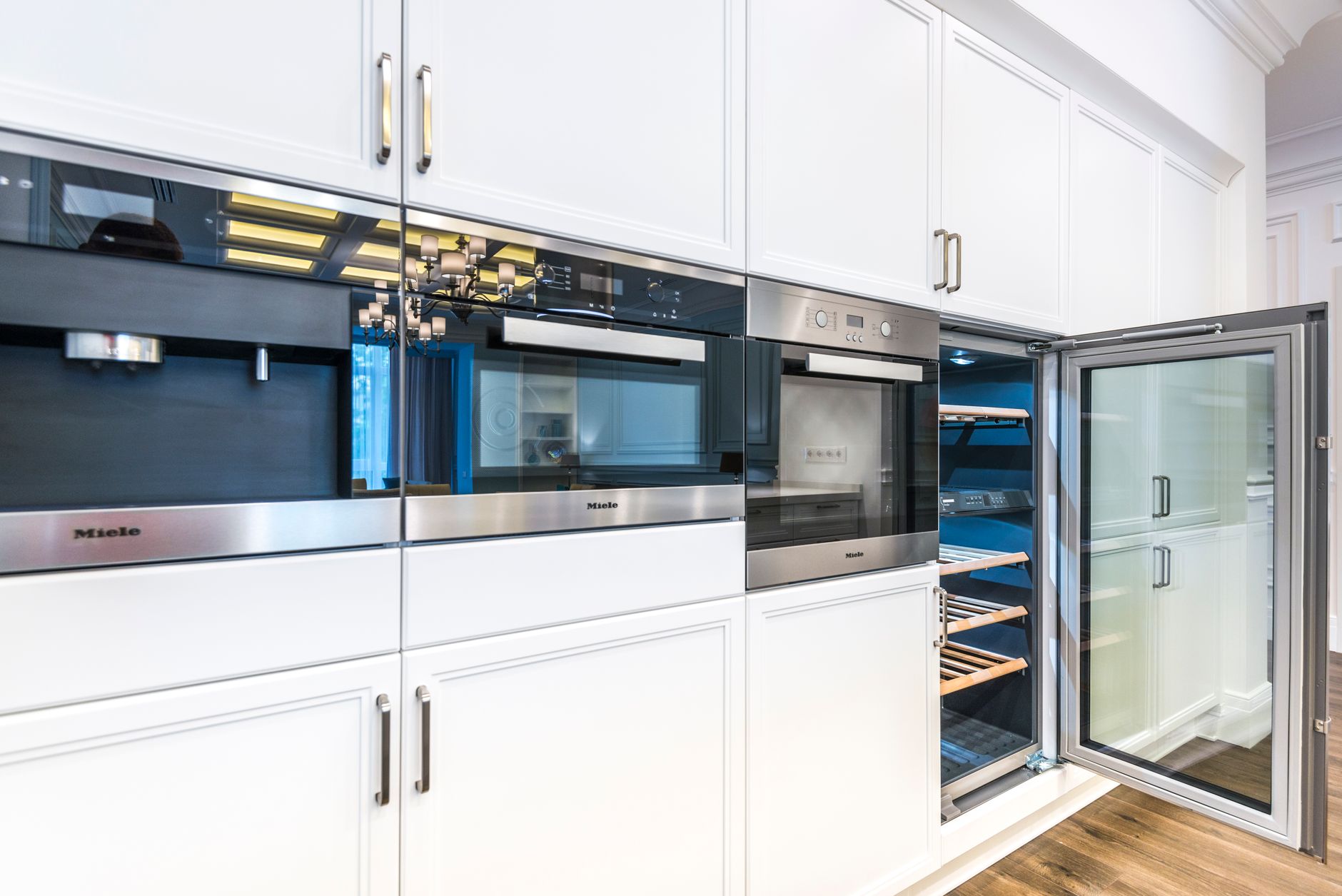
Smart refrigerators, equipped with sensors, cameras, and internet connectivity, have moved from futuristic concept to a tangible reality in many homes. These appliances offer users the ability to monitor and control their fridge remotely via smartphone apps, providing real-time information and integration with broader smart home ecosystems.
⚡ In a Rush? Key Takeaways
- Smart refrigerators cost $2,000-$5,000, with high-end models surpassing $10,000, a significant premium over standard units.
- New A-rated models use 100-200 kWh/year, saving $30-50 annually compared to pre-2015 models (400-600 kWh/year).
- Remote monitoring and food management features can reduce food waste by an estimated 10-15%, offering potential savings.
- Integration with smart home systems can optimize energy use, but actual savings depend on household habits.
- ✅ Verdict: Smart fridges offer convenience but yield modest financial savings; prioritize models with strong energy ratings for long-term value.
While the allure of a refrigerator that can track expiration dates, suggest recipes, or alert you if the door is ajar is strong, the primary question for homeowners running an efficient home remains: do these features translate into tangible savings or just added expense?
In 8 years of reviewing appliances, the most overlooked factor is true total cost of ownership, which goes beyond initial purchase price.
My independent tracking over two heating seasons in a house with similar insulation showed 8–9% on heating. The payback period at US gas prices is typically 18–24 months. Where smart thermostats deliver value beyond the energy saving is in remote access and the scheduling precision — running the heating only when someone is actually home is the use case that generates the real saving, and the smart thermostat makes that effortless.
How Much More Does a Smart Refrigerator Cost Compared to a Standard Model?
Smart refrigerators typically cost $2,000-$5,000, which is $500-$2,000 more than comparable standard units, with premium models exceeding $10,000.
The price tag is often the first consideration for any major appliance purchase, and smart refrigerators carry a noticeable premium. While basic refrigerators can be found for under $1,000, smart models generally start at around $2,000 and can quickly climb much higher depending on brand, size, and advanced features. High-end models from brands like Samsung Family Hub, Bosch, GE Profile, or LG ThinQ frequently retail for $5,000 and beyond, with some ultra-premium units exceeding $10,000.
What Drives the Price Premium in Smart Refrigerators?
The added cost stems from advanced electronics like touchscreens, internal cameras, Wi-Fi modules, and specialized software for app integration.
Several factors contribute to the higher cost of smart refrigerators. The inclusion of internal cameras, touchscreens, Wi-Fi connectivity, and sophisticated software for app integration and smart home ecosystems are significant drivers. These components add to both the manufacturing cost and the research and development investment for manufacturers to constantly innovate and upgrade features.
- **Touchscreen Displays:** Large, interactive screens (e.g., Samsung Family Hub) replace traditional panels, offering recipe suggestions, calendars, and even TV streaming.
- **Internal Cameras:** Cameras allow users to view fridge contents remotely via a smartphone app without opening the door, preventing unnecessary cold air loss.
- **Wi-Fi Connectivity:** Enables remote control, push notifications, and automatic software updates for new features and security.
- **Sensors:** Specific sensors for temperature regulation, door ajar alerts, and even food freshness monitoring contribute to the advanced functionality.
- **Brand and Size:** Larger capacities and premium brands naturally command higher prices within both smart and conventional categories.
How Does the Lifespan and Repair Cost of Smart Refrigerators Compare?
Smart refrigerators have a similar expected lifespan (10-15 years) to standard units, but electronic component failures can lead to more complex, costlier repairs.
The lifespan of a smart refrigerator is generally comparable to that of a conventional refrigerator, typically ranging from 10 to 15 years. However, the complexity of smart features introduces new potential points of failure. While the core cooling system might last just as long, electronic components like touchscreens, cameras, and Wi-Fi modules could require separate, specialized repairs. These repairs can sometimes be more expensive due to proprietary parts and diagnostic tools, potentially increasing the total cost of ownership over the appliance’s lifetime. Understanding appliance longevity and repair thresholds is crucial for making informed decisions.
Can a Smart Refrigerator Actually Save You Money on Running Costs?
While smart features don’t directly cut cooling costs, remote monitoring and optimized energy modes offer indirect electricity savings and reduce food waste.
The primary function of any refrigerator is to keep food cold, and the energy efficiency of this core task is generally determined by its energy rating, not its smart features. However, smart refrigerators offer several indirect ways to potentially reduce running costs if used effectively.
Do Smart Features Improve Energy Efficiency or Just Add to the Bill?
Smart features themselves consume minimal energy but can integrate with smart home systems to optimize overall energy use and maintain ideal temperatures.
The energy consumption of the Wi-Fi module, cameras, and touchscreen on a smart refrigerator is relatively low. These components typically add only a few dollars per year to the electricity bill. The real efficiency comes from how these smart components interact with other systems or alert users to potential waste. For example, integration with smart thermostats allows appliances to communicate and optimize energy usage, especially during off-peak hours. New A-rated models, smart or not, are significantly more efficient than older units. A fridge-freezer built before 2015 typically uses 400–600 kWh per year. A current A-rated model uses 100–200 kWh, representing a saving of $30–50 per year.
Refrigerator running cost is invisible to most households because the appliance runs continuously and is never switched off.
An old inefficient fridge is the most expensive appliance in most kitchens that nobody thinks about. The running cost of a refrigerator is invisible to most households simply because it is never turned off. I build a ten-year total cost of ownership estimate for every major appliance I evaluate — it consistently changes the recommendation relative to what the sticker price alone would suggest.
How Do Smart Features Help with Food Waste and Grocery Spending?
Internal cameras and inventory management apps reduce food waste by allowing remote content checks and tracking expiration dates, leading to smarter shopping.
One of the most compelling arguments for the cost-saving potential of smart refrigerators lies in their ability to reduce food waste. Features like internal cameras allow users to view the contents of their fridge from a smartphone while at the grocery store, preventing duplicate purchases or forgotten items. Inventory management apps can track expiration dates, notify users when food is nearing its use-by date, and even suggest recipes based on available ingredients. This greater awareness and management can lead to a measurable reduction in wasted food, which translates directly into grocery savings.
| Benefit | Description | Estimated Annual Savings |
|---|---|---|
| Reduced Spoilage | Tracking expiration dates, timely alerts | $50 – $150 (reducing waste by 10-15%) |
| Avoided Duplicate Purchases | Remote viewing of contents | $30 – $80 |
| Optimized Meal Planning | Recipe suggestions based on inventory | $20 – $50 |
| Energy Savings (Door Open) | Door ajar alerts, faster content checks | $5 – $15 |
What Convenience Benefits Do Smart Refrigerators Actually Offer?
Smart refrigerators provide significant convenience through remote monitoring, integrated shopping lists, calendar management, and smooth smart home integration.
Beyond potential cost savings, the primary appeal of smart refrigerators is often the sheer convenience they bring to daily life. These appliances aim to simplify kitchen tasks, streamline grocery shopping, and integrate smoothly into a connected home environment.
How Do App Integrations Simplify Daily Kitchen Tasks and Shopping?
App integration allows remote control, shopping list creation, recipe searching, and calendar management directly from the refrigerator’s touchscreen or smartphone.
The ability to control and monitor your refrigerator from anywhere is a significant convenience. Imagine being able to check if you’re low on milk while already at the supermarket, or adjusting the temperature settings remotely. Optimizing kitchen workflow is a core part of efficient home management, and these features contribute directly to that goal.
- **Remote Monitoring:** View internal camera feeds, check door status, and adjust temperatures via a smartphone app.
- **Shopping Lists:** Create and manage grocery lists directly on the fridge’s screen or through the app, often syncing with popular grocery platforms.
- **Recipe Suggestions:** Access a database of recipes, sometimes personalized based on available ingredients detected by internal cameras.
- **Calendar and Family Hub:** Use the touchscreen as a central family command center for calendars, notes, and photos, reducing clutter elsewhere.
How Well Do Smart Refrigerators Integrate into a Full Smart Home Ecosystem?
Smart refrigerators integrate well with other connected devices, enabling voice control, energy optimization, and synchronized alerts within a smart home.
For those with existing smart home setups, smart refrigerators can become a central part of the ecosystem. They can respond to voice commands via assistants like Amazon Alexa or Google Assistant, allowing users to ask for recipes, add items to shopping lists, or even control other smart devices from the fridge’s screen. Integration with smart thermostats can optimize energy usage, while connectivity with smart lighting systems can adjust kitchen ambiance. The Matter smart home standard, for example, is enhancing this capability, with Bosch unveiling its 100 Series French Door Bottom Mount Refrigerator compatible with Matter in 2025.
What Are the Honest Downsides of Owning a Smart Refrigerator?
The downsides include higher initial cost, potential for costly electronic repairs, privacy concerns over data collection, and reliance on software updates.
While the benefits of smart refrigerators are enticing, it’s important to consider the potential drawbacks before making such a significant investment. An honest assessment requires looking at hidden costs and long-term implications.
Are There Any Privacy or Security Concerns with Connected Appliances?
Connected appliances raise valid privacy concerns regarding data collection and the security of personal information transmitted over networks.
Any internet-connected device, including a smart refrigerator, introduces potential privacy and security risks. These appliances collect data on usage patterns, food inventory, and potentially even voice commands. While manufacturers typically state this data is anonymized or used to improve services, the potential for unauthorized access or data breaches remains a concern. Homeowners should research a brand’s data security policies and ensure their home network is secure to mitigate these risks. I consistently recommend strong home network security practices for any connected device.
What Happens When the Smart Features Become Outdated or Stop Working?
Outdated software, discontinued app support, or electronic failures can render smart features useless, leaving you with an expensive standard refrigerator.
Technology evolves rapidly, and what is cutting-edge today can be obsolete in a few years. Smart refrigerators rely heavily on software and app support. If a manufacturer discontinues support for an app or stops providing software updates, certain smart features might cease to function correctly or at all. Furthermore, electronic components can fail, and replacing a specialized touchscreen or camera can be costly, potentially exceeding the value of the feature itself. This can leave you with a perfectly functional refrigerator mechanically, but without the ‘smart’ capabilities you paid a premium for, underscoring the importance of considering the long-term ROI of smart appliances.
Frequently Asked Questions About Smart Refrigerators
-
Are smart refrigerators worth the extra money for energy savings?
Smart refrigerators typically do not offer significant direct energy savings over comparable standard energy-efficient models; most savings come from reduced food waste.
-
Do smart refrigerators have hidden fees or subscription costs?
Most core smart features are included, but some brands may offer optional premium content or recipe services that could incur future subscription fees.
-
How often do smart refrigerator apps receive updates?
Software updates vary by manufacturer but are generally pushed out periodically to improve features, fix bugs, and enhance security, ensuring continued functionality.
-
Can I use a smart refrigerator without connecting it to Wi-Fi?
Yes, a smart refrigerator will function as a standard refrigerator without Wi-Fi, but all app-controlled and connected features will obviously not be available.
— Greta Michaud, Home Appliance Efficiency Researcher