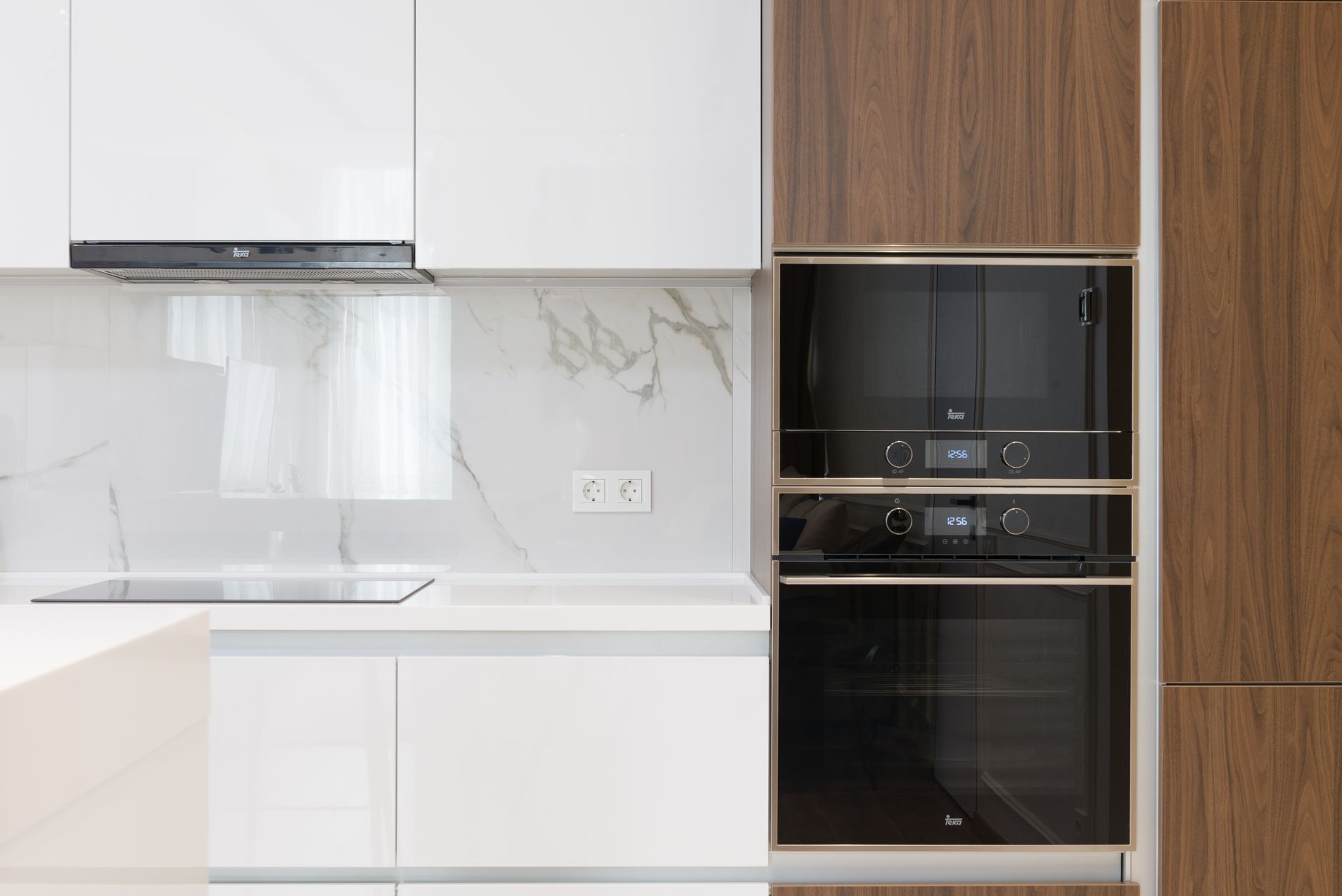
When upgrading your kitchen, the decision often comes down to individual appliance purchases or pre-selected bundles. Both approaches offer distinct advantages and drawbacks, particularly concerning overall cost, installation convenience, and long-term utility. Understanding whether a bundle genuinely offers better value is crucial for any homeowner looking to manage their budget effectively in 2026.
⚡ In a Rush? Key Takeaways
- Kitchen appliance bundles typically offer 10-20% discounts compared to buying items separately.
- Entry-level bundles can start from $2,500, while luxury packages exceed $30,000.
- Installing a full bundle simultaneously saves an average of $200-$500 in labor costs.
- Individual purchases allow for specific brand and feature selection, avoiding unwanted items.
- ✅ Bundles are best for full kitchen remodels; individual purchases suit targeted upgrades and specific needs.
Do Kitchen Appliance Bundles Offer Real Cost Savings Over Individual Purchases?
Yes, kitchen appliance bundles typically offer cost savings of 10-20% on the total price compared to purchasing each unit separately, plus reduced shipping and installation fees.
One of the primary motivations for considering an appliance bundle is the promise of significant cost reduction. Retailers and manufacturers frequently incentivize these packages, offering discounts that make the combined price notably lower than if you were to buy a refrigerator, range, microwave, and dishwasher individually.
These discounts can range from 10% to 20% or even more during special promotions. For instance, a suite of four major appliances that might retail for $8,000 individually could be priced at $6,800-$7,200 as a bundle. This immediate saving is often the most compelling factor for homeowners.
How Do Bundled Discounts Compare to Individual Deals?
Bundled discounts are typically manufacturer-driven promotions that exceed individual sale prices, though individual clearance items can sometimes offer deeper, but isolated, savings.
While individual appliances are often subject to sales and promotions, bundled discounts are usually a structured offering from the manufacturer or a large retailer aiming to move multiple units. These are not simply aggregated individual sales but specific price reductions applied when a certain number of appliances from the same brand or series are purchased together.
For example, a retailer might offer 15% off when you buy three or more KitchenAid appliances or a fixed dollar amount off a Samsung suite. This often outpaces typical 5-10% discounts on single items. However, an end-of-line or open-box deal on a single appliance might offer a steeper percentage cut, but that saving applies only to that one item.
- **Bundle Savings:** Consistent percentage or dollar amount off the total, applies to multiple items.
- **Individual Savings:** Varies greatly, from minor sales to significant clearance discounts on single units.
- **Strategic Timing:** Bundles are often promoted during holiday sales or kitchen remodel seasons.
- **Brand Loyalty:** Bundles encourage buying from a single brand, sometimes limiting choice.
What About Hidden Costs for Kitchen Appliance Bundles?
Commonly overlooked costs for bundles include professional installation for gas lines, dedicated electrical circuits, and trim kits for integrated models, which can add hundreds of dollars.
While bundles reduce the purchase price, they don’t always eliminate all associated expenses. Installation can present hidden costs, especially during a full kitchen remodel. For example, if you’re upgrading to a gas range from an electric one, you’ll need professional gas line installation, which can cost $150-$500. Similarly, certain high-powered appliances like double ovens or professional-grade refrigerators may require dedicated electrical circuits, adding to the electrician’s bill.
Another often-forgotten expense is the cost of delivery and removal of old appliances. While many retailers offer discounted or free delivery for bundles, removal fees can still apply. Additionally, integrated or built-in appliances often require custom cabinetry or specific trim kits, which are separate purchases and can further escalate the overall project cost. Always clarify what’s included in the bundle price beyond the appliances themselves.
Are There Practical Advantages to Buying Kitchen Appliances as a Package?
Yes, practical advantages include matching aesthetics, simplified planning, reduced shipping costs, and consolidated installation, making the process smoother for significant kitchen overhauls.
Beyond the financial incentives, appliance bundles offer several practical benefits that simplify the often-complex process of outfitting a kitchen. These advantages contribute to a smoother project timeline and a more cohesive final look.
Does a Bundle Simplify Kitchen Remodel Planning and Installation?
Yes, buying a bundle streamlines planning by ensuring uniform sizing and specifications, and professional installers can complete all work in a single, more efficient visit.
When undertaking a kitchen remodel, coordinating individual appliance deliveries and installations can be a logistical challenge. Bundles significantly simplify this process. All appliances within a bundle are typically shipped together, reducing the number of delivery appointments. This also allows for consolidated installation.
Professionals skilled in installing multiple types of appliances can complete the entire suite in a single visit, saving time and potentially reducing labor costs compared to multiple visits for individual units. This integrated approach also minimizes potential miscommunication about appliance specifications or placement, as the entire suite is designed to work together stylistically and functionally.
I find that for new kitchen installations or major remodels, having everything arrive on the same day not only saves time but also minimizes disruptions. My own appliance cost calculator factors in these labor savings.
Are There Benefits to Aesthetic Cohesion with Bundles?
Absolutely, bundles ensure a consistent visual design, finish, and handle style across all major kitchen appliances, creating a polished and harmonious look in the space.
One of the most noticeable benefits of an appliance bundle is the aesthetic cohesion it brings to a kitchen. When you purchase a refrigerator, range, microwave, and dishwasher from the same manufacturer and series, they are designed to match perfectly. This means consistent finishes (e.g., stainless steel, black stainless, matte white), handle styles, and control panel aesthetics.
This uniformity creates a more polished, contemporary, and intentional look than a mix-and-match approach. While some homeowners prefer eclecticism, for those desiring a sleek and integrated kitchen design, bundles are an effortless way to achieve a high-end, custom appearance without the extensive design planning. It’s a subtle but powerful element of home decor that enhances the overall feel.
- **Matching Finishes:** Ensures all appliances have the same color, sheen, and material.
- **Consistent Handles:** All units feature identical handle designs for a unified look.
- **Aligned Interfaces:** Control panels and displays often share a similar layout and font.
- **Perceived Value:** A cohesive suite can enhance the perceived value of your kitchen.
The efficiency of home organization also benefits from a unified aesthetic, as visual clutter is reduced.
When Should You Buy Kitchen Appliances Individually Instead of in a Bundle?
Individual purchases are superior when you only need one or two specific appliances, have strict budget constraints for one item, or prioritize specific features or brands not available in a bundle.
While bundles offer many advantages, they are not always the best solution for every homeowner. There are specific scenarios where buying appliances individually makes more practical and financial sense.
Do Individual Purchases Offer More Flexibility and Customisation?
Yes, individual purchases allow complete freedom to choose different brands or models for each function, enabling precise customization for performance, features, and budget.
Buying appliances individually provides unparalleled flexibility. If you have a strong preference for a particular refrigerator brand known for its reliability, a range from a manufacturer famous for its cooking performance, and a quiet dishwasher from another, individual purchasing is the only route. Bundles typically restrict you to a single brand or a limited selection within that brand’s offerings.
This flexibility extends to features as well. You can opt for a high-end refrigerator with smart features while choosing a more basic, budget-friendly microwave. This allows you to allocate your appliance budget more strategically, investing in the features that matter most to you for each specific appliance. This is particularly relevant if you’re not replacing your entire kitchen at once.
Is it Cheaper to Replace a Single Appliance Individually?
Yes, if only one appliance needs replacing, purchasing it individually is almost always cheaper than buying a bundle that includes unnecessary items simply for a discount.
If your refrigerator breaks down, but your range, dishwasher, and microwave are still in excellent working condition, it rarely makes sense to buy a bundle. The cost of purchasing an entire suite of appliances to replace just one faulty unit—even with a bundle discount—will significantly outweigh the cost of a single replacement. For example, replacing a refrigerator could cost $1,000-$2,000. Even with a 15% bundle discount, buying a $7,000 suite would cost over $5,000 more than necessary.
In such cases, focusing on finding the best individual deal for the specific appliance you need is the most cost-effective approach. This might involve looking at sales, clearance items, or open-box deals. My research into washing machine running costs has shown that targeting repairs or individual replacements is often more economical than premature full-system upgrades.
Here’s a comparison of typical costs:
| Scenario | Individual Purchase (Estimated) | Bundle Purchase (Estimated) | Savings Analysis |
|---|---|---|---|
| Replacing a single refrigerator | $1,200 – $2,500 | $2,500 – $30,000 (full bundle) | Individual purchase is clearly cheaper; bundle is impractical. |
| Upgrading full kitchen, mid-range | $6,000 – $10,000 | $5,000 – $8,000 | Bundle saves 10-20% on overall purchase price. |
| Targeting a high-end pro range | $3,000 – $8,000 (range only) | $15,000 – $30,000 (luxury bundle option) | Individual allows investment in one key appliance without overspending on others. |
In my experience, when only one or two items are needed, the appliance intelligence points to individual purchase, focusing on durability and efficient running costs for that specific unit.
📊 **Efficiency Verdict — Greta Michaud**
Kitchen appliance packages range from $2,500 for entry-level to over $30,000 for high-end. The most cost-effective bundles offer **10-20% savings** over individual purchases, typically saving $500 to $2,000 on a mid-range suite. At installation, a bundle can save **$200-$500 in labor costs** by consolidating visits. *However, an individual purchase is always more cost-effective for replacing just one appliance.*
Are There Specific Appliance Categories That Don’t Benefit from Bundles?
Yes, specialty appliances like wine coolers, coffee makers, or unique ventilation hoods are often better purchased individually as they are rarely included in standard kitchen bundles.
Standard appliance bundles typically include the core four: refrigerator, range (or separate cooktop and oven), dishwasher, and often a microwave. However, kitchens frequently feature other important appliances that aren’t part of these standard packages. This includes items like built-in coffee machines, wine refrigerators, warming drawers, or highly specialized ventilation hoods.
For these specialty items, you’ll almost always need to purchase them individually. Trying to force them into a bundle that doesn’t fit their niche can lead to compromises in function or aesthetics. This also provides an opportunity to source these items from specialty manufacturers who excel in those specific categories, rather than being limited to the primary appliance brand.
Based on our efficiency data, purchasing an entire suite of matching appliances consistently provides significant initial cost savings and logistical benefits when undergoing a complete kitchen overhaul. This is why our top pick for full remodels is to explore the robust offerings from established brands that offer complete packages.
Frequently Asked Questions About Kitchen Appliance Bundles
-
Do appliance bundles come with the same warranty as individual appliances?
Yes, each appliance within a bundle typically carries its standard manufacturer’s warranty, identical to if it were purchased individually, ensuring consistent consumer protection.
-
Can I mix and match brands within an appliance bundle?
No, appliance bundles are almost exclusively offered by a single manufacturer to maintain brand consistency and leverage internal sales structures, limiting cross-brand mixing.
-
What is the average lifespan of appliances in a bundle?
The average lifespan for appliances in a bundle is 10-15 years for refrigerators and ranges, and 8-10 years for dishwashers and microwaves, comparable to individually purchased units.
-
Are luxury appliance brands available in bundles?
Yes, many luxury appliance brands offer high-end bundles starting at $15,000 and exceeding $30,000, allowing for premium features and aesthetics in a cohesive suite.
-
Does buying a bundle impact resale value of my home?
Yes, an aesthetically cohesive and functionally modern appliance bundle can enhance a home’s perceived value and appeal to potential buyers during resale, particularly in newly renovated kitchens.
— Greta Michaud, Home Appliance Efficiency Researcher