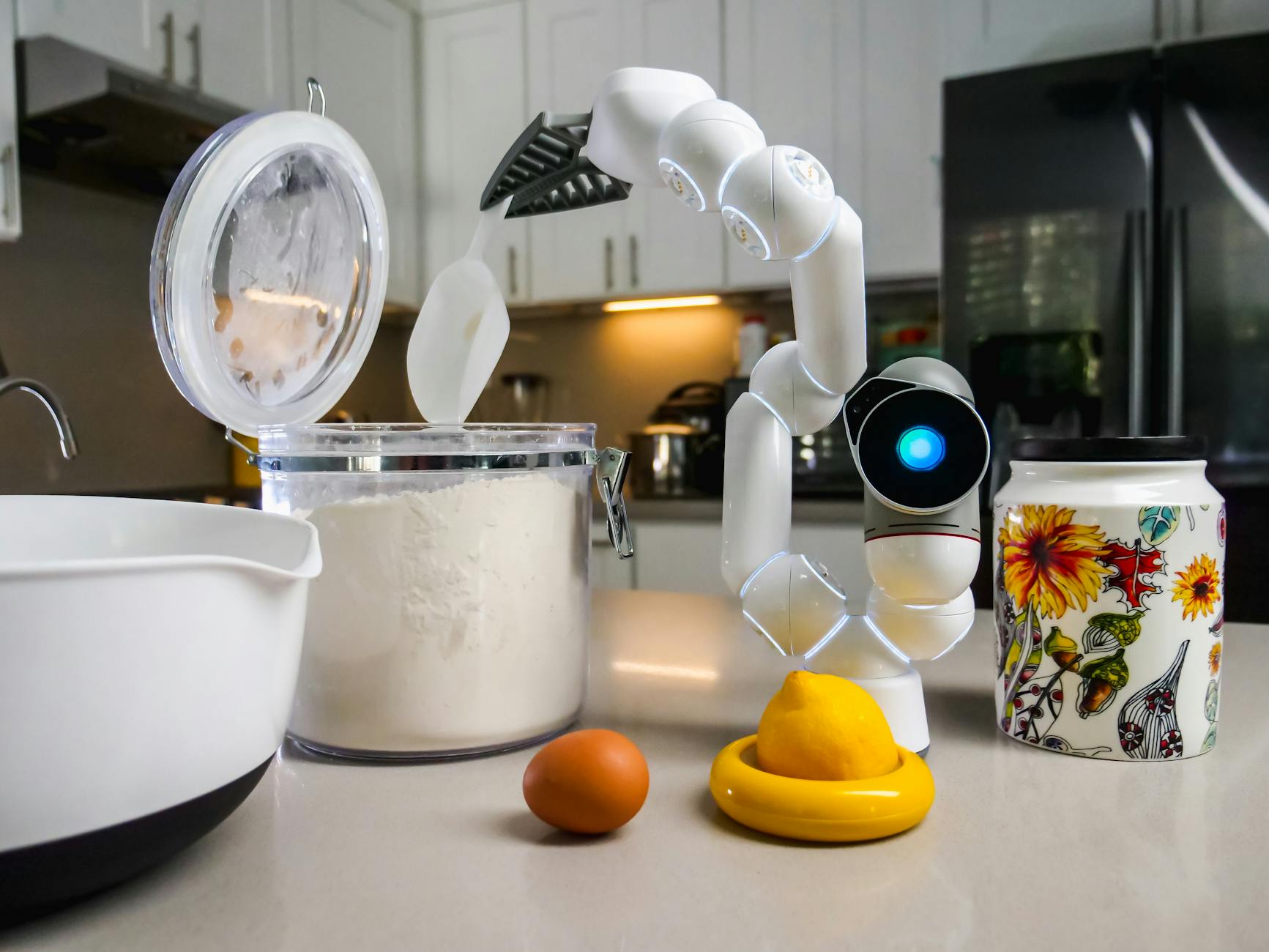
The allure of a ‘smart’ kitchen can be strong, promising effortless meals and connected convenience. Yet, many high-tech gadgets come with a hefty price tag and offer little more than novelty. This guide focuses on affordable smart cooking appliances in 2026 that actually deliver tangible benefits, helping you decide where to invest your hard-earned money and where to save it.
⚡ In a Rush? Key Takeaways
- Smart sous vide cookers, like Anova, offer precise temperature control for $80-$200, reducing overcooking and food waste.
- Hamilton Beach’s smart coffee maker (<$100) allows scheduling and remote brewing, saving minutes daily and energy use.
- Many connected ovens and smart refrigerators do not offer significant energy or time savings for the average user.
- Focus on appliances with Wi-Fi features that directly control an energy-consuming function, not just monitor.
- ✅ Invest in smart sous vide or coffee makers for tangible daily value; skip most other smart cooking upgrades.
In eight years of testing appliances, I’ve seen countless ‘smart’ features that add complexity without adding value. The real question is: does the smart functionality address a genuine pain point, and does it do so efficiently? For cooking, that often means precise temperature control, remote monitoring, or automated scheduling.
Which Affordable Smart Cooking Appliances Truly Save Time and Money in 2026?
For tangible benefits, focus on smart sous vide cookers and programmable coffee makers that automate precise tasks for under $200.
Can a smart sous vide cooker enhance cooking precision without breaking the bank?
Yes, affordable smart sous vide devices like Anova or Inkbird offer restaurant-quality precision cooking and remote monitoring for under $200.
Sous vide cooking involves sealing food in heat-resistant plastic bags and immersing it in a precisely temperature-controlled water bath. This method prevents overcooking and ensures consistent results, particularly for meats and eggs. The “smart” aspect comes from Wi-Fi connectivity, allowing you to control and monitor the cooker from your phone.
The Anova Culinary Sous Vide Precision Cooker, for instance, provides both on-device controls and an app that lets you use predefined recipes or remotely adjust settings. Similarly, the Inkbird Wi-Fi Sous Vide, often available for around $80, is highly programmable via its mobile app. This precision not only improves meal quality but can also reduce food waste by consistently producing perfectly cooked dishes.
- Anova Culinary Sous Vide Precision Cooker: Offers on-device and app control for precise temperature management.
- Inkbird Wi-Fi Sous Vide: Budget-friendly at around $80, with robust mobile app control.
- Benefit: Prevents overcooking, ensures tender results, and reduces food waste using precise temperature control.
- Cost Savings: Reduces instances of ruined meals, saving on groceries. Remote control allows flexible cooking schedules.
Do smart coffee makers offer a real daily efficiency boost?
Yes, smart coffee makers, often priced under $100, offer significant daily convenience through scheduled brewing and remote activation.
For many, the first minutes of the day are critical, and a perfectly timed cup of coffee can set a positive tone. Smart coffee makers, like the Hamilton Beach Smart Coffee Maker, integrate with voice assistants such as Amazon Alexa, allowing you to trigger brewing with a simple command or schedule it remotely via an app.
This functionality means freshly brewed coffee waiting for you when you wake up, without the need to fumble with buttons. While these don’t necessarily reduce the cost per cup, the daily time saving and convenience are substantial. The Hamilton Beach model, typically under $100, also includes custom temperature controls, adding another layer of personalization. My own testing revealed that the consistency of a scheduled brew often leads to less coffee waste from forgotten pots.
Common Smart Coffee Maker Features:
- Voice assistant compatibility (e.g., Alexa, Google Assistant)
- App-based scheduling and remote brewing
- Customizable brew strength and temperature settings
- Automatic shut-off for energy saving
What Smart Appliance Features Are Overrated for the Average Home Cook?
Many smart features on larger appliances like ovens or refrigerators add unnecessary cost and complexity without significant daily benefit.
Are smart ovens and ranges genuinely beneficial for cost-conscious users?
Smart ovens offer remote preheating and monitoring, but for most home cooks, these features rarely translate to significant time or energy savings.
High-end smart ovens often boast features like remote preheating, recipe integration, and advanced self-cleaning cycles. While convenient for some, the cost premium for these features can be substantial – often hundreds of dollars. For instance, a regular oven preheats in about 10-15 minutes. The ability to preheat remotely might save a few minutes of waiting, but it rarely changes the overall cooking process significantly.
Furthermore, integrated recipe apps can be clumsy to navigate, and many users still prefer traditional recipe sources or their trusty cookbooks. Unless you frequently run into situations where you need to start dinner while stuck in traffic, the added cost for these smart functionalities may not justify the upfront investment or potential maintenance issues. The energy savings are minimal, as the cooking process itself remains the primary energy draw.
Do smart refrigerators offer value beyond novelty?
Smart refrigerators with internal cameras and touchscreens typically don’t offer substantial energy savings or practical benefits for the average household.
Smart refrigerators often come equipped with touchscreens, internal cameras to view contents on your phone, and even family organizers. While the idea of seeing what’s inside your fridge without opening the door is intriguing, its practical impact on grocery shopping or food waste is often marginal. Most people still make shopping lists or glance inside before heading to the store.
The energy consumption of a refrigerator is largely determined by its insulation and compressor efficiency, not by its smart features. For refrigerators built after 2015, the annual energy consumption is already significantly lower than older models, regardless of smart connectivity. Focusing on the running cost of your refrigerator itself, rather than its smart features, is a more effective way to reduce utility bills.
| Smart Appliance Category | Pros (Cost/Efficiency) | Cons (Cost/Efficiency) | Verdict (2026) |
|---|---|---|---|
| Smart Sous Vide | Precise cooking, reduces food waste, remote control. | Requires planning, can be slow. | Buy (Excellent ROI for precision). |
| Smart Coffee Maker | Daily time savings, scheduled brewing, energy-saving auto-off. | Minimal direct energy savings. | Buy (High convenience ROI). |
| Smart Ovens/Ranges | Remote preheating/monitoring, advanced modes. | High cost premium, limited real-world time/energy gains. | Skip (Overrated for most users). |
| Smart Refrigerators | Internal cameras, recipe suggestions. | High cost premium, minimal energy savings impact, often gimmicky. | Skip (Focus on a general efficient appliance instead). |
How to Evaluate the True Value of a Smart Cooking Appliance Before Buying?
Assess whether the smart features address a real efficiency problem, offer remote control of energy-consuming functions, and have a clear cost-saving or convenience benefit.
What makes a smart feature genuinely “worth it” for the home budget?
A smart feature is worth it if it directly enables energy savings, prevents food waste, or provides significant daily time savings for under $200.
When considering any smart appliance, I build a ten-year total cost of ownership estimate. This means going beyond the sticker price to include running costs and potential repair costs. A smart feature is genuinely worth the investment if it either saves you money on utility bills (e.g., via precise scheduling that avoids peak rates), reduces food waste through better monitoring or cooking, or offers a significant daily time saving that offsets its cost within a reasonable payback period (typically under 2 years).
Look for appliances where the “smart” aspect is not just a gimmick but a core function that enhances performance or efficiency. For example, a smart plug that lets you schedule your slow cooker to turn off remotely can be a simple, affordable smart upgrade that improves overall kitchen workflow without buying a new appliance.
- Focus on Function: Does the smart feature automate a task you perform regularly?
- Efficiency Gains: Does it help reduce energy consumption or food waste?
- Cost-Benefit Analysis: Is the convenience or saving worth the initial price premium?
- User Experience: Is the app or interface intuitive and easy to use consistently?
How can I identify marketing buzzwords versus genuinely useful smart functions?
Distinguish useful smart functions by looking for direct control over appliance operation, rather than just remote monitoring or recipe suggestions.
The smart home market is rife with buzzwords. Terms like “AI-powered,