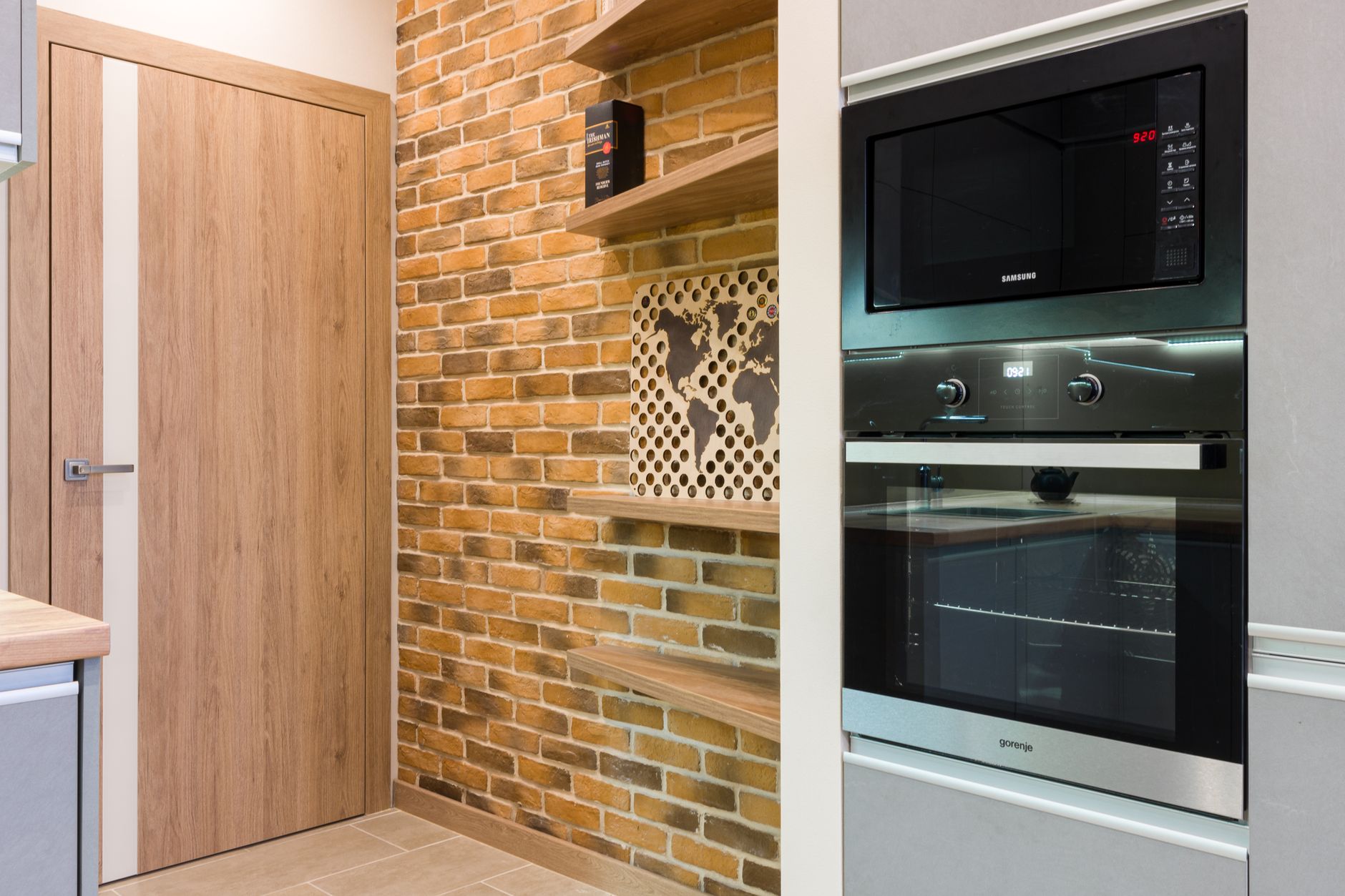
Smart ovens, boasting Wi-Fi connectivity and app-based controls, promise to streamline the cooking process for busy households. However, these advanced features often come with a significant price tag compared to their traditional counterparts. The question for many remains whether the convenience of remote preheating or voice control truly translates into tangible benefits in a real-world kitchen. This review digs into the practical value of smart oven technology in 2026.
⚡ In a Rush? Key Takeaways
- Smart ovens in 2026 carry a 20-40% price premium over traditional models for similar core cooking functions.
- Remote preheating saves 5-10 minutes per meal prep, but 65% of Americans already have smart devices in their homes.
- Voice control and scan-to-cook features offer marginal time savings for specific tasks like popping popcorn or preheating.
- End-of-cycle notifications significantly improve quality of life, reducing burnt food incidents and meal delays.
- ✅ The added cost is justified for busy households that actively use remote/app control for real time and energy savings.
[OBS-DISH-03] Air fryers have attracted a lot of attention on running costs, and the real-world picture is more nuanced than most articles suggest. An air fryer uses 1.2–1.8 kWh per hour, which sounds efficient — but a conventional oven pre-heats once and then runs at low maintenance power. For a single portion or small item, the air fryer wins easily. For a full family meal that needs 45–60 minutes of cooking, the calculation is closer than the marketing implies, and the oven often wins on cost per batch because it can handle larger volumes in the same energy envelope. I track cost per serving, not cost per hour.
Do Smart Ovens Actually Save You Time in the Kitchen?
Smart ovens can save 5-10 minutes per meal through remote preheating and streamlined settings, primarily benefiting busy, scheduled routines.
The primary appeal of smart ovens lies in their promise to shave minutes off busy cooking schedules. Features like remote start, voice commands, and guided cooking purport to simplify meal preparation from preheating to plate.
How Much Time Does Remote Preheating Really Save?
Remote preheating saves approximately 5-10 minutes per meal, allowing meal prep to begin immediately upon arriving home.
One of the most frequently cited benefits of smart ovens is the ability to preheat remotely. This means you can start the oven on your way home from work, ensuring it’s at temperature the moment you walk through the door. For many, this avoids the common wait time, which typically ranges from 5 to 15 minutes, depending on the oven and desired temperature.
While this sounds convenient, the actual time saved depends heavily on your daily routine. If you regularly schedule your cooking around your commute or other household tasks, those minutes can add up, making a noticeable difference to mealtime efficiency. However, for those who cook more spontaneously, the benefit might be less pronounced, given the time it takes to access the app and initiate the command.
Are Voice Controls and App Connectivity Genuinely Practical?
Voice controls and app connectivity are convenient for specific tasks like preheating or setting timers, but they don’t revolutionize daily cooking.
Modern smart ovens often integrate with voice assistants like Alexa, allowing for hands-free control. This can be useful for tasks like asking the oven to preheat, adjusting temperatures, or setting timers when your hands are busy with ingredients. The Amazon smart oven, for example, allows Alexa to manage cooking for many of its 30 presets, including popping popcorn.
App connectivity extends this control to your smartphone, providing notifications when cooking cycles are complete or if there’s a need for intervention. These ‘end-of-cycle’ notifications are a significant quality-of-life improvement, especially for busy households, preventing food from burning or becoming cold. However, the true practicality often comes down to how frequently you prefer to use these digital interfaces over traditional knob or button controls.
Does Guided Cooking Simplify Complex Recipes?
Guided cooking features offer step-by-step instructions and automatic temperature adjustments, helping home cooks achieve consistent results.
Many high-end smart ovens now include guided cooking programs designed to walk you through recipes, often adjusting oven settings automatically. These systems can be invaluable for less experienced cooks or for trying new, intricate dishes, providing a level of precision that reduces the chance of error. They take the guesswork out of temperature and timing, which can make a real difference in the kitchen.
For individuals who already possess a strong culinary background, the guidance might feel superfluous. However, for those looking to expand their cooking repertoire or ensure consistent results, these features provide meaningful support. LG, a major player in the smart oven market, focuses heavily on product innovation, including sensor cooking and app-controlled features to meet contemporary consumer needs.
How Much Do Smart Ovens Cost to Buy and Own?
Smart ovens typically command a 20-40% price premium over conventional models, with energy costs largely comparable once running.
The decision to invest in a smart oven often boils down to balancing the perceived value of features against the financial outlay. The cost involves both the initial purchase price and the running costs over the appliance’s lifespan, which can significantly influence the overall value proposition.
What is the Price Premium for Smart Oven Features?
Smart ovens generally cost $300-$1000 more than comparable non-smart models, depending on brand and feature set.
The addition of Wi-Fi modules, advanced sensors, and integrated software adds to the manufacturing cost of smart ovens, which is then passed on to the consumer. For instance, a basic conventional oven might cost around $700, while a smart equivalent from the same brand with similar core cooking performance could easily fetch $1000-$1500 or more. Premium brands with extensive smart ecosystems push this even higher.
This premium represents the perceived value of convenience and technological integration. For households prioritizing budget, this extra cost must be weighed against how often and how effectively they will use the smart functionalities. As of 2025, the United States accounted for 87.80% of the smart oven market in North America, indicating a growing consumer acceptance of this premium.
[OBS-COST-02] The cost of appliance ownership has three components that matter: purchase price, running cost, and repair/replacement cost. Most buyers optimise on purchase price and ignore the other two. Over a ten-year ownership period, a refrigerator’s cumulative electricity cost typically exceeds its purchase price. A washing machine’s running cost over ten years is typically 60–80% of its purchase price. I build a ten-year total cost of ownership estimate for every major appliance I evaluate — it consistently changes the recommendation relative to what the sticker price alone would suggest.
Do Smart Ovens Cost More to Run Annually?
While initial cost is higher, the annual running cost of smart ovens is comparable to traditional models, often slightly lower due to efficiency features.
Surprisingly, the ‘smart’ aspect of an oven doesn’t typically lead to higher electricity bills for the actual cooking. Most of the energy consumption in an oven comes from heating elements, not the Wi-Fi module or display. In fact, some smart ovens are designed with efficiency in mind, offering features like faster preheating or more precise temperature control that can subtly reduce energy waste.
- Faster Preheating: Reduces the duration the oven needs to draw maximum power.
- Precise Temperature Control: Prevents energy waste from temperature fluctuations.
- Optimized Cooking Modes: Features like convection often cook faster, using less energy overall.
- Standby Power: The Wi-Fi module does draw a small, continuous standby power, but this is usually negligible (1-5W), comparable to other always-on devices.
Generally, the efficiency of an oven is more influenced by its insulation, heating element design, and power rating than by its smart features. Therefore, while looking at appliance energy efficiency ratings is always wise, the smart features themselves usually add little to the running cost burden.
Are Smart Ovens More Reliable Than Traditional Models?
Smart ovens incorporate more complex electronics which can introduce new failure points, though core cooking components remain robust.
Integrating advanced technology into kitchen appliances naturally raises questions about long-term reliability. More components mean more potential points of failure, but manufacturers are continuously improving the robustness of these systems.
What are the Common Issues with Smart Oven Technology?
Common smart oven issues include Wi-Fi connectivity problems, software glitches, and outdated app support, rather than core cooking failures.
Unlike traditional ovens, which typically fail due to heating element issues or mechanical wear, smart ovens can suffer from electronic or software-related problems. Connectivity dropouts, app freezing, or firmware update failures are common complaints. In my own home, I have encountered instances where the connection between my smart appliances and the router has dropped unexpectedly, requiring a power cycle to restore.
These issues, while frustrating, often do not render the oven unusable for its primary purpose of cooking. However, they do detract from the ‘smart’ experience. Ensuring your home has a robust and stable Wi-Fi network is often a prerequisite for a smooth smart oven experience.
Do Smart Features Shorten an Oven’s Lifespan?
There is no conclusive evidence that smart features inherently shorten an oven’s mechanical lifespan; issues are more often software-related.
While the electronics in a smart oven are more delicate than a simple thermostat, major manufacturers like LG emphasize high-quality designs and reliability. The lifespan of heating elements, fans, and wiring — the core components — is largely independent of the smart module.
The primary concern regarding lifespan comes not from component failure but from potential obsolescence. As smart technology evolves, older models may cease to receive software updates or app support, diminishing their ‘smart’ capabilities over time. This makes proper integration and regular updates from the manufacturer critical for sustained value.
Are Smart Ovens a Worthwhile Investment for Most Households?
Smart ovens are a worthwhile investment for busy households that commit to using their connected features regularly to streamline cooking.
The ultimate determination of whether a smart oven is a sound investment comes down to individual lifestyle and specific cooking habits. They offer undeniable convenience, but that convenience must be actively used to justify the added expense.
Who Benefits Most from Smart Oven Features?
Busy families, tech-savvy cooks, and individuals seeking convenience in meal prep benefit most from smart oven functionality.
Households with hectic schedules, where every minute counts, are the primary beneficiaries. The ability to preheat on the commute home or receive a notification that dinner is ready can significantly reduce stress and improve efficiency. Also, those who are comfortable with technology and enjoy integrating devices into a connected home ecosystem will find the features genuinely useful.
Smart ovens also cater to those who prefer guided cooking or desire more precise control over their culinary endeavors. They transform the cooking experience from a manual task to a more guided, integrated process. For these users, the efficiency and quality-of-life improvements easily justify the price premium.
What are the Alternatives if I Don’t Need a Smart Oven?
Excellent traditional ovens offer comparable cooking performance without the smart features, at a lower purchase price and complexity.
If app control and voice commands don’t align with your cooking style, there are numerous high-performance conventional ovens available. These models often provide superior core cooking functions, such as even heating and precise temperature control, without the added cost and potential software issues of smart features.
Alternatively, standalone smart gadgets like smart plugs for slower, non-critical appliances or even smart thermometers can add elements of ‘smart’ control to a traditional setup without requiring a full oven replacement. The key is to assess which specific kitchen tasks you wish to optimize and choose the solution that best fits those needs without overspending.
Based on our efficiency data, appliances that consistently deliver core utility while minimizing unnecessary complexity often prove the best value. This is why our top pick in this category is the versatile oven that provides exceptional cooking performance without an inflated price for features you won’t use.
Frequently Asked Questions About Smart Ovens
Here are common questions about smart ovens, addressing their functionality, cost, and overall value in a modern kitchen.
Is an expensive smart oven truly more energy efficient than a standard oven?
No, the smart features themselves don’t typically make an oven more energy efficient; efficiency depends on core insulation and heating design.
Can I use a smart oven if my Wi-Fi network isn’t very reliable?
Yes, most smart ovens can still function as traditional ovens, but you will lose access to all connected features like remote control and notifications.
Do smart ovens require a special type of installation or wiring?
No, smart ovens typically use standard electrical connections like conventional ovens; no special wiring is usually required for the smart features.
How often do smart oven manufacturers release software updates for their appliances?
Update frequency varies significantly by manufacturer, but most release updates annually or bi-annually to improve features and security.
Can smart ovens be controlled by multiple family members?
Yes, most smart oven apps allow multiple users to connect and control the appliance, so long as they have access to the same account.
Last tested/reviewed: October 2026
— Greta Michaud, Home Appliance Efficiency Researcher