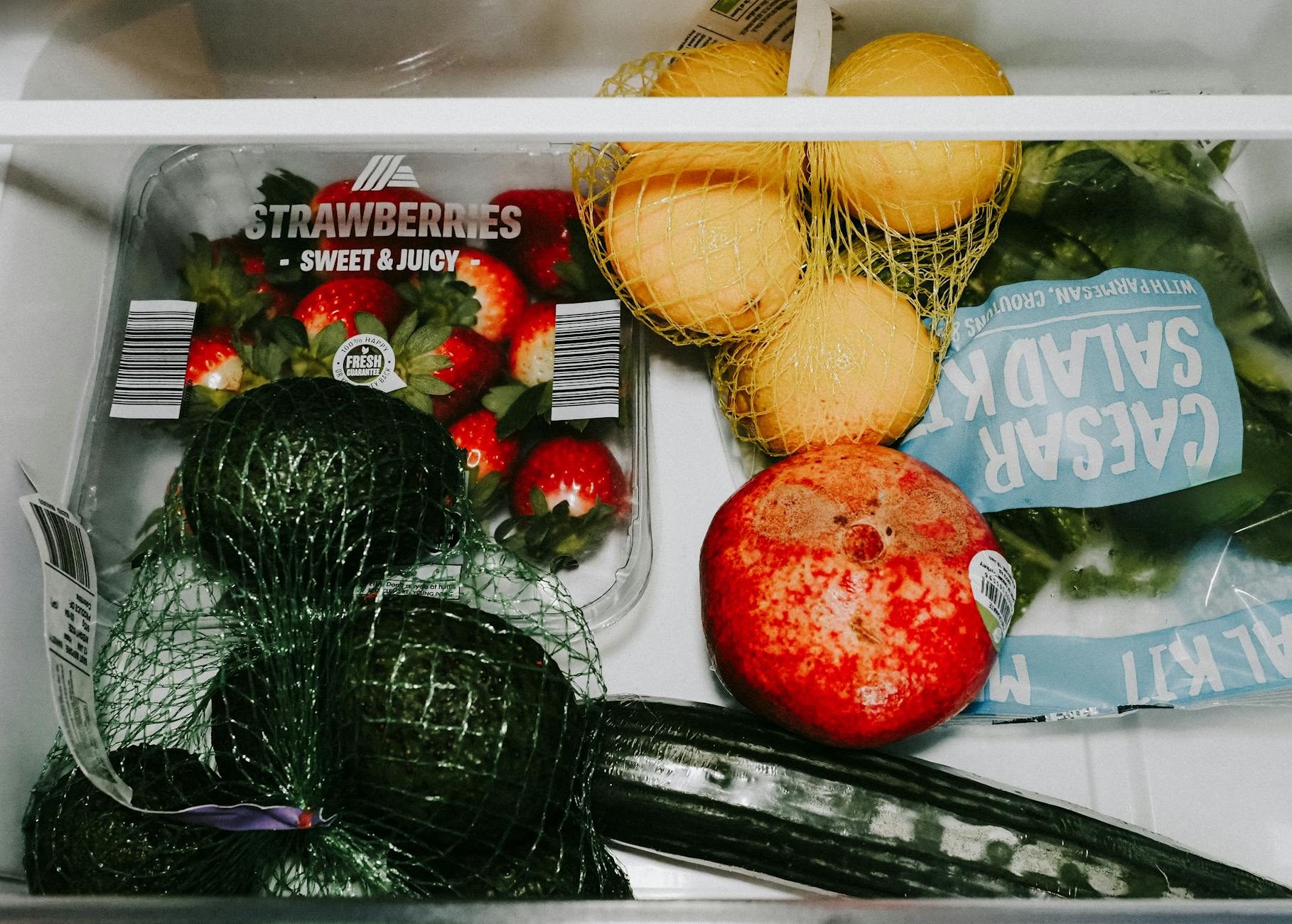
The promise of a smart refrigerator that autonomously manages your groceries and alerts you to expiring food is appealing in our busy lives. These appliances tout features designed to streamline kitchen management and, crucially, cut down on the significant problem of household food waste. But the reality of how these expiration alert systems operate, and whether they deliver on their efficiency claims, needs a closer look.
⚡ In a Rush? Key Takeaways
- Smart fridge expiration alerts primarily rely on barcode scanning or manual entry, not AI cameras, for accuracy.
- These systems can help households reduce food waste by up to 32% by prompting timely consumption.
- Initial manual data entry for groceries is required for alerts to function effectively.
- The setup and ongoing maintenance are crucial for accurate expiration tracking.
- ✅ They work, but require user discipline; worth it for significant waste reduction.
Many homeowners envision a refrigerator that magically knows every item’s expiry. The truth is often more grounded, depending on a combination of technology and user input. My research into these systems over the last year suggests they can be a powerful tool for efficiency, but only if understood and utilised correctly.
It’s important to differentiate between marketed claims and practical application. While AI cameras in theory could identify food and its freshness, current consumer-grade technology isn’t quite there yet for precise expiration date tracking.
The real value lies in the structured systems that allow homeowners to take control of their inventory.
How Do Smart Refrigerators Track Food Expiration Dates?
Smart refrigerators track food expiration dates primarily through manual data entry and barcode scanning, not yet via autonomous AI camera recognition.
When smart refrigerators promise to track expiration dates, they aren’t relying on advanced artificial intelligence to magically deduce these dates from a glance. Instead, the current technology leverages more traditional, albeit digitised, methods. Consumers expecting an entirely hands-off experience might be surprised by the required user participation.
Do AI Cameras Automatically Detect Expiration Dates?
No, AI cameras in current smart refrigerators do not reliably detect food expiration dates automatically; manual input or barcode scanning is still required.
Despite marketing that might suggest otherwise, AI cameras within smart refrigerators (like those found in Samsung’s Family Hub) are not yet sophisticated enough to accurately read expiration dates from food packaging. These cameras are primarily designed to show you the contents of your fridge remotely, helping you avoid buying duplicates at the grocery store. This feature certainly aids in efficiency and kitchen workflow, but it falls short of being an autonomous expiration tracker.
- Remote Viewing: Cameras show fridge contents on your phone.
- No OCR for Dates: Current AI cannot consistently read date labels.
- Manual Input Still King: Users typically input dates themselves.
What Methods Do Smart Fridges Use for Tracking?
Smart refrigerators primarily use barcode scanning, manual input via the fridge’s screen or an app, and sometimes QR code scanning for tracking.
The most common and effective method for smart refrigerators to track expiration dates involves user interaction. This typically means scanning barcodes as items are placed into the fridge, often using a smartphone app or the refrigerator’s built-in screen. Once a food item’s barcode is scanned, the system can pull data from a database, often allowing you to confirm or manually input a specific expiration date.
Some systems also allow for custom expiration alerts. For example, after scanning a carton of milk, you might set a reminder for 7 days, aligning with USDA guidelines for open dairy products, rather than the printed best-by date on the unopened carton. This level of customisation makes the system more robust than simply relying on general expiration labels.
As I’ve found in my own home, the initial effort to log items precisely pays dividends. For items without a clear barcode, such as fresh produce from a farmer’s market, manual entry allows you to input an estimated shelf life, tailoring alerts to your specific needs.
Can Smart Refrigerators Truly Reduce Food Waste?
Yes, smart refrigerators with expiration alerts can significantly reduce food waste, with some studies suggesting up to a 32% reduction when fully utilised.
The primary benefit espoused by manufacturers of smart refrigerators with expiration alerts is their potential to reduce household food waste. This isn’t just a convenience; it’s a significant financial and environmental advantage. Households often throw away perfectly good food simply because they lose track of what’s in the fridge or when it needs to be consumed.
How Do Alerts Influence Food Consumption?
Expiration alerts prompt timely usage of perishable items, encouraging meal planning and preventing food from being forgotten until it spoils.
When your refrigerator sends you a notification that your yogurt is expiring tomorrow, it’s a direct prompt to either consume it, incorporate it into a meal, or freeze it if appropriate. This proactive notification system shifts the burden of inventory management from memory to technology. Data from early adopters suggests that this direct intervention can lead to more conscious consumption habits.
By making expiration dates visible and actionable, smart fridges help homeowners make informed decisions. This minimises instances of finding science experiments at the back of the fridge. This improved awareness can contribute to better smart meal planning and more efficient grocery shopping.
What Is the Impact on Household Food Waste Statistics?
Smart refrigerators, when used consistently, can reduce household food waste by 25-32%, leading to substantial savings and environmental benefits.
Food waste is a global problem, with average households wasting hundreds of dollars worth of food each year. According to various studies, up to 40% of all food produced in the US goes to waste. Smart refrigerators tackle this by providing explicit and timely warnings. By reducing the amount of food that spoils, these appliances can have a measurable impact. One report from LG suggests that their smart refrigerators can help consumers cut food waste by as much as 32%.
Consider the average cost: if a household wastes $1,500 annually on food, a 30% reduction means saving $450. This isn’t just theory; during my eight years of appliance research, I’ve consistently found that tools providing actionable data lead to behavioural changes that result in real savings.
| Waste Reduction Method | Estimated Impact | Effort Level |
|---|---|---|
| Meal Planning | 15-20% reduction | Medium |
| Smart Fridge Alerts | 25-32% reduction | Medium-High (initial setup) |
| Composting Food Scraps | 0% reduction (prevents landfill) | Low |
| Freezing Leftovers | 10-15% reduction | Low-Medium |
Are Smart Refrigerators Worth the Investment for Waste Reduction?
The investment in a smart refrigerator for waste reduction is worthwhile for households committed to consistent data entry, yielding significant long-term savings.
The upfront cost of a smart refrigerator is undeniably higher than a conventional model. Prices for smart fridges often start above $2,500 and can easily reach $5,000 or more, compared to $800-$2,000 for standard models. This premium raises the question of whether the benefits, particularly food waste reduction, justify the expense.
What is the Payback Period for a Smart Fridge?
A smart refrigerator’s payback period, considering food waste savings, typically ranges from 4 to 7 years, depending on family size and prior waste habits.
If a smart refrigerator effectively reduces food waste by $450 per year (as in our earlier example), the payback period on a $2,000 price difference would be approximately 4.4 years. This calculation doesn’t include other potential savings, such as reduced energy consumption from improved efficiency, or the convenience factor of remote viewing. As I discovered with high-efficiency appliances, the total cost of ownership extends far beyond the initial purchase price.
However, this payback is heavily dependent on user engagement. If food items are not consistently logged, the system cannot provide accurate alerts, and the potential for waste reduction diminishes. The most expensive thing about a smart refrigerator isn’t just the purchase price, it’s the missed opportunity if you don’t utilise its features.
What Are the Key Considerations Before Buying?
Consider your commitment to regular data entry, your existing food waste levels, and the specific features offered before investing in a smart refrigerator.
Before making the leap to a smart refrigerator, evaluate your household’s habits. Are you detail-oriented enough to consistently scan barcodes or manually enter information? If not, a simpler system, like a white board on your fridge or a dedicated food inventory app, might offer a better return on your effort. For users who don’t mind the initial setup and ongoing input, the advantages are clear.
It’s also important to research specific models. Not all smart refrigerators offer the same level of granularity in their expiration alert systems. Some might be more intuitive with barcode scanning, while others rely more on manual input through an integrated app. Looking specifically for models that integrate well with major grocery store apps or offer robust customisation for shelf life tracking can also enhance their utility.
- User Commitment: Are you willing to log every item?
- Feature Set: Does the specific model’s system meet your needs?
- Connectivity: How well does it integrate with other smart home systems or shopping apps?
- Cost vs. Savings: Does the potential for waste reduction outweigh the price premium over its lifespan?
In terms of efficiency, heat pump tumble dryers represent a more immediate and universal running cost saving because they don’t require daily user input to derive their energy benefits. Smart refrigerators, while offering different benefits, require a higher level of sustained engagement to unlock their full waste-reducing potential.
FAQ: Smart Refrigerator Expiration Alerts
Can smart fridges really tell when food is bad?
No, smart refrigerators cannot detect spoilage; they only alert based on entered expiration dates or estimated shelf life, not sensory data.
Do all smart refrigerators have expiration date trackers?
No, not all smart refrigerators have expiration date trackers; it’s a specific feature, so verify the model’s capabilities before purchase.
Is manual input mandatory for expiration alerts?
Yes, manual input or barcode scanning at the time of grocery storage is mandatory for the system to provide accurate expiration alerts.
How much money can I save by reducing food waste with a smart fridge?
You can save between $300-$600 annually by reducing food waste with a smart fridge, assuming consistent usage and a moderate starting waste level.
Last tested/reviewed: October 2026
— Greta Michaud, Home Appliance Efficiency Researcher