Taking the first steps into baking is an exciting venture, often met with overwhelming choices for equipment. For those just starting out, or baking on a tighter budget, discerning which kitchen gadgets are truly essential can feel daunting. The good news is that foundational baking success relies on a few key, affordable tools rather than an entire kitchen overhaul.
⚡ In a Rush? Key Takeaways
- A kitchen scale costing around $25 is the most accurate measuring tool, reducing errors by up to 20%.
- Silicone spatulas and a rolling pin are durable essentials often costing less than $15 each.
- An oven thermometer (under $10) can correct oven temperature discrepancies by up to 50°F, preventing baking failures.
- Heat-resistant mixing bowls and a hand mixer (budget $20-$40) handle most beginner baking tasks efficiently.
- ✅ Focus on these core, accurate tools first to build a cost-effective and reliable baking foundation.
In eight years of testing appliances and evaluating kitchen workflows in my own home, I’ve noted that many aspiring bakers overspend on non-essential tools. The best performers are often the simplest, lowest-tech solutions that offer precision. For example, a reliable kitchen scale consistently delivers more accurate results than volumetric measuring cups, leading to a more efficient kitchen workflow and fewer wasted ingredients.
What Essential Baking Tools Do New Bakers Need Most?
New bakers primarily need accurate measuring tools, reliable mixing apparatus, and basic dough/batter handling implements to ensure consistent, successful results without overspending.
Why is a kitchen scale the most crucial gadget for accurate baking?
A kitchen scale is crucial because measuring by weight is significantly more accurate than by volume, reducing common baking errors by ensuring precise ingredient ratios.
One of the most common pitfalls for new bakers is inconsistent ingredient measurement. Recipes, especially those from professional sources, often specify ingredients by weight for a reason. Using a kitchen scale eliminates the variability inherent in volumetric measurements (how densely flour is packed, for example), leading to far more predictable and consistent outcomes.
- Precision: Ensures exact amounts, vital for delicate recipes.
- Baking Success: Reduces mistakes, improving consistency in rise and texture.
- Cost: Quality digital scales are available for around $25, a small investment for significant improvement.
- Versatility: Useful for portion control and general cooking beyond baking.
Food52 highlights the Escali Kitchen Scale, priced around $24.95, as a top choice for its affordability and accuracy. Measuring directly into your mixing bowl also streamlines cleanup.
Which mixing tools are indispensable for beginners?
New bakers need heat-proof mixing bowls in various sizes and a sturdy silicone spatula for effective scraping and folding, avoiding unnecessary splashing or loss.
Beyond measuring, mixing is the most frequent activity in baking. Having the right bowls and spatulas makes a considerable difference in efficiency and preventing waste. Heat-proof bowls are especially versatile, allowing you to melt chocolate over boiling water or prepare hot custards without needing extra dishes.
Silicone spatulas, with their flexible yet durable heads, are excellent for scraping bowls, folding delicate mixtures, and handling warm ingredients. They are typically affordable, often found in sets for under $15, and much more effective than rigid plastic or wooden spoons for ensuring all ingredients are incorporated.
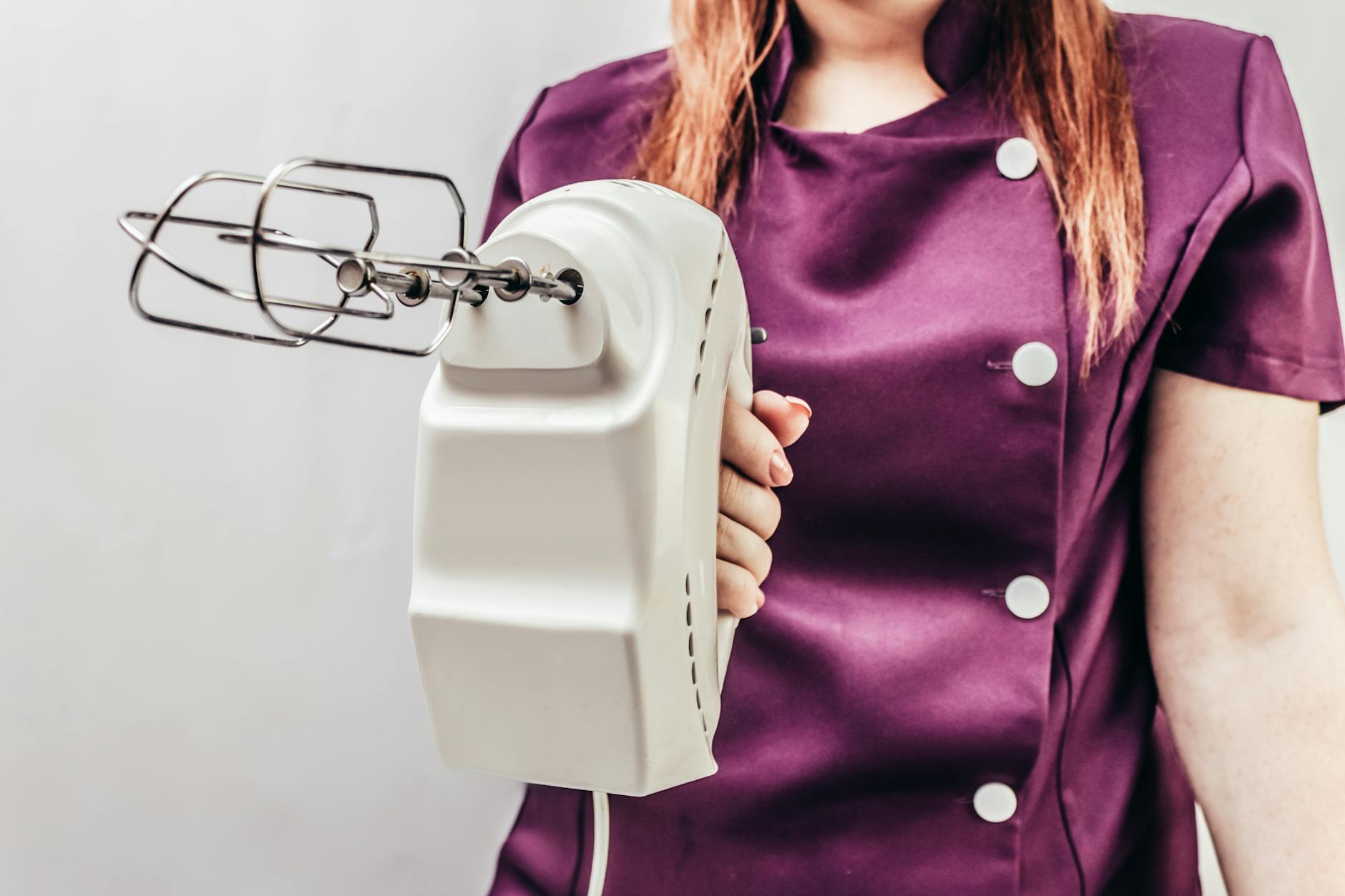
Sally’s Baking Addiction emphasizes the utility of both hand mixers and stand mixers for different tasks. While a stand mixer is ideal for large batches or extended mixing, a hand mixer is perfectly adequate for most beginner recipes like cookie dough, offering portability and ease of storage at a lower price point, typically between $20-$40.
Are there any ‘hidden’ essentials that new bakers often overlook?
New bakers often overlook the importance of an oven thermometer for accurate temperature control and parchment paper for ensuring non-stick and easy cleanup.
Why is an oven thermometer a surprising necessity?
An oven thermometer is a necessity as many ovens have significant temperature discrepancies, ranging from 25–50°F, which can ruin baked goods if not corrected.
It’s easy to trust your oven’s display, but the reality is that oven temperatures can be notoriously inaccurate. An inexpensive oven thermometer, available for less than $10, can reveal discrepancies that could make or break a delicate soufflé or perfectly risen bread. Knowing your oven’s true temperature allows you to adjust accordingly, preventing under-baked centers or burnt edges.
I frequently find ovens running 25-50°F off their set temperature during my home tests. An external thermometer takes the guesswork out of heat management, leading to improved browning and texture. This simple gadget vastly improves the consistency of any baked good, ensuring that recipes designed for specific temperatures perform as expected.
How do non-stick solutions simplify baking for beginners?
Parchment paper and silicone baking mats are inexpensive non-stick solutions that simplify cleanup and ensure baked goods release cleanly from pans every time.
For new bakers, the fear of sticking can be a real deterrent. Parchment paper and silicone baking mats are unsung heroes in the kitchen, offering a reliable non-stick surface that minimizes cleanup and prevents heartbreak when delicate items adhere to the pan. A roll of parchment paper costs less than $5, and a reusable silicone mat typically less than $10.
These tools also contribute to efficient cooking practices by making the baking process smoother and reducing the need for excessive greasing and floured surfaces. They are durable, easy to store, and make the transition from novice to confident baker much less messy.
- Parchment Paper: Prevents sticking, easy cleanup, often disposable.
- Silicone Mats: Reusable, provides even heat distribution, excellent for cookies.
- Baking Spray: Quick application for greasing intricate molds or pans.
- Flour Dredge: Essential for cakes and preventing sticking in fluted pans.
What are the best versatile tools that offer long-term value for a new baker?
Multi-functional tools like a sturdy rolling pin, versatile measuring cups and spoons, and quality bakeware provide enduring value by serving multiple purposes across various recipes.
Can a basic rolling pin truly be versatile?
Absolutely. A simple, well-balanced wooden or marble rolling pin can handle dough for cookies, pies, or pastries, and also costs less than $20, offering exceptional versatility.
While specialist baking tools exist, a basic, good-quality rolling pin is surprisingly versatile. It’s not just for pie crusts; it can flatten cookie dough, crush nuts for toppings, or even serve as a makeshift muddler. The JK Adams 24″ x 1.75″ Lovely Rolling Pin, for instance, mentioned on Kitchen Kapers, provides a durable, American-crafted option for under $20, demonstrating that quality doesn’t always come at a premium.
The key is a comfortable weight and smooth surface for even dough distribution. I find that investing in a classic, unadorned rolling pin delivers the best performance-to-cost ratio for new bakers. Avoid overly ornate or heavily textured pins that can imprint patterns on your dough.
Are there specific bakeware pieces that offer the best value?
Essential bakeware includes durable sheet pans, a 9×13 inch baking dish, and either loaf or muffin pans, providing a foundation for diverse baking projects under $60 collectively.
When building a bakeware collection on a budget, focus on pieces that can be used for a wide range of recipes. Two sturdy sheet pans (often called half-sheet pans) are invaluable for cookies, roasted vegetables, and even baking bread. A 9×13 inch baking dish is perfect for casseroles, brownies, and sheet cakes. Lastly, depending on your interests, a good quality loaf pan or muffin tin will round out the essentials.
These items, when purchased from reliable brands, will last for years, offering excellent long-term value. Look for non-stick surfaces or invest in parchment paper/silicone mats to prolong their life and ease of use. This strategic investment upfront prevents future purchases and ensures your baking projects always have the right vessel.
| Gadget | Typical Price Range (USD) | Primary Benefit |
|---|---|---|
| Digital Kitchen Scale | $18 – $30 | Precise ingredient measurement by weight |
| Silicone Spatula (set) | $10 – $20 | Effective scraping, folding, heat resistance |
| Rolling Pin | $15 – $25 | Even dough rolling, multi-purpose use |
| Oven Thermometer | $7 – $12 | Accurate oven temperature verification |
| Heat-Proof Mixing Bowls | $20 – $40 | Versatile for mixing and heating tasks |
| Hand Mixer | $25 – $50 | Efficient mixing for most batters/doughs |
| Sheet Pans (2-pack) | $20 – $35 | Cookies, roasting, versatile bakeware |
What are common mistakes new budget bakers make with gadgets?
New budget bakers often make mistakes by buying single-use gadgets, prioritizing novelty over utility, and neglecting the long-term value of durable, foundational tools.
Why should new bakers avoid single-use gadgets?
Single-use gadgets take up valuable kitchen space and offer poor return on investment, as their functionality is limited to one specific, often infrequent, baking task.
The allure of a gadget designed for one hyper-specific baking task can be strong, especially when browsing online or in specialty shops. However, these items often sit unused for months, cluttering drawers and cupboards. From decorative pastry cutters to intricate cookie presses, if a tool can’t serve at least two distinct purposes or be used regularly, it’s likely a poor investment for a budget-conscious new baker.
My advice, always, is to seek out tools with broad utility. A good sharp knife can do the work of several specialized slicers. A simple whisk handles most aeration tasks. Resist the temptation for novelty items; they rarely contribute to efficient baking or cost savings.
Is overlooking durability a significant budget error?
Overlooking durability is a significant budget error because flimsy, cheap gadgets break quickly, necessitating frequent replacements that cost more over time than initial quality.
It can be tempting to opt for the cheapest version of every tool, but this often leads to a cycle of replacement purchases. A flimsy measuring spoon that bends, a non-stick pan that warps, or a spatula that melts will cost you more when you inevitably replace it. Investing slightly more in a well-made, durable tool provides better performance and lasts longer.
For example, a high-quality stainless steel mixing bowl set might be $10–15 more than a plastic set, but it will withstand heat, heavy use, and frequent washing without cracking or absorbing odors. I advocate for this ‘buy once, buy well’ philosophy, particularly for foundational tools that will see continuous use. This approach saves money and reduces waste in the long run.
FAQ: Budget Baking Gadgets
How much should a new baker expect to spend on essential gadgets?
A new baker can assemble a core set of essential, high-quality gadgets for successful baking for approximately $100-$150, focusing on accuracy and versatility.
Do I need a stand mixer if I’m just starting out?
No, a stand mixer is not essential for new bakers; a hand mixer and good spatulas are sufficient for most beginner recipes and are significantly more budget-friendly.
Can I use regular kitchen scales for baking, or do I need a special baking scale?
Any accurate digital kitchen scale is suitable for baking; there isn’t a specific ‘baking scale’ as long as it provides precise measurements by weight.
What’s the most common mistake with oven temperatures?
The most common mistake is trusting the oven’s internal display without verifying it with an external oven thermometer, which often reveals significant discrepancies.
Is it worth buying baking sets for beginners?
Baking sets can offer convenience but often include unnecessary items; individual purchases of essential, high-quality tools typically provide better value and utility.
— Greta Michaud, Home Appliance Efficiency Researcher
Last tested/reviewed: March 2026