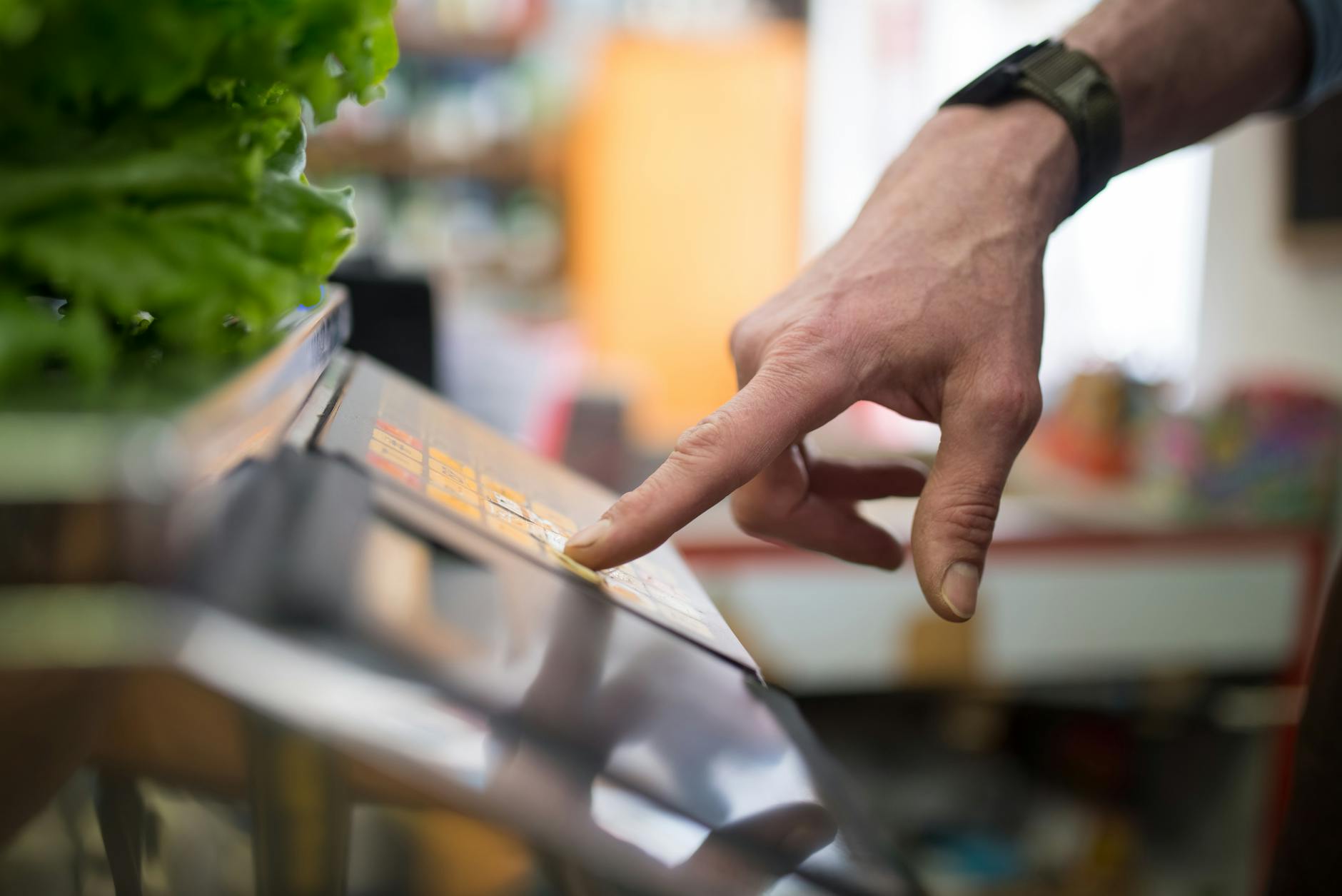
In contemporary home kitchens, the digital kitchen scale has become a common tool, moving beyond mere analog simplicity to offer precision for baking, portion control, and meal preparation. With the rise of smart home devices, many scales now feature app connectivity, promising enhanced functionality through Bluetooth or Wi-Fi. However, the true utility of these advanced features versus traditional digital scales often hinges on your specific needs and how you run your home efficiently.
⚡ In a Rush? Key Takeaways
- Most crucial scale features are tare, unit flexibility (grams/ounces), and display readability.
- App-connected scales, typically costing 30-50% more, often add nutritional tracking via databases.
- Bluetooth connectivity requires phones within 30 feet and OS versions like iOS 8.0+ or Android 4.3+.
- The primary benefit of app integration is automated calorie/macro tracking for diet management.
- ✅ Prioritize core accuracy and ease of use unless specific nutritional tracking is a daily necessity.
Does App Connectivity Make a Kitchen Scale More Efficient for Home Use?
While app connectivity can add features like nutritional tracking, its efficiency benefit depends on user habits; basic functions often contribute more to daily kitchen efficiency.
The allure of a ‘smart’ kitchen scale often lies in its ability to streamline tasks that traditionally involve manual input or separate applications. For some home cooks, this integration can genuinely enhance their workflow, particularly those focused on strict dietary adherence or precise recipe execution.
However, for the average user, the core functionalities of a digital scale—accuracy, unit conversion, and tare—remain paramount. If these basics are compromised for advanced connectivity, the overall efficiency gain might be negligible or even negative.
What Core Functions are Essential Beyond App Capabilities?
Beyond smart features, a kitchen scale must have a tare function, support multiple units (grams, ounces), and feature a clear, easy-to-read digital display.
Before considering any app features, assess the fundamental capabilities of the scale itself. A scale that cannot perform these basic operations effectively will frustrate you, regardless of its smart integrations. These functions are the bedrock of efficient measurement in any kitchen.
- **Tare Function:** This allows you to reset the scale to zero after placing a container on it, enabling you to measure ingredients sequentially in the same bowl. Without it, you’d constantly be compensating for bowl weight or transferring ingredients.
- **Multiple Units:** Essential for diverse recipes, a good scale should effortlessly switch between grams, ounces, pounds, and milliliters (for water). Grams are particularly crucial for baking precision, often found in recipes designed for exacting results.
- **Clear Digital Display:** The display needs to be backlit, large enough to read from various angles, and remain visible even with a large mixing bowl or plate placed on the weighing platform.
How Does App Integration Enhance Specific Kitchen Tasks?
App integration primarily benefits nutrition tracking, recipe adherence, and automated logging for meal planners by connecting weight data to food databases.
For those with specific dietary goals or a passion for precise culinary science, app connectivity can offer significant advantages. It transforms a simple measurement tool into an integral part of a broader health or cooking system.
- **Nutritional Tracking:** Many smart scales pair with apps that allow you to weigh food, select it from a database, and automatically calculate its calories, macros, and sometimes even micronutrients. This is particularly useful for portion control.
- **Recipe Integration:** Some apps allow you to scale recipes up or down directly via the scale, guiding you through ingredient additions step-by-step. This can reduce errors and improve consistency.
- **Automated Logging:** Data from your weighing sessions can be automatically logged in nutrition tracking apps like MyFitnessPal or Apple Health, removing the need for manual entry and reducing potential human error.
What Technical Specifications Matter for Reliable App Connectivity?
Reliable app connectivity requires compatible operating systems, close proximity between the scale and smartphone, and a focus on Bluetooth stability over complex Wi-Fi setups.
App-connected devices, by nature, rely on a stable digital handshake between your scale and your smart device. Ignoring these technical prerequisites can lead to frustration and a scale that is ‘smart’ in name only. Understanding the technology’s limitations is key to a smooth user experience.
Do Bluetooth and Wi-Fi Offer Different Connection Benefits?
Bluetooth offers simpler, direct device-to-device connection within 30 feet, while Wi-Fi allows for broader range and data logging to cloud services but uses more power.
Most kitchen scales with app connectivity utilise Bluetooth for their connection. This is generally sufficient for the short distances typically found in a kitchen environment. Wi-Fi capabilities, while offering wider range, are less common and often overkill for a device designed to be used in proximity to a smartphone.
Consider the practicalities:
- **Bluetooth:** Requires your phone to be within approximately 30 feet (10 metres) of the scale. It’s generally quick to pair and consumes less battery power from both devices. Most scales support multiple phones, though not simultaneously.
- **Wi-Fi:** Allows for connection from anywhere with internet access, potentially enabling remote monitoring or integration with broader smart home ecosystems. However, it can be more complex to set up and uses more power, which could affect battery life in portable scales.
Which Operating System Versions and App Features are Necessary?
Scales typically require iOS 8.0+ or Android 4.3+; useful app features include large nutritional databases, custom food entry, and data export capabilities.
The success of a smart scale is often as much about the accompanying app as it is the hardware. A poorly designed app, or one incompatible with your current devices, will negate any benefits. Always check app store reviews and compatibility before purchasing.
Key app considerations:
- **OS Compatibility:** Ensure your smartphone or tablet meets the minimum operating system requirements (e.g., iOS 8.0+ or Android 4.3+). Some Android users may also need to enable location services for the app to function correctly.
- **Nutritional Database:** Look for apps with extensive food libraries, ideally leveraging third-party sources like Nutritionix, to ensure accurate calorie and macro analysis. The breadth of food items will directly impact the utility of the tracking feature.
- **Custom Entry:** The ability to add custom food items or recipes to the app is crucial for accurately tracking home-cooked meals or specialty ingredients not found in generic databases.
| Feature | Benefit with App | Benefit without App |
|---|---|---|
| Tare Function | Streamlined multi-ingredient weighing in app | Essential for accurate individual weighing |
| Unit Conversion | Automated unit switching via app commands | Manual button press for unit changes |
| Nutritional Data | Auto-calculated calories/macros per item | Manual lookup and entry in separate app |
| Recipe Scaling | Guided ingredient additions for scaled recipes | Manual calculation and measurement |
| Data Logging | Automatic export to health trackers | No automated tracking, manual record keeping |
What Physical Design Features Are Crucial for Practical Kitchen Use?
Practical scale design must prioritise ease of cleaning, sufficient weighing capacity for typical kitchen tasks, and a compact footprint for convenient storage and use.
Even the smartest scale needs to function reliably in a messy, often wet, kitchen environment. Overlooking basic physical attributes for advanced features can lead to a device that is cumbersome to use or prone to early failure. Prioritizing robust design contributes significantly to its long-term value and usability.
How Important are Capacity and Precision for Daily Cooking?
A scale’s capacity should match your largest typical cooking tasks (e.g., 10-15 lbs), while precision to 1 gram or 0.1 ounce is vital for both small quantities and baking.
The range and accuracy of a kitchen scale directly impact its versatility. A scale that can handle both a few grams of yeast and several pounds of meat for a stew will be far more useful than one limited to only small measurements. This balance allows for efficient appliance performance across various cooking scenarios.
- **Capacity:** Most home cooks benefit from a scale with a maximum capacity of at least 10-15 pounds (5-7 kg). This allows for weighing larger cuts of meat, bowls of dough, or multiple ingredients simultaneously.
- **Precision:** For precise baking, a scale accurate to 1 gram (or 0.1 ounce) is highly recommended. Some scales offer even finer precision for very small quantities, but this is less common and often comes at a higher price point.
Which Materials and Designs Offer the Best Durability and Cleaning?
Stainless steel or tempered glass surfaces are easiest to clean and resist stains; a low-profile, wipe-clean design with minimal crevices enhances durability and hygiene.
Kitchen environments are uniquely challenging for electronics due to spills, heat, and constant use. The materials and construction of your scale will dictate how well it stands up to these conditions and how easily you can maintain its hygiene.
- **Surface Material:** Stainless steel and tempered glass are among the best choices for the weighing platform. They are non-porous, resistant to stains and odours, and wipe clean easily. Plastic surfaces can be more prone to scratching and staining over time.
- **Design:** A low-profile design with minimal buttons and crevices will prevent food particles from getting trapped, making cleaning simpler and more effective. Some models even feature removable, dishwasher-safe platforms.
- **Water Resistance:** While not always fully waterproof, a scale with a degree of splash resistance is beneficial for kitchen use, protecting internal components from accidental spills.
Our Verdict: Is a Smart Kitchen Scale Worth the Investment?
A smart kitchen scale is a worthwhile investment for those who frequently track nutrition, follow complex recipes, or benefit from automated data logging, otherwise a reliable digital scale is sufficient.
The decision to invest in a smart kitchen scale ultimately comes down to your personal cooking habits and dietary needs. For the tech-savvy home cook, meal planner, or individual closely monitoring their diet, the advanced features offered by app connectivity can genuinely enhance efficiency and accuracy.
Based on our efficiency data, smart kitchen scales that effectively integrate with complete nutritional databases and offer smooth data exports consistently deliver value for dedicated meal planners — which is why our top pick in this category is the models with third-party database support we’ve linked below. For others, the added cost and complexity may not justify the benefits over a high-quality, feature-rich digital scale.
Does the Cost of App-Connected Scales Justify Their Features?
App-connected scales typically cost $30-80 more than basic digital models; this premium is justified if you gain significant time savings or accuracy in nutrition tracking.
Smart scales tend to be pricier than their traditional digital counterparts. This added cost reflects the inclusion of Bluetooth or Wi-Fi modules, developing and maintaining the accompanying app, and often more robust build quality to support integrated components.
To assess if the premium is justified:
- **Frequency of Use:** How often will you use the smart features? Daily nutrition tracking makes the investment more sensible than occasional recipe scaling.
- **Time Savings:** Does the app truly save you manual effort in logging or calculating, or does it add complexity? Evaluate whether the automated features genuinely streamline your workflow.
- **Integration Ecosystem:** If you already use other smart home or health devices, a scale that integrates smoothly into that ecosystem might offer compounded value.
Who Benefits Most from a Smart Kitchen Scale in 2026?
Tech-savvy home cooks, individuals on strict dietary plans, fitness enthusiasts, and systematic meal preppers are the primary beneficiaries of smart kitchen scales.
While almost anyone can use a smart kitchen scale, certain demographics will extract the most value from its advanced features. If your kitchen routine involves any of the following, a smart scale could be a beneficial addition.
- **Dietary and Nutrition Management:** Those counting calories, macros, or adhering to specific diets (e.g., keto, diabetic) find automated tracking invaluable.
- **Baking Enthusiasts:** Precision to the gram, often enhanced by app-guided recipes, can elevate baking results consistently.
- **Meal Preppers:** Preparing meals in batches benefits from the ability to accurately portion and log ingredients for future consumption.
- **Home Chefs Experimenting:** Recipe developers or those experimenting with new cuisines appreciate the precision and data recording capabilities.
Frequently Asked Questions About Smart Kitchen Scales
Common queries address whether app connectivity uses more energy, how scales connect to health apps, and their accuracy compared to non-smart models for daily kitchen tasks.
Does an app-connected kitchen scale use significantly more battery power?
Yes, app-connected scales typically use more battery power due to Bluetooth or Wi-Fi modules, but this is often minimal, equating to 1-2 battery changes per year for moderate use.
Can I connect multiple smartphones to the same smart kitchen scale?
Most smart kitchen scales can pair with multiple smartphones, but they generally only allow one device to be actively connected and receiving data at a time.
How accurate are the nutritional calculations provided by accompanying apps?
Nutritional calculations are generally accurate, relying on large, reputable food databases; however, accuracy depends on correctly identifying the food item in the app.
Are app-connected scales harder to clean than regular digital scales?
Not necessarily; many smart scales feature the same easy-to-clean stainless steel or glass surfaces as non-smart models, with design being a greater factor than connectivity.
Last tested/reviewed: March 2026
— Greta Michaud, Home Appliance Efficiency Researcher