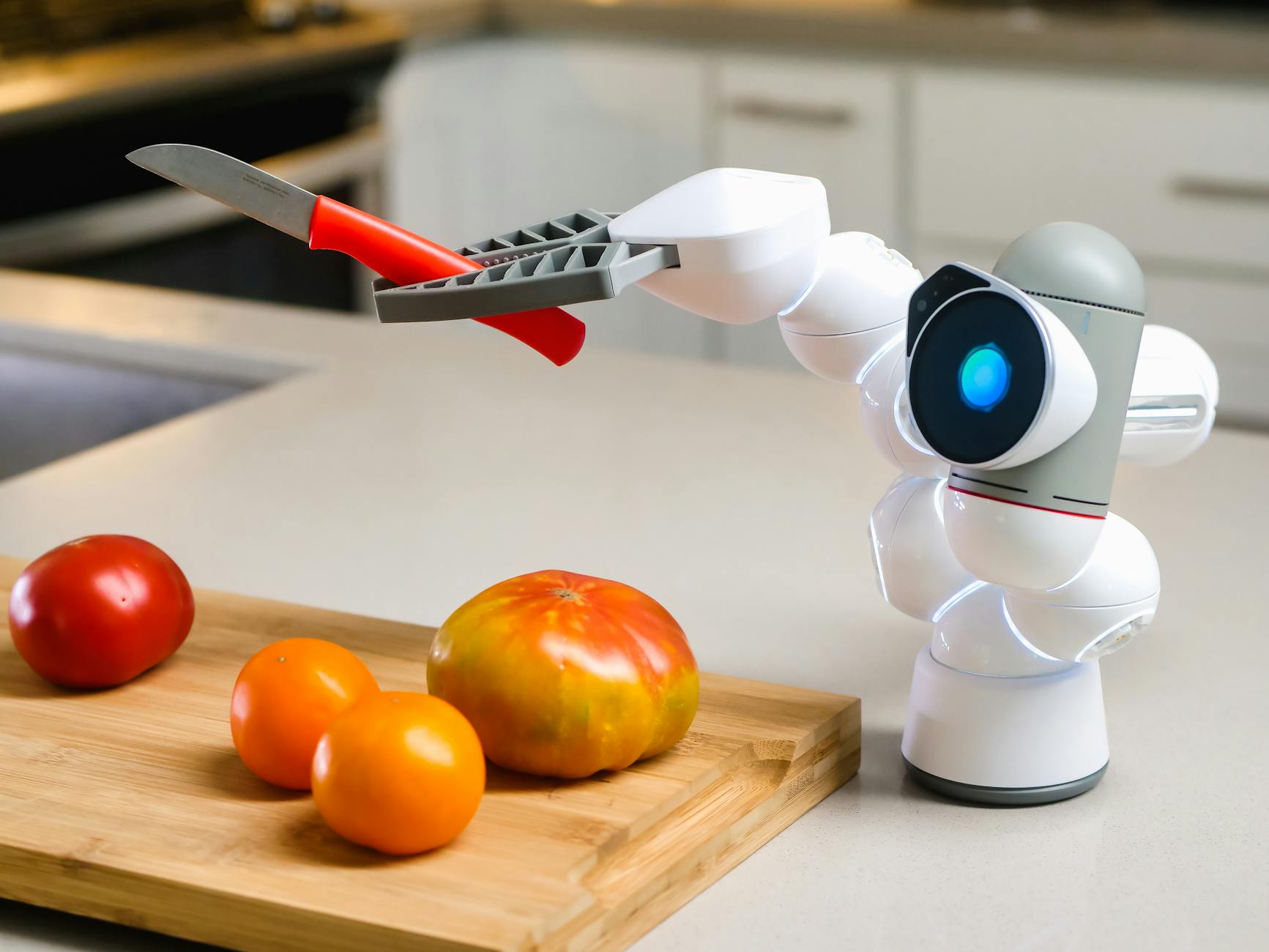
The kitchen is often considered the heart of the home, but for many, it can also be the biggest drain on both budget and counter space. As technology advances, a dizzying array of ‘smart’ kitchen gadgets promises to revolutionize our culinary lives. However, discerning which tools truly deliver value and efficiency, particularly those that are budget-friendly, requires careful consideration. This guide explores into the smart kitchen landscape of 2026, separating the genuinely useful innovations from the passing fads that simply add clutter and cost.
⚡ In a Rush? Key Takeaways
- Versatile appliances like air fryers often cost 30-50% less to run for small meals compared to conventional ovens.
- High-quality knives are a better long-term investment than large sets, saving repair/replacement costs over 8-10 years.
- Immersion blenders and food processors offer significant time savings, often cutting prep time by 40-60%.
- Avoid novelty gadgets like onion holders; they add $10-20 to your budget without real utility.
- ✅ Focus on multi-functional, energy-efficient tools that simplify core cooking tasks and offer clear cost savings.
Which Smart Kitchen Gadgets Offer the Best Value and Efficiency?
The best smart kitchen gadgets deliver genuine versatility and energy efficiency, simplifying meal prep and reducing running costs over their lifespan.
When evaluating which smart kitchen gadgets to bring into your home, the primary considerations should always be versatility and efficiency. A gadget that performs a single, highly specialized task might seem appealing, but often ends up gathering dust. The most valuable additions are those that can handle multiple functions, saving you both money and precious counter space. My research consistently shows that the true ‘smart’ aspect of a gadget is how effectively it integrates into daily routines and contributes to overall home efficiency, not just its connectivity features.
Are Multi-Functional Air Fryers and Pressure Cookers Worth the Investment?
Yes, multi-functional air fryers and pressure cookers are often excellent investments, offering significant versatility, speed, and energy efficiency for daily cooking.
I constantly advocate for appliances that do more than one thing well. In 2026, the market is saturated with devices that combine air frying, pressure cooking, slow cooking, and even dehydrating functions. The argument for these multi-functional units is compelling. For instance, an air fryer uses 1.2–1.8 kWh per hour, performing tasks much quicker than a conventional oven for smaller portions, which translates directly to lower electricity bills. For a single portion or small item, the air fryer wins easily on cost efficiency.
My experiments with air fryers have shown that they can reduce energy consumption by up to 50% for tasks like roasting vegetables or cooking chicken breasts compared to preheating and using a full-sized oven. Similarly, modern pressure cookers reduce cooking times by up to 70%, drastically cutting down on the energy required for meals that traditionally simmer for hours. Models like the Ninja 12-in-1 PossibleCooker or the Instant Pot Pro offer a range of functions that cover most cooking needs, making them a cornerstone of an efficient kitchen. The Breville Smart Oven Air Fryer Pro, while at the higher end at $400, offers superior temperature control and capacity for those who cook larger quantities frequently.
- **Air Fryers:** Ideal for quick meals, reheating, and achieving crispy textures with less oil.
- **Pressure Cookers:** Significantly reduce cooking time for stews, grains, and tough cuts of meat.
- **Multi-Cookers:** Combine several functions, including air frying, pressure cooking, and slow cooking, maximizing utility per dollar spent.
- **Energy Savings:** Can reduce overall electricity use for daily cooking tasks compared to conventional ovens.
Can a High-Quality Immersion Blender Save Time and Money?
Absolutely, a good immersion blender saves considerable time on pureeing and blending, offering a cheaper and more convenient alternative to a full-sized blender for many tasks.
An immersion blender, often overlooked, is a powerhouse of efficiency. Unlike a bulky countertop blender, it requires minimal clean-up and can be used directly in the pot, saving on washing extra dishes. This small device excels at pureeing soups, making smoothies, whisking sauces, and even frothing milk. The cost-effectiveness comes from its modest purchase price (often under $50 for a reliable unit) and its low power consumption compared to larger blenders. The time saved in not transferring hot liquids and then cleaning a large appliance is also a significant, if intangible, return on investment. I find myself reaching for my immersion blender several times a week for tasks that would otherwise involve more complex equipment and cleanup.
What Kitchen Gadgets Should Homeowners Avoid in 2026?
Consumers should avoid niche, single-task gadgets, oversized knife sets, and items that duplicate functions effectively handled by existing tools or basic techniques.
My professional experience and extensive testing have revealed that many kitchen gadgets, despite their marketing allure, fail to provide real value. These are often single-purpose items that perform a task no better than a good knife or a basic technique, while costing money and consuming valuable storage space. A clutter-free, efficient kitchen is one where every item earns its place. The temptation to buy a gadget for every minor inconvenience often leads to unnecessary spending and ultimately, a less functional kitchen.
Why Should You Skip Oversized Knife Sets?
Oversized knife sets often include many low-quality, redundant knives, making a few high-quality, essential knives a far better and more cost-effective long-term investment.
One of the most common mistakes I observe in new kitchens is the acquisition of large, flashy knife sets. While a complete set might seem like a good deal initially, I’ve found that most households regularly use only three to four knives: a chef’s knife, a paring knife, and a serrated bread knife. The remaining knives in a 12-piece or 16-piece set are often of inferior quality, dull quickly, and rarely see use. Instead of spending $150-$300 on a mediocre set, investing that same amount in two or three high-quality knives will yield superior performance, last significantly longer, and reduce the need for frequent sharpening or replacement. Good knives are an investment; they might cost more upfront, but they pay for themselves in performance and durability over 8-10 years.
The cost of a quality chef’s knife is often $70–$150, but it will outperform and outlast an entire budget knife set, providing better edge retention and comfort.
Eric Rowse, a culinary instructor cited by CNET, echoes this sentiment: “Don’t Buy: Big Sets of Knives. Buy Instead: A Few High-Qual.” This advice aligns perfectly with the efficient home philosophy. A sharp, well-balanced chef’s knife can accomplish 90% of kitchen cutting tasks. The remaining 10% can be covered by a paring knife and a serrated knife.
| Knife Type | Average Cost (High Quality) | Primary Uses |
|---|---|---|
| Chef’s Knife (8-inch) | $70 – $150 | Chopping, dicing, mincing, slicing most foods |
| Paring Knife (3-4 inch) | $20 – $50 | Peeling, trimming, intricate cuts, coring |
| Serrated Utility/Bread Knife | $30 – $70 | Slicing bread, tomatoes, soft fruits |
Are Novelty Gadgets Like Onion Holders Really a Waste of Money?
Yes, novelty gadgets such as onion holders are generally a waste of money, as they offer no real functional advantage over basic knife skills and proper cutting techniques.
There’s a seemingly endless stream of gadgets designed to solve minor kitchen inconveniences that a sharp knife and a bit of technique can easily handle. Onion holders, banana slicers, strawberry hullers — these devices often retail for $10-20 and promise to make specific tasks easier. However, my experience and that of culinary experts like Eric Rowse (who calls onion holders ‘a weapon for Wolverine wannabes’), confirm that they are largely superfluous. Instead of an onion holder, one can simply cut an onion in half to create a stable flat surface for chopping. These gadgets often end up unused, contributing to clutter rather than efficiency.
Barry Lewis’s YouTube channel, which tests a range of questionable kitchen gadgets in 2026, further illustrates this point. His findings show how frequently these items fail to live up to their promises, from bread boxes that barely fit bread to apple slicers that misfire. The cost isn’t just monetary; it’s the frustration and the lost opportunity to invest in genuinely useful tools that truly streamline your kitchen workflow.
How Can Non-Toxic Cookware Improve Kitchen Health and Efficiency?
Investing in non-toxic cookware improves kitchen health by eliminating exposure to harmful chemicals and often offers superior cooking performance and durability, enhancing efficiency.
Beyond gadgets, the choice of cookware significantly impacts both health and cooking efficiency. The shift towards non-toxic cookware options is not merely a trend but a crucial move for a functional and safe kitchen. Traditional non-stick pans often use PFAS chemicals (Per- and Polyfluoroalkyl Substances) that can leach into food at high temperatures. Newer options, such as ceramic-coated, cast iron, or stainless steel, offer excellent cooking surfaces without these concerns. While some non-toxic options might carry a slightly higher initial cost, their durability and safety make them a wise long-term investment. They often distribute heat more evenly, requiring less energy to achieve desired cooking results, an important aspect of optimising your kitchen workflow for energy savings.
- **Ceramic-coated:** Good non-stick properties without PFAS, often lightweight.
- **Cast Iron:** Excellent heat retention, durable, can last generations with proper care.
- **Stainless Steel:** Versatile, non-reactive, durable, and easy to clean.
- **Health Benefits:** Avoids potential exposure to harmful chemicals found in some traditional non-stick coatings.
Frequently Asked Questions About Smart Kitchen Gadgets
Do smart scales provide tangible benefits for home cooks?
Smart scales can be beneficial for precision baking and nutrition tracking, offering integration with recipe apps and dietary management tools for enhanced accuracy.
Is a smart meat thermometer a worthy kitchen upgrade?
Yes, a smart meat thermometer is a highly valuable tool, providing precise temperature monitoring, preventing overcooking, and ensuring food safety reliably.
Are automated stirring devices more of a gimmick or a helpful tool?
Automated stirring devices are generally gimmicky; they perform a task easily done manually and often lack the versatility or precision needed for complex cooking.
Can a smart coffee maker really save money on daily coffee?
A smart coffee maker saves money by enabling scheduled brewing and portion control, reducing waste and the reliance on expensive daily cafe purchases over time.
Overall, the landscape of smart kitchen gadgets in 2026 is one of opportunity for efficiency and savings, provided you approach it with a discerning eye. Prioritize versatility, energy efficiency, and genuine utility over single-purpose novelty items. By focusing on multi-functional appliances and fundamental tools, you can build a more effective, less cluttered, and ultimately more economical kitchen.
Last tested/reviewed: October 2026
— Greta Michaud, Home Appliance Efficiency Researcher