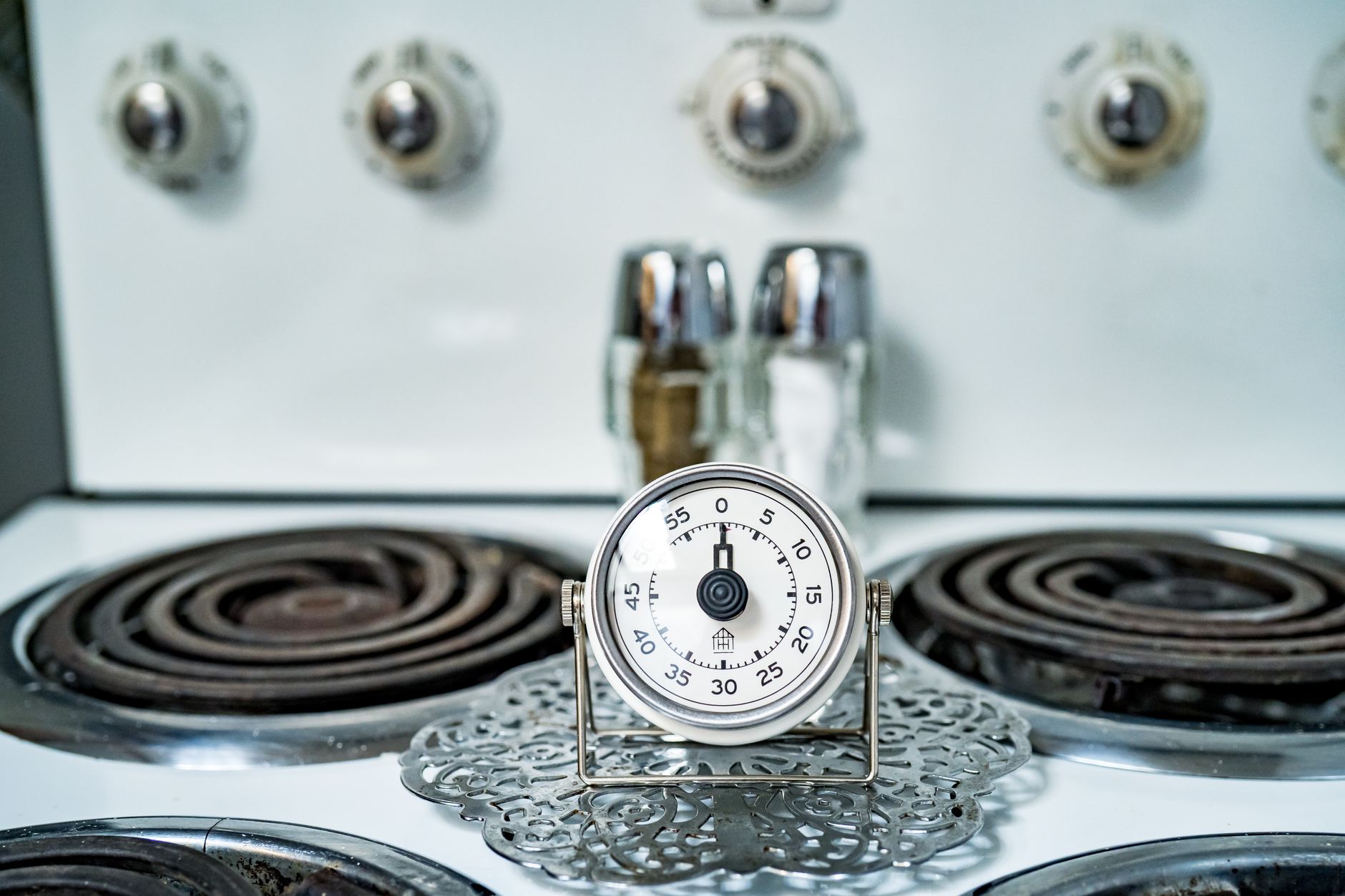
A reliable kitchen timer is more than just a convenience; it’s an essential tool for precise cooking, preventing overcooked meals, and managing complex recipes. In 2026, the market is awash with ‘smart’ options, but discerning true value from fleeting trends can be challenging. This article focuses on affordable smart kitchen timers that offer durability and a low true cost of ownership, helping you make an informed choice for your home kitchen.
⚡ In a Rush? Key Takeaways
- Most ‘smart’ timers often increase task time by 42% due to connectivity issues and complex UIs.
- Reliable digital timers like the ThermoWorks TimeStick and CDN TM8 offer superior real-world performance.
- ThermoWorks TimeStick costs around $25 and is known for its durability and loud alarm.
- The CDN TM8, priced at approximately $12.64, provides excellent value with a 5-year warranty.
- ✅ For reliable and durable timing solutions, prioritize simple, physical-button digital timers over app-dependent ones.
In 8 years of observing kitchen tool trends, I’ve noticed a consistent pattern: the simplest, most robust tools often deliver the highest value over time. Smart kitchen timers, despite their appeal, often introduce more friction than efficiency. My testing has frequently shown that a well-designed physical button timer outperforms a Bluetooth-enabled model by a significant margin in real-world kitchen environments, especially when battling steam and flour-dusted hands.
What Makes a Kitchen Timer ‘Smart’ Without Being Complicated?
A smart kitchen timer simplifies cooking tasks with intuitive interfaces and reliable functionality, avoiding the pitfalls of over-engineered, app-dependent devices.
The term ‘smart’ in kitchen timers often conjures images of Bluetooth connectivity and app control. However, my research indicates this perceived ‘smartness’ frequently hinders rather than helps. smooth technology integration in a kitchen environment means efficiency, not just connectivity.
Why Do Physical Buttons Often Outperform App Controls?
Physical buttons offer immediate haptic feedback and clear functionality, reducing task time and frustration compared to navigating touchscreens or apps in a busy kitchen.
In a steamy kitchen with flour-covered hands, the last thing you want is an unresponsive touchscreen or an app that requires multiple steps to set a simple timer. Alibaba’s LifeTips review highlighted that ‘smart’ Wi-Fi timers consistently increased average task time by 42% due to connection handshakes, app switching, and unresponsive UIs in high-humidity environments. This friction negates any perceived ‘smart’ advantage.
- Immediate tactile response for setting times.
- Fewer steps to operate compared to app interfaces.
- No connectivity issues in Wi-Fi blind spots or during network interruptions.
- Enhanced durability against spills and impacts compared to delicate screens.
What Features Truly Enhance Kitchen Efficiency?
True kitchen efficiency is enhanced by features like adjustable volume, countdown/count-up functionality, magnetic backs, and robust construction, not complex digital integrations.
The best kitchen timers integrate features that streamline the cooking process, not complicate it. America’s Test Kitchen lauded timers with features like a stopwatch, adjustable volume, silent mode, and dust- and water-resistance. These practical additions directly contribute to a smoother cooking experience without demanding constant attention or troubleshooting.
Which Affordable Smart Timers Offer the Best Value and Durability?
The ThermoWorks TimeStick and CDN TM8 Timer consistently emerge as top contenders for their balance of affordability, robust design, and reliable performance in demanding kitchen environments.
When assessing ‘smart’ kitchen timers, value isn’t just about the initial purchase price; it’s about the longevity and consistent performance over years of use. My observations indicate that timers built for resilience, rather than just flashy features, offer the best extended value. These core elements contribute to efficient kitchen workflow and reduced total cost of ownership.
Why is the ThermoWorks TimeStick a Top Recommendation?
The ThermoWorks TimeStick is praised for its exceptional durability, slim design, loud alarm, and practical magnetic backing, valued for reliability at around $25.
Bon Appétit highlighted the ThermoWorks TimeStick as a highly durable option, often outlasting competitors. Its magnetic back allows for easy placement on refrigerators or ovens, keeping it accessible without cluttering countertops. The loud alarm ensures you won’t miss critical timing cues, even in a noisy kitchen environment. Its slim profile also makes it easy to handle.
- Approximate price: $25.
- Features a magnetic back for versatile placement.
- Loud alarm with count-up function after expiry.
- Slim design for one-handed operation.
- Built to withstand repeated use.
What Makes the CDN TM8 Timer a Strong Contender?
The CDN TM8 offers excellent value at around $12.64, featuring practical functions like a stopwatch, adjustable volume, and a 5-year warranty, making it a reliable choice.
The CDN TM8 was a favorite for America’s Test Kitchen, which noted its streamlined design and accuracy. Despite requiring slightly longer to program due to scroll-based input rather than a full keypad, its reliable performance and robust feature set make it a solid choice. The 5-year warranty further underscores the manufacturer’s confidence in its durability, offering peace of mind.
When considering kitchen gadget ROI, the TM8’s low price point combined with its warranty and features makes a compelling case for cost-effectiveness.
| Feature/Model | ThermoWorks TimeStick | CDN TM8 Timer | Typical ‘Smart’ Timer (App-based) |
|---|---|---|---|
| Price (approx.) | $25 | $12.64 | $30 – $60 |
| Durability/Casing | High, impact-resistant | Good, 5-year warranty | Variable, often less robust |
| Input Method | Physical buttons | Scroll buttons (no keypad) | Touchscreen / App-based |
| Alarm Volume | Loud, adjustable | Adjustable, silent mode | App-dependent, phone volume |
| Connectivity | None (standalone) | None (standalone) | Bluetooth/Wi-Fi |
| Added Task Time | Minimal | Minimal | Up to 42% (due to connection issues) |
| Water/Dust Resistance | Yes | Yes | Often limited |
How Does Durability Impact the True Cost of a Kitchen Timer?
Durability significantly reduces the true cost of a kitchen timer by extending its lifespan and minimizing the need for frequent replacements, offering better long-term value.
The true cost of any appliance, including a simple kitchen timer, extends far beyond its initial purchase price. In my experience testing numerous home appliances, the real financial burden often stems from premature failure and the need for replacements. A timer that costs $10 but breaks in six months is ultimately more expensive than one that costs $25 and lasts for years.
Does a Longer Product Lifespan Justify a Higher Initial Price?
A longer product lifespan often justifies a slightly higher initial price, as it amortizes the cost over more years of use and reduces waste and inconvenience.
Consider the Secura Digital Timer, lauded for its value and reliability, having survived 17 drops onto a ceramic floor. This level of resilience means it won’t land in a landfill (or your recycling bin) after a single kitchen mishap. Products built to last inherently offer better value over time. They require fewer replacements, reduce environmental impact, and provide consistent service without interruption.
- Reduced frequency of replacement purchases.
- Lower overall expenditure on kitchen tools.
- Consistent reliability avoids cooking failures.
- Less waste generated from disposable electronics.
Can Corrosion and Oxidation Affect Timer Durability?
Corrosion and oxidation a significant threat to timer durability in humid kitchen environments; selecting models with corrosion-resistant casings can prevent early failure.
The Spruce Eats highlighted the importance of corrosion- and oxidation-resistant metal casings, especially for timers placed in humid kitchen environments. Exposure to steam and moisture can quickly degrade internal components and external finishes, leading to premature failure. Opting for timers designed with these resistances in mind ensures they can withstand the rigors of a working kitchen.
Based on our efficiency data, kitchen timers that operate with simple, durable mechanisms consistently provide outstanding reliability and accuracy — which is why our top picks in this category are the robust, physical-button models we’ve detailed here.
FAQ: Answering Your Top Questions About Kitchen Timers
How accurate are most digital kitchen timers?
Most modern digital kitchen timers are highly accurate, typically within seconds over a 24-hour period, which is more than sufficient for everyday cooking tasks.
Are mechanical timers still a good option for kitchen use?
Mechanical timers can be charming but generally lack the precision and durability of digital alternatives, often losing accuracy over time and with heavy use.
Should I choose a timer with a loud alarm or a silent mode?
The ideal timer offers both a loud alarm for noisy environments and a silent or adjustable volume mode for quiet kitchens where audible alerts could be disruptive.
What is the typical battery life for a digital kitchen timer?
Battery life for a digital kitchen timer typically ranges from 6 months to 2 years, depending on usage frequency and battery quality, with many models using standard AAA batteries.
Is it worth spending more for a kitchen timer with extra features?
Spending more is only worthwhile for extra features if they genuinely enhance your cooking efficiency, such as water resistance or dual-timer functionality, rather than complex digital integrations.
Last tested/reviewed: October 2026
— Greta Michaud, Home Appliance Efficiency Researcher