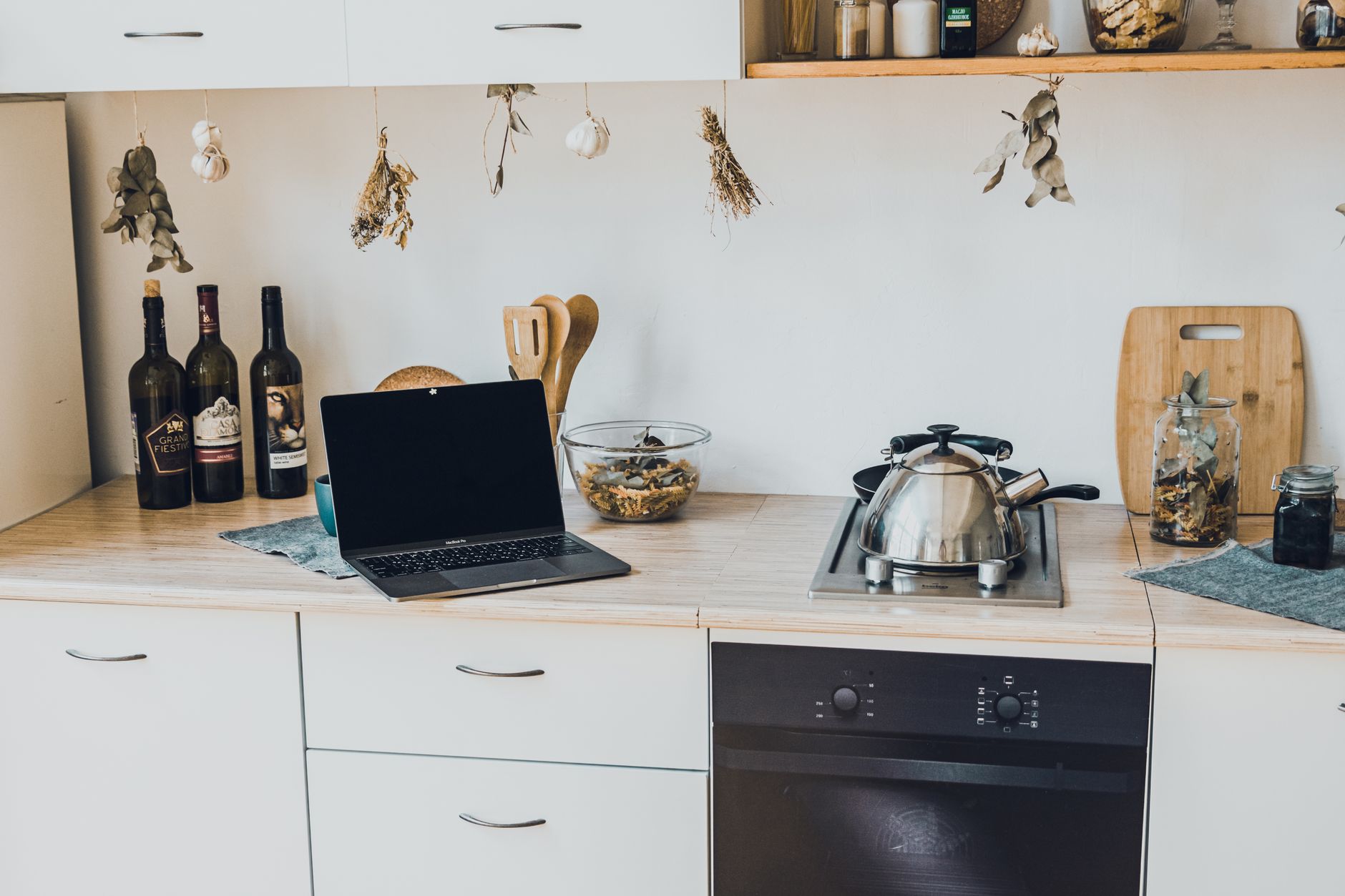
Integrating smart kitchen features into your home can streamline tasks, reduce energy consumption, and add convenience to daily routines. However, the world of smart appliances and interconnected systems can feel overwhelming for newcomers. This guide aims to demystify the process, offering a practical setup and cost breakdown for 2026 to help you enhance your kitchen intelligently and efficiently.
⚡ In a Rush? Key Takeaways
- Start smart kitchen integration with individual appliances or simple gadgets costing $100-$2,000.
- Professional installation for smart systems can cost significantly more, often ranging from $1,500 to over $25,000 for full automation.
- Ensure all devices are compatible within a chosen ecosystem and read manuals thoroughly for optimal setup.
- An old, inefficient refrigerator can cost $30-$50 more per year to run than a modern A-rated model.
- ✅ Verdict: Prioritize devices that solve a specific pain point in your kitchen workflow, focusing on practical gains.
What are Smart Kitchen Features and How Do They Work?
Smart kitchen features integrate internet connectivity and automation into appliances and systems, allowing for remote control, monitoring, and enhanced functionality.
Smart kitchen features encompass a broad range of technologies that connect your appliances and kitchen environment to your personal devices and home network. This connectivity allows for automation, remote operation, and data collection, transforming traditional kitchen tasks into more streamlined processes. They differ from standard appliances primarily through their ability to communicate and respond to external commands or pre-programmed routines.
For example, a smart oven might preheat itself based on your commute, or a smart refrigerator could track inventory and suggest recipes. The underlying principle is about enhancing convenience and efficiency through technology.
How Do Connected Appliances Improve Kitchen Efficiency?
Connected appliances improve efficiency by automating tasks, optimising energy use through scheduling, and providing real-time data for better management.
Connected appliances aren’t just about novelty; they offer tangible benefits for running a home more efficiently. Remote management of cooking appliances means you can preheat an oven on your way home or start a slow cooker from work, ensuring meals are ready when you are. Some smart dishwashers can be set to run during off-peak energy hours, reducing electricity costs.
Many smart devices also offer diagnostic feedback, alerting you to maintenance needs before they become major problems. This proactive approach can extend the lifespan of your appliances and reduce unexpected repair costs. Integrating these features into your kitchen workflow and systems can lead to fewer manual interventions and more precise energy consumption.
What are the Different Types of Smart Kitchen Technology?
Smart kitchen technology includes connected appliances, smart lighting, automated water systems, and integrated control hubs, each offering distinct functionalities.
The spectrum of smart kitchen technology ranges from individual smart gadgets to entire integrated systems. At the basic level are individual smart appliances like coffee makers, scales, or single-function cooking devices. Moving up, you find major appliances such as smart refrigerators, ovens, and dishwashers that connect to a central app or ecosystem.
Beyond appliances, smart kitchens can incorporate intelligent lighting systems that adjust based on natural light or activity, and smart water faucets that dispense precise measurements or conserve water. complete solutions might even include smart countertops with wireless charging and integrated displays, or smart cabinetry designed for optimal storage and organization.
These components can function independently but often offer greater benefits when integrated into a unified smart home ecosystem.
- **Smart Cooking Appliances:** Ovens, cooktops, microwaves that offer remote control, recipe integration, and performance monitoring.
- **Smart Refrigerators:** Feature internal cameras, inventory management, and touchscreens for calendars or smart home control.
- **Smart Dishwashers:** Can be started remotely, monitor detergent levels, and optimize wash cycles for efficiency.
- **Smart Small Appliances:** Coffee makers, air fryers, blenders with app control and programmable settings.
- **Smart Lighting:** Controls brightness and colour, often integrating with motion sensors or routines.
How Much Do Smart Kitchen Features Cost?
The cost of smart kitchen features varies significantly, from $100 for basic gadgets to over $5,000 for fully integrated renovations or high-end appliances.
Understanding the financial commitment is key when planning your smart kitchen. The investment can range from relatively minor enhancements to a significant home renovation project. The exact cost hinges on the types of features you wish to integrate, the scale of automation, and whether you opt for professional installation or take a DIY approach where feasible.
Starting small allows for gradual integration and helps you gauge your comfort level with the technology before making larger investments. My personal experience dictates that focusing on the appliance performance and buying intelligence is critical here; a higher sticker price doesn’t always guarantee real-world value.
What is the Cost Range for Smart Kitchen Appliances?
Smart appliances typically range from $1,500 to over $5,000 per unit, while smart gadgets and lighting can be as low as $100.
The major investment comes with large smart appliances. A smart refrigerator can cost upwards of $3,000, while a smart oven might range from $2,000 to $5,000 depending on features and branding. Small smart devices, like a smart coffee maker or a smart scale, often fall into the $100 to $500 category. These individual components build up the overall cost of your smart kitchen project.
For more integrated solutions, specialized elements such as smart countertops or custom smart cabinetry can push costs much higher, into the $5,000 to $25,000 range. A complete kitchen automation system, including installation and integration, could easily cost between $15,000 and $30,000, aligning with a full kitchen renovation budget.
| Smart Kitchen Feature | Cost Range |
|---|---|
| Smart Appliances (Oven, Fridge, Dishwasher) | $1,500 to over $5,000 per unit |
| Smart Countertops | $2,000 to $10,000 |
| Smart Cabinetry and Storage | $5,000 to $25,000 |
| Smart Lighting and Gadgets | $100 to $2,000 |
| Complete Kitchen Automation Systems | $15,000 to $30,000 |
Are There Hidden Costs to Setting Up a Smart Kitchen?
Hidden costs can include professional installation, Wi-Fi network upgrades, ongoing subscription fees, and potentially higher repair costs for specialized components.
While the initial purchase price is straightforward, several hidden costs can emerge during the setup and long-term use of a smart kitchen. Many smart appliances require professional installation, especially those involving electrical or plumbing modifications, adding to the initial expense. For instance, the upfront cost and installation complexity of tankless water heaters are significant barriers, despite their great running cost case for certain households.
Consider your existing Wi-Fi infrastructure. If your kitchen has dead zones, performance will suffer, potentially necessitating Wi-Fi extenders or network upgrades. Some smart kitchen services operate on subscription models for premium features, adding recurring charges. Finally, smart appliances often have proprietary parts and specialized repair technicians, which can lead to higher repair costs and potentially shorter lifespans if components become obsolete.
In eight years of testing appliances, I’ve seen that the cost of ownership has three components: purchase price, running cost, and repair/replacement cost. Most buyers optimize on purchase price and ignore the other two.
An old inefficient fridge is the most expensive appliance in many kitchens that nobody thinks about; one built before 2015 can use 400-600 kWh per year, while a current A-rated model uses 100-200 kWh. At US average electricity rates, that’s a saving of $30-50 per year if you choose a modern, efficient model.
How Can I Practically Set Up Smart Kitchen Features?
Practical setup involves assessing needs, ensuring ecosystem compatibility, meticulous installation, and familiarizing yourself with each device’s specific functionality.
A successful smart kitchen relies on careful planning and execution. Rather than diving into a full overhaul, a phased approach often yields better results. Start by identifying specific pain points in your current kitchen setup that smart technology could realistically address. Is it meal planning, grocery management, or simply the desire for more convenience?
Once you’ve identified your needs, research devices that fit those requirements and, crucially, ensure they are compatible with each other. This often means choosing devices within a particular ecosystem (like Apple HomeKit, Google Home, or Amazon Alexa) or those from a brand known for broad compatibility. A little planning here can save a lot of frustration later.
What is the Best Approach for Integrating Smart Devices?
The best approach is typically a hybrid model, beginning with a few key smart devices and gradually expanding once you are comfortable with the technology.
A hybrid approach is highly recommended for smart kitchen integration. Instead of a complete overhaul, focus on one or two high-impact smart appliances or gadgets that align with your primary needs. For example, if energy efficiency is a concern, you might start with optimizing your energy efficiency by introducing a smart plug to monitor and control small appliance usage. Installing smart lighting or a smart coffee maker can provide immediate convenience without a massive investment.
This allows you to learn the systems, understand their real-world utility, and identify any limitations before committing to larger, more expensive smart upgrades. My own experience with appliance running costs has shown that the most effective integrations are often the simplest ones that address a clear specific problem. Starting with individual smart appliances for cooking is a practical entry point for many homes, offering substantial benefits in terms of convenience and control.
- **Start Small:** Purchase one or two smart gadgets or appliances that address immediate needs, such as a smart scale or a smart plug for your coffee maker.
- **Research Compatibility:** Before buying, verify that new devices can integrate with your existing smart home hub or preferred ecosystem.
- **Read Manuals:** Always review user instructions thoroughly to understand functionality, setup, and safe operation.
- **Experiment:** Take time to explore different features and settings to get the most out of your smart devices.
What Troubleshooting Tips Should I Know for Smart Kitchens?
Troubleshooting often involves checking Wi-Fi connectivity, ensuring app and firmware updates, and consulting user manuals for device-specific issues.
Even with careful planning, smart kitchen devices can occasionally encounter issues. The first step in troubleshooting is almost always to check your Wi-Fi connection. Many smart devices rely heavily on a stable internet connection, and issues can arise from weak signals, network congestion, or outdated router firmware. If Wi-Fi is good, ensure both the device’s firmware and its accompanying app are up to date. Manufacturers frequently release updates to improve performance and fix bugs.
If problems persist, a simple restart of the appliance and your router can often resolve minor glitches. For more complex issues, consulting the user manual is crucial. User manuals provide specific troubleshooting steps, error code explanations, and contact information for customer support. Remember, some systems require account creation, device pairing, and regular updates, which can be less ideal for households seeking ultimate simplicity.
FAQ: Getting Started with Smart Kitchen Features
Can I make my existing appliances smart?
Yes, basic functions can be made smart with Wi-Fi smart plugs allowing remote on/off control for basic appliances like coffee makers or slow cookers.
Do I need a smart home hub for smart kitchen features?
Not always, many modern smart kitchen appliances connect directly to your home Wi-Fi and can be controlled via their own apps, though a hub can unify control.
How do smart kitchen appliances save energy?
They save energy by enabling remote-off capabilities, optimized cooking programs, and usage tracking to identify inefficiencies, reducing standby power.
What happens if my Wi-Fi goes down in a smart kitchen?
Most smart appliances retain basic manual functionality if Wi-Fi fails, but advanced features like remote control and scheduling will be temporarily unavailable.
Is professional installation necessary for all smart kitchen features?
Professional installation is recommended for major appliances involving electrical or plumbing modifications, or for complex integrated automation systems.
embarking on building a smart kitchen in 2026 offers significant opportunities for convenience and efficiency. By adopting a practical, phased approach and carefully considering costs, you can create a kitchen that truly works smarter for your lifestyle.
— Greta Michaud, Home Appliance Efficiency Researcher