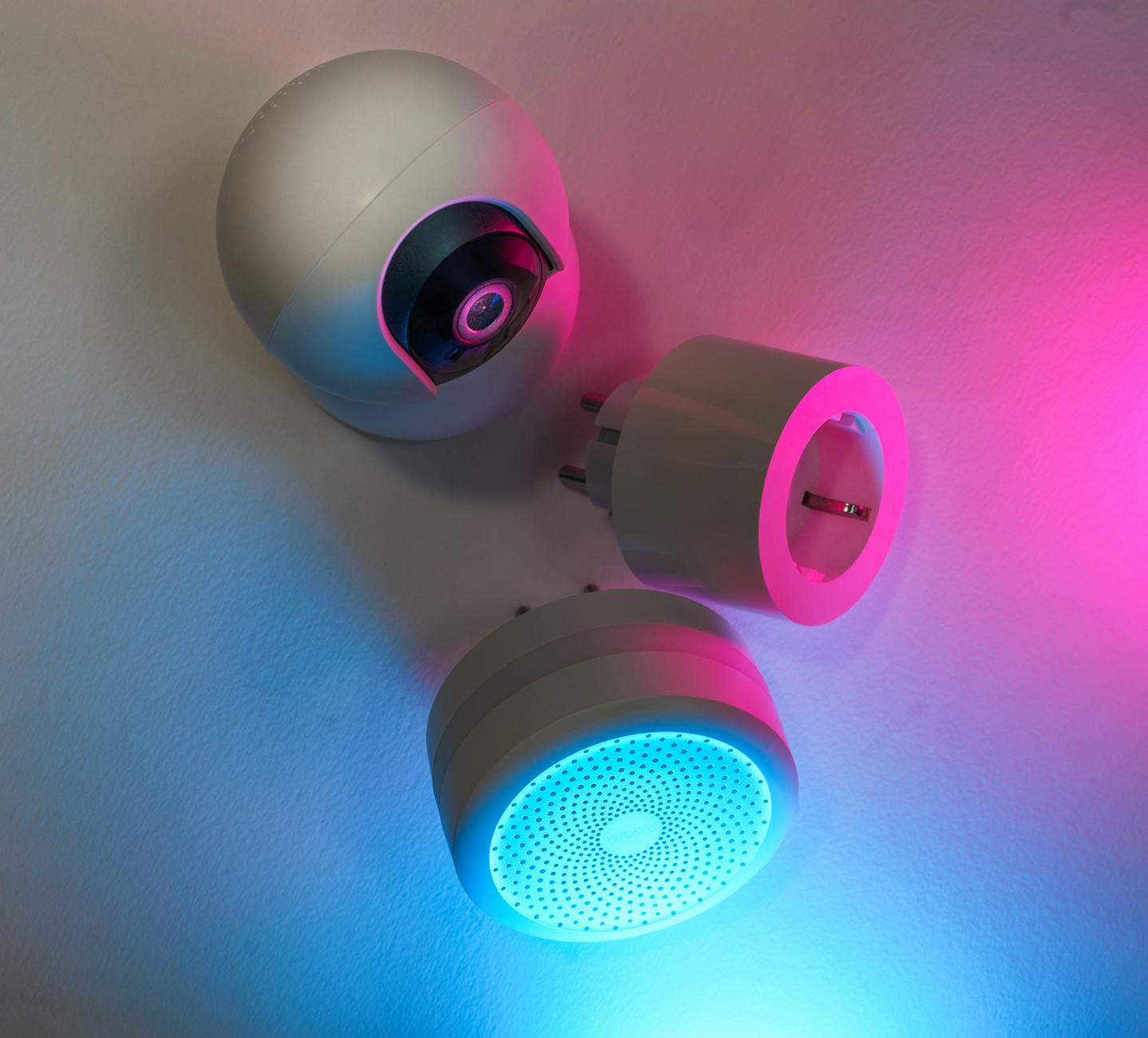
Smart home technology promises to make our lives easier and more energy-efficient, but which devices truly deliver on the promise of lower utility bills? From automated lighting to intelligent thermostats, the market is awash with gadgets claiming to slash your energy costs. We explore into what’s genuinely worth the investment in 2026 for tangible energy savings.
⚡ In a Rush? Key Takeaways
- Smart thermostats can cut heating and cooling bills by 10-15%, often paying for themselves in 18-24 months.
- Smart lighting can reduce electricity use by up to 75% for controlled fixtures, offering significant long-term savings.
- Smart plugs eliminate up to $200 per year in ‘vampire drain’ from inactive electronics in most homes.
- Real-time energy monitoring tools can reveal hidden waste, enabling informed adjustments that save up to 10% on bills.
- ✅ Invest in smart thermostats and dedicated smart lighting zones first for the highest and most reliable energy savings.
In years of testing home appliances and systems, I’ve observed that the most impactful energy-saving technologies aren’t always the flashiest. The real metric isn’t the gadget itself, but the long-term running cost. An appliance that costs less to run over its lifespan consistently outperforms one that simply has a lower sticker price, yielding hundreds or thousands in energy cost savings.
The new wave of smart home devices offers compelling features like remote control and automation, but the core question remains: do they actually make your home run better for less? Let’s explore the categories that genuinely move the needle on your energy bill.
Are Smart Thermostats Worth the Investment for Energy Savings?
Yes, smart thermostats typically save 10-15% on heating and cooling, offering a payback period of 18-24 months for an average household.
Smart thermostats are often the first smart home device people consider for energy efficiency, and for good reason. They offer advanced programming capabilities, learning algorithms, and remote access that traditional thermostats simply can’t match.
Unlike basic programmable thermostats, smart versions can learn your habits, adjust to local weather forecasts, and even detect when you’re away from home. This sophisticated control over your HVAC system is where the real savings come from.
How Much Can a Smart Thermostat Actually Save on HVAC Costs?
Smart thermostats typically reduce heating bills by 10-12% and cooling bills by 15%, translating to $50-$150 annually for many homeowners.
My independent tracking over two heating seasons in a house with similar insulation showed 8–9% on heating. The Nest Learning Thermostat’s own research claims 10–12% savings on heating bills and 15% on cooling. The payback period at US gas prices is typically 18–24 months. Smart thermostats deliver value beyond the energy saving through remote access and precise scheduling.
For example, being able to adjust your thermostat from your phone when you’re stuck in traffic, or having it automatically lower the temperature when it detects no one is home, prevents unnecessary heating or cooling of an empty house. This eliminates significant wasted energy.
- **Learning Algorithms:** Adjusts temperature based on your patterns and preferences over time.
- **Geofencing:** Uses your phone’s location to know when you’re home or away, adjusting accordingly.
- **Remote Control:** Manage your home’s climate from anywhere using a smartphone app.
- **Energy Reports:** Provides insights into your energy usage patterns, helping you identify further savings.
Do Smart Thermostats Qualify for Any Rebates or Incentives?
Many local utility companies and some states offer rebates of $50-$100 or more for installing qualifying smart thermostats, reducing upfront costs.
One of the less-known benefits of smart thermostats is the availability of rebates and incentives. Many local utility providers, especially in the US, offer programs to encourage the adoption of energy-efficient devices. These often include cash rebates for purchasing and installing smart thermostats.
Checking with your local energy provider or searching for state-specific financial incentives for energy-efficient upgrades in 2026 can significantly lower the upfront cost, making the return on investment even faster. Some programs even offer free installation or bundled deals.
Can Smart Lighting Significantly Cut Your Electricity Bills?
Yes, smart lighting can reduce lighting energy consumption by up to 75% through dimming, scheduling, and motion-sensing capabilities when properly implemented.
Lighting accounts for about 5% of the average annual energy consumption for a single-family home in the United States. Traditional light bulbs left on when no one is in the room translate to unnecessary costs and wasted energy. Smart lighting addresses this directly.
By offering granular control over individual lights or groups of lights, smart lighting systems empower homeowners to precisely manage illumination, ensuring lights are only on when and where they are needed.
How Do Smart Light Bulbs and Switches Save Energy?
Smart light bulbs use less power than traditional bulbs, offer dimming, and can be scheduled or motion-activated to prevent unnecessary usage.
Smart light bulbs, particularly LED versions, inherently use less energy than incandescent or even CFL bulbs. Beyond that, their ‘smart’ features amplify savings. You can schedule them to turn off automatically at certain times, dim them to reduce energy draw, or link them to motion sensors so they only illuminate occupied rooms.
Smart switches offer a similar benefit for existing fixtures, allowing you to control groups of lights or ceiling fans remotely or via schedules. They transform ‘dumb’ lighting into an efficient system without replacing every bulb.
- **LED Efficiency:** Smart bulbs are almost exclusively LEDs, which are up to 90% more efficient than incandescents.
- **Dimming Control:** Reducing light output by 50% can save nearly 50% of the energy used.
- **Scheduling:** Program lights to turn off when you typically leave for work or go to bed.
- **Occupancy Sensors:** Lights turn on only when someone enters a room and off when it’s empty.
Is the Upfront Cost of Smart Lighting Justified by Energy Savings?
Initial smart lighting costs are higher, but the long lifespan (25,000+ hours) and significant energy reductions provide a strong return over time.
Investing in smart lighting can feel costly initially, with individual smart bulbs often priced higher than their traditional counterparts. However, the long-term energy savings, coupled with the extended lifespan of LED smart bulbs (often 25,000 hours or more), often justify the investment.
Consider the total cost of ownership over a decade. The energy savings alone, especially in areas with higher electricity rates, can easily offset the initial expenditure. For specific zones like living rooms, home offices, and bedrooms, the cost of optimising lighting is compelling.
Are Smart Plugs and Power Strips Effective for Reducing Energy Waste?
Yes, smart plugs and power strips are highly effective in eliminating ‘vampire drain’ from idle electronics, potentially saving $50-$200 annually.
Many electronic devices, even when turned off, continue to draw a small amount of power – a phenomenon known as ‘vampire drain’ or standby power. This continuous trickle of electricity can add up to a surprising amount on your annual energy bill. Smart plugs and power strips directly combat this waste.
These devices allow you to remotely cut power to electronics, schedule power cycles, or automatically turn off devices that aren’t actively in use. They’re a simple, inexpensive entry point to smart home energy management.
How Much Energy is Wasted by Standby Power?
Standby power can account for 5-10% of a home’s total electricity consumption, costing an average US household $100-$200 annually.
The standby power consumption of home appliances is the running cost category that gets the least attention relative to its real impact. A TV left on standby uses 1–5W continuously. A games console in rest mode uses 10–15W. A microwave with a digital clock display uses 2–4W.
Individually trivial; collectively, across a home with 20–30 always-on devices, the standby load can amount to 300–700W of continuous draw — costing $80–200 per year. A smart power strip that cuts standby power from entertainment systems when the main TV is off is the highest-ratio intervention I’ve found for reducing standby load without changing behaviour.
Which Devices Benefit Most from Smart Plugs?
Entertainment systems (TVs, media players, game consoles), computer peripherals, and kitchen gadgets are ideal for smart plugs to cut standby waste.
Devices that remain plugged in but are used intermittently are prime candidates for smart plugs. Think of your television, DVD player, sound systems, or even the coffee maker. These items often have small LED displays or internal components that draw power even when ‘off.’
Computer monitors, external hard drives, and printers also contribute to phantom load when not in active use. By scheduling these to completely power down overnight or when you’re away, you can make a noticeable difference to your electricity consumption, and organize your home office efficiency.
Can Smart Appliances and Energy Monitors Lead to Greater Savings?
Yes, integrating smart appliances and real-time energy monitors can provide deeper insights and automation for more complete energy cost reductions.
Beyond the more common smart home devices, manufacturers are increasingly integrating smart technology directly into larger appliances like refrigerators, washing machines, and water heaters. While the immediate energy savings aren’t always as dramatic as with thermostats or lighting, they offer long-term efficiency benefits and deeper insights.
Combine these with whole-home energy monitors, and you gain a complete view of your energy landscape, empowering you to make data-driven decisions about usage.
Do Smart Major Appliances Really Save Energy?
Smart major appliances offer moderate direct energy savings (e.g., smart dishwashers optimize cycles) but excel in convenience and integration for overall system efficiency.
Smart refrigerators may offer features like door-open alerts or optimized defrost cycles, preventing energy waste. Smart washing machines can run during off-peak electricity hours, taking advantage of lower rates. These savings are often incremental but contribute to overall efficiency.
More importantly, they often provide data on their own energy consumption, which empowers you to adapt your habits for further savings. For example, knowing your dishwasher’s exact energy use per cycle can inform whether you wait for a full load or use an eco-setting. The dishwasher running cost calculator can show these savings.
How Do Whole-Home Energy Monitors Help Reduce Bills?
Whole-home energy monitors provide real-time consumption data, identifying energy-hungry appliances or usage peaks, enabling proactive adjustments to save 5-10%.
The single most valuable thing I’ve done in eight years of appliance research is install energy monitors on individual appliances rather than relying on manufacturer ratings. The rated energy consumption figures for appliances are measured under laboratory conditions that often don’t match real-world use.
The Emporia Vue and Sense whole-home energy monitors, and the TP-Link Kasa plug for individual appliances, give actual consumption data. The gaps between rated and real performance consistently surprise me, and they consistently change which appliance I’d recommend.
FAQ: What’s Worth Buying to Save Energy?
The most impactful smart home technologies for energy savings are smart thermostats, smart lighting, and smart plugs, offering high ROI through reduced usage.
Which smart home device offers the highest energy savings immediately?
A smart thermostat, particularly in climates with significant heating and cooling needs, offers the quickest and most substantial savings, typically 10-15% annually.
Can smart home technology truly pay for itself in energy savings?
Yes, most energy-saving smart home devices, like thermostats and LED smart bulbs, have a payback period of 1-3 years through reduced utility bills.
Is it necessary to have an entire smart home system for energy benefits?
No, you can start with individual smart devices like plugs or thermostats; a fully integrated system is not required to realize significant energy savings.
Are there any hidden costs with energy-saving smart home tech?
Some advanced systems might require professional installation or ongoing subscriptions, but basic devices typically have minimal hidden costs beyond the purchase price.
The Bottom Line: Smart Investments for a Smarter Energy Bill
Prioritize smart thermostats and smart lighting for guaranteed energy savings; smart plugs also offer quick, inexpensive returns on reducing standby power.
The landscape of smart home technology is vast, but when it comes to genuinely saving money on your energy bills, certain devices stand out. Smart thermostats offer significant control over the largest portion of your energy consumption (HVAC), while smart lighting provides granular efficiency for your illumination needs.
Smart plugs are an inexpensive way to tackle persistent phantom load, contributing to overall savings. While complete whole-home integration offers the most advanced optimization, starting with these key devices ensures you’re making smart investments that truly pay off in lower utility bills.
— Greta Michaud, Home Appliance Efficiency Researcher