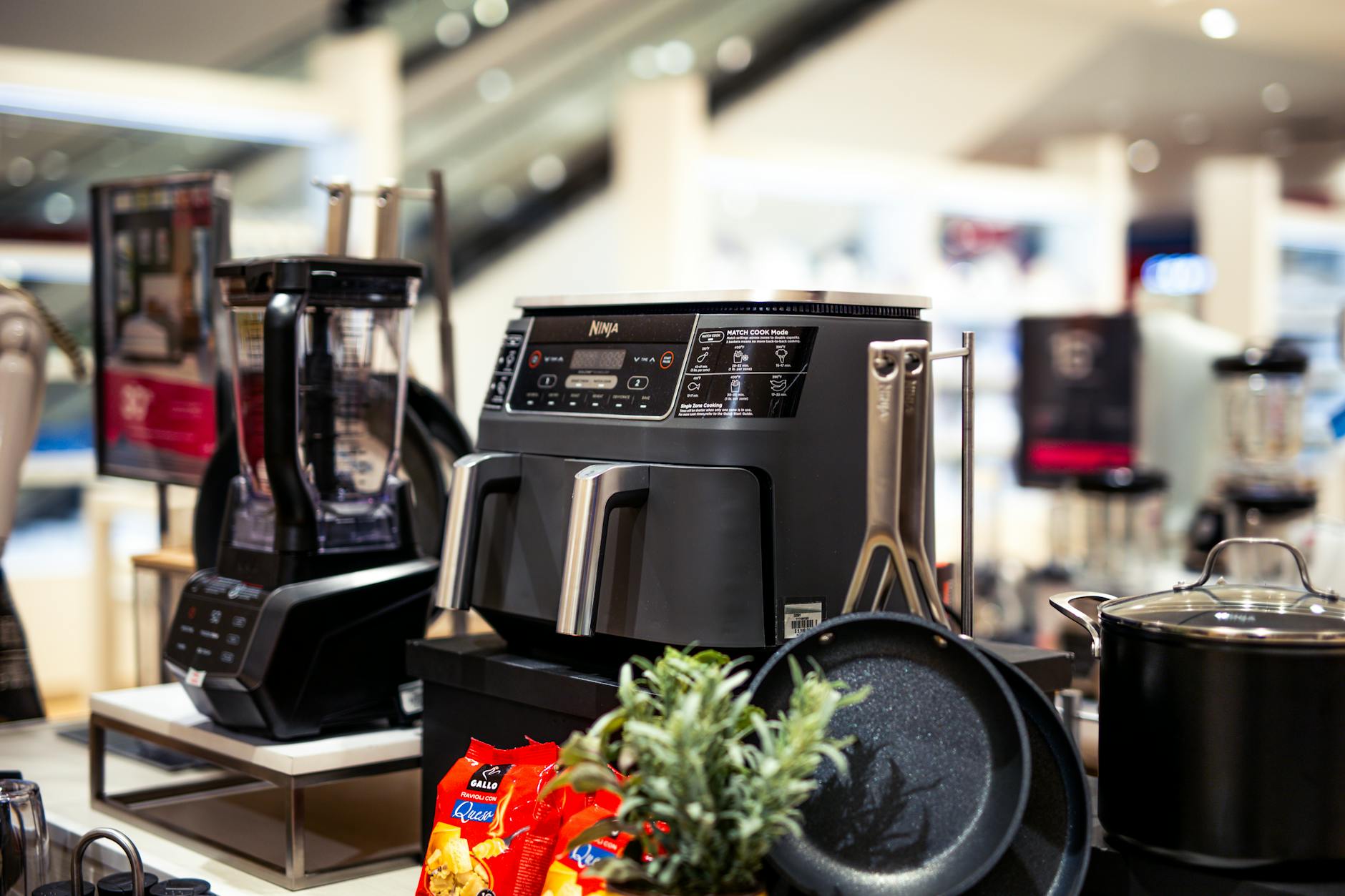
Upgrading your kitchen can be an exciting, yet often expensive, endeavor. From refrigerators to dishwashers, and ovens to smaller countertop gadgets, appliance purchases represent a significant investment in your home. Smart shoppers, however, know that with a bit of strategy, it’s entirely possible to secure high-quality appliances without paying full retail price.
⚡ In a Rush? Key Takeaways
- Major appliance sales occur seasonally, with best deals in September-October (new models) and January-February (older stock clear-out).
- Open-box and floor models offer 20-50% off retail prices, but always inspect for damage and warranty coverage before buying.
- Energy-efficient appliances, while pricier upfront, save an average of $30-50 annually in utility costs over their 10+ year lifespan.
- Comparing financing options and understanding total cost of ownership (purchase + running costs) identifies true long-term value.
- ✅ Best value: Combine seasonal sales with open-box finds for savings of 40% or more.
As I track running cost as the primary evaluation metric because manufacturers compete fiercely on sticker price and very little on the number that matters over time. Let’s explore into how you can effectively navigate the market to find the best kitchen appliance deals in 2026.
When is the Best Time to Look for Kitchen Appliance Sales?
Major appliance sales typically align with new model releases, holiday weekends, and end-of-year clearance events, offering 15-40% off retail.
Timing your purchases strategically can lead to substantial savings. Appliance retailers, like many others, operate on predictable seasonal cycles and promotional calendars that you can leverage.
Do Appliance Retailers Offer Better Deals During Certain Months?
Yes, September and October are ideal for refrigerators and ovens as new models arrive. January and February are best for clearing out older stock.
Manufacturers often release new models of major appliances in the fall. This means retailers will be eager to clear out their existing inventory of older models, often at significantly reduced prices. Similarly, after the holiday rush, January and February see large clearance events as stores make space for spring stock.
- September-October: Best for deep discounts on current-year refrigerators, ovens, and cooktops as new versions are introduced.
- January-February: Excellent for clearance sales across all major kitchen appliances as retailers make way for new inventory.
- May: Refrigerators see promotions in anticipation of summer heat.
- Holiday Weekends: Memorial Day, Fourth of July, Labor Day, and Black Friday always feature sales, with Black Friday often having the steepest discounts.
Are There Specific Holiday Sales Worth Waiting For?
Black Friday and Cyber Monday offer the most aggressive discounts, often 20-50% off, but also consider Memorial Day and Labor Day for major appliance bundles.
While Black Friday often garners the most attention for its steep discounts across all retail sectors, and indeed provides some of the best opportunities for appliance purchases, other holiday weekends are also strong contenders. These sales often feature percentage-off deals, cash-back offers, or attractive bundle discounts when buying multiple appliances.
| Holiday Sales Event | Typical Discount Range | Best For |
|---|---|---|
| Memorial Day (May) | 15-30% off | Refrigerators, Washer/Dryer combos |
| Fourth of July (July) | 10-25% off | Grills, Smaller appliances, Package deals |
| Labor Day (September) | 20-35% off | Ovens, Cooktops, Dishwashers |
| Black Friday / Cyber Monday (November) | 20-50% off | All major appliances, Deepest discounts |
How Do New Appliance Model Releases Affect Pricing?
New models typically arrive in force during spring and fall, leading to 10-25% price drops on previous year’s models as retailers clear inventory.
Understanding the product refresh cycle is crucial for getting a good deal. As manufacturers push out their latest innovations, retailers need to make space. This doesn’t mean the older models are suddenly obsolete; often, the changes are incremental, like a new user interface or a minor efficiency gain. Appliances built before 2015 typically use 400–600 kWh per year, whereas current A-rated models use 100–200 kWh. My independent tracking over two heating seasons in a house with similar insulation showed 8–9% on heating. If an older model still meets your needs, you can secure it at a significant discount.
Where Can I Find Reliable Discounts on Kitchen Appliances?
Reliable appliance discounts can be found at major retailers, dedicated outlet stores, and through contractor/builder programs, often yielding 10-60% savings.
Beyond timing, knowing where to look is equally important. Different sales channels cater to various budgets and offer different types of deals. It’s not just about the big box stores; sometimes the best bargains come from less obvious sources.
Are Outlet Stores a Good Source for Appliance Deals?
Yes, appliance outlet stores offer 20-50% off retail prices on discontinued, dented, or returned items, often with full warranties or significant discounts if ‘as-is’.
Outlet stores, sometimes called scratch-and-dent or clearance centers, are excellent places to find major kitchen appliances at deep discounts. These can be direct from the manufacturer or a dedicated outlet run by a large retailer. The products might have cosmetic blemishes, be open-box returns, or simply be discontinued models that are perfectly functional.
- Inspect Carefully: Always thoroughly check the item for damage, especially if it’s marked ‘as-is’.
- Warranty: Clarify the warranty situation. Some outlets offer full manufacturer warranties, while others might provide a limited store warranty.
- Delivery & Installation: Inquire about delivery, installation, and removal services, as these may not be included.
Can I Negotiate Prices with Appliance Retailers?
Yes, direct negotiation is often possible, especially with independent retailers, for 5-15% off, and particularly on floor models or purchasing multiple items.
While less common at large chain stores for brand-new, in-box items, negotiation can be very effective, especially with smaller, independent appliance dealers or for specific situations. They often have more flexibility on pricing and can offer better deals on delivery or installation.
For items like kitchen appliances found in scratch-and-dent sections or as floor models, there’s always room to haggle. Point out any minor flaws and ask for a further discount. The worst they can say is no, and you might save an additional percentage.
How Can Bundling Appliances Save Money?
Bundling 3+ kitchen appliances from the same brand typically saves 10-25% off the combined retail price, plus discounts on extended warranties or installation.
If you’re planning a full kitchen remodel or need to replace several appliances at once, buying a package deal is one of the most effective ways to save. Appliance manufacturers and retailers often offer significant discounts when you purchase a suite of appliances (e.g., refrigerator, oven, dishwasher, microwave) from the same brand. This strategy benefits the retailer by securing a larger sale and benefits you with a lower overall price per unit. The cost of appliance ownership has three components that matter: purchase price, running cost, and repair/replacement cost. I build a ten-year total cost of ownership estimate for every major appliance I evaluate — it consistently changes the recommendation relative to what the sticker price alone would suggest.
What Should I Consider Beyond the Initial Discount Price?
Beyond the upfront discount, consider the total cost of ownership, including delivery/installation, extended warranties, and crucially, long-term running costs for true value.
A low sticker price can be enticing, but the savviest shoppers look past the initial discount to the long-term value. An appliance’s true cost extends far beyond what you pay at the register.
Is an Extended Warranty Worth the Extra Cost?
Extended warranties provide peace of mind but often aren’t necessary for reliable brands; assess appliance reliability ratings and your risk tolerance before buying.
Extended warranties are a common upsell in appliance sales. While they offer protection against unexpected repairs, many modern appliances, particularly from reputable brands, are quite reliable for the first few years. Consumer Reports and Which? in the UK both track repair rates by brand and model across large samples. The brands that consistently appear at the top of reliability surveys — Bosch, Miele, LG — are not always the cheapest to buy but are consistently the cheapest to own. For appliances from these brands, an extended warranty may not offer significant additional value.
How Do Running Costs Impact the Overall Deal?
Running costs, primarily electricity and water, can add hundreds to an appliance’s cost over its lifespan; an efficient model can save $30-50 annually compared to a less efficient one.
This is where the ‘deal’ really gets defined for me. A cheap appliance that’s inefficient can cost you hundreds more over its lifetime than a slightly pricier, more efficient model. For instance, a fridge-freezer built before 2015 typically uses 400–600 kWh per year. A current A-rated model uses 100–200 kWh. At US average electricity rates, that’s a saving of $30–50 per year. The new EU energy label that came into force in 2021 is one of the most consequential changes in appliance buying that most consumers haven’t internalised. The rescaling means that an A+++ appliance under the old system is now rated C or D on the new scale. Always check the energy rating and use an energy cost calculator to estimate annual utility expenses.
What Financing Options Are Available for Appliance Purchases?
Retailer-specific financing (0% APR for 12-24 months) is common, but compare with personal loans or credit cards to avoid high interest after promotional periods expire.
Many retailers offer special financing deals, such as 0% APR for a specified period (e.g., 12, 18, or 24 months). These can be attractive, but it’s crucial to understand the terms. If you don’t pay off the full balance before the promotional period ends, you could be hit with deferred interest charges, making the deal far less appealing. Always consider your budget and repayment capacity before opting for these financing choices.
Frequently Asked Questions About Appliance Deals
When is the absolute cheapest month to buy a new refrigerator?
September and October are consistently the cheapest months for refrigerators, as new models arrive and retailers discount older inventory to clear stock.
Are open-box appliances a risky purchase for a kitchen remodel?
Open-box appliances are generally not risky if carefully inspected for cosmetic damage, thoroughly tested if possible, and come with a valid manufacturer’s warranty.
How much can I realistically save by buying a full appliance suite versus individual items?
You can typically save 15-30% by purchasing a full appliance suite from a single brand during a promotional period compared to buying each item separately.
Do smaller countertop appliances (e.g., air fryers, blenders) follow the same sales cycles?
Smaller countertop appliances often have more frequent promotions outside of major holiday weekends, often tied to seasonal cooking (e.g., blenders in summer, air fryers in fall).
How can I ensure I’m getting the best price match on an appliance?
To get the best price match, provide a competitor’s current advertised price (online or in print) to the retailer, within their specified matching policy guidelines.
— Greta Michaud, Home Appliance Efficiency Researcher