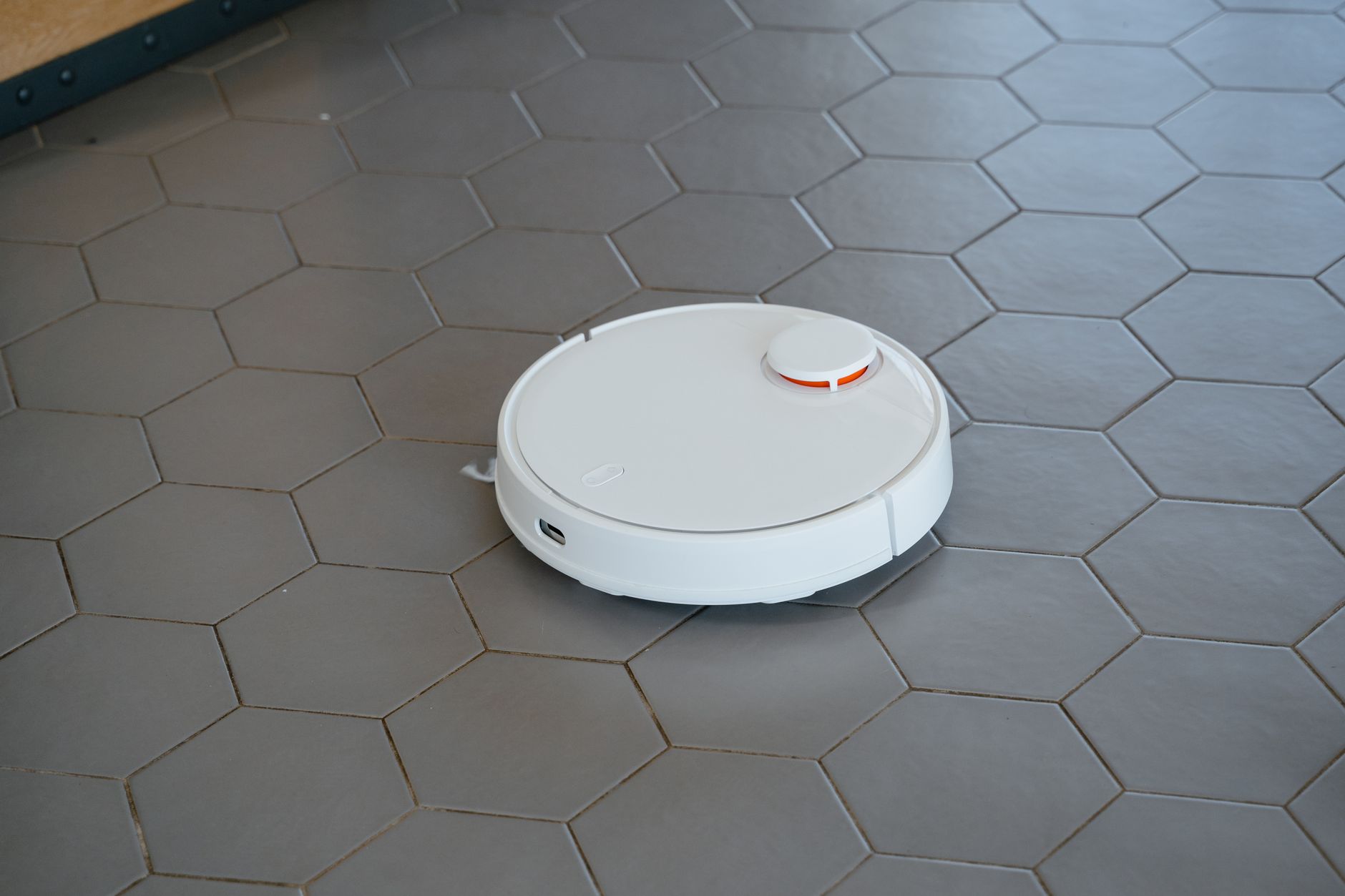
Robot vacuums have evolved from novelty gadgets into sophisticated smart home devices, promising automated cleaning and more free time. Beyond the initial investment, understanding their true running costs, energy consumption, and long-term maintenance is crucial for homeowners and renters looking to run an efficient home.
⚡ In a Rush? Key Takeaways
- Robot vacuums consume 15-30 kWh annually, costing $2-$5 per year in electricity for daily use.
- Battery replacement is the largest recurring cost, averaging $70-$120 every 2-3 years.
- Filter and brush replacements add $30-$50 annually, impacting efficiency if neglected.
- Models with self-emptying bases use 5-10% more energy but halve manual maintenance frequency.
- ✅ Best value: Choose models with durable batteries and readily available replacement parts for lower total ownership costs.
In 8 years of home appliance research, I’ve installed energy monitors on individual devices, including several robot vacuums, rather than relying solely on manufacturer ratings. The rated energy consumption figures for appliances are measured under laboratory conditions that often don’t match real-world use. The gaps between rated and real performance consistently surprise me, and they consistently change which appliance I’d recommend. A robot vacuum rated at 0.05 kWh per cleaning cycle may use 0.07 kWh on my cycle lengths and coverage area.
What is the True Running Cost of a Robot Vacuum Cleaner?
The true running cost of a robot vacuum cleaner is approximately $35–$60 per year, factoring in electricity, filters, brushes, and battery degradation.
The total operating cost of a robot vacuum extends beyond its purchase price, encompassing electricity consumption, replacement parts, and the occasional battery swap. While the initial electricity draw is minimal, these small costs accumulate over the device’s lifespan. Understanding these elements helps in budgeting and ensuring the device remains efficient.
How Much Electricity Does a Robot Vacuum Use Annually?
A robot vacuum uses 15–30 kWh of electricity annually for daily charging and cleaning, costing $2–$5 at average US rates or £3–£6 in the UK.
The primary electrical consumption for a robot vacuum comes from two main activities: charging its battery and during the cleaning cycle itself. Most robot vacuums reside on a charging dock, continuously topping up their batteries to be ready for the next scheduled clean. While cleaning, the motor and navigation systems also draw power.
For context, here’s a breakdown of typical electricity usage:
- Charging Stand By: 1-3 watts (continuous)
- Charging Cycle: 20-50 watts, for 2-4 hours
- Cleaning Cycle: 15-30 watts, for 60-120 minutes
This translates to an average daily consumption of around 0.04-0.08 kWh. Over a year, this can be anywhere from 15 kWh to 30 kWh, which at current electricity prices (approximately $0.16/kWh in the US or £0.24/kWh in the UK) results in minimal annual electricity expenditure.
What Are the Regular Maintenance Costs for Robot Vacuums?
Regular maintenance costs for robot vacuums, including filters and brushes, range from $30–$50 annually to maintain peak cleaning performance.
To ensure your robot vacuum operates at its best, regular replacement of consumable parts is essential. These parts degrade over time due to wear and tear, and neglecting them can drastically reduce cleaning effectiveness and potentially strain the device’s motor. The cost varies by brand and model, but a general estimate can be made.
- Filters: HEPA filters should be replaced every 1-2 months, costing $15-$25 for a multi-pack.
- Side Brushes: These often wear out quickly, needing replacement every 3-6 months. A pack costs $10-$20.
- Main Brush Rollers: Depending on usage, these may last 6 months to a year, with replacements costing $20-$40.
These figures are for a typical mid-range robot vacuum. Premium models might have slightly higher spare part costs, but often offer higher durability. For homeowners wondering about the running cost of various appliances, these smaller line items can easily be overlooked but add up.
How Often Do Robot Vacuum Batteries Need Replacing and What’s the Cost?
Robot vacuum batteries typically require replacement every 2–3 years, costing $70–$120 for a genuine or high-quality aftermarket unit.
The battery is arguably the most critical component that determines the long-term usability of a robot vacuum. Like all rechargeable batteries, they lose capacity over time, leading to shorter cleaning cycles and reduced coverage. Most robot vacuums use Lithium-Ion batteries, offering a good balance of power and lifespan. However, continuous charging and discharging cycles will eventually lead to degradation.
Signs your battery needs replacing include significantly shorter run times (e.g., 30 minutes instead of 90), failure to return to the charging dock, or inability to complete a full cleaning cycle. While some manufacturers offer in-house battery replacement services, purchasing and installing a new battery yourself is often more cost-effective if you’re comfortable with basic DIY. This is typically the largest single recurring cost in a robot vacuum’s lifespan.
Are Robot Vacuums Truly Energy Efficient for Home Cleaning?
Robot vacuums are highly energy efficient for light daily cleaning, consuming far less power per hour than upright vacuums, making them suitable for maintenance cleaning.
When assessing the energy efficiency of robot vacuums, it’s important to compare them to traditional upright or stick vacuums. Robot vacuums are designed for frequent, light cleaning, maintaining floor cleanliness rather than tackling deep-seated dirt. Their low power draw reflects this purpose.
How Does Robot Vacuum Energy Consumption Compare to Upright Vacuums?
Robot vacuums consume 15–30 watts during operation, significantly less than upright vacuums which typically use 800–1200 watts of power.
The difference in power consumption is stark. A standard upright vacuum, even an energy-efficient model, draws between 800W and 1200W, sometimes more, for roughly 15-30 minutes of active cleaning per session. In contrast, a robot vacuum’s motors and suction systems are much smaller, optimized for efficiency over raw power. This means while a robot vacuum runs for a longer duration (60-120 minutes), its overall energy use for a typical daily maintenance clean is competitive, if not lower, than frequent use of a powerful upright.
| Vacuum Type | Typical Power Draw (Watts) | Typical Cleaning Time (per session) | Estimated kWh per Session |
|---|---|---|---|
| Robot Vacuum | 15-30W | 60-120 minutes | 0.015-0.06 kWh |
| Upright Vacuum | 800-1200W | 15-30 minutes | 0.20-0.60 kWh |
This comparison highlights that robot vacuums excel at consistent light cleaning with minimal energy impact. They are not designed to replace the deep clean an upright can provide, but rather augment cleaning routines.
Do Self-Emptying Robot Vacuums Use More Energy?
Self-emptying robot vacuums use 5–10% more energy due to their powerful bin-emptying motors, but the convenience often outweighs this small increase.
The increasingly popular self-emptying base is a feature that significantly enhances convenience for robot vacuum owners. Instead of manually emptying the small dustbin after every clean, the robot docks and its contents are automatically transferred to a larger bag or bin in the base. This process requires a strong suction motor within the base, which draws additional power.
The energy draw for the self-emptying function typically ranges from 800W to 1200W but only lasts for about 10-20 seconds per emptying cycle. If a robot vacuum empties daily, this adds minimal additional kWh to the annual total – perhaps an extra 0.5 kWh per year. The convenience comes with a slight energy trade-off, but it’s often negligible in the grand scheme of overall running costs for the home.
How Can I Maximize My Robot Vacuum’s Lifespan and Efficiency?
Maximizing lifespan and efficiency involves regular cleaning of components, proper battery care, and strategic placement to minimize wear and tear.
Once you’ve invested in a robot vacuum, extending its life and maintaining its cleaning efficacy is paramount. Proactive care not only saves on replacement costs but also ensures you get the best performance for your energy dollar. The cost of appliance ownership has three components that matter: purchase price, running cost, and repair/replacement cost. Most buyers optimize on purchase price and ignore the other two. Over a ten-year ownership period, a washing machine’s running cost over ten years is typically 60–80% of its purchase price.
What Regular Cleaning and Maintenance Are Essential?
Essential maintenance includes regularly cleaning dustbins, filters, brushes, and sensors, typically after every 1–3 cleaning cycles, to prevent performance degradation.
The most common cause of reduced performance in robot vacuums is neglected maintenance. Dust, hair, and debris can clog filters, entangle brushes, and obstruct sensors, leading to decreased suction, poor navigation, and increased strain on motors. Regular cleaning schedules are critical.
- Empty Dustbin: After every use, or every few uses depending on home size and pet hair.
- Clean Filters: Tap out or gently brush filters weekly. Replace HEPA filters as per manufacturer’s guidelines.
- Untangle Brushes: Remove hair and debris from main and side brushes weekly.
- Wipe Sensors: Use a dry cloth or cotton swab to clean cliff sensors and navigation sensors bi-weekly.
These actions take only a few minutes but significantly impact the vacuum’s ability to clean effectively and prevent premature wear of components. This simple routine also ensures that the cost of cleaning your other items, such as drapes or bedding, is truly efficient.
How Can I Extend My Robot Vacuum’s Battery Life?
Extend battery life by keeping the vacuum on its charging dock between uses, avoiding full discharge, and operating in optimal temperature ranges.
Proper battery care is fundamental to maximizing the lifespan of your robot vacuum. Most robot vacuums use Lithium-Ion batteries, which benefit from being kept at a relatively high state of charge. Allowing the battery to fully deplete frequently can shorten its overall lifespan.
- Keep it Docked: Unless storing for an extended period, leave the robot on its charging dock. Modern docks manage charging to prevent overcharging.
- Avoid Extreme Temperatures: Operate and store your robot vacuum in moderate room temperatures, ideally between 60-80°F (15-27°C).
- Minimize Discharge Cycles: Allow the vacuum to fully charge before starting a large cleaning job, and if battery life is consistently too short, consider replacing it sooner rather than forcing it through multiple partial cleans.
Following these simple guidelines can often extend the life of your robot vacuum’s battery beyond the typical 2-3 year expectation, saving you a significant replacement cost over the device’s lifetime.
Frequently Asked Questions About Robot Vacuums
Are less expensive robot vacuums worth it for efficiency?
Less expensive robot vacuums can be worth it for smaller spaces and maintenance cleaning, but often have higher battery degradation and less effective navigation.
Can robot vacuums effectively clean pet hair?
Yes, many robot vacuums are designed with tangle-free brushes and enhanced suction specifically to handle pet hair, performing best with daily use.
How often should I run my robot vacuum for optimal results?
Running a robot vacuum daily for light maintenance is ideal for keeping floors consistently clean and reducing overall cleaning effort.
Is it better to get a robot vacuum or a traditional vacuum?
For daily maintenance, a robot vacuum excels; for deep cleaning, particularly on carpets, a traditional powerful upright vacuum remains superior.
Do robot vacuums navigate stairs without falling?
Yes, nearly all robot vacuums are equipped with cliff sensors that detect drops and prevent them from falling down stairs or other ledges.
Based on our efficiency data, robot vacuums that maintain consistent suction and navigate intelligently consistently deliver better cleaning results over time — which is why our top pick in this category is the model with robust battery management and easily swappable parts.
The Verdict: Robot Vacuums as an Efficiency Tool for the Home
Robot vacuums are an efficient tool for daily floor maintenance, reducing manual effort and offering a low running cost when properly maintained.
Robot vacuums, when chosen wisely and maintained diligently, offer a compelling proposition for the efficient home. While not a complete replacement for a traditional heavy-duty cleaning appliance, their ability to perform daily maintenance with minimal intervention and low electricity draw makes them an excellent addition. Their true value lies in convenience and consistency, freeing up time for other tasks while keeping floors consistently clean.
The upfront cost is certainly a consideration, but over their lifespan, the combination of low electricity usage and relatively infrequent part replacement makes them an economically sound choice for continuous floor care. Prioritizing models with accessible and affordable replacement parts will ensure a lower total cost of ownership.
Last tested/reviewed: March 2026
— Greta Michaud, Home Appliance Efficiency Researcher