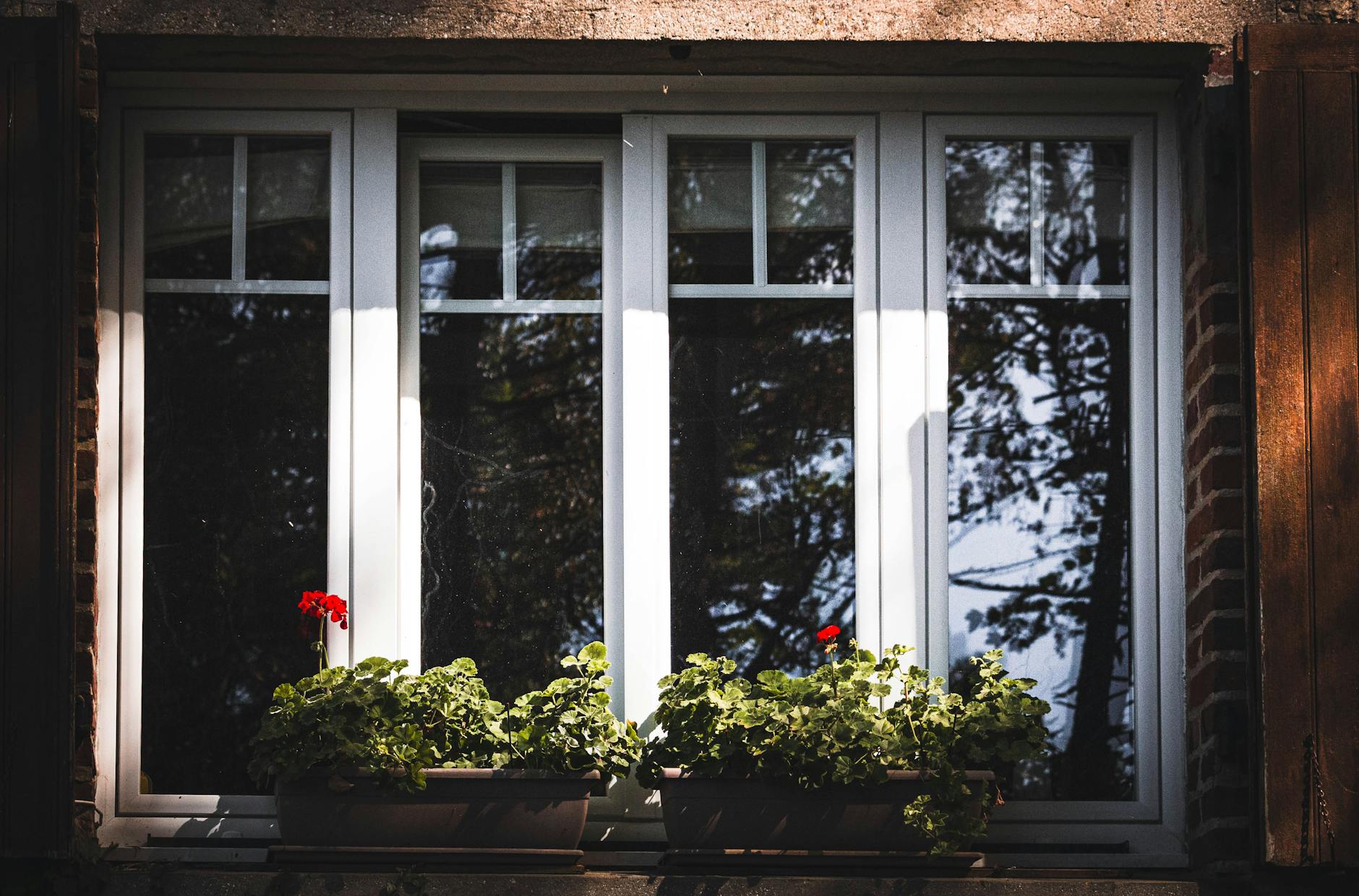
The question of whether double glazing is worth it for cost savings in the UK arrives inevitably each autumn as household energy bills climb. With installation costs easily reaching five figures, the promise of reduced heating expenses must compete against the immediate outlay. This analysis examines the actual mathematics—upfront investment against measured thermal performance, payback periods, and the less tangible benefits that influence the decision beyond pure arithmetic.
⚡ In a Rush? Key Takeaways
- Installation costs: £400–£600 per window for uPVC
- Annual savings: £150 per year for semi-detached home
- Payback period: 60 years without energy price inflation
- ✅ Consider long-term comfort and property value
How much does double glazing cost to install?
Expect to pay £400–£600 per window for uPVC frames, or £6,500–£10,000 for a typical three-bedroom semi-detached house. Timber and aluminium frames sit at the higher end of pricing.
Pricing varies significantly by material and specification. White uPVC casement windows represent the entry point, while wood-effect foils add 10–15% to the base cost. Aluminium offers slimmer sightlines but typically costs 50% more than standard uPVC. Sash windows—essential for period properties—demand premiums of £1,200–£1,800 per unit due to complex balance mechanisms.
Labour constitutes roughly 30% of the total bill. Ground-floor installations proceed quickly, but first-floor windows often require scaffolding at £300–£500 per elevation, particularly on Victorian terraces with bay projections. Regional variations persist; London and South East installers charge 20–25% above Midlands and Northern rates. Always obtain three itemised quotations specifying U-values and hinge quality, as these details determine longevity more than frame colour.
How much energy will double glazing actually save?
Replacing single glazing with A-rated double glazing saves approximately £150 per year on heating bills for a semi-detached home, or up to £235 for a detached house.
The physics involves thermal transmittance—measured in U-values. Single glazing registers around 5.8 W/m²K, meaning it loses heat five times faster than modern double-glazed units rated at 1.2–1.6 W/m²K. For a typical semi-detached property, this translates to a 50% reduction in heat loss through windows specifically.
Windows account for roughly 10–15% of total home heat loss, with walls and roofs claiming larger shares. Consequently, even dramatic window improvements yield modest absolute savings compared to loft insulation. The Energy Saving Trust provides specific figures: a detached house saves £235 annually when upgrading from single to A-rated double glazing, while a mid-terraced house saves approximately £105. These calculations assume gas heating at current tariff rates; homes using electric heating see pound-for-pound higher savings, though the underlying energy reduction remains constant.
What is the real payback period for double glazing?
With installation costs of £8,000 and annual energy savings of £135, simple payback sits at roughly 60 years. Comfort and noise reductions provide additional value.
Mathematically, the energy savings alone rarely justify the expense within the product lifespan. A £7,500 installation on a semi-detached home saving £135 annually requires 55 years to break even—longer than the 20–25-year lifespan of the windows themselves. However, this calculation assumes static energy prices, which historical data contradicts. At 5% annual energy inflation, the payback shortens to approximately 25 years, approaching the replacement horizon.
Compare this to cavity wall insulation, which typically pays back in 3–5 years, or loft insulation at 2–3 years. Double glazing represents a long-game efficiency measure rather than a rapid financial return. The investment functions partially as energy insurance against future price volatility, locking in thermal efficiency regardless of market fluctuations.
Does double glazing add value to your property?
While double glazing rarely adds more than its installation cost, it prevents value erosion. Homes with single glazing sell for 5–10% less than comparable double-glazed properties and linger longer on the market.
Estate agents report that modern buyers treat efficient windows as standard infrastructure rather than premium features. A property lacking double glazing enters the market with a maintenance deficit, inviting low offers that account for imminent £10,000 expenditures. Conversely, new windows signal deferred maintenance completion, smoothing transactions rather than commanding premiums.
Energy Performance Certificate (EPC) ratings provide concrete metrics. Upgrading from single to double glazing typically improves an EPC score by 5–10 points—potentially moving a property into a higher band. Since 2025, rental properties require a minimum EPC rating of C, making window upgrades essential for landlords rather than optional improvements. Owner-occupiers benefit from improved market liquidity when eventually selling.
Are there grants available in the UK?
The ECO4 scheme funds upgrades for households receiving specific benefits, while VAT on energy-saving materials stands at 5%. Most homeowners pay market rates.
The Energy Company Obligation (ECO4) requires large utilities to fund efficiency measures for low-income, fuel-poor, or vulnerable households. Eligibility typically requires receipt of Universal Credit, Pension Credit, or Child Tax Credit with income thresholds. qualifying properties can receive free or heavily subsidised window upgrades, though installer availability varies by postcode.
The Great British Insulation Scheme (GBIS) focuses primarily on insulation rather than windows. For those ineligible for ECO4, the 5% VAT rate on energy-saving materials (reduced from 20%) provides modest relief—saving approximately £500 on a £7,500 installation. Some local authorities offer additional grants under the Home Upgrade Grant Phase 2, particularly for off-gas-grid properties, though these funds deplete rapidly.
Secondary glazing versus double glazing: which costs less?
Secondary glazing costs £150–£300 per window professionally installed, or £50–£100 for DIY kits. It delivers 50–60% of the thermal benefit at roughly one-third the cost.
For listed buildings or rental properties where window replacement is prohibited, secondary glazing offers legitimate efficiency gains. Acrylic or glass panels fitted to the interior frame side create an air gap that significantly reduces heat loss and eliminates draughts. Acoustic benefits often exceed those of standard double glazing, particularly with laminated glass options.
DIY magnetic or fixed systems suit competent home improvers, while sliding sash secondary glazing demands professional fitting. Unlike replacement windows, secondary units can travel with you when you move, though few bother with removal. For short-term occupancy—under five years—secondary glazing provides superior cost efficiency over full replacement.
When is double glazing not worth it?
If your existing double glazing is less than fifteen years old, upgrading offers marginal returns. Similarly, properties you plan to vacate within five years rarely justify the capital outlay through savings.
Much existing double glazing performs adequately despite age. Only units with blown seals (visible condensation between panes) or degraded frames require immediate replacement. Before committing £10,000, investigate whether your money works harder elsewhere—roof and solid wall insulation typically deliver faster returns.
For temporary mitigation, window insulation film costs under £20 and reduces heat loss by 15–20% for a single winter. Heavy thermal curtains provide similar benefits at night. Draught-proofing existing frames with compression seals costs £5–£10 per window and addresses air leakage more cost-effectively than glass replacement.
The verdict: weighing comfort against cost
Double glazing fails the pure investment test for most UK homeowners, with payback periods extending beyond the windows’ functional lifespan. Yet the calculation changes when you factor thermal comfort, acoustic insulation, condensation elimination, and property marketability. For the long-term owner-occupier planning decades in a draughty Victorian semi, the cost savings UK households achieve with double glazing eventually materialise alongside improved quality of life. For the short-term resident or the owner of already adequate windows, the money belongs in the roof, not the frames.
📊 Efficiency Verdict
Double glazing offers modest annual savings but significantly improves comfort and property value. Consider long-term benefits beyond pure arithmetic.