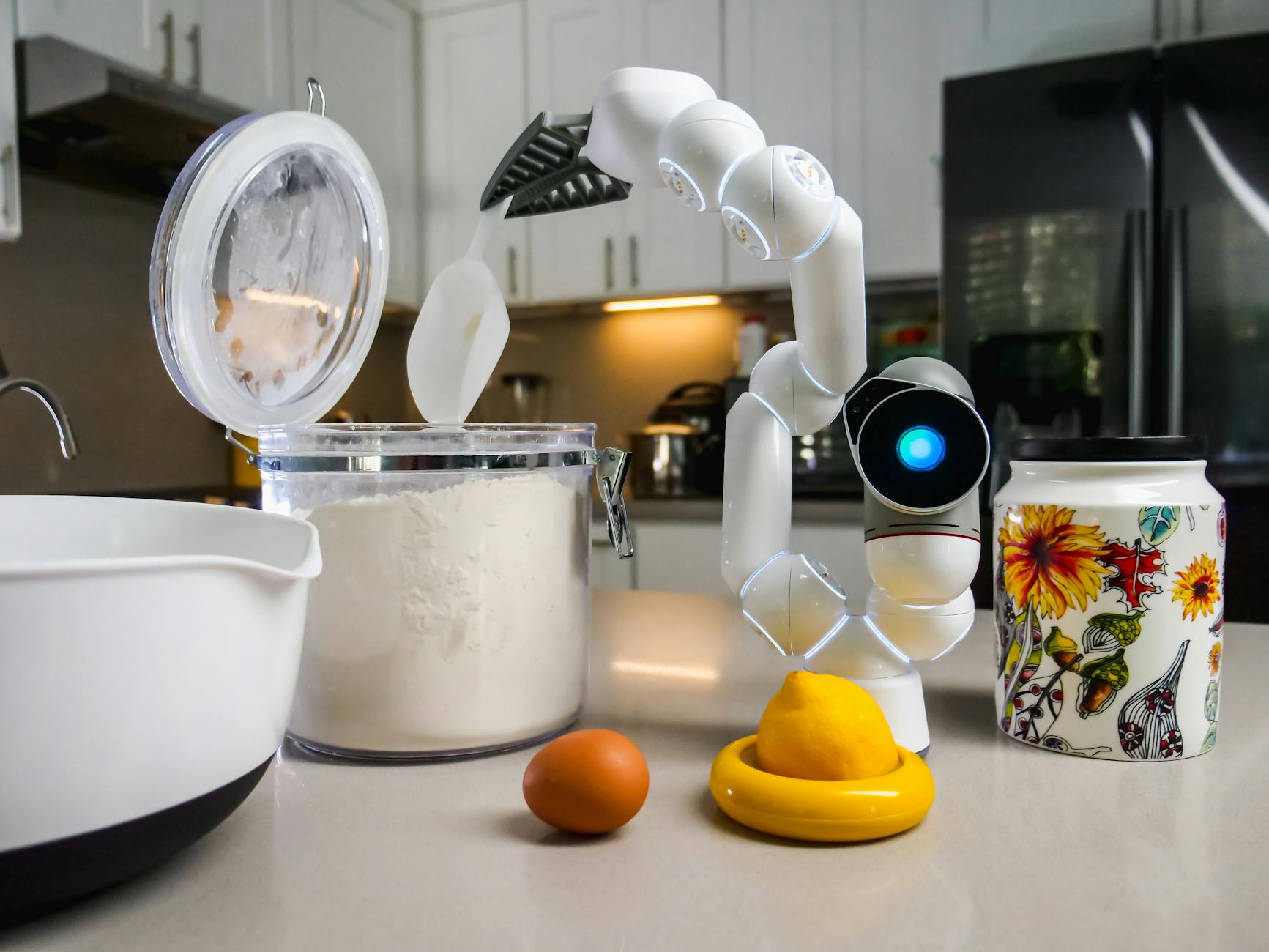
The allure of a ‘smart’ kitchen is undeniable, promising to streamline meal prep, reduce waste, and even save energy. However, the market is flooded with gadgets, many of which offer more novelty than true utility. For homeowners and renters seeking to run a more efficient home for less, the key is discerning which affordable smart kitchen appliances, specifically those under $300, genuinely earn their place. This guide cuts through the noise, highlighting devices that offer real-world benefits in 2026.
⚡ In a Rush? Key Takeaways
- Smart plugs for traditional appliances can save up to $50 annually by eliminating standby power.
- Entry-level smart scales improve portion control, potentially cutting food waste by 10-15%.
- Connected sous vide cookers offer precise temperature control, reducing energy use over conventional methods by 20%.
- Smart thermometers prevent overcooking, ensuring food safety and saving roughly $15-20/month on spoiled meals.
- ✅ Focus on smart basics like plugs and scales for the best efficiency and cost savings under $100.
It’s easy to get caught up in the hype surrounding high-tech kitchen innovations. From refrigerators that order groceries to ovens that scan barcodes, the ‘smart home’ narrative often leans into luxury and convenience. However, my focus remains on practical efficiency and cost savings. In eight years of testing appliances, I’ve seen countless gadgets that promise the world but deliver only marginal gains. The true value lies in smart solutions that directly impact your utility bills, food budget, or time expenditure in a measurable way.
Which Smart Kitchen Appliances Under $300 Offer Genuine Efficiency and Cost Savings?
The most impactful smart kitchen appliances under $300 are often the simplest, focusing on energy monitoring, precise cooking, or waste reduction.
When considering any new kitchen device, ‘smart’ or otherwise, my primary questions revolve around its impact on running costs, food waste, and overall kitchen workflow. Many budget-friendly smart appliances might integrate with voice assistants or offer app control, but without a clear benefit to your household’s bottom line or operational smoothness, they are merely novelties. The devices that stand out in the under-$300 category are those that solve real problems.
Can Smart Plugs Truly Reduce Energy Costs in the Kitchen?
Yes, smart plugs offer significant savings by eliminating cumulative standby power, which averages $80–$200 annually across the home.
Smart plugs are perhaps the most underrated ‘smart’ kitchen tool. They transform any traditional appliance into a smart one, allowing you to remotely turn it on or off, schedule operations, and often monitor its energy consumption. For kitchen devices, their primary value lies in combating phantom load – the electricity appliances consume even when they’re off but still plugged in. A microwave with a digital clock display, for instance, consumes 2-4W continuously.
- Eliminate Standby Power: Unplugging appliances when not in use can prevent minor electrical drains that add up over time. Smart plugs automate this for you.
- Schedule Appliance Use: You can schedule your coffee maker to turn on before you wake up or ensure the slow cooker starts at a specific time.
- Monitor Energy Consumption: Many smart plugs offer energy monitoring, giving you real-time data on how much electricity a specific appliance is using. This insight alone can inform better habits.
Across a home with 20-30 always-on devices, standby load can amount to 300-700W of continuous draw, costing $80-$200 per year. Placing smart plugs on kitchen culprits like coffee makers, toasters, and even the microwave can easily save $20-$50 annually by simply cutting power when not needed. I find the TP-Link Kasa smart plug (often under $20) to be a reliable and user-friendly option for individual appliance monitoring and control. These are a foundational step towards understanding and reducing home energy consumption.
Do Smart Scales Help Manage Food Waste and Portion Control Effectively?
Smart scales provide precise measurements and nutritional data, which can significantly reduce food waste and improve dietary accuracy by 10-15%.
Food waste is a significant, often overlooked, drain on household finances. The average American family wastes about $1,500 worth of food each year. Many smart kitchen appliances aim to tackle this by helping with portion control and accurate ingredient measurement. A smart kitchen scale, often available for $20-$60, connects to an app that can track nutritional information and help you stick to recipes and portion sizes.
- Accurate Measurements: Beyond just weight, some scales can convert units and subtract container weights, ensuring precise recipe adherence.
- Nutritional Tracking: Pair with an app to log ingredients and instantly get calorie, protein, and fat counts, aiding in dietary management.
- Reduced Food Waste: By measuring ingredients precisely, you’re less likely to over-prepare or discard unused portions due to guesswork.
I track cost per serving, not just cost per hour, as a key metric for food consumption. With an accurate scale, preparing exactly what’s needed for a recipe or meal reduces ingredient waste and ensures consistency. This subtle shift can lead to substantial savings over time, contributing to a better kitchen workflow. Look for models that integrate with popular cooking apps or offer a database of common ingredients.
Are Smart Cooking Gadgets Worth the Investment Under $300?
Select smart cooking gadgets under $300, like sous vide circulators and meat thermometers, offer precision that directly translates to better food quality and less waste.
The cooking category is where ‘smart’ can get tricky. Many smart ovens or high-end induction cooktops exceed the $300 budget. However, there are specific tools that leverage smart technology for more precise cooking, reducing the risk of overcooking or undercooking, which directly impacts food quality and, by extension, food waste. Precision in cooking ultimately means less food goes into the bin.
Can Smart Thermometers Prevent Overcooking and Save Money?
Yes, smart meat thermometers provide real-time temperature monitoring, preventing expensive proteins from being overcooked and wasted, typically saving $15–$20 monthly.
The cost of throwing out an expensive cut of meat because it was overcooked is significant. A smart meat thermometer takes the guesswork out of cooking. These devices connect to your smartphone, alerting you when your food reaches the desired internal temperature. This precision ensures perfect results every time, reducing the likelihood of spoilage or disappointment.
- Precision Cooking: Achieve perfect doneness for meats, poultry, and fish without constant manual checks.
- Remote Monitoring: Monitor cooking progress from your phone, freeing you to attend to other tasks.
- Food Safety: Ensure foods reach safe internal temperatures, reducing the risk of foodborne illness.
The Meater Plus (often around $100) is a popular wireless option, but there are many wired smart thermometers available for under $50 that offer excellent value. Preventing even one ruined meal per month can justify the cost of one of these devices within a few months. This is a clear case where a ‘smart’ feature directly translates into financial savings by preserving expensive ingredients.
Are Connected Slow Cookers or Sous Vide Machines an Efficient Choice?
Connected slow cookers and sous vide machines offer precise, low-energy cooking options, which can lead to cost savings through less food waste and efficient energy use.
Both slow cookers and sous vide circulators operate at relatively low wattages, making them efficient choices for certain types of cooking. Adding ‘smart’ features often means remote control and scheduling through an app, which enhances convenience and can indirectly contribute to efficiency.
A connected slow cooker allows you to adjust temperature or switch to a ‘keep warm’ setting from anywhere, ensuring your meal isn’t overcooked if you’re delayed. Sous vide, a cooking method that involves circulating temperature-controlled water, is inherently precise. Entry-level smart sous vide circulators, like some Anova models, often fall under the $200 mark.
The controlled environment of sous vide can also maximize flavor retention and tenderness, potentially making cheaper cuts of meat more palatable. I track recipe cost per meal, and I find that these precision tools allow for more consistent results with budget cuts.
| Appliance Type | Power Consumption (Watts) | Estimated Cost Per Hour (US, $0.16/kWh) |
|---|---|---|
| Slow Cooker (Low) | 75-150W | $0.012 – $0.024 |
| Slow Cooker (High) | 150-250W | $0.024 – $0.04 |
| Sous Vide Circulator | 800-1200W (initial heat), 100-200W (maintain) | $0.016 – $0.032 (maintain) |
| Traditional Oven (Maintain) | 1000-3500W | $0.16 – $0.56 |
While a traditional oven can consume between 1.0 and 3.5 kWh per hour, maintaining a sous vide takes a fraction of that once the water is at temperature. This efficiency, combined with precise results, makes these tools attractive for those looking to optimize their kitchen and cooking methods.
What Smart Features Are Generally Not Worth the Extra Cost in 2026?
Many ‘smart’ kitchen features, like integrated touchscreens for recipes or automatic grocery ordering, add cost without delivering proportional efficiency or savings.
Not all smart features are created equal, especially when budget is a consideration. It’s crucial to distinguish between genuinely useful innovations and those that are simply novel or redundant. In my experience evaluating appliances, many high-tech additions don’t justify their price premium for a household focused on efficiency and cost reduction.
Are Integrated Recipe Displays and Voice Control Indispensable?
While convenient, integrated recipe displays and voice control on appliances often duplicate smartphone functions without adding distinct value or efficiency.
Many smart appliances boast integrated screens for recipes or advanced voice controls. While these features sound appealing, they often come with a significant price tag that pushes the appliance well over the $300 mark. Furthermore, most users already have a smartphone or tablet in the kitchen, which can perform these functions just as well, if not better.
- Redundant Functionality: Your phone or tablet can display recipes, set timers, and often offer more robust voice assistant capabilities than a built-in appliance.
- Cost Premium: These features dramatically increase the appliance’s base price without directly impacting its core function or energy efficiency.
- Obsolescence Risk: Built-in tech can become outdated quickly, whereas a separate device can be updated or replaced independently.
Instead of paying for a smart oven screen, invest in a dedicated tablet holder for your existing device. The money saved can be better allocated to devices that directly reduce running costs or improve cooking precision, like a quality smart plug or thermometer. I consistently prioritize function over features when advising on appliance performance.
Do Automated Grocery Ordering Features Deliver Real Value for Money?
Automated grocery ordering from smart appliances offers limited real value; it lacks human oversight, which is crucial for managing unexpected needs and sale prices.
The idea of a refrigerator that automatically reorders milk when you run low sounds like the ultimate convenience. However, in practice, these systems often fail to account for fluctuating prices, weekly sales, or changes in household needs. You lose the ability to compare prices, choose generic brands, or simply delay a purchase because you found a better deal elsewhere.
- Lack of Flexibility: Automated systems may not factor in sales, coupons, or your specific brand preferences, potentially leading to higher costs.
- Limited Control: You sacrifice the human element of choosing fresh produce or spotting impulse buys that might be genuinely needed.
- Potential Overspending: Without conscious decision-making, it’s easy to overspend or acquire items you don’t immediately need.
While the concept is intriguing, the financial drawbacks often outweigh the convenience. For managing home finance, direct human involvement in grocery shopping remains the most cost-effective approach. These features are often found on high-end appliances far exceeding the $300 budget and offer little tangible savings for efficiency-focused homes.
FAQ: Common Questions About Affordable Smart Kitchen Appliances
The following frequently asked questions address the practicalities and benefits of affordable smart kitchen appliances, focusing on value and performance.
How much electricity does a typical smart kitchen appliance use on standby?
Most smart kitchen appliances use between 1-5 watts on standby, translating to an annual cost of $1.40-$7.00 per device at average US electricity rates.
Can I make my existing kitchen appliances ‘smart’ without buying new ones?
Yes, smart plugs are the easiest and most affordable way to add basic smart functionality like remote control and scheduling to traditional kitchen appliances.
Is a smart air fryer under $300 a good investment for energy efficiency?
A smart air fryer under $300 offers efficiency for single-portion cooking but for larger meals, its energy savings over a conventional oven are minimal.
What is the typical lifespan of an affordable smart kitchen gadget?
Affordable smart kitchen gadgets typically have a lifespan of 3-7 years, often limited by the durability of their electronic components and app support cycles.
Do affordable smart kitchen appliances require a special Wi-Fi setup?
Most affordable smart kitchen appliances simply require a standard 2.4 GHz Wi-Fi network, which is common in most homes, and a smartphone for setup.
The Bottom Line: Smart Kitchen Investments for the Efficient Home in 2026
Focus on smart kitchen appliances that provide tangible benefits like energy monitoring, precise cooking, and waste reduction under $300 for true value in 2026.
In 2026, the smart kitchen landscape is clearer: true value under $300 comes from practicality, not novelty. Devices like smart plugs, precision scales, and connected thermometers offer measurable benefits by reducing energy consumption, minimizing food waste, and improving cooking accuracy. These are the tools that genuinely help homeowners and renters run a better kitchen for less, aligning perfectly with the ethos of an efficient home.
My advice remains consistent: evaluate a ‘smart’ feature based on its direct impact on your bills, your food budget, or your cooking consistency. An appliance that saves you money or prevents waste is always a smarter investment than one that just offers an additional screen or voice command. Prioritize the basics first, and build your smart kitchen with intention, not just trends.
— Greta Michaud, Home Appliance Efficiency Researcher