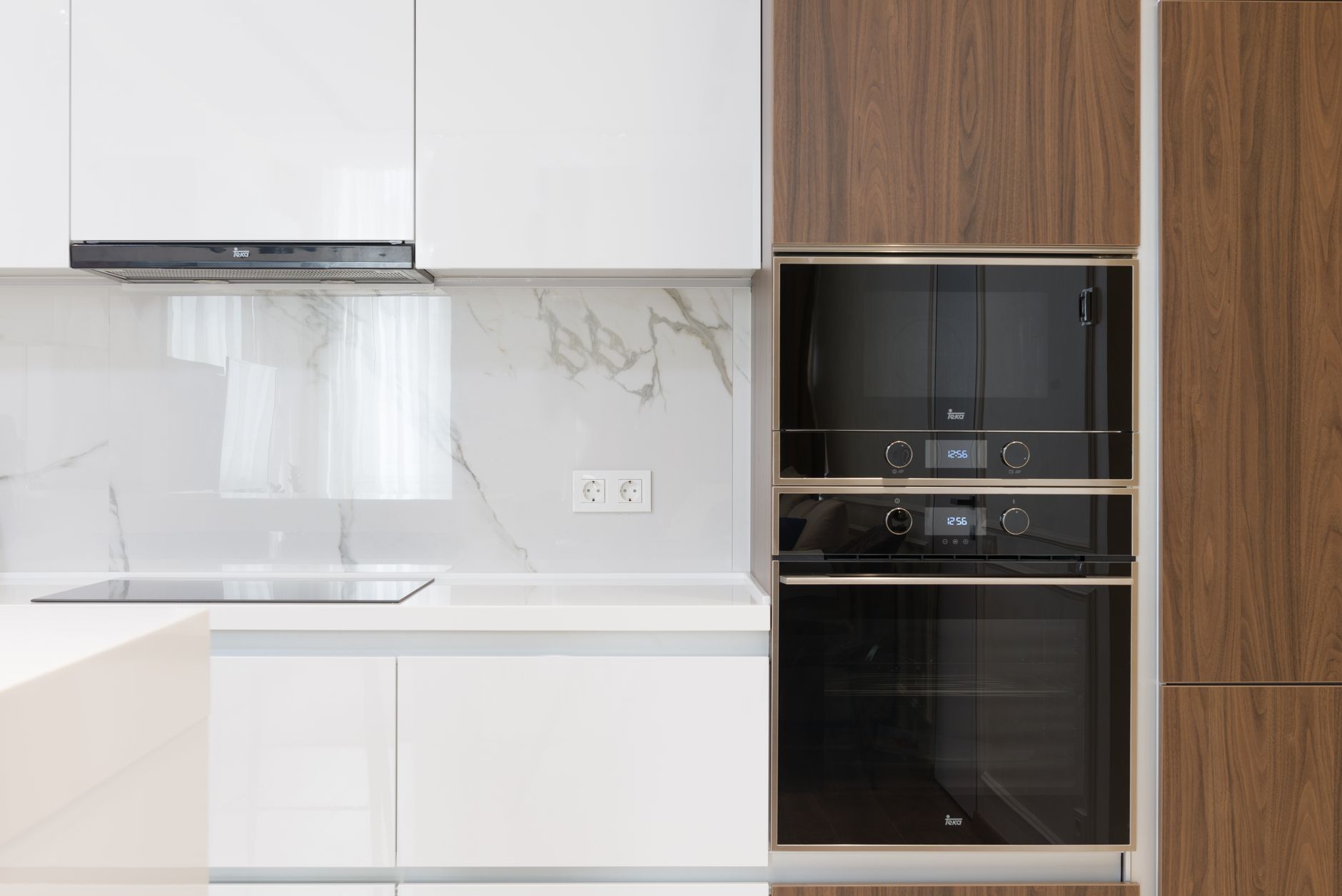
When outfitting a new kitchen or undertaking a major remodel, the temptation to purchase a coordinated suite of appliances as a ‘bundle’ is strong. Manufacturers and retailers frequently promote these packages as a convenient and cost-effective solution, promising significant savings alongside a harmonised aesthetic. However, the perceived value of these bundles versus the strategic acquisition of individual appliances warrants a closer look, especially in 2026’s competitive market.
⚡ In a Rush? Key Takeaways
- Bundles typically offer 10-25% savings on sticker price compared to purchasing the same appliances individually from the same retailer.
- Individual purchases can achieve 15-30% savings by selectively shopping sales, open-box deals, and different retailers for each appliance.
- The total cost of ownership, including delivery, installation, and potential energy savings, often negates initial bundle discounts.
- An old inefficient fridge costs $30-50 more per year to run than a new A-rated model; these hidden costs add up over a 15-20 year lifespan.
- ✅ Verdict: Individual purchases often offer greater long-term value and customisation, despite requiring more research.
The decision of whether to invest in an appliance bundle or curate a collection of individual units often boils down to a trade-off between convenience, immediate savings, and long-term performance and efficiency. This guide will meticulously break down the financial and practical implications of both approaches, helping you make an informed choice for your home.
Do Appliance Bundles Actually Save You Money?
While bundles present an upfront discount, true savings depend on the specific appliances included and how they align with your needs and energy efficiency goals.
The allure of appliance bundles is often rooted in their advertised discounts. Retailers frequently promote savings of 10% to 25% when you purchase a refrigerator, range, dishwasher, and microwave as a package. This can translate to hundreds, if not thousands, of dollars off the combined list price, making them seem like an undeniable deal.
How do bundle discounts compare to individual sale prices?
Bundle discounts are typically applied to the manufacturer’s suggested retail price, which may be higher than individual sale prices found during major promotions.
While a bundle might offer a 15% discount, individual appliances often go on sale for 20% to 40% off during holiday weekends, Black Friday, or clearance events. Savvy shoppers can often piece together a superior collection of appliances at a lower cumulative cost by taking advantage of these staggered sales across different retailers. This approach requires more patience and planning, but the financial reward can be substantial.
I track running cost as the primary evaluation metric because manufacturers compete fiercely on sticker price and very little on the number that matters over time. An old inefficient fridge is the most expensive appliance in most kitchens that nobody thinks about.
- Bundle Savings: Typically 10-25% off MSRP for a set of 3-4 appliances.
- Individual Sale Savings: Potentially 20-40% off individual MSRP, varying by brand and model.
- Clearance/Open Box: Can yield 30-60% off for individual items, often with cosmetic imperfections.
- Negotiation Power: More flexibility to negotiate on individual high-ticket items than on pre-set bundles.
What are the hidden costs of appliance bundles?
Hidden costs in bundles include suboptimal appliance choices, higher long-term utility bills, and potentially restrictive warranty or return policies.
One of the primary hidden costs lies in being forced to purchase less-than-ideal appliances. A bundle might offer a top-tier refrigerator and range, but pair them with a lower-end dishwasher or microwave that doesn’t meet your performance or energy efficiency expectations. This can lead to dissatisfaction or higher running costs over the lifespan of the appliance. For instance, a dishwasher with an inefficient drying cycle could add significant energy consumption over its lifetime, negating initial bundle savings.
Furthermore, bundles can sometimes come with less flexible warranty terms or return policies. If one appliance in the bundle malfunctions or isn’t right for your space, returning or exchanging just that single item might be complicated, impacting your overall satisfaction and costing you more in the long run.
How does the total cost of ownership factor in?
Total cost of ownership includes purchase price, delivery, installation, and crucially, long-term running costs, which bundles often fail to optimise.
The initial purchase price, whether for a bundle or individual items, is only one piece of the financial puzzle. The total cost of ownership extends to delivery fees, installation charges, and, most significantly, the recurring utility costs over the appliances’ lifespan. For example, a refrigerator’s cumulative electricity cost typically exceeds its purchase price over a ten-year ownership period. Our appliance cost calculator can help you project these expenses.
A bundle might save you $500 today, but if it includes a washing machine that’s less energy-efficient than an individually selected model, you could be paying an extra $30-50 per year in electricity bills. Over the typical 10-14 year lifespan of a washing machine, that adds up to $300-700 in additional running costs, effectively erasing your initial bundle savings. It’s also worth considering the impact of cold water washing on energy use if you’re selecting a new washing machine.
What are the Advantages of Buying Individual Kitchen Appliances?
Buying individual appliances offers greater flexibility to select models precisely matching your needs, budget, and energy efficiency standards, optimising long-term value.
Opting for individual purchases gives you unparalleled freedom to mix and match brands, features, and price points. This approach allows you to prioritise where you allocate your budget and ensure every appliance genuinely serves its purpose in your home. The biggest advantage here is customisation.
Can you really get better quality by buying separately?
Yes, buying separately allows you to select best-in-class appliances for each function, rather than being limited to a bundled set’s overall performance average.
Bundles often feature a flagship item to anchor the deal, but the other appliances might be mid-range or basic models. By purchasing individually, you can invest in a high-performance dishwasher from one brand, a premium range from another, and a refrigerator that excels in energy efficiency from a third. This allows you to avoid compromising on quality for those appliances that matter most to your daily routine.
For instance, if you cook frequently, you might want an induction range with precise temperature control. If you entertain often, a quiet dishwasher becomes a priority. These specific needs are often better met by targeting individual appliances chosen for their specific strengths.
Is it easier to find better energy efficiency ratings individually?
Absolutely. Individual appliance selection allows you to specifically target Energy Star certified or A-rated (EU) models across all categories, maximising efficiency.
One of my key observations from testing appliances is that the new EU energy label effectively highlights the running cost differences. A fridge-freezer built before 2015 typically uses 400–600 kWh per year. A current A-rated model uses 100–200 kWh. This significant difference means that selecting individually allows you to ensure each appliance contributes to a lower overall utility bill, which is crucial for long-term savings.
| Appliance Type | Average Energy Use (Older Model) | Average Energy Use (Efficient 2026 Model) | Annual Savings (US Avg. $0.16/kWh) |
|---|---|---|---|
| Refrigerator | 500 kWh/year | 150 kWh/year | $56.00 |
| Dishwasher | 300 kWh/year | 180 kWh/year | $19.20 |
| Electric Range | 350 kWh/year (approx.) | 280 kWh/year (approx.) | $11.20 |
| Microwave | 60 kWh/year (standby/use) | 30 kWh/year (standby/use) | $4.80 |
Table: Estimated Annual Energy & Cost Savings by Appliance Type (Older vs. Efficient 2026 Model)
How much flexibility do you gain with individual purchases?
Individual purchases offer complete flexibility in aesthetics, features, and brand loyalty, allowing you to curate a kitchen that precisely meets your personal style and functional needs.
Perhaps you prefer a specific brand for its reliability, like Bosch for dishwashers, but are drawn to another for its refrigerator design. With individual purchases, you’re not locked into a single manufacturer’s ecosystem. This freedom extends to colour, finish, and handle styles. Your kitchen can be a truly personalised space rather than a showroom display of matching appliances.
Based on our efficiency data, appliances that consistently perform well in energy usage over their lifespan generally offer better value, which is why our top picks in each category (range, refrigerator, dishwasher) are typically Energy Star rated or equivalent models from independent sellers.
Frequently Asked Questions About Appliance Bundles
Here are common concerns and essential answers regarding the value and implications of buying kitchen appliance bundles in 2026.
When should you consider buying an appliance bundle?
Consider a bundle if design cohesion is paramount, you’re on a tight deadline, or a specific bundle offers exceptional value on models you genuinely want.
Can you negotiate the price of an appliance bundle?
Negotiating is often possible at independent retailers or during major sales; ask explicitly about additional discounts or free upgrades on bundled items.
Do appliance bundles come with a single warranty?
No, typically each appliance in a bundle comes with its own individual manufacturer warranty, which can vary in terms and duration.
Is installation cheaper for appliance bundles?
Installation costs can be slightly lower for bundles if the work is efficiently grouped, but complex installations will still incur significant per-appliance fees.
How important is appliance finish matching in 2026?
Matching finishes remain popular for a cohesive look, but mixed finishes are acceptable and can add character if done intentionally and tastefully.
The decision to buy kitchen appliance bundles or individual units is a complex one, balancing immediate financial savings against long-term operating costs, aesthetic preferences, and functional needs. While bundles offer convenience and a visually harmonious kitchen, the true financial and practical advantages often lie in the deliberate selection of individual appliances. This approach, though more time-consuming, consistently yields better tailored, more efficient, and ultimately more satisfying results for the homeowner who values careful planning and long-term value.
— Greta Michaud, Home Appliance Efficiency Researcher