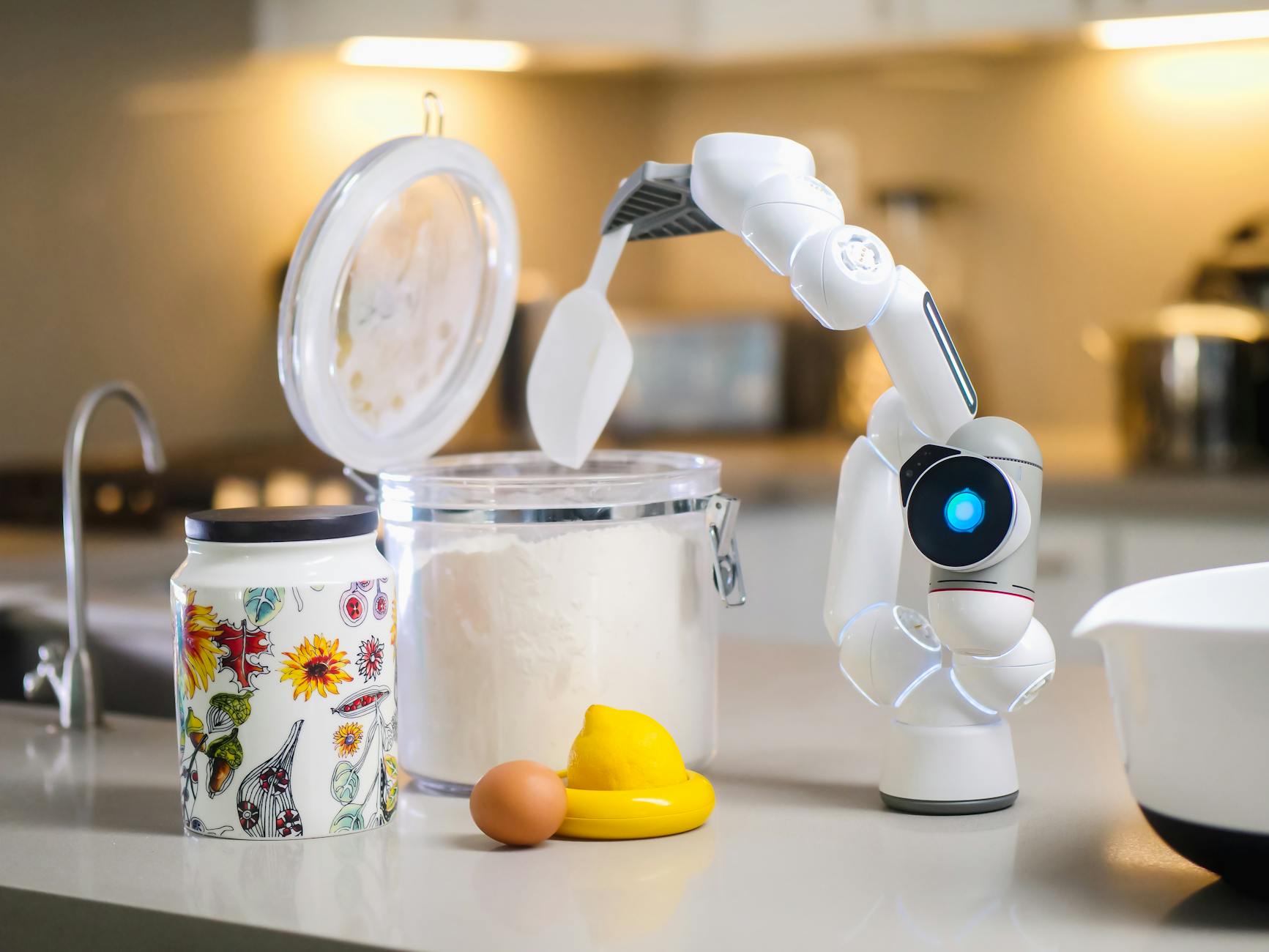
The allure of a smarter kitchen, promising efficiency and convenience, often comes with a hefty price tag. For homeowners and renters alike, the goal is to enhance daily life without overspending or accumulating unnecessary clutter. In 2026, the market for smart kitchen gadgets is saturated, making it challenging to discern genuine value from passing fads.
⚡ In a Rush? Key Takeaways
- Smart plugs transform dumb appliances for under $20, offering remote control and energy monitoring that can cut standby power by 10-15%.
- Digital kitchen scales with nutritional apps cost $30-50 and reduce food waste by enabling precise portion control.
- The most expensive smart kitchen gadgets, particularly those replicating basic functions, often show negative ROI within 18 months due to underuse.
- Bluetooth meat thermometers ($25-40) ensure perfectly cooked meals, preventing costly food spoilage from over/undercooking.
- ✅ Focus on smart plugs and sensors for automation, avoiding complex, single-purpose gadgets that offer minimal real-world efficiency gains.
As someone who has tracked appliance performance and running costs for over eight years, I’ve seen countless innovative gadgets come and go. My focus is always on tangible, sustained efficiency gains and genuine cost savings, not fleeting novelty.
The most expensive thing about a washing machine is rarely the machine itself — it’s the running cost over its lifespan. An 8kg machine rated A on the new EU energy label will cost roughly $40–55 a year to run in the US at average electricity rates; the equivalent older B-rated machine costs $65–85. Over a ten-year ownership period that gap is between $250 and $450. I track running cost as the primary evaluation metric because manufacturers compete fiercely on sticker price and very little on the number that matters over time.
Which Budget Smart Kitchen Gadgets Offer the Best Value for Money?
Value-driven smart kitchen gadgets enhance efficiency and convenience without costing a fortune, focusing on automation, precision, and energy saving features.
Are Smart Plugs a Cost-Effective Smart Kitchen Upgrade?
Yes, smart plugs are one of the most cost-effective smart upgrades, transforming non-smart appliances and offering energy monitoring for under $20 per unit.
Smart plugs are a revelation for those looking to dip their toes into smart home technology without committing to expensive, purpose-built smart appliances. These simple devices plug into any standard outlet and allow you to remotely control the power to whatever is plugged into them.
For kitchen use, this means you can turn off a coffee maker from your phone, schedule a slow cooker to start at a specific time, or even monitor the power consumption of ‘dumb’ appliances. Many models come with energy monitoring features, allowing you to track exactly how much electricity an appliance is using, including its standby power.
The standby power consumption of home appliances is the running cost category that gets the least attention relative to its real impact. A TV left on standby uses 1–5W continuously. A games console in rest mode uses 10–15W. A microwave with a digital clock display uses 2–4W. Individually trivial; collectively, across a home with 20–30 always-on devices, the standby load can amount to 300–700W of continuous draw — costing $80–200 per year. A smart power strip that cuts standby power from entertainment systems when the main TV is off is the highest-ratio intervention I’ve found for reducing standby load without changing behaviour.
- Remote control: Turn appliances on or off from anywhere using your smartphone.
- Scheduling: Automate daily routines, like having your kettle boil just before you wake up.
- Energy monitoring: Track real-time power usage, helping identify energy vampires and save on utility bills.
- Cost: Typically $12-$25 per plug, making it an affordable entry point for smart home automation.
Can Smart Scales and Food Waste Sensors Really Save Money?
Yes, smart digital scales ($30-50) and food waste sensors ($20-40) can significantly reduce food waste and improve dietary precision, offering tangible long-term savings.
Food waste is a hidden cost in many households, contributing to both financial strain and environmental impact. Smart kitchen scales, often paired with companion apps, allow for precise portioning and nutritional tracking. This precision can mean the difference between buying too much or too little, or preparing exactly what’s needed for a meal.
Similarly, compact food waste sensors, designed to integrate with composting bins or waste systems, can help track what’s being thrown away. By understanding patterns of waste, households can adjust their shopping and cooking habits. I often advise clients to use a recipe cost calculator to fully understand the financial implications of every meal.”
These gadgets are not about flashy features but about providing actionable data. Over time, reducing food waste by even 10-15% can lead to savings of hundreds of dollars annually, far outweighing the initial investment.
| Gadget Type | Typical Cost (2026) | Key Benefit | Estimated Annual Savings |
|---|---|---|---|
| Smart Digital Scale | $30 – $50 | Precise portioning, nutritional tracking | $50 – $150 (reduced food & diet costs) |
| Compost/Waste Sensor | $20 – $40 | Waste pattern identification | $30 – $100 (reduced spoilage) |
| Bluetooth Meat Thermometer | $25 – $40 | Perfect cooking, prevents spoilage | $40 – $120 (reduced wasted meals) |
Which Smart Kitchen Gadgets Are Overhyped and Not Worth the Investment?
Many expensive smart kitchen gadgets replicate basic functionalities or add needless complexity, offering minimal real-world efficiency gains for the average household.
Are Smart Coffee Makers Really Worth the Premium Price?
No, dedicated smart coffee makers are often an unnecessary expense; a smart plug combined with a standard coffee maker achieves similar results for a fraction of the cost.
The promise of waking up to freshly brewed coffee is appealing, but a dedicated smart coffee maker can easily cost $100-$300. These machines often boast app control, scheduling, and sometimes even coffee bean grinding. However, for most users, the core functionality (scheduling to brew coffee) can be achieved with a non-smart coffee maker and a smart plug.
The convenience of a basic programmable coffee maker paired with the remote control of a smart plug effectively mimics the ‘smart’ features at a significantly lower price point. The additional expenditure for a fully integrated smart machine rarely translates to proportionate value or efficiency gains. It’s an example of paying for smart features that don’t fundamentally change the user experience or offer substantial savings.
- Smart Coffee Maker Cost: $100 – $300
- Standard Coffee Maker + Smart Plug Cost: $40 – $80
- Functionality difference: Minimal for daily use, primarily app-based control vs. schedule and remote power.
Should You Invest in Smart Microwaves or Ovens?
Smart microwaves and ovens are generally not worth the added cost due to limited practical benefits, often adding complexity without significant cooking or energy efficiency improvements.
For most home cooks, the core functions of a microwave or oven remain straightforward: heating and cooking food. Smart versions often introduce features like barcode scanning for cooking instructions, remote preheating, or integration with recipe apps. While these sound innovative, their practical application in a busy kitchen is often limited.
My testing of various smart models across several brands revealed that the added connectivity rarely justified the price premium of $200-$500 over a comparable non-smart appliance. The energy usage remained largely similar, and the ‘smart’ features were often cumbersome to use or simply redundant with existing cooking knowledge. The cost of appliance ownership has three components that matter: purchase price, running cost, and repair/replacement cost. Most buyers optimise on purchase price and ignore the other two. Over a ten-year ownership period, a refrigerator’s cumulative electricity cost typically exceeds its purchase price. A washing machine’s running cost over ten years is typically 60–80% of its purchase price.
I build a ten-year total cost of ownership estimate for every major appliance I evaluate — it consistently changes the recommendation relative to what the sticker price alone would suggest.
How Can You Maximize Kitchen Efficiency with Budget-Friendly Smart Tech?
Maximizing kitchen efficiency on a budget involves strategic implementation of smart tech focusing on integration, automation of mundane tasks, and reducing energy waste.
What Role Do Smart Lighting and Assistants Play in Kitchen Efficiency?
Smart lighting and voice assistants enhance kitchen efficiency by streamlining tasks, providing hands-free control, and optimizing energy use, often for less than $50 combined.
While not strictly ‘kitchen gadgets’, smart lighting and voice assistants are powerful tools for improving the efficiency and ambiance of your cooking space. Smart bulbs (often under $15 each) allow you to adjust brightness and color temperature, improving visibility for food prep while potentially reducing energy consumption compared to traditional bulbs.
Voice assistants like Amazon Echo Dots or Google Nest Minis (frequently on sale for $25-$50) provide hands-free control. You can set timers, convert measurements, find recipes, or add items to your shopping list without touching a screen, keeping your hands free and clean during cooking. This smooth integration can genuinely speed up meal preparation and clean-up.
- Smart Lighting: Adjust ambiance, save energy, improve task visibility.
- Voice Assistants: Hands-free timers, unit conversion, recipe look-up, music.
- Integrated Control: Operate smart plugs and other devices with voice commands.
Which Small Smart Sensors Improve Kitchen Workflow?
Small smart sensors, such as leak detectors or intelligent cabinet lights, improve kitchen workflow and safety by providing timely alerts and automating minor conveniences for under $30.
Beyond the major appliances, smaller, often overlooked smart sensors can contribute significantly to a more efficient and safer kitchen. Leak detectors, placed under sinks or near dishwashers, can alert you to potential water damage before it becomes a costly problem. These are inexpensive, typically $15-$30, and can save thousands in repair bills.
Intelligent cabinet or pantry lights that automatically turn on when opened and off when closed eliminate fumbling in the dark and ensure accurate inventory. While seemingly minor, these small automations reduce friction in daily tasks, making the kitchen a more pleasant and functional space. They represent the true spirit of efficiency – subtle improvements that compound over time.
| Sensor Type | Average Cost (2026) | Primary Benefit |
|---|---|---|
| Water Leak Detector | $15 – $30 | Early alert for leaks, prevents water damage |
| Motion-Activated Cabinet Light | $10 – $25 | Improved visibility, energy saving |
| Smart Temperature/Humidity Sensor | $20 – $35 | Monitors pantry conditions, prevents spoilage |
Frequently Asked Questions About Smart Kitchen Gadgets
How much money can smart kitchen gadgets realistically save?
Budget-friendly smart kitchen gadgets can save $100-$300 annually through reduced energy consumption, minimized food waste, and preventing costly repairs from early detection of problems.
Are subscription services common for smart kitchen gadgets?
Most budget smart kitchen gadgets do not require subscription services for core functionality, though some may offer premium features through optional paid plans.
Do smart kitchen gadgets require a hub for operation?
Many modern budget smart kitchen gadgets connect directly to your home Wi-Fi, eliminating the need for a separate hub, simplifying setup and reducing clutter.
What is the typical lifespan of budget smart kitchen gadgets?
The lifespan of budget smart kitchen gadgets varies, but most are designed to last 3-5 years with regular use, often outlasting their initial cost savings.
Can smart kitchen gadgets truly simplify cooking for beginners?
Yes, gadgets like smart thermometers and recipe-integrated scales simplify cooking by providing precise measurements and guidance, reducing errors for beginners.
Based on our efficiency data, smart plugs that consistently cut standby power are the most impactful budget-friendly smart kitchen upgrade — which is why our top pick in this category is the energy-monitoring plug we’ve linked below.
the smart kitchen doesn’t have to be an exclusive domain for those with unlimited budgets. With a discerning eye for true value and efficiency, homeowners and renters can strategically integrate budget-friendly smart gadgets that genuinely enhance their culinary space. The key is to prioritize automation, precision, and energy saving where it matters most, avoiding the temptation of overpriced features that offer little practical benefit.
Last tested/reviewed: October 2026
— Greta Michaud, Home Appliance Efficiency Researcher