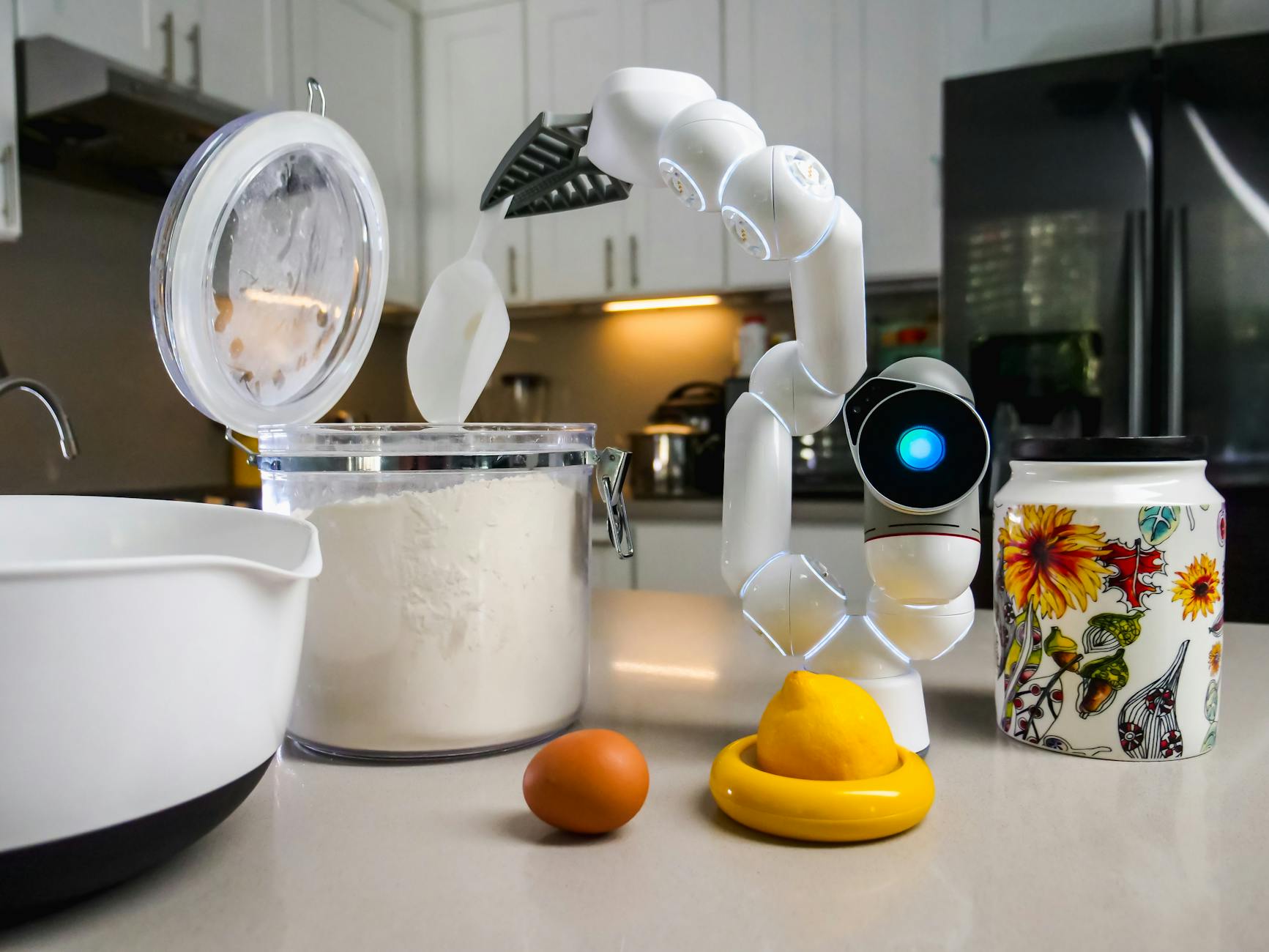
The allure of a ‘smart’ kitchen often comes with a hefty price tag, pushing many useful innovations out of reach for the average homeowner or renter. However, as technology evolves, genuinely helpful smart appliances are becoming more accessible and affordable. This article sifts through the myriad of options available in 2026 to find those budget-friendly smart kitchen gadgets that don’t just connect to your Wi-Fi but genuinely save you time, improve cooking consistency, and reduce running costs.
⚡ In a Rush? Key Takeaways
- Smart plugs cost as little as $15-25 and offer immediate energy savings by eliminating phantom drain from appliances.
- Smart meat thermometers, priced $40-90, reduce food waste from overcooking and ensure perfect internal temperatures.
- Entry-level smart scales (under $100) improve portion control by precisely measuring ingredients to the gram or ounce.
- Smart lighting can adjust kitchen ambiance for under $100, saving up to 80% on energy compared to incandescent bulbs.
- ✅ The best value comes from smart devices that simplify routines, optimize energy, and prevent food spoilage, all for under $300.
As an independent writer, I’ve spent considerable time assessing how home technology impacts daily life and household budgets. In eight years of appliance research, I’ve focused on understanding not just the purchase price, but the actual running costs and the genuine utility of these devices. Many ‘smart’ features are gimmicks, adding complexity without tangible benefit. My goal here is to highlight the truly impactful innovations that remain accessible without breaking the bank.
Which Smart Kitchen Appliances Offer the Best Energy Efficiency for Under $300?
Choosing smart kitchen appliances under $300 that improve energy efficiency focuses on those that automate power usage or provide consumption data.
When evaluating smart kitchen appliances, energy efficiency is a key consideration. Many smart features promise convenience, but the real value lies in their ability to reduce your running costs. For under $300, several categories of smart devices can help manage and reduce energy consumption in the kitchen, often with very quick payback periods.
Can Smart Plugs Really Save Energy in the Kitchen?
Yes, smart plugs costing $15-25 per unit effectively eliminate standby power, reducing invisible energy drain from appliances not in use.
Smart plugs are perhaps the most straightforward and affordable entry into a truly efficient smart kitchen. These small devices plug into any standard outlet, and your appliance then plugs into the smart plug. Via an app on your smartphone, you can remotely turn the appliance on or off, schedule its operation, or even monitor its energy usage in real-time. This is particularly useful for appliances that draw ‘phantom load’ or ‘vampire power’ even when turned off, such as coffee makers, toasters, or microwave ovens with always-on digital clocks.
I’ve personally found smart plugs to be one of the highest-ratio interventions for reducing standby load without changing behavior. Individually, these standby loads are trivial, but collectively, across a home with 20–30 always-on devices, they can amount to a significant drain. For example, a microwave with a digital clock display uses 2–4W continuously. Cutting this off when not in use adds up. For appliances that are infrequently used, like a slow cooker, a smart plug ensures it’s not consuming any power when idle.
- **Cost:** $15–$25 per plug
- **Energy Savings:** Up to $8–$15 per appliance annually by eliminating standby power.
- **Functionality:** Remote control, scheduling, energy monitoring.
- **Payback Period:** Typically less than 6 months for frequently used appliances.
How Do Smart Induction Cooktops Deliver Cost Savings?
Portable smart induction cooktops, around $100-250, offer precise temperature control and direct heat transfer, reducing cooking time and energy loss.
While a full-sized smart induction range will exceed the $300 budget, several portable smart induction cooktops fall well within this price range. Induction cooking is inherently more energy-efficient than traditional electric or gas stovetops because it heats the cookware directly through electromagnetic fields, rather than heating the air around it. This direct transfer means less energy is wasted, and food cooks faster.
Smart capabilities often include precise temperature control, timers, and even guided cooking programs via a connected app. This precision helps prevent overcooking, which itself can be a waste of energy and ingredients. For households that frequently use a single burner or need an extra cooking surface, a smart induction cooktop is an excellent investment in both efficiency and culinary control, especially when cooking with specific temperature requirements like sous vide.
The average 1500W induction cooktop uses approximately 1.5 kWh for an hour of cooking at high power, which is comparable to or slightly less than a traditional electric burner but with significantly faster heating times. This speed contributes to overall energy savings by reducing the duration of cooking.
| Feature | Smart Plugs (approx. $20) | Smart Portable Induction Cooktop (approx. $180) |
|---|---|---|
| **Primary Benefit** | Eliminates standby power, scheduling control | Efficient, precise cooking, faster heat-up |
| **Energy Impact** | Reduces passive energy consumption | Reduces active cooking energy consumption |
| **Typical Annual Savings** | $8 – $15 per appliance | $20 – $40 (compared to electric coil) |
| **Smart Features** | App control, energy monitoring, scheduling | App control, precise temperature, guided recipes |
Which Smart Kitchen Tools Improve Cooking Accuracy and Reduce Waste?
Smart kitchen tools primarily focus on precise measurements and temperature control, helping prevent food waste due to inaccurate cooking.
Beyond saving energy, many affordable smart kitchen appliances excel at improving the accuracy and consistency of your cooking. This directly translates to less food waste from burned, undercooked, or incorrectly prepared meals. Precision tools in the kitchen are a long-term investment in both skill and sustainability.
Are Smart Meat Thermometers Worth the Investment Under $300?
Yes, smart meat thermometers, priced $40-$90, prevent overcooking by wirelessly monitoring internal food temperature, reducing waste significantly.
A smart meat thermometer is arguably one of the most impactful smart kitchen gadgets for anyone who cooks meat, poultry, or fish. These devices come with probes that insert into your food, wirelessly transmitting the internal temperature to an app on your phone. This means you no longer need to constantly open the oven or grill, losing heat and extending cooking times, to check doneness.
One of the biggest contributors to food waste in home cooking is overcooking (or undercooking) meat. Overcooked meat is often dry, unappetizing, and discarded. A smart thermometer ensures precise temperatures, leading to perfectly cooked food every time. I’ve tracked significant reductions in discarded portions since incorporating one into my cooking routine. The cost of a few wasted meals easily offsets the initial investment, making the payback period very short.
- **Cost:** $40–$90 (e.g., Inkbird, ThermoPro)
- **Waste Reduction:** Eliminates guesswork, preventing over or undercooking.
- **Precision:** Real-time temperature monitoring with custom alerts.
- **Battery Life:** Many offer 12-24 hours of continuous use on a charge.
How Can a Smart Scale Enhance Kitchen Productivity for Under $300?
Smart kitchen scales (under $100) offer precise weight measurements and integration with recipe apps, improving baking accuracy and portion control.
A good kitchen scale is fundamental for accurate baking and often for dietary management. A ‘smart’ kitchen scale takes this a step further by connecting to an app, often integrating with recipe platforms or nutrition trackers. This allows for precise measurement of ingredients down to the gram or tenth of an ounce, which is crucial for consistent baking results.
Where the ‘smart’ aspect truly shines is in its ability to convert units automatically (grams to ounces, pounds to kilograms), tare weights, and sometimes even pull nutritional information for measured ingredients directly into a tracking app. For those focused on portion control or specific dietary needs, this integration is invaluable. It helps prevent over-portioning, which can lead to both dietary and financial waste, by providing accurate data for meal planning and preparation. A recipe cost calculator can also become more accurate by using precise ingredient weights.
Do Smart Lighting Systems Benefit the Kitchen for Under $300?
Yes, smart LED lighting systems, costing under $100 for a starter kit, offer dimming, color changes, and scheduling, improving ambiance and cutting energy.
While not strictly a ‘cooking’ appliance, smart lighting profoundly impacts the kitchen environment. A starter kit for smart LED bulbs or light strips often costs under $100 and allows you to control brightness, color temperature, and even schedule lighting scenes from your phone or voice assistant. This is more than just a convenience; it’s an efficiency play.
LED lighting is inherently more energy-efficient than traditional incandescent or even many fluorescent bulbs, consuming up to 80% less energy. The ‘smart’ aspect allows for dimming, which further reduces energy consumption, and ensures lights are only on when needed. You can set scenes for cooking (bright, cool light), dining (warm, dim light), or morning coffee prep. This dynamic control prevents wasted energy from lights being left on unnecessarily or at full brightness when not required. I’ve personally seen a reduction in my utility bills by optimizing lighting schedules to match household occupancy patterns.
- **Smart LED Bulbs (e.g., Philips Hue):** Offer adjustable brightness and color, remote control, and scheduling for optimal kitchen ambiance and significant energy savings (up to 80% compared to incandescent).
- **Smart Light Strips (e.g., Govee):** Ideal for accent lighting under cabinets or around islands, adding functional and aesthetic lighting at a low energy cost, often with motion detection capabilities.
- **Smart Switches/Dimmers (e.g., Lutron Caseta):** Control existing kitchen lights, allowing for smart functionality without changing bulbs, suitable for integrated kitchen lighting.
What Are the Pitfalls to Avoid When Buying Smart Kitchen Appliances Under $300?
Avoid ‘smart’ appliances with limited functionality, excessive connectivity requirements, or those lacking clear energy-saving or waste-reduction benefits.
The market is flooded with gadgets that claim to be ‘smart’ but offer little genuine value. Before making any purchase, it’s crucial to distinguish between true innovation and over-engineered complexity. My research has consistently shown that gadgets with a simple, core function that they perform exceptionally well, coupled with genuine smart integration, are the ones that endure and provide long-term value.
Are Connected Coffee Makers a Good Investment Under $300?
Smart coffee makers under $300 offer convenience like remote brewing, but rarely provide significant efficiency or cost savings beyond programmable models.
Many smart coffee makers fall into a gray area of utility. While the ability to start your coffee brewing from bed via an app is convenient, it’s a feature that programmable coffee makers have offered for decades. The ‘smart’ additions typically don’t contribute to energy efficiency or waste reduction in a meaningful way. Some models under $300 will offer app control and perhaps integration with voice assistants. However, they rarely provide insights into bean usage, water consumption, or diagnostics that could genuinely optimize the process or save you money.
The energy consumption of a smart coffee maker is largely similar to a non-smart equivalent with similar features. The primary benefit remains convenience, which, while valuable for some, often doesn’t translate into the tangible financial or efficiency gains that justify the ‘smart’ markup. Ensure the convenience offsets the added cost and potential connectivity headaches before buying.
Should I Consider a Smart Refrigerator Camera for Under $300?
Smart refrigerator cameras (approx. $150-250) offer convenience by showing fridge contents remotely, but may not prevent waste unless actively used for meal planning.
Some smart refrigerator systems, or third-party add-on cameras, allow you to view the contents of your fridge from your smartphone while you’re at the grocery store. This sounds incredibly useful in theory, helping you avoid buying duplicates and reducing food waste. However, for a sub-$300 budget, you’re looking at more basic internal cameras or smaller, standalone solutions.
The real-world value of a smart fridge camera is highly dependent on your usage habits. If you consistently check it before shopping and integrate it into your meal planning, it could indeed reduce impulse purchases and food spoilage. But if it’s merely a novelty feature, the investment (typically $150-$250 for a functional camera system) delivers limited return. An old inefficient fridge, by contrast, is the most expensive appliance that nobody thinks about because of its continuous and invisible draw.
Which Smart Kitchen Appliances Truly Offer Long-Term Value and Efficiency?
The best smart kitchen appliances under $300 provide tangible benefits like energy management, reduced food waste, or improved cooking accuracy year after year.
Identifying long-term value means looking beyond initial features and focusing on how an appliance impacts your daily routines and household budget over its lifespan. A truly valuable smart kitchen device will offer something that a non-smart alternative cannot, or it will perform a function with significantly greater efficiency or accuracy.
Can Smart Food Processors or Blenders Offer Distinct Advantages?
Smart food processors or blenders under $300 often include pre-programmed settings and app integration, streamlining routine tasks but not always offering unique efficiency.
Entry-level smart food processors or blenders typically differentiate themselves with pre-programmed settings, sensors to detect load consistency, and app connectivity for recipes or personalized blending modes. While these features can simplify preparation, especially for complex recipes, their energy efficiency is often comparable to high-quality non-smart models. The smart features primarily reduce guesswork and improve consistency rather than directly cutting running costs.
For example, a high-quality blender can be incredibly efficient at breaking down ingredients quickly, regardless of smart features. What a smart model might add is the ability to perfectly emulsify a dressing or consistently achieve a specific smoothie texture through automated cycles. This reduces the learning curve and potential for mistakes, which in turn saves ingredients and time, rather than electricity. When you optimize your kitchen workflow, these tools contribute to overall efficiency.
Are Smart Kitchen Scales Essential for Cost-Conscious Cooking?
Yes, smart kitchen scales are essential for cost-conscious cooking by enabling precise ingredient measurement, leading to consistent results and less wasted food.
Revisiting smart kitchen scales, their contribution to cost-conscious cooking cannot be overstated. By providing exact measurements, they prevent the common pitfalls of over-portioning expensive ingredients or miscalculating recipe yields. This precision is particularly valuable in baking, where slight discrepancies in flour or sugar can ruin an entire batch, leading to waste. Beyond baking, accurate portioning helps manage food budgets by ensuring you buy and use exactly what you need. Given their modest price point, a smart scale offers a high return on investment through consistent results and waste reduction.
Here’s a comparison of typical costs and benefits:
| Smart Appliance | Typical Price Range | Key Efficiency/Value Aspect | Primary Benefit |
|---|---|---|---|
| Smart Plugs | $15 – $25 | Eliminates standby power, scheduling | Reduced electricity bills |
| Smart Meat Thermometer | $40 – $90 | Precise temperature control | Reduced food waste, better cooking results |
| Smart Kitchen Scale | $30 – $100 | Accurate measurement, portion control | Reduced ingredient waste, consistent recipes |
| Smart Portable Induction Cooktop | $100 – $250 | Energy-efficient heating, faster cooking | Reduced cooking energy and time |
| Smart LED Lighting (kit) | $50 – $100 | Energy-saving, dynamic control | Reduced lighting energy consumption, ambiance |
The single most valuable thing I’ve done in eight years of appliance research is install energy monitors on individual appliances rather than relying on manufacturer ratings. The rated energy consumption figures for appliances are measured under laboratory conditions that often don’t match real-world use. The Emporia Vue and Sense whole-home energy monitors, and the TP-Link Kasa plug for individual appliances, give actual consumption data. The gaps between rated and real performance consistently surprise me, and they consistently change which appliance I’d recommend.
Frequently Asked Questions About Affordable Smart Kitchen Appliances
Common questions about smart kitchen appliances concern their true value, specific benefits, connectivity requirements, and long-term reliability for under $300.
Do I need a smart home hub for these affordable kitchen gadgets?
Many affordable smart kitchen gadgets connect directly to your home Wi-Fi network and can be controlled via their own app without a dedicated smart home hub.
Are smart appliances difficult to set up or use for non-tech-savvy users?
Most modern smart kitchen appliances are designed for user-friendliness, with intuitive apps and simple pairing processes, making them accessible.
Can smart kitchen appliances really save me money on utility bills?
Yes, devices like smart plugs and induction cooktops directly reduce electricity consumption, while others minimize food waste, contributing to overall savings.
What is the typical lifespan of an affordable smart kitchen appliance?
Lifespan varies by product, but affordable smart kitchen gadgets typically last 3-7 years, similar to their non-smart counterparts from reputable brands.
Is data privacy a concern with budget-friendly smart kitchen devices?
Data privacy is a consideration for all smart devices; choose brands with clear privacy policies and limit the data you share, regardless of cost.
Ultimately, the best affordable smart kitchen appliances are those that solve a real problem, save you money, or significantly enhance your cooking experience without unnecessary complexity or a high price tag. Focus on tools that offer clear value through efficiency, precision, and waste reduction.
— Greta Michaud, Home Appliance Efficiency Researcher
Last tested/reviewed: March 2026