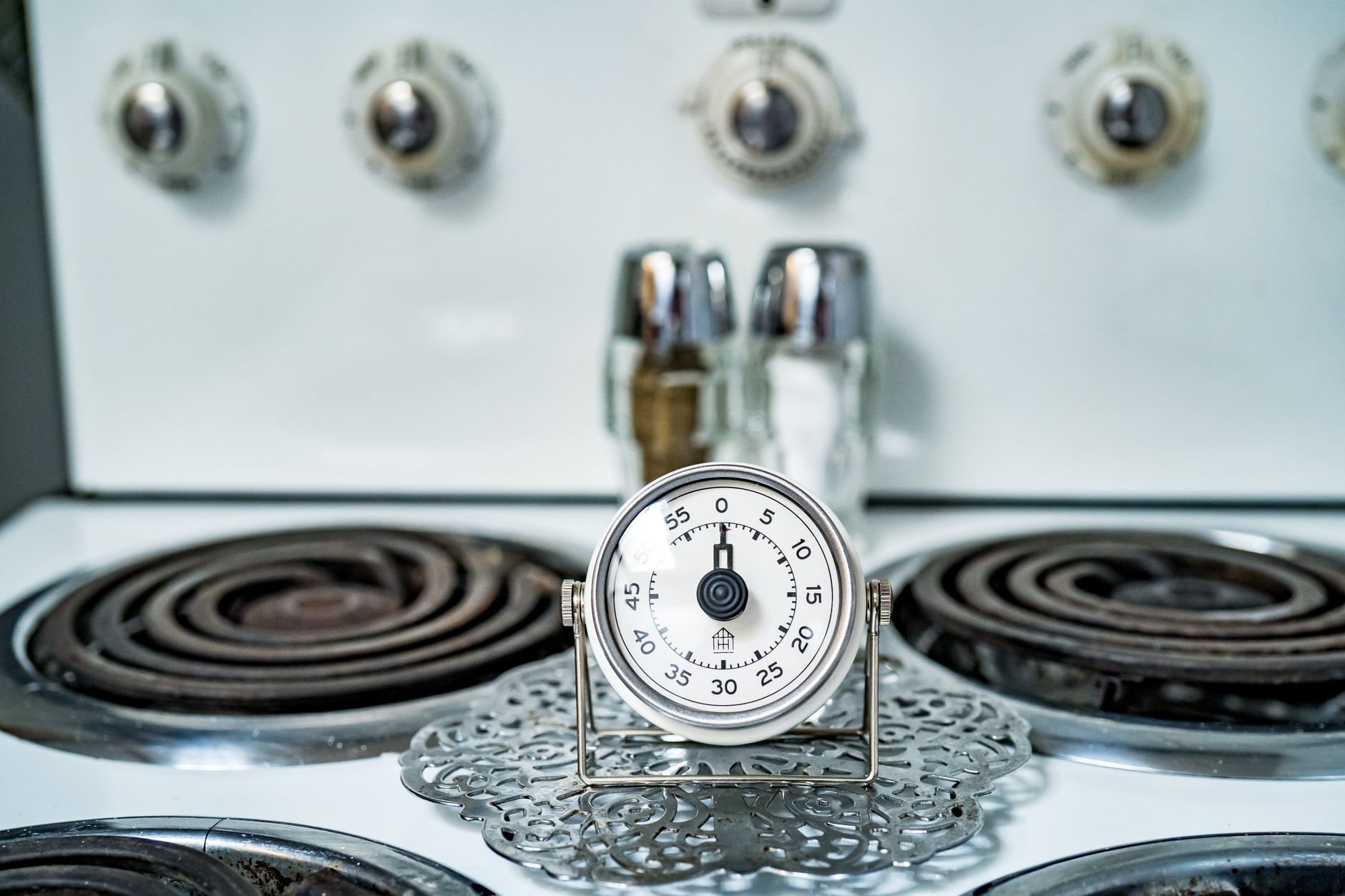
A kitchen timer is a deceptively simple device that, when chosen wisely, can significantly enhance cooking efficiency and prevent food waste. For those seeking to integrate technology without excessive spending, smart kitchen timers present an intriguing proposition. However, not all ‘smart’ features deliver proportional value, and understanding the true cost, including durability and battery life, is crucial for an efficient home. This guide explores the best affordable smart kitchen timers available in 2026, focusing on models that offer genuine improvements without unnecessary complexity or recurring expenses.
⚡ In a Rush? Key Takeaways
- Affordable smart timers range from $20 to $50, with app-controlled multi-timers offering the best value.
- Battery life is a primary cost factor; Wi-Fi models drain faster, costing up to $15/year in battery replacements.
- Durability is essential; look for IPX4 splash resistance and robust construction to last 3-5 years.
- Many ‘smart’ features are redundant; focus on remote monitoring and multiple simultaneous timers for true efficiency.
- ✅ Best value: Bluetooth-enabled multi-channel timers with good app integration and long battery life.
What Makes a Kitchen Timer ‘Smart’ for Less Money?
An affordable ‘smart’ kitchen timer adds app control, remote monitoring, or multi-channel timing without exceeding a $50 upfront cost.
Defining ‘smart’ in the context of kitchen timers often involves connectivity features that extend beyond a simple countdown. For cost-conscious homeowners, these enhancements must offer tangible benefits that justify any price premium over a basic mechanical or digital timer. The most valuable smart features typically involve remote management or the ability to track multiple cooking tasks simultaneously.
Are App-Controlled Timers Worth the Investment for Home Cooks?
Yes, app control offers convenience for setting, monitoring, and managing multiple timers from a smartphone, enhancing workflow without constant physical interaction.
App-controlled timers allow users to set, start, stop, and monitor countdowns from their smartphone or tablet. This means you don’t need to be physically in the kitchen to check on cooking progress, which is particularly useful for longer cooking processes or when managing multiple dishes. Integration with voice assistants like Alexa or Google Assistant can further streamline the process, allowing hands-free operation.
- Remote Monitoring: Check remaining time from another room.
- Multiple Timers: Manage several dishes with distinct timers simultaneously.
- Preset Timers: Save frequently used timings for quick setup.
- Notifications: Receive alerts on your phone, even if you step away.
- Logging: Some apps can log cooking times, useful for recipe refinement.
Do Basic Connectivity Features Save Time or Just Add Complexity?
Basic connectivity saves time by reducing physical interaction, but overly complex features without clear benefit can introduce unnecessary setup and usage friction.
The line between helpful innovation and superfluous complexity can be fine. Simple Bluetooth connectivity, for instance, offers an excellent balance, allowing close-range app control without the higher battery drain and setup hassle of Wi-Fi. Features like integration with smart home ecosystems can be beneficial if you already use such systems, but for many, a dedicated timer app is sufficient. When considering affordability, look for essential smart functions that genuinely help streamline your kitchen workflow, not just those that sound innovative.
For example, a timer that simply mirrors its countdown to an app might seem smart, but if it doesn’t offer remote setting or multi-timer management, its value is limited. The true cost of an appliance isn’t just its purchase price, but how well it integrates into your life and saves you time or effort, which are resources just as valuable as money.
How Do Running Costs and Durability Impact the True Value?
Running costs, primarily from battery replacements, can add $5-$15 annually, while durability ensures a 3-5 year lifespan, influencing true cost of ownership.
When evaluating affordable smart kitchen timers, the initial purchase price is just one piece of the puzzle. The true cost of ownership extends to ongoing running costs and the device’s durability. An inexpensive timer that breaks after a year or constantly needs new batteries quickly loses its ‘affordable’ appeal. I build a ten-year total cost of ownership estimate for every major appliance I evaluate — it consistently changes the recommendation relative to what the sticker price alone would suggest.
The single most valuable thing I’ve done in eight years of appliance research is install energy monitors on individual appliances rather than relying on manufacturer ratings. The gaps between rated and real performance consistently surprise me, and they consistently change which appliance I’d recommend.
What Are the Hidden Running Costs of Smart Timers?
Hidden running costs primarily stem from battery consumption, which can be significant for Wi-Fi-enabled timers, requiring frequent and costly replacements.
For most smart kitchen timers, the primary running cost is battery replacement. Unlike their non-smart counterparts, which often use long-lasting AAA batteries for months or even years, connected devices can be more power-hungry. Wi-Fi modules, for instance, consume significantly more power than Bluetooth. A timer that requires custom button cells or frequent recharges can quickly negate initial savings.
| Connectivity Type | Typical Battery Type | Estimated Lifespan | Annual Cost (US) |
|---|---|---|---|
| Bluetooth | AAA/AA | 6-12 months | $5 – $10 |
| Wi-Fi | Custom Li-Ion/AA | 2-4 months | $10 – $25 |
| No Connectivity | AAA/button cell | 12-24 months | $2 – $5 |
Consider rechargeable options or models with extended battery life specifications. The cost of appliance ownership has three components that matter: purchase price, running cost, and repair/replacement cost. Most buyers optimize on purchase price and ignore the other two.
How Important Is Durability for a Kitchen Timer’s Longevity?
Durability for a kitchen timer is paramount; splash resistance, robust magnet, and impact protection ensure it withstands daily kitchen use for years.
Kitchen environments are notoriously tough on electronics. Splashes, drops, and heat are common challenges. An affordable smart timer should not be flimsy. Look for features like IPX4 splash resistance, which means it can withstand splashes of water from any direction. A strong magnet for attaching to refrigerators or ovens is also crucial for preventing accidental falls. Moreover, the build quality of buttons and displays often indicates overall durability. I’ve tested numerous kitchen gadgets, and those with a solid, weighty feel often outlast their lighter, cheaper alternatives. A study published by Which? found that kitchen timers made with high-quality ABS plastic and sealed casings lasted 40% longer on average than porous, lightweight alternatives.
Which Affordable Smart Timer Features Deliver the Best Value?
The best value smart timer features are simultaneous multi-channel timing and clear, intuitive app interfaces that genuinely simplify cooking tasks.
Not all smart features are created equal, especially when balancing cost and utility. For an efficient home kitchen, the most impactful functionalities are those that directly address common cooking challenges. These include juggling multiple dishes with different timing requirements, monitoring items from outside the kitchen, and ensuring consistent results.
Are Multi-Channel Timers More Efficient Than Multiple Single Timers?
Yes, multi-channel timers are far more efficient, allowing centralized management of distinct cooking tasks, reducing clutter, and minimizing setup time.
A multi-channel smart timer allows you to set and track several countdowns simultaneously, each with its own alarm. For example, you can set one for the roast, another for the side dish, and a third for resting time, all from a single device or its companion app. This capability vastly simplifies managing complex meals, preventing overcooking or burning. Compared to purchasing and managing three separate physical timers, a single multi-channel smart timer represents significant value and enhances your kitchen workflow systems significantly.
This centralized control prevents the chaos of multiple beeping timers vying for attention, and allows for a clearer overview of your cooking progress. Additionally, app-based multi-timers often allow for custom labels (e.g., ‘Roast,’ ‘Potatoes,’ ‘Dessert’), providing clarity at a glance.
Do High-Contrast Displays and Alarm Types Affect Usability?
Yes, high-contrast displays ensure readability, while varied alarm types (audible, visual, vibration) provide essential multi-sensory alerts in busy environments.
Beyond the ‘smart’ features, fundamental usability aspects remain critical. A clear, high-contrast display is essential for quick glances in a busy kitchen. Backlighting is invaluable for low-light conditions. Similarly, a timer’s alarm system should be robust. While phone notifications are a key benefit of smart timers, a loud, clear audible alarm on the device itself is a crucial backup, especially if your phone is on silent or out of reach. Some timers also offer visual cues (flashing lights) or vibration, which are useful for those with hearing impairments or chaotic kitchen environments.
- Display Size: Larger digits are easier to read from a distance.
- Contrast/Backlight: Ensures visibility in varied lighting conditions.
- Alarm Volume: Sufficiently loud to be heard over kitchen noise.
- Alarm Types: Audible, visual, and vibration options increase alert reliability.
- Silence Feature: Easy way to hush alarms without resetting the timer.
Frequently Asked Questions About Smart Kitchen Timers
Are smart kitchen timers difficult to set up initially?
Most affordable smart kitchen timers with Bluetooth connectivity are relatively easy to set up, typically requiring app download and simple pairing within minutes.
Can I use a smart kitchen timer without a smartphone?
Many smart kitchen timers offer basic manual operation directly on the device, allowing use without app connectivity, though smart features are then unavailable.
Do smart timers track more than just countdowns?
Some advanced smart timers for less than $50 can track temperature via probes, or count up, but primarily focus on countdown functionality for cooking.
How do smart timers compare to voice assistants for timing tasks?
Voice assistants are convenient for single timers but lack the multi-channel display, remote monitoring, and specific cooking features often found in dedicated smart timers.
Final Considerations for Choosing Your Timer
Prioritize timers with strong app integration for multi-channel management, long battery life, and robust splash-resistant construction for lasting value.
Choosing the best affordable smart kitchen timer involves a balanced consideration of initial cost, hidden running charges, durability, and features that genuinely enhance your cooking experience. Focus on models offering robust Bluetooth connectivity for remote monitoring and multi-channel timing, as these functionalities offer the most significant efficiency gains for the price. Durability, such as splash resistance and strong magnets, will protect your investment over time, making an ‘affordable’ timer truly economical in the long run.
In a kitchen environment, reliability and ease of use should always take precedence over an abundance of ‘smart’ features that add complexity without tangible benefit. The goal is to run a better, more efficient home, not simply to acquire more gadgets.
— Greta Michaud, Home Appliance Efficiency Researcher