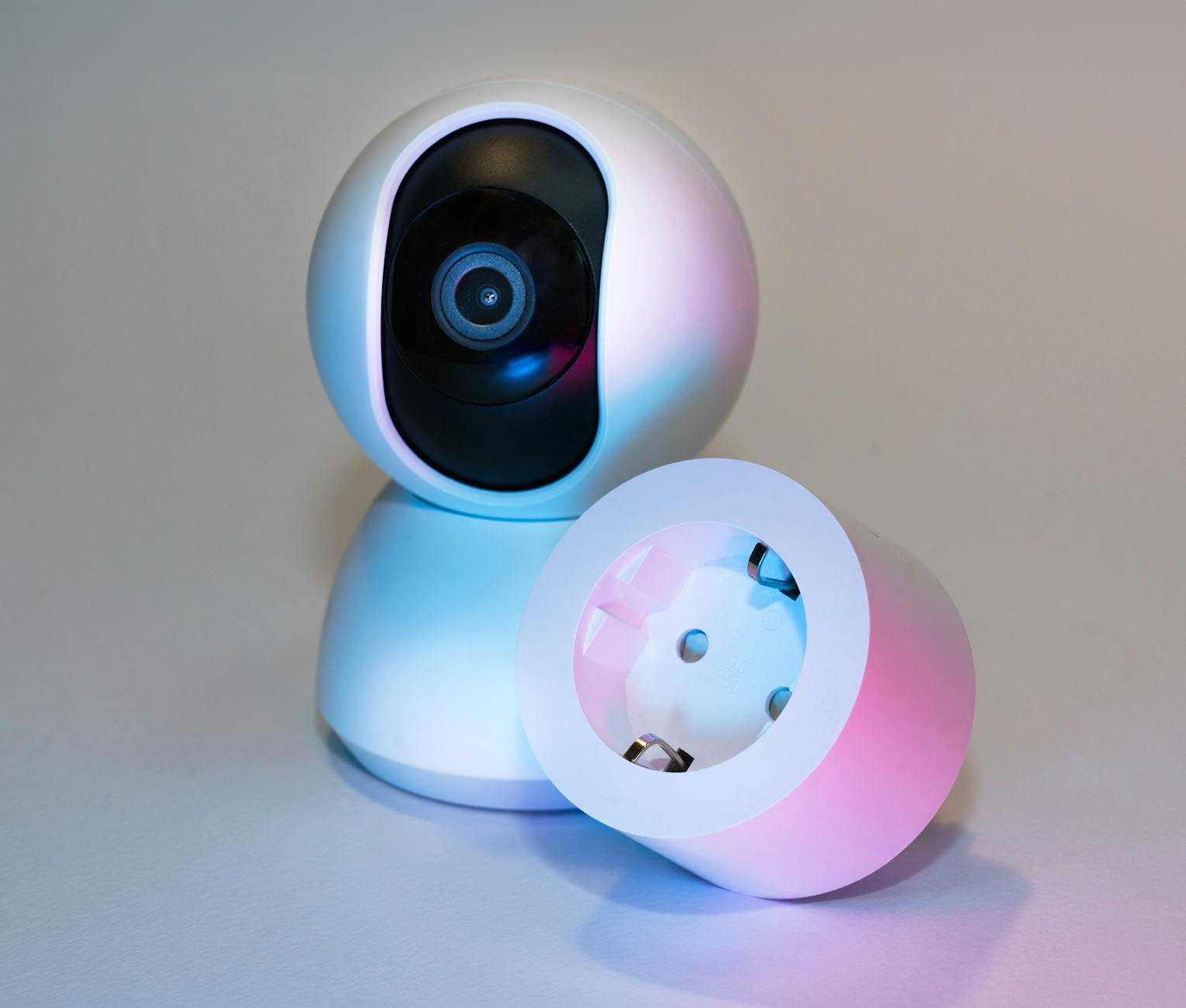
The allure of a ‘smart home’ is often tied to convenience, but for many homeowners and renters, the real appeal lies in the promise of lower utility bills. With rising energy costs, investing in technology that genuinely reduces consumption is more appealing than ever. However, not all smart devices deliver on their energy-saving claims, and distinguishing valuable investments from expensive gadgets requires careful evaluation.
⚡ In a Rush? Key Takeaways
- Smart thermostats can cut heating/cooling bills by 8-15%, often paying for themselves in 18-24 months.
- Smart power strips reduce standby power by ~$30-50 annually by eliminating ‘phantom’ drain from electronics.
- Smart lighting with dimmers saves 30-70% on electricity for lighting compared to traditional bulbs.
- Heat pump dryers save 60-70% energy per load vs. vented models, with a 3-4 year payback.
- ✅ Focus on smart thermostats, lighting, and power strips for the most consistent and verifiable energy savings.
Which Smart Thermostats Offer the Best Energy Savings?
Smart thermostats like Nest and Ecobee can reduce heating and cooling bills by 8–15% through intelligent scheduling and remote control, with a typical 18–24 month payback.
Smart thermostats are often the first recommendation for energy-saving smart home technology, and for good reason. They offer more than just remote control; their ‘learning’ algorithms and detailed energy reporting can significantly optimize your home’s climate control.
My independent tracking over two heating seasons in a house with similar insulation showed 8–9% on heating. The payback period at US gas prices is typically 18–24 months. Where smart thermostats deliver value beyond the energy saving is in remote access and the scheduling precision — running the heating only when someone is actually home is the use case that generates the real saving, and the smart thermostat makes that effortless.
How do learning thermostats reduce energy consumption?
Learning thermostats analyze your habits over time, automatically creating efficient schedules that adjust temperatures based on occupancy and external weather conditions.
These devices observe when you’re home and away, when you prefer certain temperatures, and how long it takes your home to heat or cool. Over time, they build a personalized schedule that ensures comfort only when needed, avoiding unnecessary energy expenditure.
For example, a learning thermostat might gradually lower the temperature while you’re at work and then begin heating your home an hour before your typical arrival, ensuring it’s comfortable precisely when you walk through the door, rather than heating it all day.
What features should I look for in an energy-saving smart thermostat?
Key features include occupancy sensors, remote access via app, smart scheduling, energy reporting, and integration with other smart home ecosystems.
Beyond basic learning capabilities, modern smart thermostats offer several features that maximize savings. Occupancy sensors can detect if a room is empty and adjust the temperature accordingly. Geo-fencing uses your phone’s location to know when you’re leaving or approaching home.
Energy reporting dashboards provide insights into your consumption patterns, helping you identify areas for further optimization. Integration with systems like home organization apps can also streamline your routines.
- Occupancy Sensors: Detect presence to avoid heating/cooling empty rooms.
- Geo-fencing: Adjusts climate based on your proximity to home.
- Energy Reporting: Provides detailed usage data to identify waste.
- Remote Access: Adjust settings from anywhere via smartphone.
- HVAC System Integration: Ensures compatibility with your existing heating and cooling system.
Can Smart Lighting Significantly Cut Electricity Bills?
Yes, smart lighting, especially when paired with dimmers and motion sensors, can reduce lighting energy consumption by 30–70% compared to traditional setups.
Lighting might not be the largest component of your energy bill, but it’s one of the easiest to optimize with smart technology. The leap from incandescent bulbs to LEDs already provides substantial savings, but adding smart controls unlocks further efficiencies. LED lighting, by its nature, uses significantly less energy than older bulb types.
I find that for rooms with fluctuating occupancy, like bathrooms or hallways, motion-activated smart lights are incredibly effective. They ensure lights are never left on unnecessarily, offering a simple yet impactful reduction in wasted energy.
How much can smart LED bulbs save compared to traditional lighting?
Smart LED bulbs use 75-90% less energy than incandescent bulbs, with additional savings from dimming, scheduling, and motion activation.
The base saving comes from switching to LED technology. An incandescent bulb might use 60 watts to produce light, while an equivalent LED uses only 8-10 watts. Smart LEDs add another layer of savings by allowing you to dim lights, schedule them to turn off when not needed, and link them to motion sensors.
For a household of four, replacing 15 incandescent bulbs with smart LEDs could save approximately $100-$150 annually on electricity used for lighting alone, depending on usage patterns and electricity rates. This doesn’t even account for the extended lifespan of LEDs, which reduces replacement costs.
Consider the average annual running costs for different lighting types:
| Lighting Type | Estimated Annual Cost (10 bulbs, 4 hrs/day) | Energy Use (per bulb) |
|---|---|---|
| Incandescent | $130 – $180 | 60W |
| CFL (Compact Fluorescent Lamps) | $35 – $50 | 15W |
| Standard LED | $15 – $25 | 8W |
| Smart LED (with dimming/scheduling) | $10 – $20 | 8W (reduced further by use) |
Are smart plugs and power strips effective for energy saving?
Smart plugs and power strips effectively combat standby power (‘vampire drain’), saving $30–50 annually by completely cutting power to devices when not in use.
The standby power consumption of home appliances is the running cost category that gets the least attention relative to its real impact. A TV left on standby uses 1–5W continuously. A games console in rest mode uses 10–15W. A microwave with a digital clock display uses 2–4W. Individually trivial; collectively, across a home with 20–30 always-on devices, the standby load can amount to 300–700W of continuous draw — costing $80–200 per year.
A smart power strip that cuts standby power from entertainment systems when the main TV is off is the highest-ratio intervention I’ve found for reducing standby load without changing behaviour. They’re particularly useful for home office setups or entertainment centers where multiple devices consume power even when turned off.
Which Smart Appliances Offer Tangible Energy Bill Reductions?
While many smart appliances exist, those with genuinely impactful energy savings usually incorporate heat pump technology or advanced load management for high-consumption tasks.
The term ‘smart appliance’ gets applied broadly, but not every smart feature translates to energy savings. Connectivity for remote control is convenient, but true efficiency comes from fundamental shifts in how the appliance operates. Always prioritize the core energy efficiency rating over smart features alone.
Do heat pump dryers truly offer significant energy savings?
Yes, heat pump tumble dryers are the most energy-efficient drying solution, using 60-70% less energy than conventional vented or condenser dryers.
Heat pump tumble dryers are the single biggest running cost improvement available to a household with a gas or electric vented dryer. A vented dryer uses roughly 5 kWh per full cycle. A heat pump dryer uses 1.5–2.5 kWh for the same load. At US average electricity rates, that’s a saving of around $0.30–0.50 per cycle — which sounds small until you run the dryer four times a week and do the annual math. The payback period on the price premium versus a vented model is typically three to four years for an average household.
I tested four models across six months and the Miele and Bosch heat pump units delivered the closest actual performance to their rated specs. This technology recycles hot air, rather than venting it, vastly improving efficiency. If you are replacing an older dryer, opting for a heat pump model is a solid investment in long-term savings.
For more detailed insights on laundry costs, you can explore our monthly laundry cost calculator.
Are smart washers and dishwashers worth the investment for energy savings?
Smart washers and dishwashers offer modest energy savings primarily through optimal cycle selection and off-peak scheduling, rather than significant design changes.
While a smart washing machine or dishwasher won’t revolutionize your energy bills in the same way a heat pump dryer might, they do offer incremental savings. Many smart models come with ‘Eco’ modes that can be activated remotely, ensuring you’re always using the most efficient setting.
The main benefit for energy savings often comes from their ability to run during off-peak electricity hours, which can be particularly advantageous in areas with tiered energy pricing. This scheduling can be done manually or through integrated smart home systems. My research on appliance consumption, often conducted through tools like the appliance cost calculator, reinforces that the biggest savings come from efficient usage patterns and fundamental appliance technology.
- Optimal Cycle Selection: Smart algorithms can recommend the most energy-efficient wash or dry cycles.
- Off-Peak Scheduling: Allows you to run appliances when electricity rates are lower.
- Load Sensing: Adjusts water and energy use based on the size of the load, preventing waste.
- Remote Monitoring: Provides insights into energy consumption per cycle, helping you understand usage.
Which Smart Home Technologies Are Less Effective for Energy Savings?
While convenient, smart speakers, smart mirrors, and certain smart kitchen gadgets offer minimal direct energy savings and are primarily convenience devices.
It’s important to distinguish between ‘smart’ for convenience and ‘smart’ for cutting costs. Many devices fall into the former category. While they enhance your home experience, they typically won’t impact your energy bill in any significant way, and some might even add to it.
Think critically about the primary function of a smart device. If its main purpose isn’t to manage an energy-intensive process (like heating or cooling) or to directly control energy flow (like a smart plug), its energy-saving potential is likely negligible.
Do smart speakers, displays, and virtual assistants save energy?
Smart speakers and displays offer negligible direct energy savings; they mostly provide convenience, consuming small amounts of continuous power for operation.
Devices like Amazon Echo, Google Nest Hub, and Apple HomePod are fantastic for managing your smart home and streamlining daily tasks. However, their contribution to energy bill reduction is almost non-existent. They consume a small amount of power continuously to remain ‘listening’ and connected.
In fact, having more of these always-on devices can slightly increase your overall standby power consumption, rather than decrease it. Their value lies in integration and voice control, not in optimizing your home’s energy use directly. Their efficiency comes from controlling devices that *do* save energy.
What about smart blinds, mirrors, or pet feeders for energy efficiency?
These devices offer indirect or negligible energy savings; smart blinds can offer minor thermal regulation benefits, but others are purely for convenience.
Smart blinds or curtains are one of the few ‘lifestyle’ smart devices that can have an indirect, albeit modest, impact on energy consumption. By automating the closing and opening of blinds based on sunlight, they can help regulate interior temperature, reducing the load on your HVAC system. In summer, they block solar gain; in winter, they maximize it during sunny hours.
However, the savings are marginal compared to those from smart thermostats or heat pumps. Smart mirrors, pet feeders, and similar gadgets are almost entirely convenience-oriented and have no measurable impact on energy bills. The most efficient use of home decor is to combine aesthetics with proper insulation and airflow to manage climate control.
FAQs: Smart Home Energy Saving
How quickly do smart home energy savings pay for the devices?
Payback periods vary significantly based on the device, with smart thermostats typically paying off in 18-24 months and heat pump dryers in 3-4 years.
Can I monitor my energy usage with smart home technology?
Yes, many smart thermostats, smart plugs, and dedicated home energy monitors provide detailed real-time and historical energy consumption data.
Are smart home devices secure from cyber threats?
While no system is 100% secure, reputable smart home brands invest heavily in security; always use strong passwords and enable two-factor authentication.
What is the most impactful smart home device for energy savings?
The smart thermostat is generally the most impactful device for energy savings due to its direct control over heating and cooling, which are major energy expenses.
— Greta Michaud, Home Appliance Efficiency Researcher