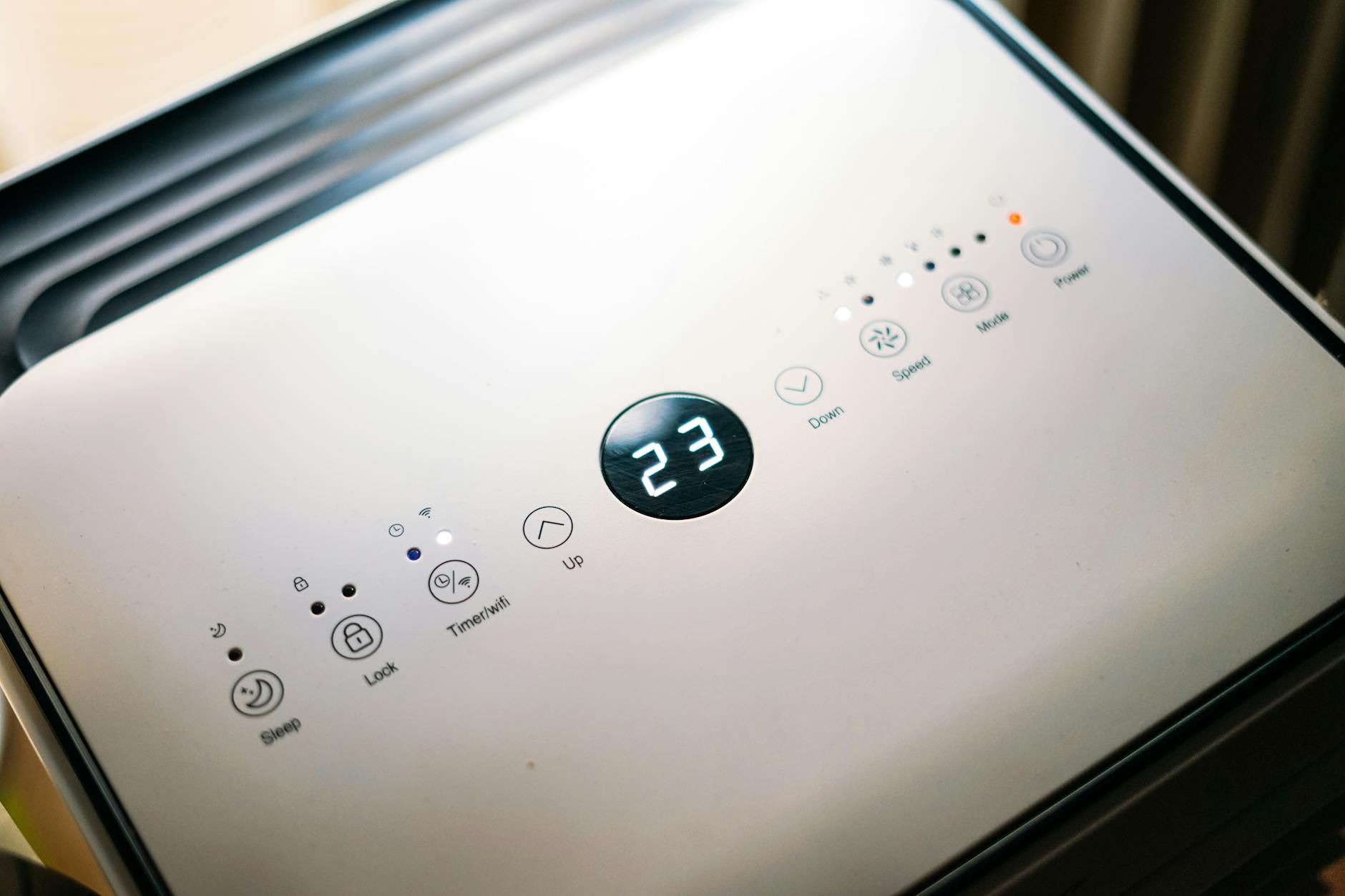
When the bedroom temperature refuses to drop below twenty-four degrees, understanding the portable air conditioner running cost becomes essential before committing to a purchase. In the UK, these units offer relief during increasingly common heatwaves, but the electricity consumption varies significantly based on cooling capacity and energy efficiency ratings. Unlike a fan that merely circulates air, these appliances compress refrigerant and exhaust hot air through window kits, processes that demand substantial wattage. Before wheeling a unit home from the hardware store, calculating the true operational expense ensures you make an informed decision rather than discovering an unpleasant surprise on your monthly statement.
⚡ In a Rush? Key Takeaways
- Portable ACs cost 8p-35p per hour to run in the UK.
- Monthly costs range from £15 to £90, depending on usage.
- ACs are 15-20 times more expensive to run than fans.
- ✅ Energy-efficient models can save up to £20 monthly.
How much does a portable air conditioner cost to run per hour?
Between 8p and 35p per hour depending on unit size and cooling capacity. A standard 9000 BTU unit drawing 2.5kW costs approximately 25p hourly at the current UK energy price cap of 30p per kWh, while smaller 7000 BTU models consume around 18p when operating at maximum output.
The variation stems from British thermal unit ratings, which measure cooling power. A 7000 BTU unit suits bedrooms up to twenty square metres, drawing approximately 0.9kW to 1.2kW, while 12000 BTU models designed for open-plan living spaces require 2.8kW to 3.5kW. However, these figures represent maximum draw; units equipped with inverter technology or thermostats cycle on and off once reaching target temperatures, reducing average consumption by thirty to forty percent during extended operation. Standby power also contributes marginally—typically one to three watts—adding roughly £3 annually if left plugged in year-round.
What is the monthly running cost of a portable air conditioner?
- Expect to pay between £15 and £90 monthly depending on usage patterns and ambient temperature.
- Running a 2.5kW unit for four hours daily accumulates to roughly £36 per month.
- Continuous eight-hour operation during heatwaves reaches £72 or more.
Seasonal variation dramatically affects these figures. During July and August, when external temperatures frequently exceed thirty degrees, units work harder and longer to achieve comfort, increasing costs by twenty to thirty percent compared to June or September usage. Weekend patterns also differ from weekdays; cooling a home office for eight hours Monday through Friday generates approximately £60 monthly, whereas occasional evening bedroom use might cost only £20. Remember that energy price cap fluctuations directly impact these calculations—if the cap rises to 35p per kWh, your monthly cooling expenses increase proportionally.
Portable air conditioner vs fan: which costs more to run?
Portable air conditioners cost significantly more than fans, typically requiring 15 to 20 times the electricity. A desk fan uses 0.5p per hour, a tower fan 2p, while even a small 7000 BTU portable AC demands 15-20p hourly to maintain effective room cooling and humidity removal.
The fundamental difference lies in mechanical function. Fans create evaporative cooling by moving air across your skin—the motor draws merely 25 to 75 watts. Portable air conditioners, however, function as refrigeration units, compressing gas, pumping refrigerant, and exhausting heated air through venting kits, processes requiring 900 to 2800 watts. While fans cannot lower room temperature, they excel when the ambient temperature remains below twenty-six degrees. For nights where the thermometer reads twenty-four, a tower fan running costs merely £1.50 monthly versus £45 for air conditioning. However, once humidity rises above sixty percent, the air conditioner’s moisture removal capabilities justify the additional expense for sleep quality and comfort.
How to calculate your specific portable AC running cost
Multiply the unit wattage by hours used, then by your electricity rate. For a 2500W unit: 2.5kW × 5 hours × £0.30 = £3.75 daily, or £112.50 monthly if used every day. I recommend using the appliance cost calculator to model your specific usage patterns accurately.
Begin by locating the wattage plate on your unit or converting the BTU rating to kilowatts—divide BTU by 3412 for approximate consumption. Next, determine your actual electricity rate by checking your latest statement, as variable tariffs differ from the cap. Calculate the load factor: if you set the thermostat to twenty-one degrees in a thirty-degree room, the compressor runs continuously initially, then cycles intermittently. During moderate heat, expect fifty percent duty cycles; during extreme temperatures, eighty to ninety percent. For precise budgeting, monitor your smart meter during the first week of operation, subtracting your baseline consumption to isolate the air conditioner’s impact. This empirical approach reveals whether your unit operates efficiently or requires maintenance.
Do energy efficiency ratings affect running costs?
Yes. A+++ rated units reduce consumption by 30% compared to D-rated models, saving approximately £20 monthly during intensive summer use. Look for the Energy Efficiency Ratio (EER); ratings above 2.6 indicate reasonable efficiency for portable units.
| Option | Key stat | Best for |
|---|---|---|
| 9000 BTU A-rated unit | 2.8kW | Open-plan living spaces |
| 7000 BTU B-rated unit | 1.2kW | Bedrooms up to 20 sq.m. |
The Energy-related Products Directive mandates labelling, yet portable air conditioners typically achieve only A+ to B ratings compared to split-system installations. When comparing two 9000 BTU models, the efficient unit might draw 2.2kW versus 2.8kW for the inefficient counterpart—a difference of 18p versus 22p hourly. Over a heatwave month, this gap accumulates to £12. Features like eco modes, which cycle the fan without the compressor intermittently, or sleep modes that raise temperature settings gradually, further reduce overnight costs by ten to fifteen percent. When purchasing, prioritize models with inverter compressors over standard on/off systems; the initial premium of £50 to £100 typically pays back within one summer season through reduced electricity bills.
How to reduce your portable air conditioner running costs
Close windows and doors before starting the unit, use timer functions to pre-cool bedrooms 30 minutes before sleep, and position exhaust hoses strategically to minimize heat recirculation. These measures improve efficiency by up to 40%.
Thermal management significantly impacts performance. Draw thermal curtains or blinds during morning hours to prevent solar gain, reducing the cooling load by several kilowatts. Ensure the flexible exhaust hose remains as short and straight as possible—each bend reduces efficiency by five percent while extending the hose increases heat backflow. Regular maintenance proves essential; clean the air filters weekly during heavy use, as dust accumulation forces the compressor to work harder, increasing consumption by ten percent. Position the unit away from direct sunlight and heat sources like televisions or lamps. Consider night-time cooling strategies that leverage cheaper off-peak tariffs if your meter supports them. Finally, size appropriately: an oversized unit for a small room cycles inefficiently, while an undersized unit runs continuously without achieving comfort.
Is a portable air conditioner worth the running cost?
For occasional heatwave relief, the £40-£60 monthly operating cost during peak weeks justifies improved sleep quality and comfort. If you require cooling for more than eight weeks annually, consider the total ownership cost against fixed air conditioning installation.
The value proposition extends beyond mere temperature reduction. Quality sleep requires bedroom temperatures between sixteen and eighteen degrees; heat-induced insomnia carries productivity costs that dwarf electricity expenses. For renters or those in listed buildings where permanent installation proves impossible, portable units offer the only viable solution despite higher per-hour costs. However, if you own your property and anticipate using cooling regularly for three months yearly, the £1500 installation cost of a split-system unit amortizes over five years through lower running costs. For most UK households using portable cooling for four to six weeks annually, the convenience outweighs the expense. I earn a small commission through affiliate links at no additional cost to you—if you decide the running costs suit your budget, the units I recommend balance efficiency with build quality.
📊 Efficiency Verdict
Energy-efficient portable ACs can save up to £20 monthly during intensive summer use.