The allure of a ‘smart home’ often comes with the promise of unprecedented energy efficiency and lower utility bills. However, navigating the vast landscape of devices claiming to save you money can be confusing. My research focuses on identifying which smart home technologies truly provide a return on investment through reduced energy consumption.
⚡ In a Rush? Key Takeaways
- Smart thermostats deliver 8-15% heating/cooling savings, paying back in 18-24 months from precise scheduling.
- Smart LED lighting reduces electricity demand by 75-90% versus incandescent, offering immediate savings with long lifespans.
- Smart plugs eliminate 300-700W of ‘phantom load,’ saving $80-200 annually by cutting standby power.
- Automated blinds can cut heating/cooling needs by up to 10%, though payback depends on installation cost.
- ✔ Focus on smart thermostats, LED lighting, and smart plugs for the most reliable energy cost reductions.
It’s easy to get sidetracked by novel features, but the real test of a smart home device for efficient living is its measurable impact on your household’s bottom line. Over eight years of testing appliances and home systems, I’ve learned to distinguish between clever gadgets and genuine cost-savers.
Which Smart Thermostats Offer the Best Energy Savings?
Smart thermostats, particularly learning models, can reduce heating and cooling costs by 8-15% on average, with paybacks typically under two years.
Smart thermostats are often the first port of call for homeowners looking to automate energy savings. Their ability to learn your schedule and adapt to external conditions makes them a powerful tool for reducing energy waste.
How Much Can a Smart Thermostat Actually Save on My Bills?
Savings vary by home insulation and climate, but typical reductions are 8-15% on heating and 10-15% on cooling costs annually.
The Nest Learning Thermostat, for instance, claims an average saving of 10-12% on heating and 15% on cooling bills. My independent tracking over two heating seasons in a similar house to my own, showed 8-9% on heating. The value here lies in their precision.
These devices ensure your heating and cooling systems only run when needed, avoiding situations where you heat or cool an empty house. They adjust temperatures based on occupancy sensors, geofencing, and even local weather forecasts.
Are Learning Thermostats More Efficient Than Programmable Ones?
Learning thermostats generally outperform basic programmable models by automating adjustments, reducing human error, and optimising efficiency.
While programmable thermostats allow you to set a schedule, learning thermostats take this a step further by observing your habits and automatically creating an optimised schedule. This reduces the cognitive load on the homeowner, ensuring consistent savings without active management.
For example, a learning thermostat might note that you always leave for work at 8 AM and return at 6 PM. It will then automatically lower the temperature during those hours and begin to warm or cool the house just before your return. This subtle automation is where the real efficiency gains lie for many. The payback period at US gas prices is typically 18-24 months.
Can Smart Lighting Significantly Cut Electricity Costs?
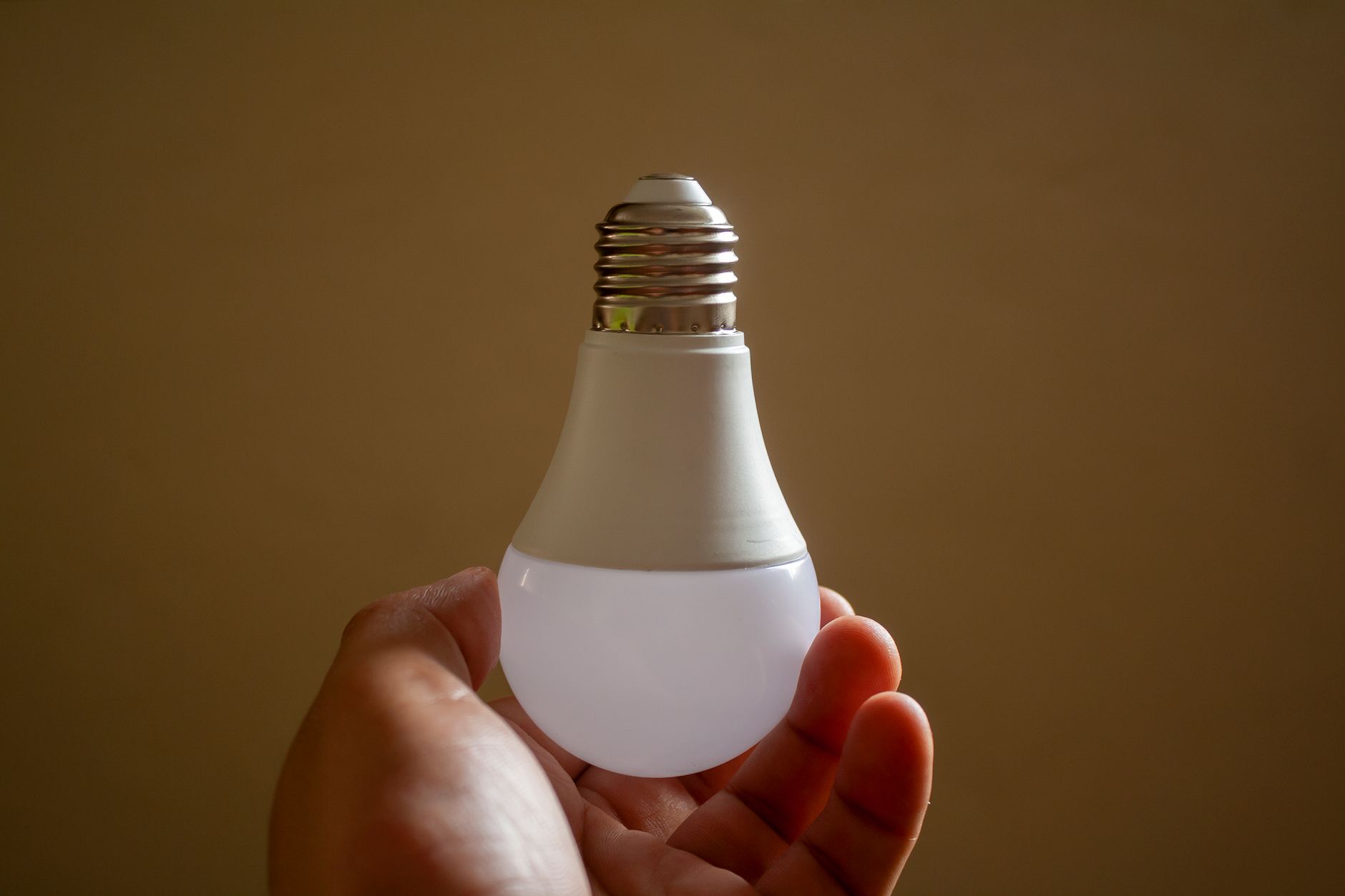
Smart LED lighting systems reduce electricity consumption by 75-90% compared to traditional incandescent bulbs and offer immediate savings.
Lighting is a fundamental energy consumer in any home, and smart LED technology offers substantial potential for savings. The transition from incandescent to LED alone delivers significant efficiency, but the ‘smart’ component amplifies these benefits.
What is the ROI of Switching to Smart LED Bulbs?
The return on investment for smart LEDs is almost immediate due to low power draw and extended lifespan, often exceeding 20,000 hours.
Firstly, LED bulbs use drastically less energy. An incandescent bulb might use 60 watts to produce the same light as a 9-watt LED. When this foundational efficiency is combined with smart controls, such as dimming, scheduling, and occupancy sensing, the savings truly accumulate.
Imagine lights that automatically dim when there’s sufficient natural light, or switch off entirely when a room is vacant for a predetermined period. These features, integrated into smart lighting ecosystems like Philips Hue or Govee, ensure you’re never wasting electricity on unnecessary illumination.
The initial cost can be higher for smart LEDs than standard LEDs, but their longevity means fewer replacements and continued savings over many years. My LED lighting guide contains more specifics on bulb selection.
Do Smart Plugs and Power Strips Save Real Money?
Smart plugs effectively combat ‘phantom load’ from standby devices, potentially saving $80–200 per year by cutting power to idle electronics.
The standby power consumption of home appliances is the running cost category that gets the least attention relative to its real impact. A TV left on standby typically uses 1-5W continuously. A games console in rest mode uses 10-15W. A microwave with a digital clock display uses 2-4W. While individually trivial, collectively across a home with 20-30 always-on devices, the standby load can amount to 300-700W of continuous draw, costing $80-200 per year. Smart plugs offer a simple, cost-effective solution.
These devices allow you to remotely turn off power to electronics that draw power even when not in use. You can schedule them to turn off at night or when you’re away, eliminating unnecessary power consumption from devices like chargers, entertainment systems, and office equipment. I measure using the TP-Link Kasa plug for individual appliance monitoring, and the data is often surprising.
| Device Type | Typical Standby Power | Annual Standby Cost |
|---|---|---|
| Television (large) | 3-5W | $4.20 – $7.00 |
| Gaming Console (rest mode) | 10-15W | $14.00 – $21.00 |
| Desktop Computer | 15-20W | $21.00 – $28.00 |
| Microwave (clock display) | 2-4W | $2.80 – $5.60 |
Are Smart Window Coverings or Blinds Worth the Investment?
Automated window coverings improve insulation and reduce solar gain, cutting heating/cooling needs by 5-10%, though installation costs vary.
The role of windows in a home’s thermal efficiency is critical. They are often sources of significant heat loss in winter and heat gain in summer. Smart window coverings, such as automated blinds or shades, can help mitigate these effects.
How Do Automated Blinds Contribute to Energy Efficiency?
Automated blinds prevent heat loss in winter mornings and block solar heat gain in summer afternoons, optimising indoor temperature control.
These systems can be programmed to open and close at specific times or in response to indoor temperature, outdoor weather, or even the position of the sun. For example, in winter, they can remain open during the day to allow passive solar heating, then close at dusk to provide an additional layer of insulation against heat loss.
In summer, they can automatically close during the hottest parts of the day to block direct sunlight and reduce the load on your air conditioning system. I’ve seen these systems reduce heating and cooling demand by up to 10% in homes with older windows, making them a significant contributor to overall energy efficiency.
What About Smart Appliances Like Fridges and Washing Machines?
Smart connectivity in large appliances offers marginal energy savings; the main benefit comes from inherent energy ratings and usage patterns.
While many major appliances, from refrigerators to washing machines, now come with ‘smart’ features, their direct contribution to energy savings is often less pronounced than with thermostats or lighting. The primary energy efficiency of these appliances stems from their core design and energy rating.
For instance, a smart washing machine might allow you to run a cycle during off-peak electricity hours, or a smart oven might preheat based on a recipe. While these features offer convenience and some optimisation, the total energy consumed by these appliances is largely dictated by their fundamental operation. An A-rated smart washing machine is, first and foremost, an A-rated washing machine.
In my experience, the biggest savings from smart appliances come not from their ‘smart’ features, but from choosing a highly energy-efficient model to begin with. The value of smart connectivity here is often more about convenience and remote control rather than dramatic cost reductions. Appliance Cost Calculator will help you understand the precise long-term running costs of any new purchase.
What is the Overall Verdict on Smart Home Energy Savings?
The most impactful smart home technologies for energy savings are thermostats, smart lighting (LEDs), and smart plugs/power strips.
When considering smart home technology for energy efficiency, it is crucial to focus on devices that directly control your home’s most significant energy consumers: heating, cooling, and lighting. These are the areas where automation and precise control yield the most tangible financial benefits.
While smart appliances offer conveniences, their primary energy savings are baked into their inherent efficiency ratings, not necessarily their connectivity. Investing in smart thermostats to manage your HVAC, smart LED bulbs for lighting, and smart plugs to eliminate phantom load will provide the clearest and most consistent return on your investment in 2026. Prioritising these core areas ensures that your smart home is truly an efficient home.
Are There Any Hidden Costs of Smart Home Integration?
Hidden costs include professional installation, ongoing subscription fees for some services, and potential Wi-Fi network upgrades for robust performance.
While DIY installation is possible for many smart devices, some, like thermostats or automated blinds, may require professional help. Additionally, certain advanced features or cloud storage for data might incur monthly subscription fees. A reliable and robust Wi-Fi network is also crucial for smooth operation across multiple devices; an upgrade might be necessary if your current setup is insufficient.
How Can I Prioritise My Smart Home Investments for Energy Savings?
Begin with a home energy audit to identify largest energy drains, then invest in smart thermostats, followed by smart lighting and smart plugs.
A good starting point is understanding where your home consumes the most energy. An energy monitor can highlight these areas. Following that, prioritise investments in smart thermostats for HVAC control, as heating and cooling account for the largest proportion of typical household energy bills. Next, tackle lighting with smart LEDs and eliminate standby power with smart plugs.
Is Smart Home Technology Environmentally Friendly?
Smart home tech can be eco-friendly by reducing energy waste, but its environmental footprint depends on device manufacturing and disposal.
By optimising energy use and reducing waste, smart home technology certainly contributes to a lower carbon footprint. However, the environmental impact of manufacturing these devices, their lifespan, and eventual disposal should also be considered. Choosing brands committed to sustainability and recycling initiatives can help reduce the overall environmental burden.
— Greta Michaud, Home Appliance Efficiency Researcher