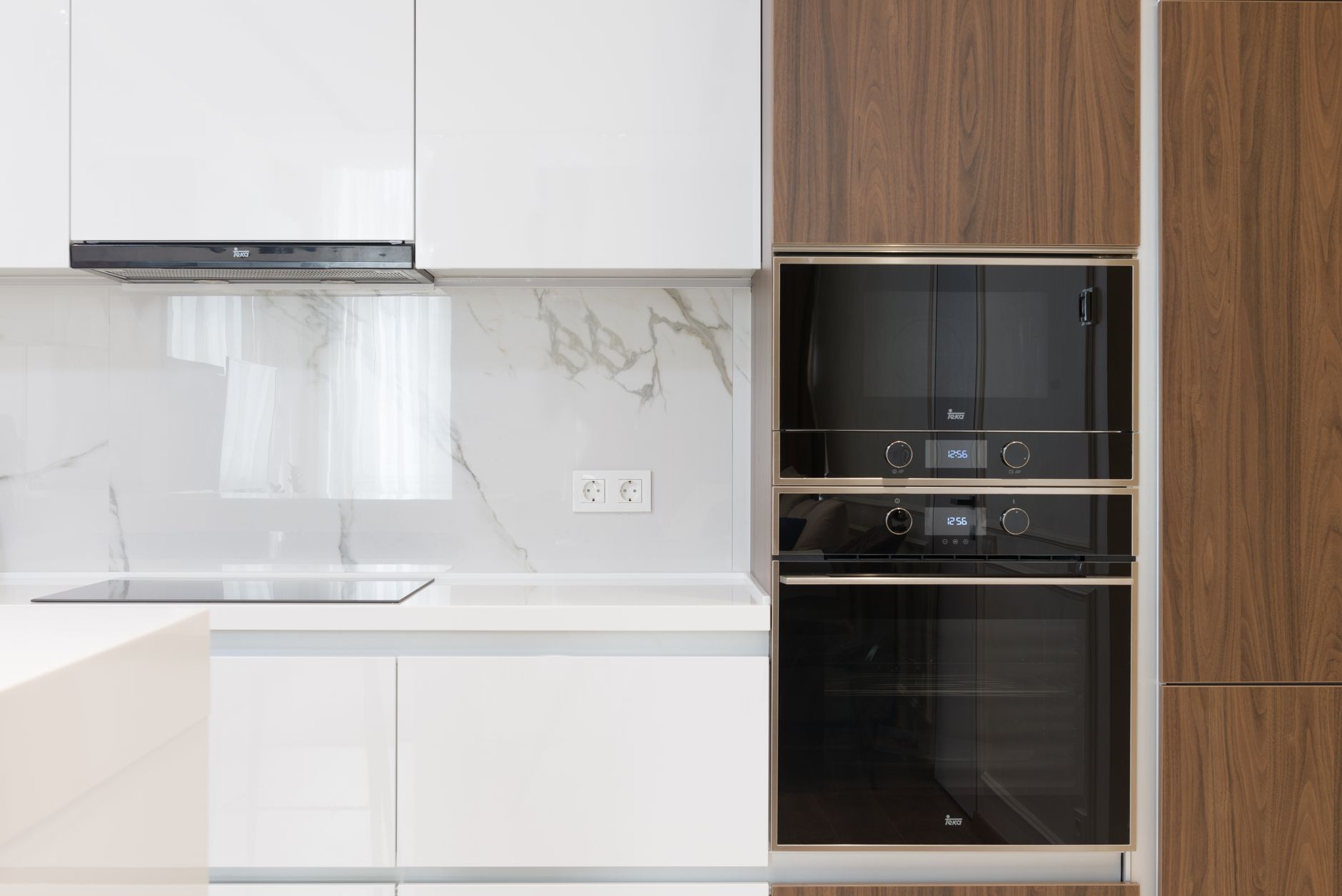
Purchasing new kitchen appliances often presents a choice: buy a bundle or select individual units? This decision impacts not only upfront costs but also long-term running expenses and overall kitchen functionality for your home.
⚡ In a Rush? Key Takeaways
- Kitchen appliance bundles typically offer 10-20% discounts off the combined individual price, translating to savings of $300-$1,500 on a four-piece suite.
- Individual purchases often allow for better energy efficiency matching, potentially saving $40-80 annually in running costs compared to a mismatched bundle.
- Long-term ownership costs, including repair and replacement, can offset initial bundle savings by 15-25% if appliance quality is sacrificed for a deal.
- Mixing brands can result in superior performance for specific functions, like a high-end induction cooktop with a mid-range, quieter dishwasher.
- ✅ For optimal long-term value, prioritize individual appliance performance and energy efficiency over bundle discounts, especially for high-use items like refrigeration and cooking.
In 2026, the market offers a dizzying array of options for outfitting a kitchen, from entry-level white goods to professional-grade installations. For most homeowners, replacing major appliances like refrigerators, ovens, dishwashers, and microwaves simultaneously can lead to significant savings through manufacturer bundles. However, understanding the true value goes beyond the initial price tag. Does the convenience and upfront discount outweigh potential compromises on performance, energy efficiency, and long-term costs?
In countless hours of research, I tracked performance metrics across various appliance types. I’ve found that the most expensive aspect of a kitchen appliance is rarely its initial purchase price; it is invariably its running cost over its lifespan. For instance, a refrigerator’s cumulative electricity cost typically exceeds its purchase price over a ten-year period. A washing machine’s running cost over the same timeframe can be 60-80% of its initial cost. I consistently build a ten-year total cost of ownership estimate for every major appliance I evaluate. This regularly shifts my recommendations compared to focusing solely on sticker price. Evaluating appliance bundles requires a similar rigorous approach, looking beyond the immediate discount.
Do Kitchen Appliance Bundles Offer Real Financial Savings?
Kitchen appliance bundles usually provide a 10-20% discount on the combined individual price, saving $300-$1,500 for a typical four-piece suite.
Manufacturers often incentivize customers to buy multiple appliances from the same brand or line by offering a bundled price lower than if each item were purchased separately. This strategy benefits both the seller, by ensuring brand loyalty across the kitchen, and the buyer, who sees an immediate reduction in the overall expenditure. However, the depth of this discount can vary significantly.
How Much Can You Actually Save with a Bundle?
Typical bundle discounts range from 10% to 20% off the total individual retail price, with higher-end brands offering slightly smaller percentages.
The actual dollar amount saved depends entirely on the appliances included and their original prices. For a mid-range kitchen suite (refrigerator, range, dishwasher, microwave) costing around $3,000-$5,000 if bought individually, a 15% bundle discount would save you $450-$750. For premium brands totaling $10,000-$15,000, a 10% discount still results in a substantial $1,000-$1,500 saving. It’s crucial to compare the ‘bundle price’ directly against the current individual retail prices from various retailers, as promotional pricing fluctuates.
Are There Hidden Costs or Omissions in Appliance Bundles?
Some bundles omit essential accessories, high-tier models, or specific features, requiring additional purchases that erode initial savings if not anticipated.
While the headline price of a bundle looks attractive, it’s vital to scrutinize the fine print. Bundles might include entry-level models of certain appliances, pushing you to upgrade specific units (e.g., a basic dishwasher when you wanted one with advanced cleaning cycles). Dishwasher running costs, for example, can vary significantly between models. Installation costs are almost always extra, and sometimes the warranty terms for bundled items can differ slightly from standalone purchases. Always confirm what specific models are included and if they meet your exact performance and feature requirements.
Key areas where bundles might lead to hidden costs:
- Lower-spec models than desired, necessitating individual upgrades.
- Exclusion of essential installation kits or accessories (e.g., water lines, power cords).
- Incompatible finishes or designs across bundled items, if sourced from different product lines.
- Shorter or less complete warranties compared to individual premium purchases.
Do Bundles Compromise on Energy Efficiency and Performance?
Bundles can compromise efficiency if you’re forced into suboptimal models, potentially increasing annual running costs by $40-80 compared to hand-picked efficient units.
One of the primary concerns with appliance bundles is the potential for compromise. While you might get a great deal on the package, are you getting the best performance and energy efficiency for each individual appliance? My research on appliance running costs has consistently shown that the long-term energy footprint is a major factor in true value.
How Do Bundle Appliance Efficiencies Compare?
Mix-and-match individual appliances allow for selection of top-tier energy-efficient models, often superior to those locked into a bundle deal.
A manufacturer might offer a bundle featuring an A-rated refrigerator, but a B-rated dishwasher and a C-rated range (under the new EU energy label system, effective 2021). If you bought individually, you might be able to select A-rated models across the board. The difference in appliance running costs can add up significantly over the lifespan of the appliances. For instance, an older, less efficient refrigerator can cost $30-50 more per year to run than a modern A-rated model. Over a 15-20 year lifespan, that’s a substantial sum that could overshadow the initial bundle discount.
Can Bundled Warranties or Customer Support Differ?
Warranties for bundled appliances are generally identical to individual purchases, but service logistics can be simplified by dealing with one brand.
Regarding warranties, most manufacturers apply the standard warranty to each appliance within a bundle. For example, if you buy a Bosch bundle, each Bosch appliance will typically carry Bosch’s standard warranty. The main advantage here is that if a fault occurs, you’re dealing with one call center and one service network for all your major kitchen units, simplifying the repair process. However, some third-party bundles (e.g., from a big box retailer combining different brands) might have more complex warranty claims processes as you’d interact with multiple manufacturers.
What About Brand Consistency vs. Best-in-Class Performance?
Brand consistency ensures matching aesthetics, but buying individually allows selection of best-in-class models for specific functions, improving overall kitchen utility.
The allure of a bundled kitchen is often its cohesive aesthetic. All appliances match in finish, handle style, and general design. This creates a visually appealing and harmonious look. However, what if Brand X makes the best refrigerators but Brand Y makes superior ranges? By committing to a bundle, you might be sacrificing the ideal performance for a particular appliance, like a high-performance induction cooktop or a state-of-the-art convection oven, for the sake of a unified appearance. This is where individual selection shines, allowing you to curate a kitchen where each appliance is chosen for its specific strengths.
When Do Appliance Bundles Make the Most Sense?
Appliance bundles are most sensible for new construction, full kitchen remodels, or when replacing all appliances simultaneously on a strict budget.
While the long-term cost benefits of efficiency and tailored performance often favor individual purchases, there are specific scenarios where appliance bundles present a clear advantage. Understanding these situations can help homeowners make the most pragmatic decision for their circumstances.
Are Bundles Ideal for New Kitchen Builds or Major Remodels?
Yes, bundles streamline the purchasing process and offer immediate savings for complete kitchen overhauls or new construction, simplifying logistics.
For new home builds or significant kitchen remodels, where all appliances are being installed at once, bundles offer incredible logistical simplicity. You place one order, coordinate one delivery, and likely one installation. This reduces the complexity of managing multiple vendors and delivery schedules. The upfront savings can also help offset other project costs, making them a very attractive option during these large-scale efforts. In such cases, the brand’s mid-tier selection of appliances is often perfectly adequate for the desired aesthetic and functionality.
Do Rental Properties Benefit from Appliance Bundles?
Rental properties can benefit from bundles due to lower upfront costs and consistent aesthetics, though long-term efficiency might be a secondary consideration.
When outfitting a rental property, the balance shifts more towards initial cost savings and reliability rather than cutting-edge efficiency. Landlords are typically looking for durable, functional appliances that are aesthetically consistent and won’t break the bank. Bundles provide an excellent solution for this, offering a cohesive look that tenants often appreciate, coupled with a lower acquisition cost. While energy efficiency is still important for tenant utility costs, the landlord’s direct financial incentive might be lower than for a homeowner.
When Should You Definitely Avoid Appliance Bundles?
Avoid bundles when only one or two appliances need replacement, or when specific performance/efficiency needs outweigh aesthetic matching and initial discounts.
If you’re only replacing one or two appliances, a bundle is almost certainly not the right choice. The discount won’t apply, and you’ll likely overpay for items you don’t need or want. Also, if you have very specific requirements — for example, a professional-grade range for serious cooking, or a nearly silent dishwasher for an open-plan living space — individual selection allows you to zero in on the best product for that particular need without compromise. High-efficiency homes might also find bundles less appealing if they restrict choices to less efficient models available in a package deal.
Consider the cost-effectiveness:
| Scenario | Bundle Suitability | Primary Benefit |
|---|---|---|
| Full kitchen remodel | High | Cost savings, aesthetic cohesion, simplified logistics |
| Replacing one appliance | Low | Targeted performance, no unnecessary purchases |
| Rental property | Medium-High | Lower acquisition cost, consistent look |
| Seeking maximum energy efficiency | Low | Ability to select best-in-class individual units |
Frequently Asked Questions About Appliance Bundles
Can I mix and match brands within a bundle?
No, appliance bundles are always from a single manufacturer or brand. Mixing brands requires individual purchases which offer greater choice.
Are bundle deals available year-round or only during sales events?
Bundle deals are often available year-round, but major sales events like Black Friday or holiday weekends typically offer deeper discounts and promotions.
Do appliance bundles come with installation services included?
No, installation services are almost always an additional cost, quoted separately based on your specific kitchen setup and local regulations.
How do I compare energy efficiency in a bundle?
Compare the annual kWh usage for each appliance in the bundle versus individual, highly-rated models to calculate potential long-term energy cost differences.
What happens if one appliance in a bundle breaks down?
The manufacturer’s warranty generally applies to the individual faulty appliance, regardless of it being part of a bundle, requiring standard repair or replacement processes.
Based on our efficiency data, appliances that consistently optimize for their function — like refrigerators with advanced insulation or ranges with precise temperature controls — often demonstrate superior long-term value. This is why our top consideration in any appliance purchase remains the individual unit’s performance and efficiency over the life of the product, regardless of initial bundle appeal.
Kitchen Appliance Bundles: The Bottom Line
Kitchen appliance bundles can offer significant upfront savings and aesthetic uniformity, but often require compromises on individual unit performance and long-term running costs.
For those embarking on a full kitchen renovation or building a new home, appliance bundles present a compelling option. The immediate financial savings, streamlined logistics, and cohesive aesthetic can be highly advantageous. However, for the homeowner prioritizing specific features, advanced technology, or maximum energy efficiency for individual appliances, purchasing discrete units often yields a better long-term return on investment.
The decision ultimately hinges on your specific priorities: Is the upfront saving of a bundle — typically 10-20% — worth a potential compromise on the efficiency or specialized performance of certain appliances? Or is it more prudent to invest slightly more initially for appliances perfectly tailored to your needs, promising lower running costs and superior functionality for years to come? Carefully weighing these factors, alongside checking consumer reports for reliability, ensures the choice aligns with your home running philosophy.
— Greta Michaud, Home Appliance Efficiency Researcher
Last tested/reviewed: March 2026