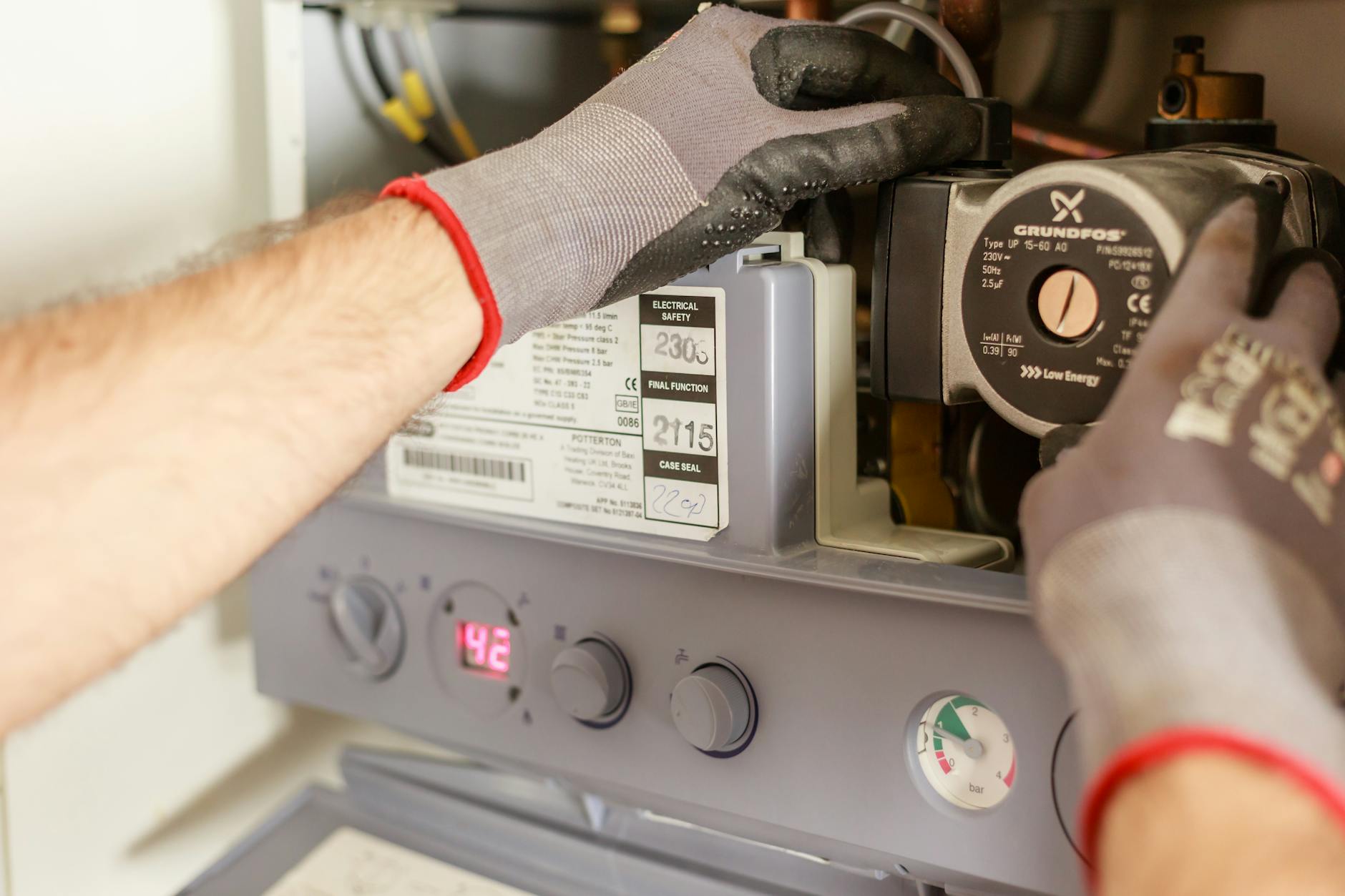
Appliance maintenance tips for energy efficiency often sound like vague platitudes about “extending lifespan,” but the financial reality is more immediate. When dust accumulates on refrigerator coils or lint chokes a dryer vent, the machine compensates by drawing more electricity to achieve the same result. Over the course of a year, these small inefficiencies compound into measurable costs on your utility bills. The average household can reduce energy consumption by 15 to 30 percent simply by maintaining existing appliances rather than masking their decline with higher thermostat settings or longer cycle times.
⚡ In a Rush? Key Takeaways
- Neglected appliances consume 15–30% more electricity than properly maintained units.
- Cleaning refrigerator coils and verifying door seal integrity reduces energy consumption by up to 25%.
- Cleaning dryer vents increases drying efficiency and reduces fire hazards.
- ✅ Regular maintenance prevents 80% of preventable appliance energy waste.
How much energy do poorly maintained appliances actually waste?
Neglected appliances consume 15–30% more electricity than properly maintained units, costing the average household between $200 and $400 annually in wasted energy alone.
Which refrigerator maintenance tasks deliver the highest efficiency returns?
Cleaning condenser coils twice yearly and verifying door seal integrity reduces refrigerator energy consumption by up to 25%, saving approximately $60 annually on electricity costs.
- Cleaning condenser coils
- Verifying door seal integrity
The condenser coils, typically located beneath or behind the unit, dissipate heat removed from the interior. When dust accumulates, they act as insulation, trapping heat and forcing the compressor to work harder. Accessing them requires pulling the unit from the wall and vacuuming with a brush attachment—a twenty-minute task that yields immediate efficiency gains. Equally critical are the door gaskets. Test their integrity by closing a dollar bill in the door; if it slides out without resistance, the seal has degraded sufficiently to permit cold air escape. Replacing a worn gasket costs roughly $30 in parts but prevents the continuous micro-cycles that waste energy. For households with older refrigerator models, these maintenance tasks bridge the efficiency gap until replacement becomes necessary, often extending viable service by three to five years.
Is cleaning dryer vents actually worth the effort for your electric bill?
Yes. A clogged dryer vent increases drying time by 20–30 minutes per load, adding approximately $100–150 to annual electricity costs while creating fire hazards.
| Option | Key stat | Best for |
|---|---|---|
| Clean dryer vent | Reduces drying time by 20–30 minutes per load | Preventing fire hazards and saving $100–150 annually |
The mathematics are unforgiving. A standard electric dryer draws 3,000 watts; an extra thirty minutes per load, multiplied by four loads weekly, equals 26 additional kilowatt-hours monthly. At average residential rates, this single inefficiency costs over $120 annually. Beyond the meter, lint accumulation restricts airflow, causing the heating element to cycle irregularly and potentially overheat. The maintenance protocol requires more than cleaning the lint trap; the vent duct running to the exterior wall requires annual inspection and clearing. Flexible foil ducts should be replaced with rigid metal piping to minimize airflow resistance and lint accumulation. While professional vent cleaning services exist, the task is manageable for most homeowners with a vacuum attachment and vent brush, requiring approximately forty-five minutes once per year. The payoff is immediate: restored drying efficiency and eliminated safety risk.
How often should you descale appliances to maintain peak efficiency?
Descale kettles monthly and washing machines quarterly in hard water areas; mineral buildup increases heating energy consumption by 10–15% while degrading heating elements.
📊 Efficiency Verdict
Regular descaling of appliances in hard water areas can reduce heating energy consumption by up to 15%.
Calcium and magnesium deposits act as thermal insulation on heating elements, forcing them to run longer to achieve target temperatures. In electric kettles, visible scaling extends boil times by measurable minutes. In washing machines and dishwashers, the damage is less visible but equally costly, as the machine compensates for poor heat transfer with extended cycles. White vinegar serves as an effective descaling agent for most residential applications—running an empty hot cycle with two cups of vinegar dissolves minor deposits. For severe scaling, commercial citric acid-based descalers offer stronger results without the corrosive risks of harsh chemical cleaners. This maintenance is particularly crucial in regions with water hardness exceeding 150 parts per million, where scale accumulates rapidly. The dishwasher efficiency guide notes that descaled heating elements restore original cycle times, reducing both energy and water consumption simultaneously.
Do dishwasher filters and door seals affect energy consumption?
Absolutely. Clean filters reduce cycle times by 8–12 minutes, while compromised door seals permit heat loss that forces the heating element to work harder during the wash cycle.
| Option | Key stat | Best for |
|---|---|---|
| Clean filters | Reduces cycle times by 8–12 minutes | Saving energy and water |
| Replace door seals | Prevents heat loss and reduces heating element cycling | Maintaining efficiency and reducing costs |
Modern dishwashers rely on filtration systems to prevent food particles from redepositing on clean dishes. When these filters clog, sensors detect turbidity and extend rinse cycles repeatedly until water clarity meets parameters. The additional heating and pumping cycles consume surplus energy unnecessary with basic maintenance. Most filters twist out from the floor of the dishwasher tub and require simple rinsing under hot water weekly. Door seals merit similar attention; the gasket material degrades with age, developing microscopic gaps that allow steam escape. This heat loss triggers the heating element to cycle on more frequently to maintain wash temperatures. Replacing a dishwasher gasket costs roughly $15 and requires no tools beyond patience. The combined effect of clean filtration and proper sealing restores the machine to its tested energy profile, often improving performance to match Energy Star ratings originally specified at purchase.
Can maintaining your HVAC system lower the energy load of other appliances?
Proper HVAC circulation prevents secondary appliances like dehumidifiers and fans from compensating for temperature imbalances, reducing total household electrical draw by 8–12%.
When central air conditioning systems operate with dirty filters or blocked vents, they fail to distribute conditioned air evenly. This creates hot zones that prompt homeowners to deploy supplementary cooling devices—window units, standing fans, or dehumidifiers—which cumulatively draw significant power. Moreover, poor HVAC efficiency forces refrigerators and freezers in adjacent spaces to work harder against ambient temperature fluctuations. The maintenance calendar here is rigorous: replace HVAC filters quarterly (monthly during peak summer usage), clear outdoor condenser units of debris and vegetation, and verify that indoor vents remain unobstructed by furniture or drapery. These tasks maintain the system’s designed cooling capacity, preventing the cascade of compensatory energy consumption throughout the home. For households with home office setups, stable HVAC performance eliminates the need for personal space heaters or supplemental cooling, which often run inefficiently on resistive heating elements.
What maintenance schedule prevents the biggest energy drains?
Quarterly coil cleaning, monthly filter checks, and annual professional servicing capture 80% of preventable appliance energy waste for under two hours of labor per year.
Preventing energy waste requires systematic attention rather than crisis intervention. January, April, July, and October serve as seasonal markers for refrigerator coil inspection and cleaning. Monthly, clean lint traps and dishwasher filters without exception. Annually, hire certified technicians to service HVAC systems and evaluate major appliances for refrigerant levels, bearing wear, and electrical connections that degrade efficiency. This schedule distributes labor evenly while addressing the maintenance items with highest energy impact. The investment in time—roughly ninety minutes quarterly—yields returns far exceeding the labor cost when measured against utility bill reduction. Consider maintaining a simple log taped inside a kitchen cabinet door to track completion dates, ensuring that maintenance intervals remain consistent across busy seasons when these tasks are easily deferred.
These appliance maintenance tips for energy efficiency require no specialized expertise, only consistency. The savings accumulate quietly month after month, visible not in dramatic single reductions but in the absence of the creeping costs that plague unmaintained homes. For households looking to reduce utility expenses without capital investment in new equipment, maintenance offers the highest return available—preserved functionality at lower operational cost.