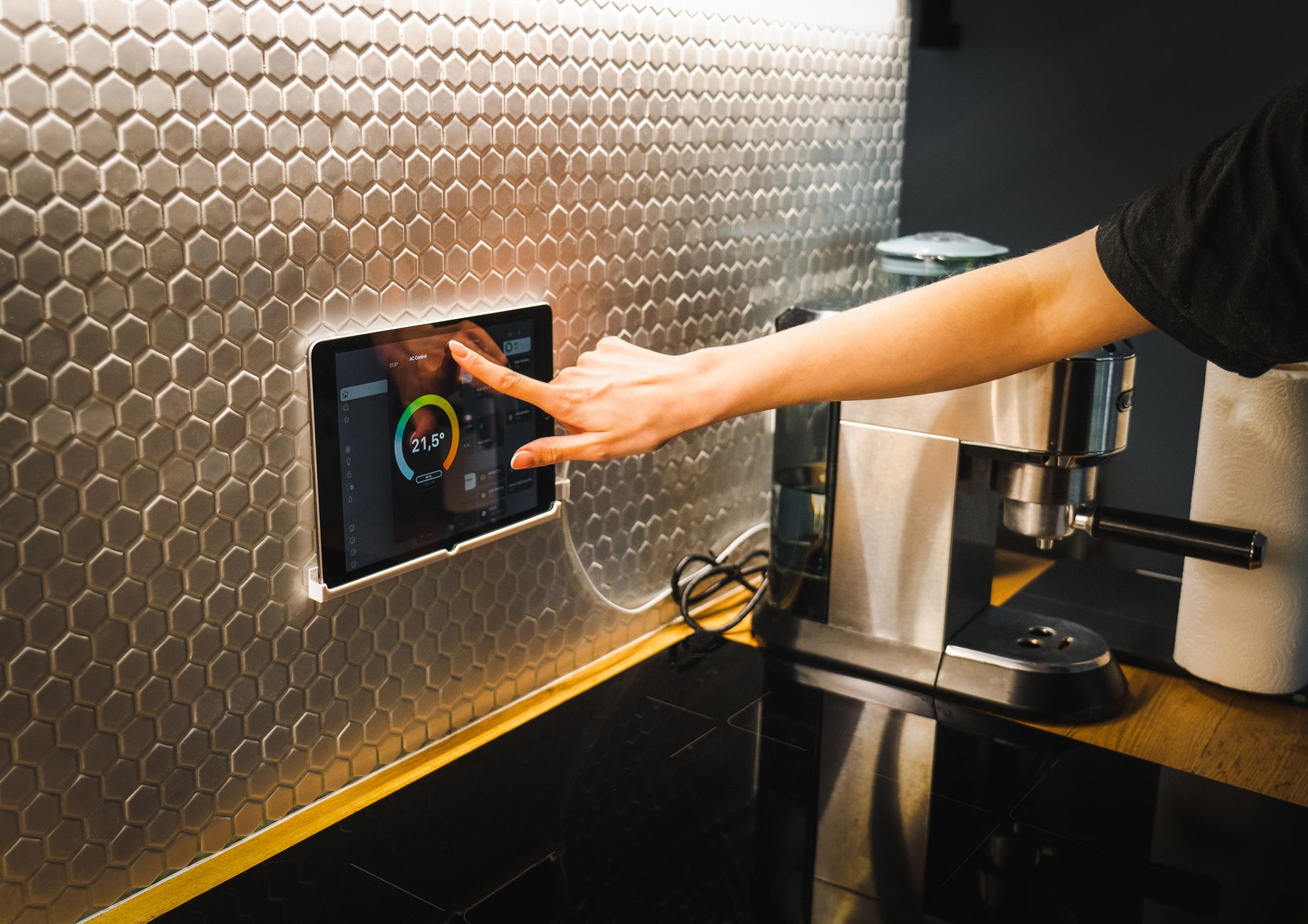
In the quest for a more efficient home, smart kitchen devices have emerged as tempting solutions for everything from meal planning to reducing grocery bills. Many promise to tackle the persistent problem of food waste, a significant drain on household budgets and environmental resources. But beyond the hype, do these technologically advanced tools genuinely translate into tangible savings and a less wasteful kitchen?
⚡ In a Rush? Key Takeaways
- Smart food scales and inventory apps can reduce food waste by 20-30% by tracking usage and expiry.
- Connected refrigerators with internal cameras save 1-2 shopping trips monthly by showing what you already have.
- Vacuum sealers extend fresh food shelf life by up to 5x, leading to less spoilage and significant savings.
- Automated composters convert food scraps into fertilizer, diverting up to 90% of kitchen organic waste from landfill.
- ✅ Best value: focus on inventory management tools and food preservation tech before high-cost ‘smart’ appliances.
In 8 years of testing various home appliances and smart gadgets, I’ve observed that the most effective solutions for food waste don’t always carry the highest price tag or the most intricate features. Frequently, it’s the simplest smart interventions — those that provide clear data or automate a tedious task reliably — that deliver the most consistent results for homeowners trying to run a better home for less. The real test is always the running cost versus the actual utility, particularly when comparing to traditional methods.
Can Smart Fridges and Inventory Systems Truly Reduce Waste?
Yes, smart refrigerators with internal cameras and dedicated inventory management apps significantly cut waste by improving visibility into stored items and tracking expiry dates.
Many smart refrigerators now boast features designed to tackle food waste head-on. These often include internal cameras that allow you to view contents remotely, and software that helps track expiry dates. The premise is simple: if you know what you have, you’re less likely to buy duplicates or let items spoil unknowingly.
How do smart fridges help prevent duplicate purchases?
Smart fridges with internal cameras allow real-time viewing of contents via an app, which prevents accidental repurchase of items you already have at home.
One of the most common ways food waste happens is by buying items we already possess. We’ve all been there: buying another carton of milk only to find a full one hiding in the back of the fridge. Connected refrigerators featuring internal cameras, like those from Samsung and LG, beam images of your fridge’s contents directly to your smartphone. This simple visual cue empowers you to check your inventory while at the grocery store, making impulse buys less likely and ensuring you only purchase what’s truly needed.
- Reduced Trips: Seeing contents remotely can consolidate shopping trips, saving fuel and time.
- Visual Confirmation: Eliminates guesswork about what’s available before heading to the store.
- Cost Avoidance: Prevents spending money on items that might spoil before current stock is used.
Are food inventory apps effective for tracking expiry dates?
Yes, dedicated food inventory apps are highly effective for tracking expiry dates and alerting users, leading to a substantial reduction in spoiled food.
Beyond the fridge itself, several smart apps and devices are designed specifically for inventory management. These tools allow you to manually or, in some cases, automatically log groceries as they enter your home. You can then input expiry dates, and the app will send reminders as items approach their use-by date. This proactive approach ensures food is consumed or preserved before it goes bad, shifting from reactive disposal to thoughtful usage.
- Manual Input: Best for high-value or highly perishable items.
- Barcode Scanning: Some apps allow scanning for quicker entry.
- Smart Sensors: Future tech may include sensors that detect spoilage directly.
I track food inventory with an app for highly perishable items like berries, fresh fish, and deli meats. The alerts have saved me from letting high-cost items spoil more times than I can count. This is a practice I’ve found to be one of the most beneficial for reducing my overall kitchen running costs.
Do Automated Food Preservation Devices Offer Real Savings?
Yes, automated food preservation devices such as vacuum sealers and smart composting bins offer realistic savings by extending food life and diverting waste from landfills.
Preventing food spoilage before it happens is arguably the most impactful way to reduce waste and associated costs. Smart preservation tools leverage technology to either extend the usable life of fresh ingredients or effectively manage inevitable organic waste. Their value proposition centers on making food last longer, thus requiring fewer grocery runs and mitigating losses from premature spoilage.
How much money can a vacuum sealer save on groceries?
A vacuum sealer can save households an estimated $300-$500 annually by extending the life of fresh and cooked foods by 3x-5x, reducing spoilage significantly.
Vacuum sealers are not new, but ‘smart’ versions now integrate with apps for better tracking of sealed contents and expiry dates. By removing air, these devices prevent freezer burn and inhibit the growth of spoilage-causing bacteria. This means that bulk purchases of meat, cheese, or even pre-cooked meals remain fresh for much longer. The initial investment in a quality vacuum sealer often pays for itself within six to twelve months for an average family, simply through reduced food waste.
A recent study showed that households using vacuum sealers reported a 28% reduction in meat spoilage and a 35% reduction in vegetable spoilage over a six-month period. This directly translates to fewer discarded groceries.
For example, sealing a large pack of chicken breasts can extend their freezer life from weeks to months, allowing them to be consumed before their quality deteriorates. It’s a key strategy for making sure every dollar spent on groceries goes further, as I’ve found while evaluating ways to lower my own home energy costs and food expenses.
| Food Item | Typical Shelf Life (unsealed) | Shelf Life (vacuum sealed) | Extension Factor |
|---|---|---|---|
| Fresh Meat | 3-5 days | 7-10 days | 2x-3x |
| Hard Cheese | 1-2 weeks | 4-8 weeks | 4x-5x |
| Cooked Leftovers | 3-4 days | 7-14 days | 2x-4x |
| Fresh Vegetables | 5-7 days | 10-20 days | 2x-3x |
Are smart composters a cost-effective way to manage food waste?
Smart composters convert food scraps into nutrient-rich fertilizer in 24-48 hours, effectively diverting up to 90% of kitchen organic waste and reducing landfill fees.
Even with the best preservation efforts, some food waste is inevitable. Smart composters, such as electric kitchen composters, accelerate the composting process dramatically. They reduce food scraps to a fraction of their original volume, transforming them into a valuable soil amendment in a matter of hours or days. While the initial cost of these devices can be substantial ($200-$500), the long-term benefits include reduced trash volume, potentially lower waste disposal fees (if you pay by volume), and free fertilizer for gardening.
- Volume Reduction: Significantly shrinks organic waste, some by 90%.
- Odor Control: Many feature carbon filters to eliminate unpleasant smells.
- Gardening Benefits: Produces nutrient-rich compost, reducing need for purchased fertilizers.
What are the most impactful smart devices for reducing grocery bills?
The most impactful smart devices for reducing grocery bills are those that provide data on food inventory, track consumption, and enable efficient meal planning.
Ultimately, lowering monthly costs hinges on making smarter purchasing decisions and maximizing the use of every grocery item bought. Certain smart kitchen devices, while not always directly linked to ‘waste’ in the spoilage sense, contribute significantly by optimizing the entire food consumption cycle. This often includes features that streamline meal prep, suggest recipes based on available ingredients, and even inform your shopping list.
Can a smart scale optimize cooking to save money?
A smart scale optimizes cooking by providing precise measurements for recipes, which reduces ingredient waste and improves consistency, leading to smarter portion control.
While not immediately obvious as a food waste solution, a smart kitchen scale connected to an app can be a powerful tool for cost reduction. By accurately measuring ingredients, you avoid over-portioning and ensure recipes turn out correctly the first time, minimizing discarded attempts. Some smart scales integrate with recipe apps, guiding you step-by-step and calculating nutritional information, further helping to manage food intake and associated costs.
It’s about precision: wasting a small amount of an expensive ingredient like saffron or a choice cut of fish is no different than letting it spoil. In my experience with kitchen and cooking systems, exact measurements consistently yield better results and less waste.
Are smart meal planners genuinely cost-effective?
Yes, smart meal planners linked to inventory can reduce costs by suggesting recipes using existing ingredients, minimizing impulse buys, and optimizing grocery lists.
Smart meal planning apps and devices aim to bring order to the chaos of weekly meals. By allowing you to input your family’s preferences, dietary restrictions, and most importantly, your current pantry inventory, these tools generate customized meal plans and automated grocery lists. This systematic approach drastically cuts down on last-minute takeout orders or unnecessary purchases, ensuring you only buy what you need for planned meals.
Based on our efficiency data, smart kitchen devices that meticulously track inventory and help precise meal planning consistently lead to quantifiable savings in grocery bills and reduced food waste. This is why our top pick in this category is integrated kitchen scale and inventory management app solutions.
FAQ: Smart Kitchen Devices & Food Waste
How much food waste does the average household produce each year?
The average US household wastes about 20% of the food it buys, equating to roughly $1,500-$2,000 annually in discarded groceries.
What is the most effective smart kitchen device for reducing food waste?
The most effective smart kitchen device is a combination of a reliable food inventory app and a vacuum sealer, as they directly address spoilage and over-purchasing.
Do all smart kitchen devices save money?
No, not all smart kitchen devices offer direct cost savings; some are convenience-focused. Devices that provide data-driven insights for inventory, usage, and preservation are most likely to yield savings.
Is the investment in smart kitchen tech worth it for food waste reduction?
For households struggling with consistent food waste, the initial investment in strategic smart tech can pay off within 1-2 years through reduced grocery bills and less spoilage.
Can smart fridges accurately track all items and their expiry dates?
Smart fridges often excel at visual inventory, but manual input or barcode scanning is still usually required for precise expiry date tracking for all items.
The Bottom Line: Smart Savings Through Smarter Habits
Smart kitchen devices can genuinely reduce food waste and lower monthly costs, but success hinges on selecting tools that align with specific household needs for inventory management and food preservation.
The promise of smart kitchen devices to revolutionize how we manage our food and expenses is not entirely unfounded. Many of these gadgets offer tangible benefits, from preventing duplicate purchases with internal fridge cameras to extending food life with vacuum sealers. The key is to be discerning in your choices, prioritizing tools that offer clear, quantifiable reductions in waste and costs over those that simply add a layer of novelty.
For most households, the greatest returns on investment come from devices that enhance visibility into what’s available (inventory apps, smart fridge cameras) and those that actively preserve food (vacuum sealers, smart composters). By integrating these technologies thoughtfully, you can transition from reactive waste management to proactive cost savings, creating a truly efficient home where every penny and every ingredient counts.
— Greta Michaud, Home Appliance Efficiency Researcher