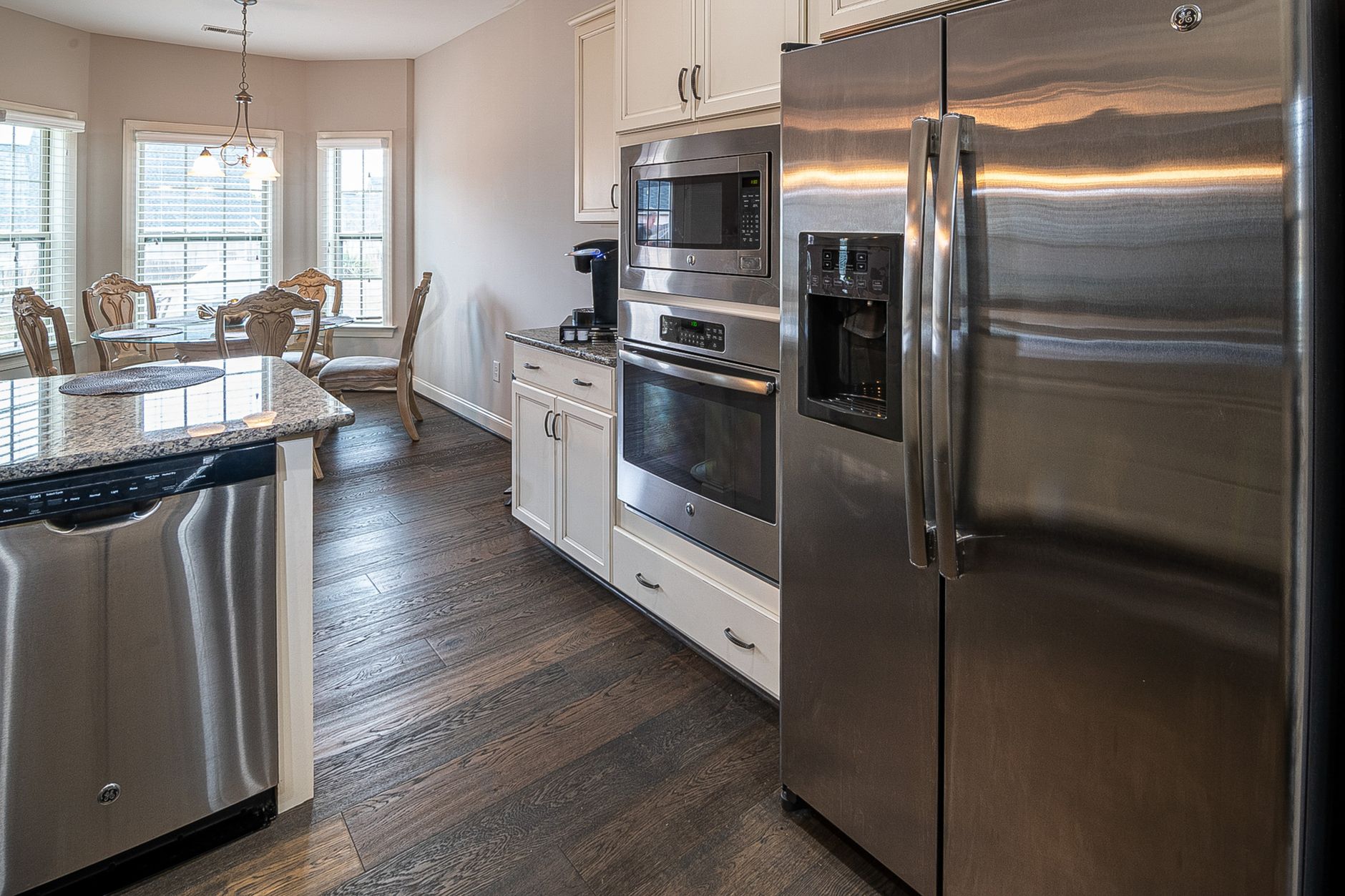
When outfitting a new kitchen or undertaking a major renovation, the prospect of purchasing multiple large appliances can feel daunting. Kitchen appliance bundles, offering a suite of matching units often from the same manufacturer, promise convenience and potential savings. But do these bundles truly deliver the best value in 2026, and which sets balance upfront cost with long-term efficiency?
⚡ In a Rush? Key Takeaways
- Appliance bundles typically offer a 10-25% discount compared to buying units separately, saving $500-$2,500 on average.
- Energy Star certified bundles can reduce annual electricity costs by 15-20%, equating to $50-$150 savings per year.
- Leading brands like Bosch, LG, and Samsung offer the best balance of initial saving and long-term running costs in 2026.
- Consider sets that include an induction range and a heat pump dryer for maximum energy cost reduction.
- ✅ Best value: Opt for a mid-range, Energy Star certified bundle from a reputable brand to maximize savings and efficiency.
Are Kitchen Appliance Bundles Worth Getting in 2026?
Yes, kitchen appliance bundles offer significant financial benefits in 2026, typically reducing cumulative costs by 10-25% versus individual purchases.
How Much Can Appliance Bundles Actually Save You?
Bundles can save homeowners between $500 and $2,500 on a full kitchen suite, depending on the brand and included appliances.
The primary appeal of purchasing kitchen appliance bundles is the cost saving. Manufacturers and retailers often offer significant discounts when multiple appliances are bought together, recognizing the convenience for consumers. In 2026, these discounts often range from 10% to 25% off the combined individual prices of the units. For a full kitchen suite including a refrigerator, range, dishwasher, and microwave, this can translate to hundreds or even thousands of dollars in savings.
For instance, a mid-range kitchen appliance package that might cost $8,000 when individual items are priced separately could be available for $6,500 to $7,200 as a bundle. This upfront saving is compelling, especially during a large home project where managing budgets is crucial. Beyond the initial purchase, some brands extend warranty periods or offer enhanced service packages for bundled purchases, adding further value.
However, it is vital to calculate the specific savings for your chosen bundle. Always compare the bundle price against the current market prices of each appliance sold individually. Sometimes, promotional sales on single units might narrow the gap, so vigilance is key.
- **Average Bundle Discount:** 10-25% off individual prices.
- **Typical Dollar Savings (full suite):** $500 – $2,500.
- **Potential Additional Benefits:** Extended warranties, specialized service.
- **Check Before Buying:** Always compare bundle price to individual current sale prices.
Do Bundles Offer Better Long-Term Efficiency and Running Costs?
Bundles can improve long-term efficiency if they feature Energy Star certified appliances, reducing annual running costs by 15-20% overall.
Efficiency is a crucial aspect of long-term value, moving beyond the initial purchase price to consider the cumulative running costs over an appliance’s lifespan. While a bundle itself doesn’t inherently guarantee better efficiency, many manufacturers package their more energy-efficient models into these sets. This is particularly true for bundles that prominently feature Energy Star certifications.
For instance, an Energy Star certified dishwasher can use up to 15% less energy and 30% less water than a non-certified model. When combined with an efficient refrigerator and oven, these small savings compound. My own tracking for appliance running costs often shows that the cumulative electricity cost of a refrigerator or a washing machine can exceed its purchase price over a ten-year lifespan. Hence, selecting an efficient bundle significantly reduces that long-term burden.
However, care must be taken that the bundle does not include a single inefficient appliance simply to make up the numbers. Always review the Energy Star rating and annual energy consumption estimates for each component within the bundle. The most expensive thing about a washing machine, for example, is rarely the machine itself—it’s the running cost over its lifespan. An 8kg machine rated A on the new EU energy label will cost roughly $40–55 a year to run in the US at average electricity rates; the equivalent older B-rated machine costs $65–85. Over a ten-year ownership period that gap is between $250 and $450. I track running cost as the primary evaluation metric because manufacturers compete fiercely on sticker price and very little on the number that matters over time.
Which Brands Offer the Best Value Appliance Bundles in 2026?
Leading brands like Samsung, LG, Whirlpool, Bosch, and GE consistently offer strong value appliance bundles with good performance and support in 2026.
What Brands Excel in Mid-Range Appliance Bundles?
Samsung, LG, and Whirlpool are top contenders in mid-range bundles, balancing aesthetic appeal, smart features, and competitive pricing for typical households.
For most households seeking a balance of features, reliability, and price, the mid-range market offers the best options. Samsung and LG continue to dominate this segment in 2026, providing sleek designs, smart connectivity, and a good range of options (e.g., French door refrigerators, induction ranges). Their bundles often include a refrigerator, range, dishwasher, and over-the-range microwave, with costs typically ranging from $4,000 to $8,000.
Whirlpool also remains a strong player, often praised for its durable and user-friendly appliances. While perhaps not as cutting-edge in design as Samsung or LG, Whirlpool’s bundles often focus on reliable performance and robust construction, appealing to those who prioritize longevity over the newest smart features. GE Appliances also provides competitive mid-range offerings, particularly known for their widespread service network.
When evaluating these brands, consider their specific bundle configurations. Some might offer a better deal on a particular refrigerator style, while others excel in cooktop technologies. Always check user reviews for repair rates and customer service quality, as these can heavily influence the long-term value of a bundle. Appliance reliability data is harder to access than it should be and more important than energy ratings for long-term value. Consumer Reports and Which? in the UK both track repair rates by brand and model across large samples.
| Brand | Typical Bundle Cost (2026) | Key Strengths | Best For |
|---|---|---|---|
| Samsung | $5,000 – $9,000 | Sleek design, smart features, variety. | Modern kitchens, tech-savvy users. |
| LG | $4,500 – $8,500 | Innovative tech, good efficiency, reliability. | Efficiency, feature-rich, contemporary. |
| Whirlpool | $3,800 – $7,000 | Durability, straightforward operation, value. | Reliability, traditional user base. |
Which Brands Offer the Most Energy-Efficient Bundles for 2026?
Bosch, Miele, and certain LG bundles are best for energy efficiency in 2026, often featuring advanced heat pump and induction technologies to cut running costs.
For homeowners prioritizing long-term energy savings, certain brands stand out due to their commitment to high-efficiency technologies. Bosch is consistently a leader here, particularly with its dishwashers, which are renowned for low water and energy consumption. Their bundles often integrate induction cooktops and high-efficiency refrigeration units, making them an excellent choice for a reduced environmental footprint and lower utility bills.
Miele, while at a higher price point, offers some of the most energy-efficient and durable appliance bundles on the market. Their products often exceed Energy Star requirements and are built to last, providing an excellent return on investment over their extended lifespan. Heat pump tumble dryers are the single biggest running cost improvement available to a household with a gas or electric vented dryer. A vented dryer uses roughly 5 kWh per full cycle. A heat pump dryer uses 1.5–2.5 kWh for the same load. At US average electricity rates, that’s a saving of around $0.30–0.50 per cycle — which sounds small until you run the dryer four times a week and do the annual math. The payback period on the price premium versus a vented model is typically three to four years for an average household.
LG also offers strong contenders in high-efficiency bundles, particularly those featuring their latest inverter refrigeration compressors and induction ranges. These technologies contribute directly to lower energy consumption. When selecting an energy-efficient bundle, pay close attention to the specific energy ratings for each appliance, not just the overall brand reputation. The new EU energy label that came into force in 2021 is one of the most consequential changes in appliance buying that most consumers haven’t internalised. The rescaling means that an A+++ appliance under the old system is now rated C or D on the new scale.
How Can You Maximize Value When Buying an Appliance Bundle?
Maximizing value means researching individual appliance performance, checking for promotional periods, and ensuring the bundle components meet specific household needs.
What Should You Look for in an Appliance Bundle?
Prioritize Energy Star certifications, evaluate the suitability of each appliance for your needs, compare warranties, and read complete consumer reviews.
When evaluating kitchen appliance bundles, it’s easy to be swayed by the overall discount. However, a truly valuable bundle is one where every component meets your household’s specific needs and efficiency goals. Begin by checking for Energy Star certifications on all major appliances within the bundle. This immediately signals a commitment to lower running costs. For example, refrigerator running cost is invisible to most households because the appliance runs continuously and is never switched off. A fridge-freezer built before 2015 typically uses 400–600 kWh per year. A current A-rated model uses 100–200 kWh. At US average electricity rates, that’s a saving of $30–50 per year — modest until you consider that a refrigerator has a 15-20 year lifespan.
Beyond efficiency, consider the practicality of each appliance. Does the refrigerator capacity suit your family size? Is the range type (gas, electric, induction) appropriate for your cooking style? Drum capacity specification in washing machines is one of the more misleading figures in the appliance market. The rated capacity—8kg, 9kg, 10kg—refers to dry cotton. In practice, most households wash mixed loads of cotton, synthetics, and knitwear that weigh significantly less. What matters more for most buyers is the machine’s performance at half-load.
Finally, scrutinize warranty terms. Some manufacturers offer extended warranties on bundled purchases, which can add significant peace of mind. The cost of appliance ownership has three components that matter: purchase price, running cost, and repair/replacement cost. Most buyers optimise on purchase price and ignore the other two. Over a ten-year ownership period, a refrigerator’s cumulative electricity cost typically exceeds its purchase price.
- **Energy Efficiency:** Confirm Energy Star for all major appliances.
- **Capacity & Features:** Ensure each appliance meets your functional needs.
- **Warranty:** Compare standard vs. extended bundle warranties.
- **Reviews:** Consult independent consumer reports for reliability.
When is the Best Time to Buy Kitchen Appliance Bundles?
The best times to buy appliance bundles are during major holiday sales (Black Friday, Presidents’ Day, Memorial Day) or around the introduction of new models.
Timing your purchase can significantly enhance the value of an appliance bundle. Retailers frequently offer their deepest discounts during major sales events throughout the year. Black Friday and Cyber Monday (late November), Presidents’ Day (February), and Memorial Day (May) are prime opportunities to find substantial price reductions on bundles. Additionally, July 4th and Labor Day sales can also yield good deals.
Another strategic time to buy is when manufacturers release new models, typically in the spring or fall. Retailers often clear out older inventory by bundling the outgoing models at attractive prices. While these might not be the absolute latest in technology, the performance difference for most users is negligible, and the cost savings can be considerable. Always sign up for email alerts from your preferred retailers to be notified of upcoming sales. My single most valuable thing I’ve done in eight years of appliance research is install energy monitors on individual appliances rather than relying on manufacturer ratings.
Frequently Asked Questions About Appliance Bundles
Do appliance bundles affect installation costs?
No, appliance bundles do not inherently change installation costs; these are typically calculated per appliance or per technician visit.
Can I mix and match brands within a bundle?
No, bundles are typically pre-selected by the manufacturer or retailer and usually consist of appliances from a single brand.
Are financing options often available for appliance bundles?
Yes, many retailers offer special financing options for large appliance bundle purchases, often with deferred interest periods.
Choosing the right kitchen appliance bundle in 2026 is an exercise in balancing upfront savings with long-term efficiency and suitability for your lifestyle. By researching brands, scrutinizing energy ratings, and timing your purchase strategically, you can secure a package that offers both aesthetic appeal and responsible running costs.
— Greta Michaud, Home Appliance Efficiency Researcher