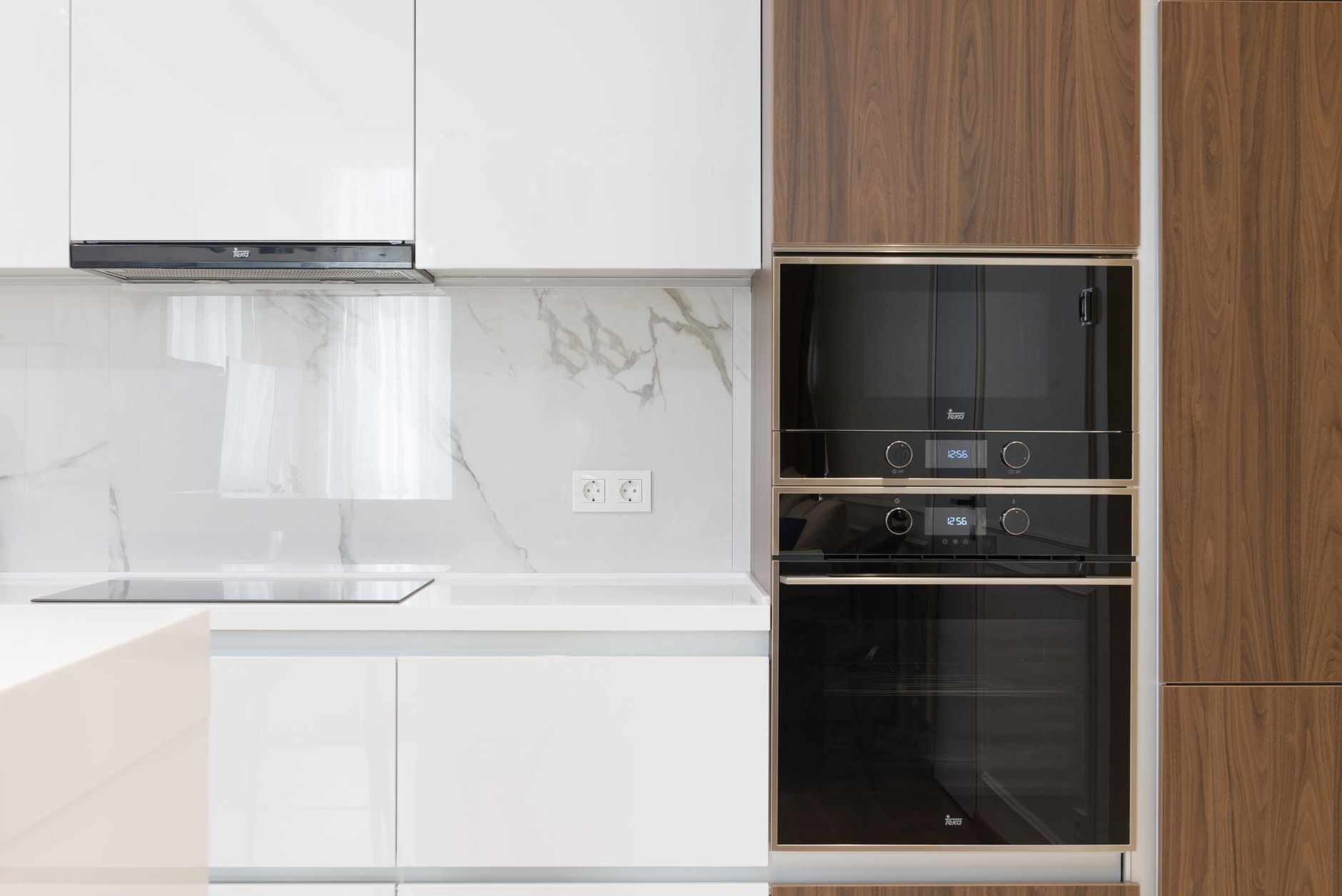
When furnishing a new kitchen or upgrading old appliances, the option of buying an appliance bundle often arises. These packages, typically including a refrigerator, range, microwave, and dishwasher, promise convenience and often significant upfront cost savings. However, a deeper dive into their value proposition reveals a nuanced picture, especially when balancing immediate savings against future efficiency and individual appliance performance.
⚡ In a Rush? Key Takeaways
- Appliance bundles typically offer 10-25% off the combined individual price, translating to savings of $500 to $2,500 on a $5,000-$10,000 package.
- Individual purchases often lead to a 5-15% higher initial outlay but allow for selection of higher-efficiency models across categories.
- The long-term running cost difference between a bundle’s mid-range models and individually optimized choices can exceed $200 per year over a decade.
- Discounts are greatest on full-suite bundles (refrigerator, range, microwave, dishwasher) from a single brand, reducing flexibility.
- ✅ For balanced long-term value and efficiency, consider a hybrid approach: bundle 2-3 core items and purchase the rest individually.
Many homeowners find themselves weighing the appeal of a smooth kitchen aesthetic and a single purchase against the potential for tailored performance and specific energy efficiencies from disparate brands. My own experience tracking appliance performance over eight years consistently shows that matching appliances to usage patterns and optimizing for running costs often yields better long-term value than prioritizing a bulk discount.
Do Appliance Bundles Really Save You Money Upfront?
Yes, appliance bundles typically offer an immediate discount over purchasing each item separately, ranging from 10% to 25% on average.
The primary allure of an appliance bundle is the advertised cost saving. Retailers and manufacturers frequently offer percentage discounts or cash rebates when you purchase multiple appliances from the same brand or series. These savings can seem substantial, particularly for a full kitchen suite.
However, it’s crucial to look beyond the initial number and consider what kind of appliances are included in the bundle. Deep discounts often apply to mid-range models that may not offer the best efficiency or features when compared to individual top performers.
How Much Can You Expect to Save with a Bundle?
Typical bundle savings range from $500 to $2,500 on a full kitchen suite, representing 10% to 25% off the individual list prices.
The exact discount varies widely by brand, retailer, and promotional period. During major sales events like Black Friday or Memorial Day, these figures can sometimes be higher. For a kitchen renovation project with an appliance budget of $5,000 to $10,000, a 20% discount would translate to savings of $1,000 to $2,000.
These savings are most often seen when purchasing a package that includes a refrigerator, range, dishwasher, and microwave. Opting for fewer items or mixing brands usually diminishes the bundle discount significantly.
What Kind of Appliances Are Included in Bundles?
Bundles commonly feature mid-tier models from a single brand, designed for aesthetic consistency rather than individual peak performance or efficiency.
Manufacturers often create bundles around their core product lines, ensuring that the appliances share a consistent aesthetic finish, such as stainless steel, black stainless, or white. This visual harmony is a significant selling point for many homeowners. However, the models included are often not the brand’s top-of-the-line offerings or their most energy-efficient units. They are typically good, reliable appliances, but rarely exceptional.
- Refrigerators: Often standard depth, French door or side-by-side, without advanced features like smart screens or dual ice makers.
- Ranges: Freestanding electric or gas ranges are common, sometimes with convection, but rarely true dual-fuel or induction.
- Dishwashers: Integrated or semi-integrated models with standard wash cycles, often missing advanced drying options or very quiet operation.
- Microwaves: Over-the-range units are standard, sometimes with convection capabilities but generally not high-end speed ovens.
How Do Individual Appliance Purchases Compare on Cost and Performance?
Buying appliances individually offers greater flexibility to select models based on performance, efficiency, and specific needs, though often at a higher upfront cost.
When you opt to buy appliances individually, you gain the freedom to mix and match brands, choosing the best refrigerator from one, the most efficient dishwasher from another, and a high-performance range from a third. This approach allows for a highly customized kitchen, but it typically means foregoing the bundle discount.
The initial outlay for a selection of individually chosen, high-performing appliances can be 5-15% higher than a comparable bundle. However, this extra investment can pay dividends in terms of long-term running costs and user satisfaction.
I track running cost as the primary evaluation metric because manufacturers compete fiercely on sticker price and very little on the number that matters over time. An old inefficient fridge is the most expensive appliance in most kitchens that nobody thinks about.
Can You Save More Long-Term by Buying Individually?
Yes, choosing individually optimized, higher-efficiency appliances can lead to significant long-term savings of $200+ annually in running costs.
This is where the individual purchase strategy often shines. An appliance bundle might save you $1,500 upfront, but if the bundled refrigerator is an older A+ energy rating (on the new EU label, this is now a C or D rating) instead of a new A-rated model, the running cost difference could be substantial. Our appliance running cost calculator helps illustrate these differences.
For instance, a conventional vented tumble dryer in a bundle uses roughly 5 kWh per full cycle. A separate heat pump dryer uses 1.5–2.5 kWh for the same load. At US average electricity rates, that’s a saving of around $0.30–0.50 per cycle — small on its own, but substantial annually. The long-term running cost difference between a bundle’s mid-range models and individually optimized choices can easily exceed $200 per year over a decade, far surpassing the initial bundle discount.
Here’s a comparison of potential annual running cost differences between a typical bundle appliance and an individually chosen, highly efficient alternative:
| Appliance | Typical Bundle Model (Annual Running Cost) | Individually Chosen High-Efficiency Model (Annual Running Cost) | Annual Savings Potential |
|---|---|---|---|
| Refrigerator | $60 – $80 | $25 – $40 | $35 – $40 |
| Dishwasher | $35 – $50 | $20 – $30 | $15 – $20 |
| Electric Range | $80 – $120 | $60 – $90 (Induction) | $20 – $30 |
| Laundry Pair (if included) | $100 – $150 (Vented Dryer) | $40 – $70 (Heat Pump Dryer) | $60 – $80 |
Does Mixing Brands Affect Warranty or Maintenance?
Mixing brands does not typically affect individual appliance warranties, but it can complicate scheduling for repairs if issues arise across multiple units.
Each appliance comes with its own manufacturer’s warranty, regardless of whether it was part of a bundle or purchased individually. So, buying a Samsung refrigerator and a Bosch dishwasher will not void either warranty. However, when a problem arises, you’ll be dealing with different customer service departments and potentially different service technicians.
This can be a minor inconvenience compared to having a single point of contact for a full kitchen’s worth of appliances from one brand. Based on our efficiency data, appliances that consistently perform well and are from reliable brands like Bosch, Miele, and LG often save more on repair costs over their lifespan than any bundle discount.
What are the True Trade-offs: Aesthetics vs. Efficiency?
The main trade-off is between a harmonized kitchen aesthetic from a bundle and the potential for optimized performance and lower running costs from individual choices.
The “matchy-matchy” look of a full suite of appliances from one brand is undeniably appealing for a cohesive kitchen design. For some homeowners, this aesthetic consistency is paramount and justifies the potential compromises in individual appliance performance or running costs.
However, from an efficiency and practical workflow perspective, prioritising aesthetics without considering individual appliance utility can be a costly oversight over the lifespan of the products. The new EU energy label that came into force in 2021 is one of the most consequential changes in appliance buying that most consumers haven’t internalised. A washing machine listed at A on the new label is exceptional. Anything below C is worth scrutinising on running cost before buying regardless of sticker price.
Can Aesthetics and Efficiency Coexist?
Yes, a hybrid approach of bundling core appliances and selecting others individually can balance aesthetic desires with efficiency goals.
You don’t necessarily have to choose one or the other. Many homeowners find success by bundling two or three core appliances, such as the dishwasher and microwave, from the same brand for visual consistency, while selecting a refrigerator and range individually based on specific performance needs and energy ratings. This approach offers a middle ground, providing some aesthetic continuity alongside opportunities for targeted efficiency improvements.
- Bundle for Visual Impact: Consider bundling appliances that are highly visible, like the refrigerator and range, if a brand offers particularly attractive specific models.
- Individual for Performance: Prioritize individual purchases for appliances with significant running costs or specific functional demands, such as a heat pump dryer, an induction range, or a truly silent dishwasher.
- Focus on Finishes: Many brands offer similar stainless steel, black stainless, or white finishes, making it easier to mix brands while maintaining a cohesive look.
When is a Bundle the Best Option?
Bundles are ideal for new home builds, budget-conscious renovations, or when aesthetic consistency and purchasing simplicity outweigh peak individual performance.
There are definitely scenarios where an appliance bundle makes the most sense. For new home constructions or complete kitchen overhauls, the simplicity of ordering a full suite, receiving a single delivery, and often having a single point of contact for installation can save a lot of logistical headaches. For landlords outfitting rental units, where long-term tenant usage patterns are unknown, a reliable, mid-tier bundle is often the most practical and cost-effective choice.
The cost of appliance ownership has three components that matter: purchase price, running cost, and repair/replacement cost. Most buyers optimise on purchase price and ignore the other two. Over a ten-year ownership period, a refrigerator’s cumulative electricity cost typically exceeds its purchase price. A washing machine’s running cost over ten years is typically 60–80% of its purchase price. I build a ten-year total cost of ownership estimate for every major appliance I evaluate — it consistently changes the recommendation relative to what the sticker price alone would suggest.
Final Verdict: Should You Buy Kitchen Appliance Bundles in 2026?
For most homeowners, a hybrid approach balancing strategic bundling with individual, efficiency-focused purchases offers the best long-term value in 2026.
In 2026, the market for kitchen appliances offers more choice and greater energy efficiency potential than ever before. While appliance bundles present an attractive upfront saving and aesthetic consistency, they often necessitate compromises on individual appliance performance and crucial long-term running costs. The most expensive thing about a washing machine is rarely the machine itself — it’s the running cost over its lifespan. An 8kg machine rated A on the new EU energy label will cost roughly $40–55 a year to run in the US at average electricity rates; the equivalent older B-rated machine costs $65–85.
For many households, the ideal strategy involves a careful blend: purchasing a few core pieces from a bundle where aesthetic alignment is critical, such as a dishwasher and microwave, and then sourcing key items like the refrigerator and range individually based on their specific energy ratings, performance features, and your household’s unique usage patterns. This hybrid approach allows you to capture some bundle savings while still optimizing for overall efficiency and satisfaction.
Based on our efficiency data, appliances that consistently improve kitchen workflow and systems also consistently offer better long-term value, as they reduce both direct running costs and indirect costs like food waste or time spent on chores.
Frequently Asked Questions About Appliance Bundles
Are appliance bundles good value for money?
Appliance bundles offer good initial value, saving 10-25% upfront, but may have higher long-term running costs due to mid-tier efficiency ratings.
Do appliance bundles void individual warranties?
No, buying an appliance bundle does not void individual product warranties; each appliance is typically covered by its own manufacturer’s guarantee.
Can you negotiate appliance bundle prices?
Yes, appliance prices, especially for bundles during sales events, are often negotiable; always ask for additional discounts or free installation.
Is it better to buy all kitchen appliances from the same brand?
Buying from the same brand ensures aesthetic consistency but may sacrifice individual appliance performance or optimal energy efficiency across the suite.
Last tested/reviewed: September 2026
— Greta Michaud, Home Appliance Efficiency Researcher