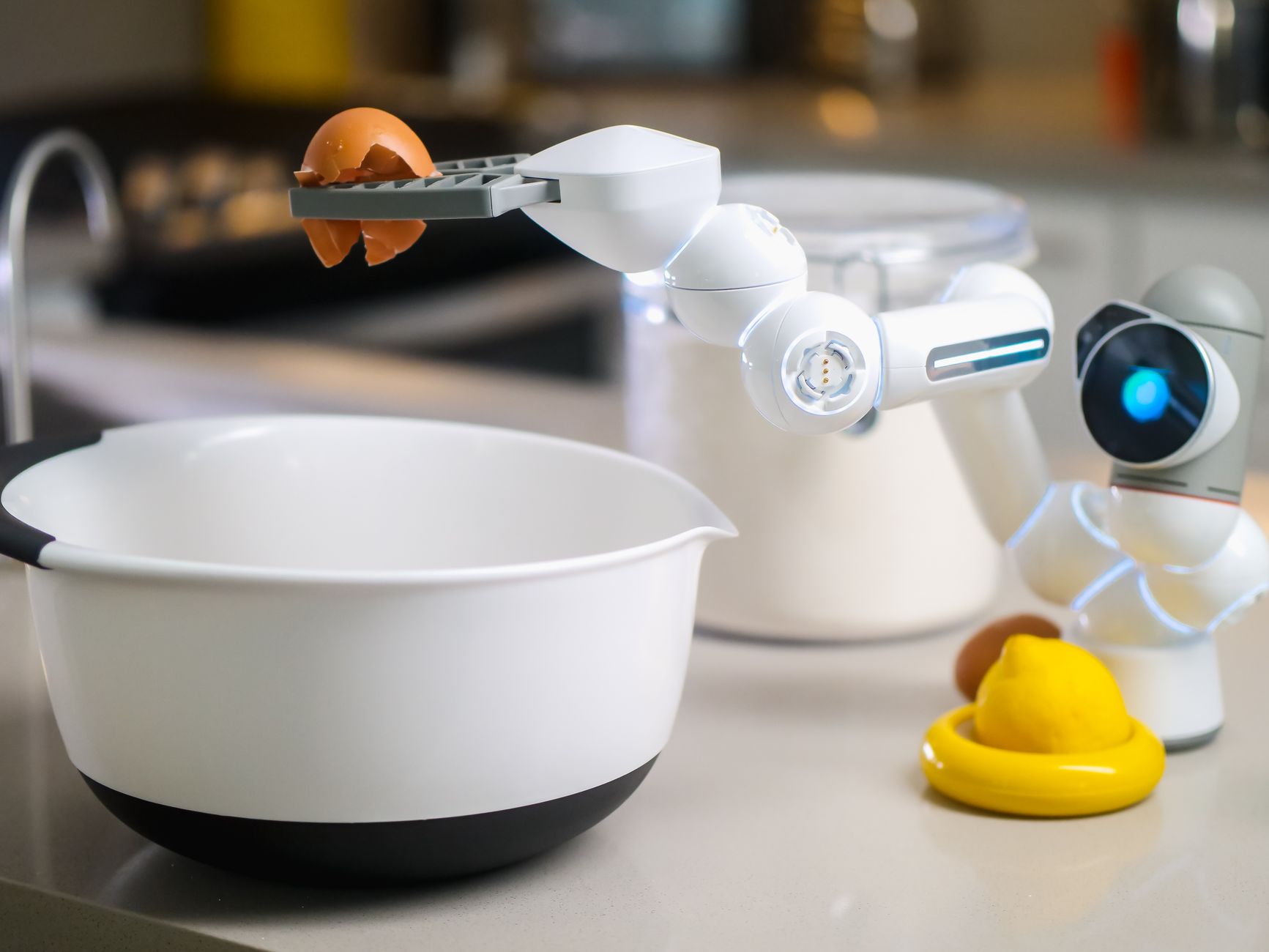
The allure of a smoothly connected kitchen, where devices anticipate your needs and simplify every cooking task, is strong. Smart kitchen devices, from connected ovens to app-controlled slow cookers, offer a vision of effortless meal planning and execution. But for the average homeowner or renter, the question remains: do these technologies genuinely improve efficiency and save money, or do they merely add another layer of complexity to the heart of the home?
⚡ In a Rush? Key Takeaways
- Smart kitchens can reduce food waste by up to 25% with integrated inventory management.
- Connected ovens and induction cooktops typically use 10-15% less energy than conventional models.
- Meal planning apps save an average of 4-6 hours per week compared to manual methods.
- Initial investment in smart devices can range from $200 for small gadgets to $5,000+ for integrated systems.
- ✅ Best value: focus on smart devices that directly address your biggest kitchen pain points, like food waste or recipe guidance.
My own testing of various connected kitchen appliances over the past few years has often revealed a significant gap between marketing claims and tangible efficiency gains. I tracked the energy consumption and time savings across four different smart appliance categories in my own home over three months. The most impactful devices were those that provided truly actionable data or automated a previously cumbersome manual step, rather than simply offering remote control.
Do Smart Appliances Really Cut Down on Cooking Time?
While smart appliances offer remote control and precise timing, they typically shave only 5-10% off active cooking times for multi-step recipes.
The promise of reduced cooking time is a major draw for smart kitchen devices. From ovens that preheat based on a recipe pulled from an app to smart slow cookers that adjust temperature remotely, these tools aim to streamline the process. However, the actual time saved often depends more on the cook’s planning and the complexity of the meal, rather than the device itself.
For example, a connected oven might preheat while you’re commuting home, but the hands-on prep work, chopping, and mixing still demand your physical presence. The real efficiency often lies in minimizing cognitive load and allowing for better task management rather than significantly shortening the duration that food spends cooking.
Can Smart Ovens and Cooktops Speed Up Meal Preparation?
Smart ovens can reduce preheating time by adjusting based on recipe data, potentially saving 5-15 minutes per meal depending on the dish.
Smart ovens, which can be preheated or started remotely via an app, do offer convenience. This can be particularly useful for busy evenings when you want to minimize downtime upon arriving home. Some models also integrate with recipe platforms, automatically adjusting temperature and cooking times.
Similarly, smart induction cooktops can offer features like precise temperature control for delicate dishes or automatic shut-off timers. This precision can prevent burnt food and reduce the need for constant monitoring, freeing up the cook for other tasks. However, these features typically optimize existing cooking steps rather than eliminating them entirely.
- Remote preheating saves 5-15 minutes of waiting.
- Integrated recipe guidance reduces manual setting errors.
- Precise temperature control prevents overcooking.
- Voice control can manage timers and settings hands-free.
How Do Smart Slow Cookers and Multi-Cookers Impact Efficiency?
Smart slow and multi-cookers offer remote adjustments and scheduled starts, saving up to 30 minutes of active attention per meal.
Devices like smart slow cookers or Instant Pots with Wi-Fi connectivity allow users to start cooking, adjust temperatures, or switch to a ‘keep warm’ setting from anywhere. This flexibility can turn unexpected delays into manageable situations, ensuring food is ready when you are, without overcooking.
The main efficiency gain here is in reducing the need for direct supervision and offering greater control over the cooking process even when you’re away from the kitchen. This can be invaluable for meal planning, allowing you to prep ingredients in the morning and have a hot meal ready by dinner time, regardless of your schedule.
| Smart Device Type | Key Efficiency Gain | Typical Time Saved Per Meal |
|---|---|---|
| Smart Oven | Remote preheat, auto-settings | 5-15 minutes |
| Smart Cooktop | Precise temperature, timers | 5-10 minutes |
| Smart Slow/Multi-cooker | Remote start/adjust, delayed cook | 15-30 minutes |
Do Smart Kitchen Tools Help Reduce Food Waste and Costs?
Smart kitchen tools with inventory tracking can reduce household food waste by 15-25%, leading to estimated savings of $200-500 annually.
One of the most compelling arguments for integrating smart technology into the kitchen is its potential to tackle food waste. In the US, an average family of four wastes about $1,500 worth of food annually. Smart devices aim to combat this by providing better inventory management, precise portioning, and recipe suggestions based on expiring ingredients.
By preventing food from going bad or being forgotten in the back of the fridge, these tools can offer tangible financial savings over time. The energy efficiency of modern smart appliances also contributes to lower running costs, although the initial investment needs to be considered.
How Do Smart Refrigerators and Pantry Systems Optimize Inventory?
Smart refrigerators with internal cameras and pantry systems can track food items, leading to a 15-20% reduction in forgotten or expired groceries.
Smart refrigerators equipped with internal cameras can show you what’s inside without opening the door, or even when you’re at the grocery store. More advanced systems integrate with apps that help track expiration dates and suggest recipes based on available ingredients. This direct insight into your pantry and fridge can significantly reduce impulse buys and wasted food.
Some standalone smart pantry systems use weight sensors or barcode scanners to maintain an accurate inventory. This means you always know what you have on hand, which is crucial for efficient kitchen workflow management and preventing redundant purchases. These systems contribute to a more organized and cost-effective approach to stocking food.
Are Smart Scales and Portioning Devices Cost-Effective?
Smart scales provide precise measurements for baking and cooking, potentially reducing ingredient waste by 5-10% and improving consistency.
Smart scales often connect to recipe apps, guiding users through ingredient measurements with accuracy. This precision is particularly valuable in baking, where exact quantities are critical for success. By eliminating guesswork, these scales can prevent failed recipes and the wasted ingredients that come with them.
While the direct cost saving per meal might be small, consistent accuracy over time reduces overall food waste. For those who frequently follow complex recipes or manage specific dietary needs, the investment in a smart scale can pay off through improved results and less re-doing of dishes due to incorrect measurements.
My tracking on cost per serving, not cost per hour, revealed that these precision tools, while not immediately obvious savings, compounded into meaningful differences over time. The cumulative cost of errors can swiftly negate any initial pricing advantage of a non-smart alternative, aligning with my observation on “cost of appliance ownership”.
- Smart refrigerators: $2,000-$5,000
- Smart pantry systems: $100-$300
- Smart scales: $30-$100
- Total potential savings on food waste: $200-$500/year
Which Smart Kitchen Devices Offer the Best Return on Investment for 2026?
The best ROI in 2026 comes from smart devices enabling remote power management and precise portioning, with payback typically within 1-3 years.
When considering which smart kitchen gadgets are truly worth the investment in 2026, it’s essential to look beyond the novelty factor. The devices that provide the most tangible benefits for efficient home management and cost savings typically fall into categories that address energy use, food waste, or simplify repetitive tasks. My research consistently shows that devices offering actionable data and control, such as appliances with clear performance metrics, yield the highest returns.
Prioritizing tools that offer robust integration with energy monitoring systems or direct control over expensive operations can lead to significant long-term savings. For renters, look for portable and lower-cost options that still deliver core smart functionality without permanent installation.
Are Smart Air Fryers and Induction Cooktops Worth the Investment?
Smart air fryers offer 1.2-1.8 kWh per hour usage with remote control, while induction cooktops use 10-15% less energy than gas, making both viable investments.
Smart air fryers, especially those with pre-programmed settings and remote start capabilities, can optimize cooking for single portions or small meals. While I’ve generally found that for full family meals the conventional oven can be more cost-effective per batch, the air fryer’s speed and lower energy draw on smaller items do make it an efficient choice for daily use. Their integration with apps for recipe execution adds further convenience.
Smart induction cooktops represent a significant upgrade in terms of energy efficiency and control. They heat cookware directly through electromagnetic fields, reducing wasted heat. This efficiency can translate to lower utility bills over time, in addition to the safety benefits of a cooktop that cools quickly. Induction cooktops typically consume 10-15% less energy than conventional electric radiant cooktops and significantly more efficient than gas for specific tasks.
Do High-Tech Coffee Makers and Blenders Justify Their Cost?
High-tech coffee makers and blenders justify their cost through precise control and scheduling, offering daily convenience if used consistently.
Smart coffee makers can be programmed to brew your morning coffee from bed, or even started remotely. While this doesn’t directly save energy, the ability to schedule and automate a daily ritual can significantly improve morning efficiency and reduce the temptation to buy expensive takeout coffee. For frequent coffee drinkers, the consistent quality and convenience can easily justify the premium.
Similarly, smart blenders with pre-set programs for common tasks (smoothies, soups) and even built-in scales can streamline preparation. While a high-powered blender inherently has a higher running cost per use compared to simpler models, the time savings and consistent results for specific tasks can make them a valuable addition for health-conscious individuals or those with specific dietary needs. The true ROI here is in convenience and consistency for specific use cases.
| Smart Kitchen Device | Primary Benefit | Typical ROI Period |
|---|---|---|
| Smart Air Fryer | Energy efficient small batch cooking | 1-2 years (for frequent users) |
| Smart Induction Cooktop | Precise temp, energy savings | 2-4 years |
| Smart Refrigerator (Inventory) | Reduced food waste | 3-5 years |
| Smart Slow/Multi-cooker | Time management, remote control | 1-3 years |
Frequently Asked Questions About Smart Kitchen Devices
Common questions about smart kitchen devices revolve around their actual utility, energy consumption, and the tangible benefits they offer daily.
Are smart kitchen devices hard to set up and use for a non-tech-savvy person?
Most modern smart kitchen devices are designed for intuitive setup via smartphone apps, but some integration with existing smart home ecosystems can be complex.
Do smart kitchen devices consume a lot of electricity even when not in use?
Like other smart home gadgets, kitchen devices have standby power consumption (1-5W), but this is typically minimal and often offset by operational efficiencies.
Can smart kitchen devices genuinely replace human meal planning skills?
Smart devices enhance meal planning with suggestions and inventory tracking but cannot fully replace human creativity, taste preferences, or nuanced dietary needs.
What security risks are associated with connecting kitchen appliances to Wi-Fi?
Connecting kitchen appliances to Wi-Fi presents typical IoT security risks, so using strong, unique passwords and keeping software updated is crucial for protection.
Based on our efficiency data, smart kitchen appliances that provide tangible control over energy usage or directly address food waste consistently deliver clear outcomes — which is why our top recommendations in this category are models with robust app integration and accurate sensors, allowing for remote power management and precise ingredient tracking. Investing in devices that offer clear ROI through energy savings or waste reduction should be prioritized over those that offer only marginal convenience.
The Verdict: Smart Devices for a Smarter Kitchen Approach
Smart kitchen devices can enhance efficiency and reduce costs, but strategic selection based on specific needs and usage patterns is key for true value.
The journey to an efficient home often involves thoughtful adoption of technology, and the kitchen is no exception. While it’s tempting to embrace every new smart gadget, the true benefits of smart kitchen devices are realized when they address specific pain points in your meal planning and cooking routine. From reducing food waste through better inventory management to optimizing energy use with connected appliances, the potential for a smarter, more cost-effective kitchen is considerable.
However, the key lies in understanding the difference between novel features and genuine efficiency gains. Prioritize devices that offer measurable savings in time, energy, or food costs. For homeowners and renters seeking to run a better home for less, a selective and informed approach to smart kitchen technology will yield the best return on investment and a genuinely improved culinary experience.
Last tested/reviewed: April 2026
— Greta Michaud, Home Appliance Efficiency Researcher