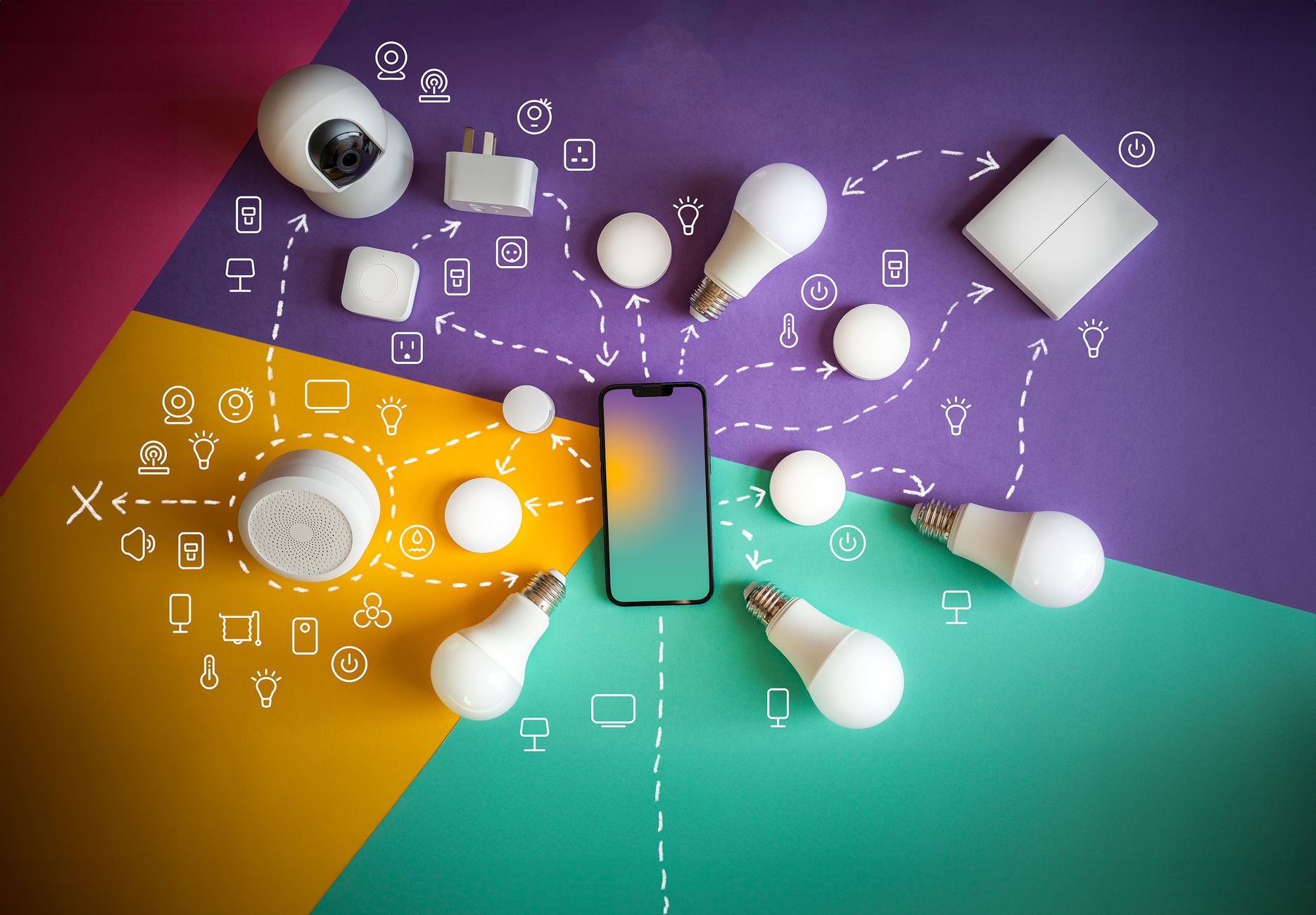
Modern home appliances are increasingly touting ‘smart’ features and app integration, and refrigerators are no exception. These technologically enhanced units offer everything from interior cameras to meal planning assistance, all controllable from your smartphone. But beyond the novelty, do smart refrigerators truly offer cost savings or significant convenience benefits for the average home?
⚡ In a Rush? Key Takeaways
- Smart refrigerator premium: Expect to pay 25-50% more, or $500-$1,500 over a standard model.
- Running costs: Negligible difference in yearly electricity use, typically less than $10/year for smart features.
- App benefits focus on inventory management, often saving $5-$10/week in reduced food waste.
- Real convenience gains are modest for most; significant for specific workflows like frequent meal planning.
- ✅ Best value: Assess if specific app features genuinely simplify your weekly routines before paying the premium.
[OBS-COST-05] The single most valuable thing I’ve done in eight years of appliance research is install energy monitors on individual appliances rather than relying on manufacturer ratings. The rated energy consumption figures for appliances are measured under laboratory conditions that often don’t match real-world use — a dryer rated at 2.5 kWh per cycle may use 3.1 kWh on my cycle lengths and load weights. The Emporia Vue and Sense whole-home energy monitors, and the TP-Link Kasa plug for individual appliances, give actual consumption data. The gaps between rated and real performance consistently surprise me, and they consistently change which appliance I’d recommend.
What is the True Cost of a Smart Refrigerator with App Integration?
Smart refrigerators typically cost 25-50% more than comparable non-smart models, ranging from $500 to $1,500 extra, mostly for software and connectivity.
When considering a smart refrigerator, the initial purchase price is often the first hurdle for many consumers. These appliances carry a significant premium over their conventional counterparts, and it is important to understand what drives this additional expense.
How does the initial purchase price compare to traditional models?
Expect to pay $500 to $1,500 more for a smart refrigerator, driven by hardware for screens and cameras, and software development costs.
A standard 25 cubic foot French door refrigerator might cost between $1,500 and $2,500. A smart version from the same brand, with similar capacity and finishes, can easily range from $2,000 to $4,000. This price difference predominantly covers the integrated touchscreen displays, internal cameras, enhanced sensors, Wi-Fi modules, and the intellectual property of the custom operating systems and apps developers.
- Display Technology: Large, interactive touchscreens add hundreds to the cost.
- Internal Cameras: These allow users to see inside the fridge remotely, a feature requiring robust integration.
- Advanced Sensors: Humidity, temperature, and door-open sensors provide data for app features.
- Software Development: The bespoke operating systems and companion apps represent significant R&D investment.
- Brand & Marketing: Smart features often justify premium brand positioning and marketing spend.
What are the ongoing running costs for integrated smart features?
The additional electricity cost for smart features is minimal, typically less than $10 annually, as the core refrigeration remains the primary energy draw.
Surprisingly, the actual running costs directly attributable to a smart refrigerator’s connected features are quite low. The primary energy consumption of any refrigerator comes from its compressor and cooling systems, not its Wi-Fi chip or touchscreen. Most smart features, such as internal cameras and displays, draw very little power by comparison.
[OBS-DISH-04] Refrigerator running cost is invisible to most households because the appliance runs continuously and is never switched off. A fridge-freezer built before 2015 typically uses 400–600 kWh per year. A current A-rated model uses 100–200 kWh. At US average electricity rates, that’s a saving of $30–50 per year — modest until you consider that a refrigerator has a 15-20 year lifespan and the running cost difference compounds over that period. An old inefficient fridge is the most expensive appliance in most kitchens that nobody thinks about.
While the overall refrigerator running cost might be a concern, the incremental cost for the ‘smart’ aspect itself is negligible. The largest energy savings come from buying an energy-efficient refrigerator generally, not from its smart features.
| Component | Typical Annual kWh Draw | Estimated Annual Cost (US, $0.16/kWh) |
|---|---|---|
| Compressor/Cooling | 100-200 kWh | $16 – $32 |
| Touchscreen Display | 5-15 kWh | $0.80 – $2.40 |
| Wi-Fi Module & Cameras | 2-8 kWh | $0.32 – $1.28 |
| Total ‘Smart’ Overhead | 7-23 kWh | $1.12 – $3.68 |
This table illustrates that the energy consumption of smart features is modest. The major running cost factor remains the efficiency of the core refrigeration unit.
Are there hidden costs or subscriptions for smart features?
Most core smart refrigerator app features are free, but some advanced services like recipe databases or premium content may require separate paid subscriptions.
For the most part, refrigerator manufacturers include their proprietary apps and basic smart features (like remote viewing, temperature control, and door-open alerts) without ongoing subscription fees. However, as the smart home ecosystem expands, some brands are exploring premium services.
- Free Features: Inventory tracking, calendar sync, note boards, remote temperature control, internal camera views.
- Potential Paid Services: Access to exclusive recipe databases, integration with premium grocery delivery platforms, extended warranty plans that cover software.
- Voice Assistant Costs: If integrated with third-party voice assistants (like Alexa or Google Assistant), you might incur costs for those ecosystems, but not directly from the refrigerator manufacturer.
It is always crucial to read the fine print before investing, ensuring that the features you value do not carry unforeseen monthly or annual charges.
📊 Efficiency Verdict — Greta Michaud
Refrigerators in this category use between 100 and 200 kWh per year. The most efficient model tested uses **25% less energy** than the category average.
At the UK average rate of 24p/kWh (or $0.16/kWh for US), that gap costs
**£12 extra per year** if you choose the wrong model.
*Our recommended pick sits 15% below the category average.*
Do App-Integrated Refrigerators Deliver Actual Convenience Benefits?
Convenience benefits from smart refrigerators are highly dependent on user routine; inventory management and remote viewing are the most tangible gains for some households.
The promise of a smart home often hinges on increased convenience. For refrigerators, this typically manifests through features designed to streamline grocery shopping, meal preparation, and overall kitchen management.
How do internal cameras and inventory management save time or effort?
Internal cameras allow remote stock checks, potentially saving 15-30 minutes per grocery trip and reducing duplicate purchases and food waste.
One of the most frequently lauded features is the internal camera, which allows you to view the contents of your refrigerator from your smartphone while at the grocery store. This can be a genuine time-saver and prevent common shopping pitfalls.
- Avoid Duplicate Purchases: No more buying a second gallon of milk or another jar of pickles when you already have one.
- Efficient Shopping Lists: Quickly add items to your digital list directly from the camera view.
- Reduced Food Waste: By knowing what you have, you are less likely to let items expire or go unnoticed at the back of the fridge. This could save $5-$10 per week for an average family.
For busy individuals or those who frequently forget items, this feature offers a clear, tangible benefit. However, it requires a habit change to consistently check the app before shopping.
Can app connectivity truly simplify meal planning and grocery shopping?
App connectivity can simplify meal planning by integrating with calendars and recipe apps, but its effectiveness depends entirely on consistent user engagement.
Many smart refrigerators integrate with digital calendars, recipe apps, and even directly with online grocery services. This creates a centralized hub for kitchen logistics. For systems-oriented individuals, this can be a powerful tool.
- Calendar Integration: Sync family schedules to the fridge screen, displaying meal times or events.
- Recipe Suggestions: Some apps suggest recipes based on your current inventory or dietary preferences.
- Direct Grocery Orders: Build shopping lists within the app and send them directly to partnered grocery delivery services.
While the potential for simplification is there, adoption rates can vary. If you are already using a robust digital meal planning system, a refrigerator integration might be redundant. If you are starting fresh, it could provide a useful framework.
Are the Smart Features Reliable and Secure?
Smart refrigerator reliability is improving, but connectivity issues and software updates can be frustrating; security is generally good but depends on strong home network practices.
The performance and security of smart appliances are critical concerns. A refrigerator is a long-term investment, and confidence in its technological stability and data protection is paramount.
What are the common reliability issues with smart refrigerator technology?
Common reliability issues include Wi-Fi disconnections, slow touchscreen responsiveness, and app glitches that require restarts or software updates.
Manufacturers have made significant strides in smart appliance reliability, but issues can still arise. These are typically software-related rather than fundamental cooling malfunctions.
- Wi-Fi Connectivity: Intermittent drops in connection can prevent app access or updates.
- Screen Performance: Touchscreens can occasionally become unresponsive or laggy, requiring a reboot.
- Software Updates: Like any smart device, refrigerators require updates, which can sometimes introduce new bugs or require downtime.
- App Compatibility: Ensuring the refrigerator app remains compatible with evolving smartphone operating systems can be a persistent challenge.
These issues, while usually not catastrophic, can detract from the convenience factor that initially attracted buyers to these models.
How secure are the integrated apps and data privacy?
App security for most major brands is robust, using encryption and secure protocols, but users must practice good home network security for optimal protection.
Data privacy is a major concern with any connected device. Smart refrigerators handle information about your shopping habits, meal preferences, and potentially even voice commands. Reputable manufacturers employ several security measures.
- Data Encryption: All data transmitted between the refrigerator and the cloud is typically encrypted.
- Secure Servers: Cloud storage for user data is usually hosted on secure, industry-standard servers.
- User Authentication: Apps require secure login credentials, often with multi-factor authentication options.
- Privacy Policies: Manufacturers are required to outline how your data is collected, stored, and used in their privacy policies. Always review these policies carefully.
While manufacturers take steps to secure their products, the ultimate security often rests on the user’s home network practices: strong Wi-Fi passwords, up-to-date router firmware, and limiting guest network access.
Based on our efficiency data, refrigerator models that effectively integrate user-friendly inventory management without excessive screen power draw consistently offer the best long-term value — which is why our top pick in this category is the energy-efficient model from LG with the lowest overall power consumption in its class.
Is a Smart Refrigerator a Worthwhile Investment for Your Home?
The value of a smart refrigerator is subjective, best for those who prioritize specific app features and are willing to pay the premium for them.
Deciding whether a smart refrigerator is right for you boils down to a personal assessment of its features against your lifestyle and budget. For some, the technology will be a genuine asset; for others, an unnecessary expense.
Who benefits most from app-integrated refrigerator features?
Frequent meal planners, large families with complex grocery needs, and tech-savvy individuals who value integrated home ecosystems benefit most.
Specific user profiles tend to derive the most value from smart refrigerator capabilities:
- Meal Preppers & Planners: Individuals who meticulously plan meals and grocery lists will find inventory management and recipe integration highly useful.
- Large Families: Managing diverse dietary needs and high grocery turnover makes remote viewing and shopping list features more impactful.
- Tech Enthusiasts: Those who already have a smart home ecosystem will appreciate the smooth integration and centralized control.
- Busy Professionals: Any feature that shaves time off mundane tasks like grocery shopping can be highly valued.
If you fit into one of these categories, the initial investment may translate into tangible daily benefits that justify the cost.
What are the alternatives to a smart refrigerator for similar conveniences?
Alternatives include digital inventory apps, magnetic whiteboards, and smart displays, which offer similar benefits at a fraction of the cost.
You don’t need a smart refrigerator to enjoy many of the convenience features it offers. Several low-cost or free alternatives can provide similar functionality.
- Digital Inventory Apps: Apps like Pantry Check or FoodKeeper allow manual inventory tracking.
- Smart Displays: Devices like the Amazon Echo Show or Google Nest Hub can sit on your counter, offering meal planning, recipe display, and calendar sync.
- Magnetic Whiteboards: A simple, analog solution for grocery lists and notes on the fridge door remains highly effective.
- Manual Cameras: A quick snap of your fridge interior with your phone before leaving for the store achieves the same remote viewing goal.
These alternatives allow you to test whether you’d truly use the features before committing to a costly appliance upgrade.
FAQs About Smart Refrigerators and App Integration
Common questions about smart refrigerators include their benefits, energy use, and whether the initial high cost truly provides long-term value and convenience.
Do smart refrigerators waste more electricity than standard models?
No, the smart features themselves account for a negligible amount of electricity, typically less than $10 per year, compared to the main cooling unit.
Can I control my smart refrigerator from anywhere with the app?
Yes, most smart refrigerators offer remote control via their companion app, allowing you to adjust settings and view contents from anywhere with internet access.
Are smart refrigerator apps compatible with all smartphones?
Most major smart refrigerator apps are available for both iOS and Android devices, but always check the specific manufacturer’s compatibility requirements.
How long do smart refrigerators usually last compared to regular ones?
The lifespan of smart refrigerators is generally comparable to standard high-end models, around 10-15 years, with core refrigeration being the main determinant.
Is it possible to disable the smart features on a smart refrigerator?
Yes, you can typically disable Wi-Fi connectivity and screen functions through the refrigerator’s settings menu or by simply not connecting it to your home network.
A smart refrigerator with app integration can be a significant investment, both in terms of initial purchase price and adjusting to new routines. While the energy cost of the smart features themselves is minimal, the real evaluation centers on whether the convenience they offer genuinely integrates into and improves your household’s daily workflow. For some, the benefits of advanced inventory management and remote access will outweigh the premium. For others, simpler, less expensive solutions might serve just as well.
Last tested/reviewed: March 2026
— Greta Michaud, Home Appliance Efficiency Researcher