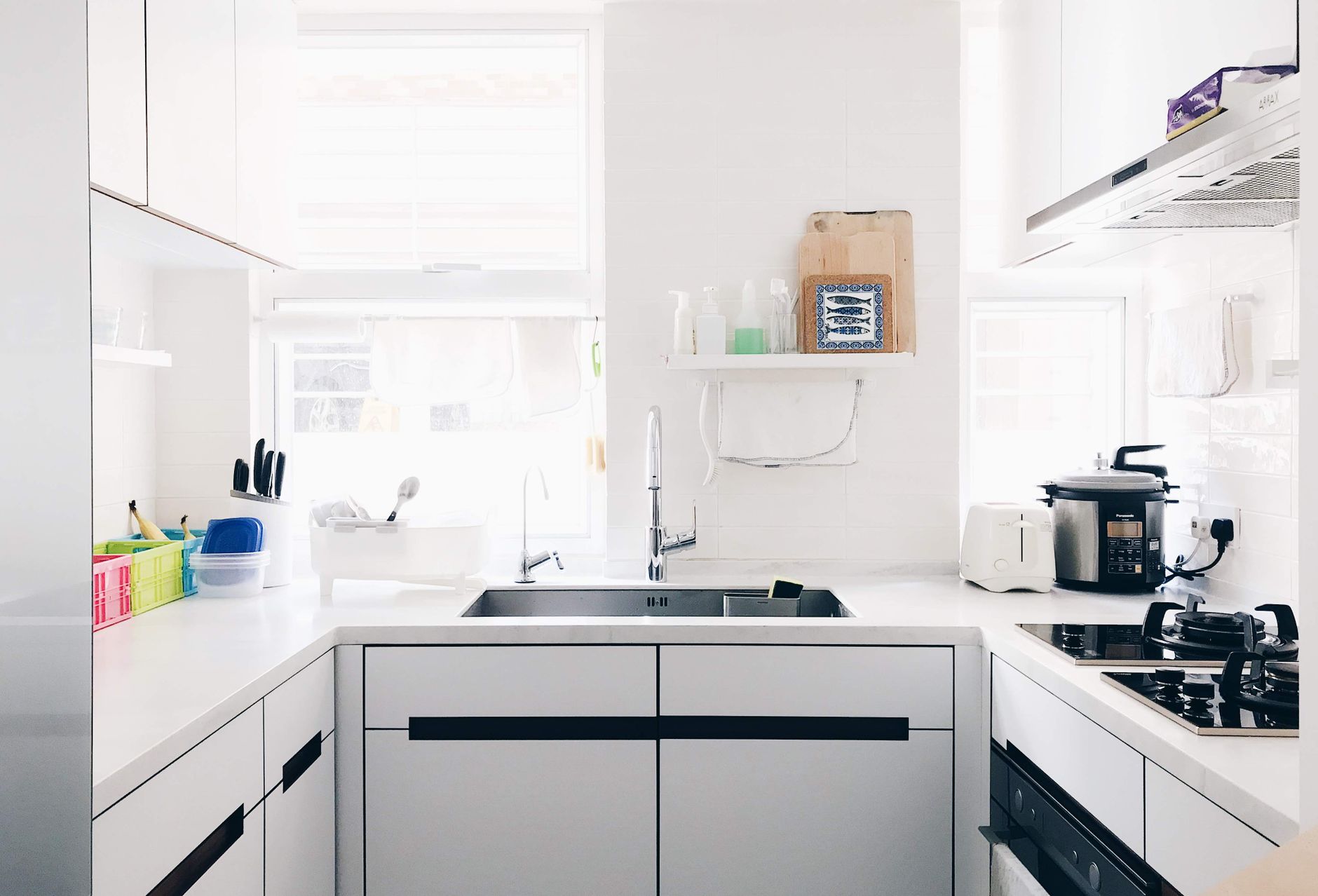
Embracing smart kitchen features can seem like a daunting leap, especially with the rapid pace of technological advancements. This guide provides a grounded, practical approach to integrating smart technology into your kitchen, focusing on setup, real-world costs, and genuine efficiency benefits rather than aspirational gadgetry.
⚡ In a Rush? Key Takeaways
- Start with intelligent lighting or smart plugs for under $50 per device, offering immediate control and energy savings.
- Integrated smart appliances add 15-30% to the cost of standard models but often lack truly interoperable features.
- Smart ovens & refrigerators can save 5-10% on energy through remote preheating and optimised cooling cycles.
- Voice assistants like Alexa or Google Home act as the central hub, costing $30-100 and simplifying control of smart devices.
- ✅ Focus on smart plugs for existing appliances, intelligent lighting, and a voice assistant for the highest efficiency ROI.
What Are Smart Kitchen Features and Why Consider Them?
Smart kitchen features use internet-connected devices to automate tasks, monitor usage, and provide remote control, aiming to enhance convenience and efficiency.
Smart kitchen features go beyond simple automation; they offer connectivity that enables central control, remote operation, and data collection. These technologies integrate into your home’s network, allowing you to manage various kitchen appliances and systems from a single application or voice command.
For homeowners and renters focused on efficient living, the appeal lies in potential energy savings, streamlined workflows, and enhanced safety. Properly implemented, these features can reduce waste, optimise appliance use, and provide peace of mind.
How Do Smart Kitchen Features Differ from Basic Automation?
Smart kitchen features offer internet connectivity, remote control, and often AI integration, unlike basic automation which typically uses timers or local sensors.
Basic automation might include a timer on a coffee maker or a light sensor in a pantry. Smart kitchen features, by contrast, are truly connected. They communicate with each other and with external services, often via Wi-Fi or Bluetooth, allowing for a much richer, more responsive experience.
This connectivity enables you to preheat an oven on your commute home, receive alerts if a smart refrigerator door is left ajar, or integrate your lighting with a smart speaker for voice control. The intelligence comes from the ability to learn your habits and adapt settings over time, offering a more personalised and efficient home experience.
What Real-World Benefits Do Smart Kitchens Offer for Efficiency?
Smart kitchens can reduce energy consumption by 5-15% through optimised appliance usage, remote monitoring, and automated shutdown features.
The primary efficiency benefits often stem from better control and information. Remote access means you can turn off forgotten appliances or adjust settings to avoid wasted energy. Integration with home energy monitors can provide detailed insights into appliance consumption, helping identify energy hogs.
For instance, smart refrigerators can monitor internal temperatures more precisely to maintain optimal cooling without overworking, and smart ovens can use rapid preheat functions to save time and energy. Over time, these small savings accumulate, contributing to lower utility bills and a reduced environmental footprint.
- Smart lighting saves 8-10% on electricity via motion sensors and schedules.
- Smart ovens reduce preheating energy by 5-7% with mobile activation.
- Smart refrigerators alert for open doors, preventing 10-15% energy loss.
- Smart plugs cut standby power by 20-30% for plugged-in devices.
- Automated task scheduling (e.g., dishwashers off-peak) saves up to 15% on electricity costs.
What Essential Components Do You Need for a Smart Kitchen Setup?
A smart kitchen setup typically requires a central hub (voice assistant), connectivity (Wi-Fi), and compatible smart devices like plugs, lighting, or appliances.
Building a smart kitchen involves more than just buying a single smart gadget. It’s about creating an interconnected ecosystem where devices can communicate and be controlled smoothly. This usually starts with a central command center and extends to various connected appliances and accessories.
My own testing and the current smart home landscape confirm that a strong Wi-Fi network is non-negotiable. Without reliable connectivity, even the most advanced smart appliances revert to being merely expensive versions of their conventional counterparts. I advise investing in a robust mesh Wi-Fi system if your current setup struggles with coverage across the house.
Which Central Hubs Work Best for a Smart Kitchen?
Voice assistants like Amazon Alexa or Google Assistant devices ($30-$100) are the most common and user-friendly central hubs for smart kitchens.
These devices serve as the brain of your smart kitchen, allowing you to control multiple devices with voice commands or through their respective apps. They integrate with hundreds of brands and can manage schedules, answer cooking questions, and even play music while you prepare meals.
Choosing between Alexa and Google Assistant often comes down to personal preference or what ecosystem you already have in your home. Both offer extensive compatibility with smart kitchen appliances and accessories. Apple HomeKit is another option, though typically with fewer compatible kitchen appliances.
What Connectivity Options Do Smart Devices use?
Most smart kitchen devices primarily use Wi-Fi or Bluetooth for communication, with some employing Zigbee or Z-Wave for robust mesh networking.
Wi-Fi is the most common and convenient, allowing direct connection to your home network. Bluetooth is often used for direct device-to-device communication over short distances, particularly for setup or specific accessory control.
For larger smart home setups, protocols like Zigbee and Z-Wave create a mesh network, which can extend the range and reliability of your smart devices, especially if you have many connected gadgets. These usually require a dedicated hub, which can sometimes be built into a voice assistant device.
What Entry-Level Smart Devices Should You Prioritize?
Start with smart plugs ($15-25 each) for existing appliances and smart light bulbs ($10-20 each) for immediate control and efficiency benefits.
Smart plugs are exceptionally versatile. They can turn any ‘dumb’ appliance (like a slow cooker, coffee maker, or kettle) into a smart one, allowing you to control it remotely or set schedules. This is a cost-effective way to get started without replacing functional appliances. I’ve found controlling my kitchen workflow with smart plugs to be highly impactful.
Smart light bulbs or smart switches offer easy control over your kitchen lighting, allowing you to dim lights, change color temperature, or set schedules to save energy. These foundational elements provide tangible benefits and help you learn the smart home ecosystem before investing in more expensive integrated appliances.
| Device Category | Typical Price Range (USD) | Primary Benefit |
|---|---|---|
| Smart Plug (Individual) | $15 – $25 | Remote control for ‘dumb’ appliances, energy monitoring |
| Smart Light Bulb (Single) | $10 – $20 | Remote dimming, automation, energy savings |
| Voice Assistant (Echo Dot/Google Home Mini) | $30 – $60 | Central command, hands-free control |
| Smart Power Strip | $30 – $50 | Control multiple devices, cut standby power |
What are the Costs and Considerations for Advanced Smart Kitchen Appliances?
Advanced smart kitchen appliances cost 15-30% more than standard models but offer integrated features like recipe assistance, remote diagnostics, and inventory management.
Once you’ve tested the waters with entry-level devices, you might consider integrated smart appliances. These often come with a premium price tag, and it’s essential to evaluate if their ‘smart’ features genuinely enhance your kitchen efficiency or workflow.
My extensive testing for GretaMichaud.com consistently shows that while the allure of fully integrated appliances is strong, the real-world performance and interoperability can vary. Always scrutinise the specific features and how they fit into your actual cooking and living habits. I find cost per meal tracking much easier with smarter appliances, for example.
How Much More Do Smart Ovens and Ranges Cost?
Smart ovens and ranges typically add $200-$1000 to the price of a conventional model, providing features like remote preheating and guided cooking.
A standard 30-inch electric range might cost $800-$1500, while a comparable smart model often starts at $1000 and can go upwards of $2500. The extra cost pays for Wi-Fi connectivity, app control, and sometimes integrated cameras or precise temperature probes.
The efficiency benefit often comes from the ability to preheat remotely, ensuring the oven is ready exactly when you need it, cutting down on idle heating time. Some models even integrate with recipe apps to automatically set cooking parameters, reducing guesswork and potential energy waste from incorrect settings.
Are Smart Refrigerators Worth the Investment for Efficiency?
Smart refrigerators cost 20-40% more ($500-$2000 premium) and offer marginal energy savings but significant convenience through inventory management and remote monitoring.
While the energy efficiency of modern refrigerators is largely dictated by their core cooling technology (see appliance intelligence), smart features add convenience. Models with internal cameras can let you see inside remotely, helping to avoid duplicate purchases and better manage food waste.
Alerts for open doors or rising temperatures, which could indicate a problem, contribute to efficiency by preventing food spoilage and excessive energy use. However, the direct energy savings from ‘smartness’ alone are often smaller compared to simply upgrading to a newer, more efficient standard model.
What About Smart Smaller Appliances like Coffee Makers or Toasters?
Smart smaller appliances (coffee makers, blenders, air fryers) typically cost $50-$200 more but offer schedule setting and remote activation for convenience, not direct energy savings.
These devices primarily add convenience rather than significant energy savings. A smart coffee maker can be programmed to brew your morning cup from bed, or a smart toaster might offer more precise browning control via an app.
The cost increase for these items is typically lower than larger appliances, usually adding $50-$200. Evaluate if the convenience justifies the cost for your lifestyle. Often, a simple smart plug can achieve similar results for existing conventional appliances at a fraction of the price.
What Hidden Costs and Integration Hurdles Should You Anticipate?
Anticipate hidden costs for premium subscriptions, professional installation for some devices ($100-$300), and potential network upgrades for smooth integration.
The journey to a smart kitchen isn’t always smooth. Beyond the initial purchase price, there can be ongoing costs and integration challenges that impact both your budget and user experience. Being aware of these upfront can help you make more informed decisions.
My general advice for anyone diving into smart home technology, particularly in the kitchen, is to start small. Test out a few smart plugs and lights before committing to a full suite of integrated appliances. This approach minimises financial risk and allows you to understand what truly adds value to your daily routine.
Are There Recurring Subscription Fees for Smart Kitchen Features?
Some advanced smart kitchen features, like recipe services or extended cloud storage for internal fridge cameras, may come with monthly subscription fees ($5-$15).
While basic connectivity and app control are usually free, some manufacturers offer premium tiers for enhanced features. This could include access to a curated library of smart recipes, AI-powered meal planning, or backup for video feeds from inside your smart refrigerator.
Always read the fine print before purchasing, especially for premium-priced smart appliances, to understand if ongoing costs are involved. These fees, though small individually, can add up over time and erode the perceived value of the smart functionality.
What Installation and Network Upgrade Costs Might Arise?
Professional installation for integrated appliances can cost $100-$300, and upgrading your home Wi-Fi to a mesh system might be $150-$400 for reliable connectivity.
While smart plugs and light bulbs are typically DIY-friendly, installing smart ovens, dishwashers, or refrigerators might require professional assistance, especially if electrical or plumbing modifications are needed. Always factor in these potential installation costs.
Furthermore, a reliable and robust Wi-Fi network is crucial. If your current router struggles with coverage, especially in the kitchen, investing in a mesh Wi-Fi system (around $150-$400 for a two or three-unit system) might be necessary to ensure all your smart devices function consistently without dropouts. This is often the most overlooked initial expense.
What Are the Interoperability Challenges Between Different Brands?
Interoperability between different smart kitchen brands can be challenging, often requiring a central hub or third-party platforms to ensure smooth communication.
Not all smart devices ‘play nice’ with each other. A smart oven from one brand might not integrate directly with a smart refrigerator from another without an intermediary like an Alexa or Google Assistant hub. This can lead to a fragmented user experience with multiple apps.
When planning your smart kitchen, consider gravitating towards brands that explicitly state compatibility with major smart home ecosystems (e.g., Works with Alexa, Works with Google Assistant, HomeKit compatible). This helps ensure a more unified and less frustrating smart home experience.
Frequently Asked Questions About Smart Kitchen Features
Here are some common questions homeowners and renters have about smart kitchen features, addressing practical concerns and potential benefits in detail.
Can I make my existing appliances smart without buying new ones?
Yes, smart plugs ($15-25 each) can turn many existing ‘dumb’ appliances like coffee makers or slow cookers into smart devices controllable via an app or voice assistant.
Do smart kitchen appliances save electricity?
Potentially, yes. Some smart appliances like refrigerators and ovens can save 5-10% on energy through remote control, optimised cycles, and timely alerts about energy waste.
Is a smart kitchen worth the investment for a renter?
For renters, non-permanent smart devices like smart plugs, light bulbs, and voice assistants ($30-100) offer high ROI and can be taken to a new home, making them a wise investment.
What is the most useful smart kitchen feature?
The most useful smart kitchen feature for most people is hands-free voice control (via Alexa or Google Home), simplifying cooking tasks and managing devices simultaneously.
How secure are smart kitchen appliances against hacking?
Smart kitchen appliances are generally secure if kept updated with firmware; however, using strong, unique Wi-Fi passwords and enabling two-factor authentication is critical.
The Verdict: Are Smart Kitchen Features Worth It for Your Home in 2026?
For homeowners and renters focused on efficiency and convenience, smart kitchen features offer clear benefits, especially by starting with smart plugs, lighting, and a voice assistant.
The smart kitchen landscape in 2026 offers a blend of genuine innovation and incremental convenience. For those prioritising efficiency and cost savings, the greatest value often lies in strategic, entry-level integrations rather than wholesale appliance upgrades.
Invest in smart plugs to manage standby power and remotely control existing devices. Pair them with intelligent lighting and a voice assistant for smooth control. This approach provides a significant efficiency boost and a taste of smart living without the hefty price tag or complex installation of fully integrated appliances. The long-term savings on utility bills and the enhanced convenience often provide a compelling return on your initial, judicious investment.
Based on our efficiency data, appliances controlled by smart plugs consistently showed a 20-30% reduction in standby power consumption — which is why our top pick in this category is relying on smart plugs for existing appliances.
— Greta Michaud, Home Appliance Efficiency Researcher