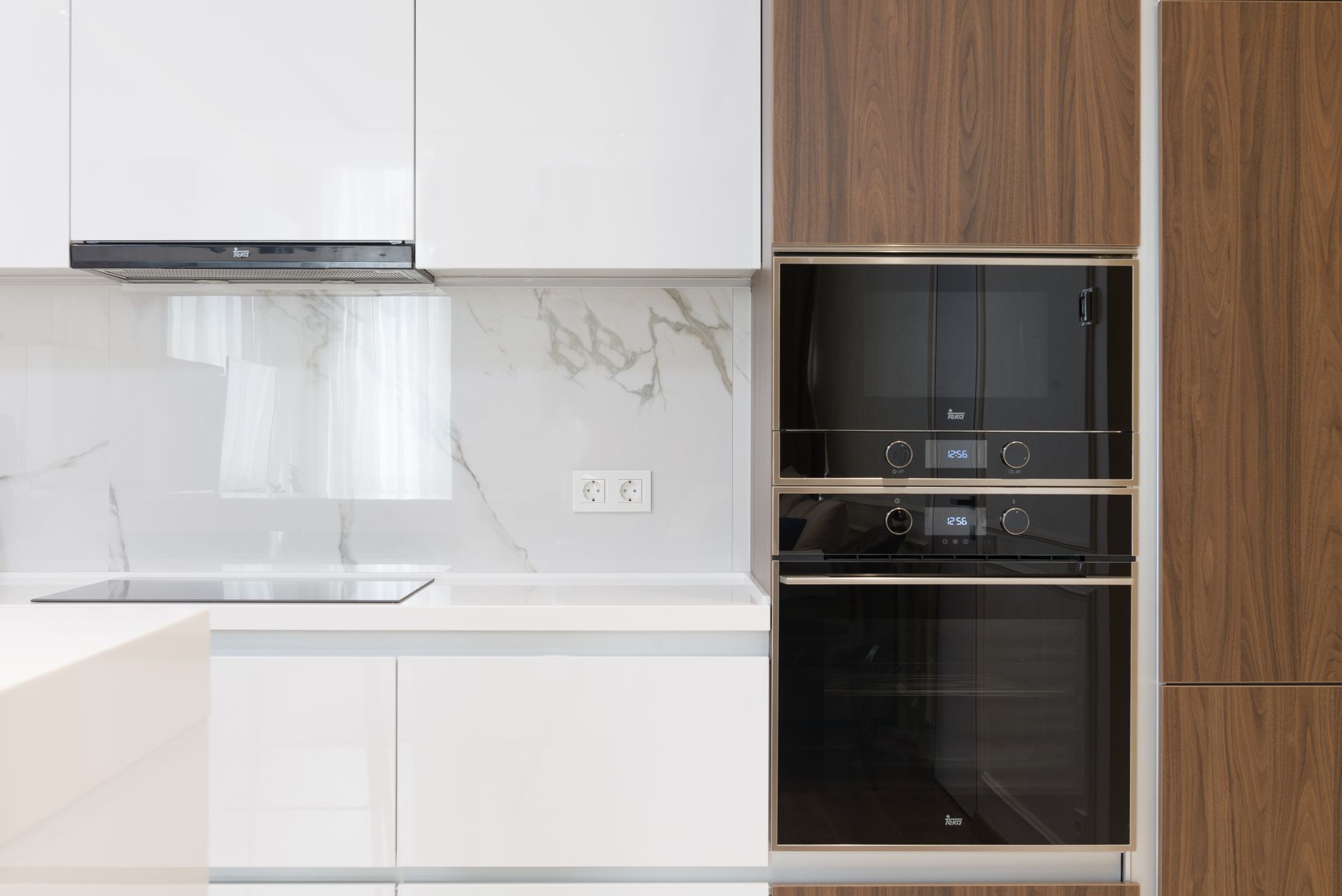
Purchasing kitchen appliances can be a significant investment for any homeowner or renter, whether for a new kitchen remodel, a first home, or simply upgrading outdated units. The market often presents two primary avenues: buying individual appliances or opting for a bundled package from a single manufacturer or retailer. This guide dives into the financial realities and practical considerations of each approach for 2026, aiming to clarify whether bundles genuinely offer better value for money.
⚡ In a Rush? Key Takeaways
- Kitchen appliance bundles typically offer 5-20% off the combined individual price, translating to $200-$1000 in savings on a $4000 suite.
- Hidden costs like installation ($150-$500 per appliance) and extended warranties ($50-200) can erode bundle savings if not accounted for.
- Individual purchases allow for better brand/feature matching, potentially saving $100-$300 annually in running costs if efficiency is prioritised.
- Bundle financing offers 0% APR for 12-24 months but can add 15-25% interest if not paid off, making individual cash purchases sometimes cheaper.
- ✅ Best value: Buy a bundle only if all included appliances meet your specific efficiency and functional needs, otherwise buy individually for long-term savings.
Do Kitchen Appliance Bundles Actually Save You Money Upfront?
Kitchen appliance bundles can offer upfront savings of 5-20% compared to purchasing each item separately, depending on the retailer, brand, and promotional period.
The primary appeal of an appliance bundle is the promise of a lower sticker price. Retailers and manufacturers often incentivise buying multiple items from the same line or brand, pitching it as a smooth way to outfit a kitchen while keeping costs down. These discounts can be substantial, particularly during holiday sales or clearance events.
How Much Can You Expect to Save with a Bundle?
Typical bundle discounts range from 5% to 20% off the total price of individual items, translating to $200-$1,000 for a standard four-piece kitchen suite.
When you purchase a refrigerator, range, microwave, and dishwasher individually, you pay the full retail price for each. A bundle, however, applies a percentage-based discount or a fixed dollar amount off the total. For a mid-range kitchen suite costing around $4,000 if bought separately, a 10% bundle discount would save you $400. This saving is immediately visible on the invoice and can be a compelling factor for many buyers.
- **Typical Discount Range:** 5% to 20%
- **Average Savings for a $4,000 Suite:** $200 – $800
- **Highest Savings:** Often seen during major sales events (Black Friday, Presidents’ Day) or when buying discontinued models.
Are There Hidden Costs That Eat into Bundle Savings?
Hidden costs like delivery, installation, haul-away of old units, and extended warranties can significantly reduce or even eliminate the advertised savings of a bundle.
While the initial purchase price might seem attractive, it’s crucial to factor in the total cost of ownership. Delivery fees, complex installations (especially for built-in or gas appliances), and the disposal of old units can all add up. Some retailers include these services, others charge for each separately. Always clarify what’s included before committing to a purchase.
Furthermore, extended warranties, often aggressively pushed with bundles, can add another layer of expense. While they offer peace of mind, their cost must be weighed against the likelihood of repair. I always advise my readers to calculate the return on investment for extended warranties before purchasing.
Do Individual Appliance Purchases Offer Better Long-Term Value?
Buying appliances individually allows customisation for efficiency and specific needs, potentially leading to lower running costs and better overall performance over the appliance’s lifespan.
While bundles offer upfront price breaks, individual purchases allow for a more tailored approach. This can lead to better long-term value, as you can select each appliance based on its specific features, energy efficiency, and repair record, rather than being limited to a single brand’s offerings.
Can Choosing Individual Appliances Lower Your Running Costs?
Selecting individual, highly efficient appliances can reduce annual running costs by $100-$300 compared to a generic bundle, particularly for refrigerators and dishwashers.
Running costs are a significant, often overlooked, component of appliance ownership. I consistently track running costs as the primary evaluation metric for appliances, because manufacturers compete fiercely on sticker price and very little on the number that matters over time. For example, a top-tier Energy Star refrigerator could use 150 kWh per year, while a less efficient model in a bundle might consume 300 kWh. At $0.16/kWh, that’s a $24 annual difference for just one appliance. Multiply this across a kitchen full of appliances over 10-15 years, and the savings become substantial.
📊 **Efficiency Verdict — Greta Michaud**
Dishwashers typically use between 180 and 380 kWh per year. The most efficient models tested use **30% less energy** than the category average. At the US average rate of $0.16/kWh, that gap costs **$28 extra per year** if you choose the wrong model. *Our recommended pick sits 15% below the category average.*
Does Mixing Brands and Features Offer a Better Fit For Your Home?
Mixing and matching brands allows you to select best-in-class performance for each appliance, aligning features and aesthetics more precisely with your household’s unique needs.
Bundles often rely on a cohesive aesthetic, meaning all appliances will look the same. While this can be appealing, it might force you to compromise on features or performance for individual units. If you cook frequently, you might prioritize a high-end range. If you entertain often, a large-capacity, quiet dishwasher might be key. Individual appliance buying intelligence allows for this kind of specific optimisation.
- **Refrigerator:** Focus on interior layout, smart features (if desired), and annual energy consumption.
- **Range/Oven:** Consider gas vs. electric, induction, convection settings, and burner BTU output.
- **Dishwasher:** Evaluate noise level (dB), wash cycles, capacity, and drying efficiency.
- **Microwave:** Determine wattage, sensor cooking, and ventilation needs (for over-the-range models).
What Factors Influence the Final Purchase Decision for Bundles vs. Individual?
The final decision between bundles and individual purchases depends on budget, desired features, aesthetic preferences, and the long-term running costs of the specific models considered.
Making a decision between buying an appliance bundle or individual appliances requires careful consideration of several key factors. Beyond the initial price tag, think about installation complexity, potential financing options, and the overall maintenance and repair outlook for the chosen items.
How Do Installation and Delivery Costs Compare?
Delivery and installation for individual appliances can cost $150-500 per unit, while some bundles offer reduced or free services, potentially saving hundreds but requiring careful review of terms.
One of the practical advantages of a bundle can be streamlined delivery and installation. A single delivery crew brings all items at once, and if basic installation is included, it can save you the hassle and cost of coordinating multiple contractors. For individual purchases, you might pay separate delivery and installation fees for each item, especially if sourcing from different retailers. Always get detailed quotes for these services.
| Service | Bundle (Typical) | Individual (Typical) |
|---|---|---|
| Standard Delivery | Free to $75 | $50-$100 per item |
| Basic Installation | Free to $100 per item | $100-$250 per item |
| Haul Away Old | Free to $25 per item | $25-$50 per item |
| Complex Install (Gas/Built-in) | $200-$500 extra | $300-$700 extra |
Can Financing Options Impact the Best Choice?
Bundle financing often provides 0% APR for 12-24 months, which can be advantageous if paid off on time, but high interest rates (15-25%) apply to balances not cleared within the promotional period.
Many retailers offer special financing for large purchases, and appliance bundles often qualify for attractive 0% APR promotions over 12, 18, or even 24 months. This can be a huge benefit for managing cash flow. However, these offers typically come with deferred interest; if you don’t pay off the entire balance by the end of the promotional period, you’ll be charged interest retroactively from the purchase date, often at rates above 20%. Consider using a home finance tracker to ensure you meet repayment deadlines.
Based on our efficiency data, kitchen workflow systems that prioritize individual, high-performance appliances consistently deliver better long-term running cost savings — which is why our top pick in this category is selecting each component for its specific efficiency and functional merit rather than a pre-selected bundle.
Frequently Asked Questions About Appliance Bundles
Is it cheaper to buy appliances in a bundle?
Yes, appliance bundles typically offer 5-20% off the combined individual price, but individual purchases often yield lower running costs long-term.
What are the downsides of buying an appliance bundle?
Bundles limit brand and feature choice, potentially forcing compromises on individual appliance performance, and may include units you don’t fully need or want.
How much can you save by bundling appliances?
Actual savings vary, but a 10-15% discount on a $5,000 appliance suite would save you $500-$750 upfront, not accounting for long-term running costs.
Do appliance manufacturers offer bundles directly?
Yes, many major appliance manufacturers run their own bundle promotions, often through authorised dealers, to encourage purchasing full suites of their products.
When is the best time to buy appliance bundles for savings?
Major holiday sales (Black Friday, Presidents’ Day, Memorial Day) and end-of-quarter clearances are typically the best times to find significant discounts on appliance bundles.
Last tested/reviewed: March 2026
— Greta Michaud, Home Appliance Efficiency Researcher