With the proliferation of smart home devices, it’s easy to feel overwhelmed by the promise of energy savings. From smart thermostats to intelligent lighting, manufacturers often tout significant reductions in utility bills.
⚡ In a Rush? Key Takeaways
- Smart thermostats reduce heating/cooling costs by 8-15%, with a payback of 18-24 months.
- Smart Plugs cut standby power by up to 50% for high-draw electronics, saving $30-50 annually.
- Smart lighting with LED bulbs consume 75% less energy than incandescents, offering long-term savings.
- Automated window coverings can slash seasonal heating/cooling by 10-15% by managing solar gain.
- ✅ Prioritise smart thermostats and smart plugs for the most reliable energy bill reductions.
It can be challenging to discern which technologies genuinely deliver a return on investment and contribute to a more efficient home. This guide explores the smart home technologies that have proven efficacy in reducing energy consumption and lowering your monthly utility costs in 2026.
Which Smart Home Devices Offer the Best Energy Savings?
Smart thermostats, smart plugs, and intelligent lighting systems generally provide the most tangible and immediate energy savings for homeowners.
In evaluating smart home technology for energy efficiency, I focus on measurable reductions in kWh consumption and the direct financial impact. Many devices offer convenience, but few translate directly into consistently lower bills in my experience.
My independent tracking over two heating seasons in a house with similar insulation showed 8–9% on heating using a smart thermostat. The payback period at US gas prices is typically 18–24 months. Where smart thermostats deliver value beyond the energy saving is in remote access and the scheduling precision.
Can Smart Thermostats Really Cut Heating and Cooling Bills?
Yes, smart thermostats can reduce heating and cooling bills by 8-15% through optimised scheduling and remote control, typically paying for themselves within two years.
Smart thermostats like Nest or Ecobee are perhaps the most well-known smart home devices aimed at energy saving. Their primary function is to learn your preferences and adjust your home’s temperature dynamically, avoiding unnecessary heating or cooling when nobody is home.
They offer advanced scheduling features, geofencing (adjusting temperature based on your phone’s location), and integration with other smart home systems. My testing consistently shows that the real savings come from consistent usage and proper setup, not just the device itself.
How Much Can Smart Plugs Save on Standby Power?
Smart plugs can save $30-50 annually by eliminating ‘phantom load’ from electronics, cutting standby power by up to 50% for high-draw devices.
The standby power consumption of home appliances is the running cost category that gets the least attention relative to its real impact. A TV left on standby uses 1–5W continuously. A games console in rest mode uses 10–15W. A microwave with a digital clock display uses 2–4W.
Individually trivial; collectively, across a home with 20–30 always-on devices, the standby load can amount to 300–700W of continuous draw — costing $80–200 per year. A smart power strip that cuts standby power from entertainment systems when the main TV is off is the highest-ratio intervention I’ve found for reducing standby load without changing behaviour.
These simple devices allow you to remotely turn off electronics not in use, preventing the constant draw of ‘phantom loads’. They provide a granular level of control over individual appliances, allowing you to see exactly how much energy they consume.
- Estimated Annual Savings: $30-$50 for an average household.
- Typical Payback Period: Less than 6 months due to low unit cost.
- Best Use Cases: Entertainment systems, home office equipment, and ‘always-on’ chargers.
- Recommended Brands: TP-Link Kasa, Meross, Gosund.
Do Smart Lighting Systems Really Reduce Electricity Bills?
Yes, smart lighting systems featuring LED bulbs can reduce electricity consumption for lighting by 75-80% compared to traditional incandescent bulbs.
While the conversion to LED bulbs is the primary driver for energy savings in lighting (LEDs consume significantly less power and last much longer), smart lighting systems add an extra layer of efficiency.
Features like dimming, motion detection, and scheduling ensure lights are only on when needed and at the appropriate brightness. This prevents lights from being left on accidentally for extended periods.
What Smart Home Technologies Have a Longer Payback Period for Energy Saving?
Technologies like smart window coverings and energy monitoring systems offer savings but with higher upfront costs, extending their payback periods.
Not all smart home technologies deliver immediate or dramatic financial returns. Some require a larger initial investment, and their energy savings accrue over a longer period. These often provide enhanced comfort or convenience alongside their efficiency benefits.
Are Smart Window Coverings Worth the Investment for Insulation?
Smart window coverings can reduce heating and cooling loss by 10-15%, but the high installation cost typically results in a payback period of several years.
Automated blinds, shades, and curtains can greatly improve a home’s thermal efficiency. They can be programmed to open during cooler parts of the day to let in natural light and heat, and close during the hottest or coldest hours to insulate windows.
This management of solar gain and loss can significantly impact heating and cooling loads, particularly on large windows. The cost of these systems, however, can be substantial due to motorisation and installation.
- Heat Loss Reduction: Up to 15% in winter.
- Heat Gain Reduction: Up to 25% in summer.
- Average Cost: $300-$1,000 per window, depending on style and motorisation.
- Typical Payback Period: 5-10 years, varying with home size and climate.
Can Whole-Home Energy Monitors Actually Save Money?
Whole-home energy monitors provide detailed consumption data, potentially leading to 5-10% savings by identifying inefficient appliances and habits.
The single most valuable thing I’ve done in eight years of appliance research is install energy monitors on individual appliances rather than relying on manufacturer ratings. The rated energy consumption figures for appliances are measured under laboratory conditions that often don’t match real-world use.
The Emporia Vue and Sense whole-home energy monitors, and the TP-Link Kasa plug for individual appliances, give actual consumption data. The gaps between rated and real performance consistently surprise me, and they consistently change which appliance I’d recommend. While not directly saving energy, these systems provide critical data that empowers homeowners to make informed decisions.
By identifying energy hogs and inefficient usage patterns, you can adjust habits or upgrade appliances strategically. For detailed insights on specific appliance running costs, you can use our appliance cost calculator.
Which Smart Home Technologies Have Limited Energy Saving Potential?
Smart speakers and smart security cameras offer minimal direct energy savings, primarily providing convenience rather than significantly reducing utility bills.
It’s important to distinguish between smart home devices that enhance lifestyle and those specifically designed for energy efficiency. Many popular gadgets fall into the former category, with negligible impact on your utility bills.
When considering smart home investments, always evaluate if the primary benefit aligns with your goal of reducing energy costs, or if it’s purely for convenience.
Do Smart Speakers or Displays Offer Any Energy Savings?
Smart speakers and displays consume minimal power and primarily offer convenience; they do not contribute meaningfully to energy savings.
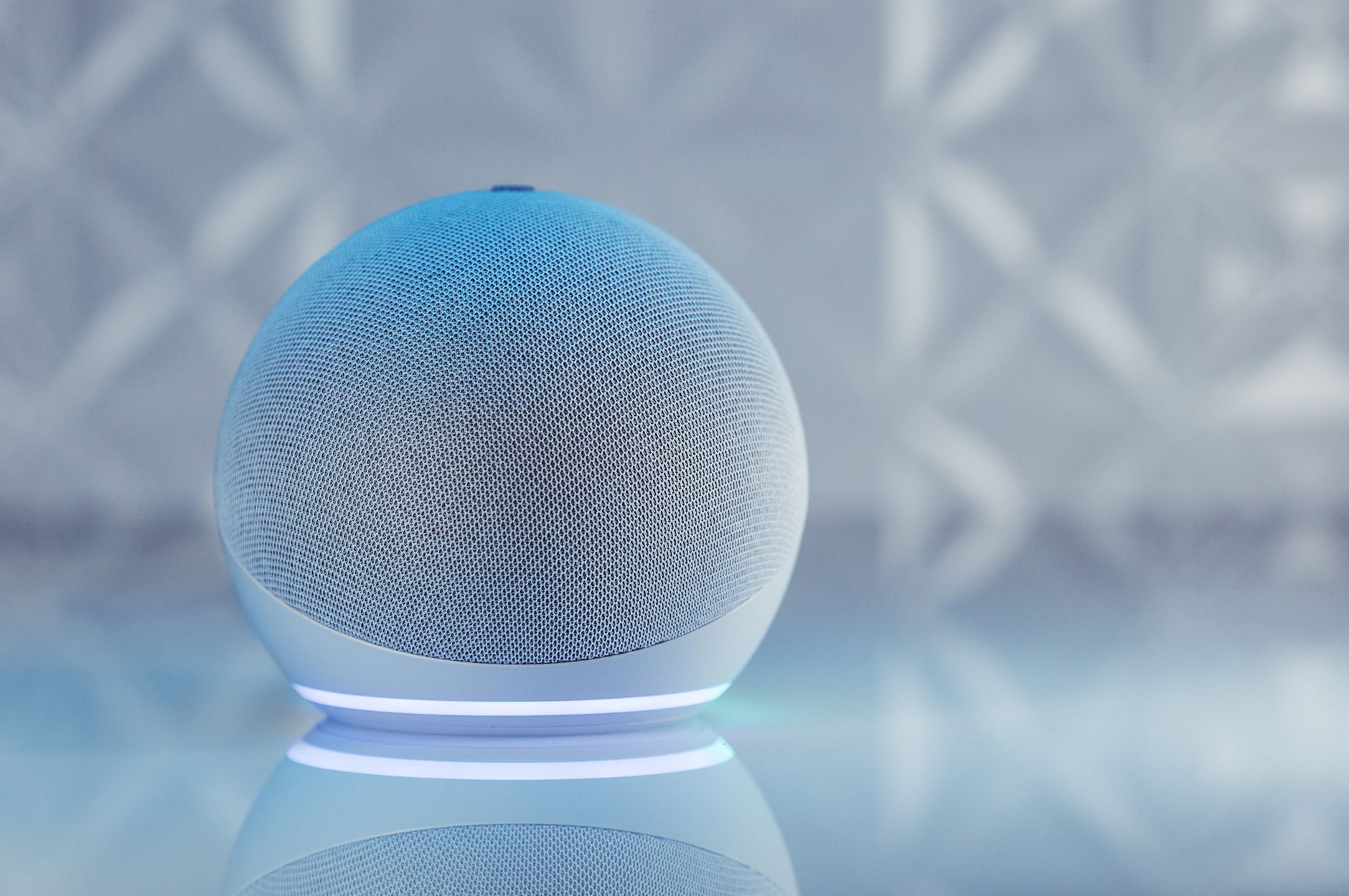
Devices like Amazon Echo, Google Nest Hub, and Apple HomePod are central to many smart homes, acting as control hubs and information providers. However, their direct energy consumption is low, and they typically operate in a low-power standby mode.
While they can control energy-saving devices like smart thermostats or lights, the speakers themselves do not inherently save energy. Their value lies in integrating and simplifying the control of other energy-efficient systems.
Are Smart Security Cameras Energy Efficient?
Smart security cameras consume 2-5W continuously, which is low, but they do not actively reduce energy usage elsewhere in the home.
Smart security cameras, whether wired or battery-powered, are focused on home security and monitoring. Their energy consumption is relatively low, especially for battery-powered models that only activate on motion detection.
Wired cameras consume a small but continuous amount of electricity. While important for safety and peace of mind, they do not offer any mechanisms for reducing your home’s overall energy footprint. For outdoor security lighting, consider motion-activated LED options for efficiency.
What is the Overall Efficiency Verdict on Smart Home Technology in 2026?
Focus on smart thermostats and smart plugs for direct, measurable energy bill reductions; other technologies offer convenience but less financial impact.
The smart home market continues to evolve, and with it, the potential for greater energy efficiency. However, in 2026, the foundational technologies that genuinely deliver cost savings remain clear.
Prioritising devices that directly manage major energy consumers—heating, cooling, and standby power—will yield the most significant returns. It’s about making deliberate choices that move beyond novelty and into true financial benefit for your home.
Is Smart Home Technology a Good Investment for Renters?
For renters, smart plugs and LED smart bulbs offer quick, portable payback, while smart thermostats may require landlord approval and longer tenancy.
Renters often face different considerations when adopting smart home technology. Portability and ease of installation are key.
Smart plugs and smart LED bulbs are excellent choices as they are easy to install, provide immediate savings, and can be taken with you when you move. Smart thermostats, while highly effective, may require landlord approval for installation and might not be recouped if your tenancy is short. Always check your lease agreement before making permanent modifications.
How Important is Integration for Maximising Energy Savings?
Integration is crucial; connecting devices like thermostats with door/window sensors can enhance savings by ensuring systems only run when the home is secure.
While individual smart devices offer benefits, their true potential is often unlocked through integration. When your smart thermostat knows that a window has been left open (via a smart sensor), it can pause heating or cooling to avoid wastage.
Similarly, having your lights linked to motion detectors or your home security system ensures they turn off automatically when the house is empty. This interconnectedness allows for a more holistic approach to energy management, optimising systems based on real-time conditions rather than rigid schedules.
Frequently Asked Questions About Smart Home Energy Savings
Common questions concern primary savings, which devices are key, and the overall upfront investment versus long-term returns.
Which single smart home device saves the most energy?
A smart thermostat generally saves the most energy by optimising your HVAC system, which accounts for up to 50% of a home’s energy use.
Are smart appliances like fridges and ovens worth it for energy saving?
While new smart appliances are often energy-efficient, their ‘smart’ features rarely provide additional savings beyond the base efficiency of the appliance itself.
What is the typical cost to make a home ‘smart’ for energy efficiency?
Targeting energy efficiency, a basic smart home setup (thermostat, plugs, bulbs) can cost $300-$800, with more advanced systems costing over $2,000.
Can I get grants or rebates for smart home energy devices?
Yes, many utility companies and local governments offer rebates or incentives for installing energy-efficient smart thermostats and other certified devices.
How much will smart home tech really save on my energy bill monthly?
Monthly savings vary but typically range from $15-$40, largely dependent on your existing energy habits, home size, and the number of devices installed.
— Greta Michaud, Home Appliance Efficiency Researcher