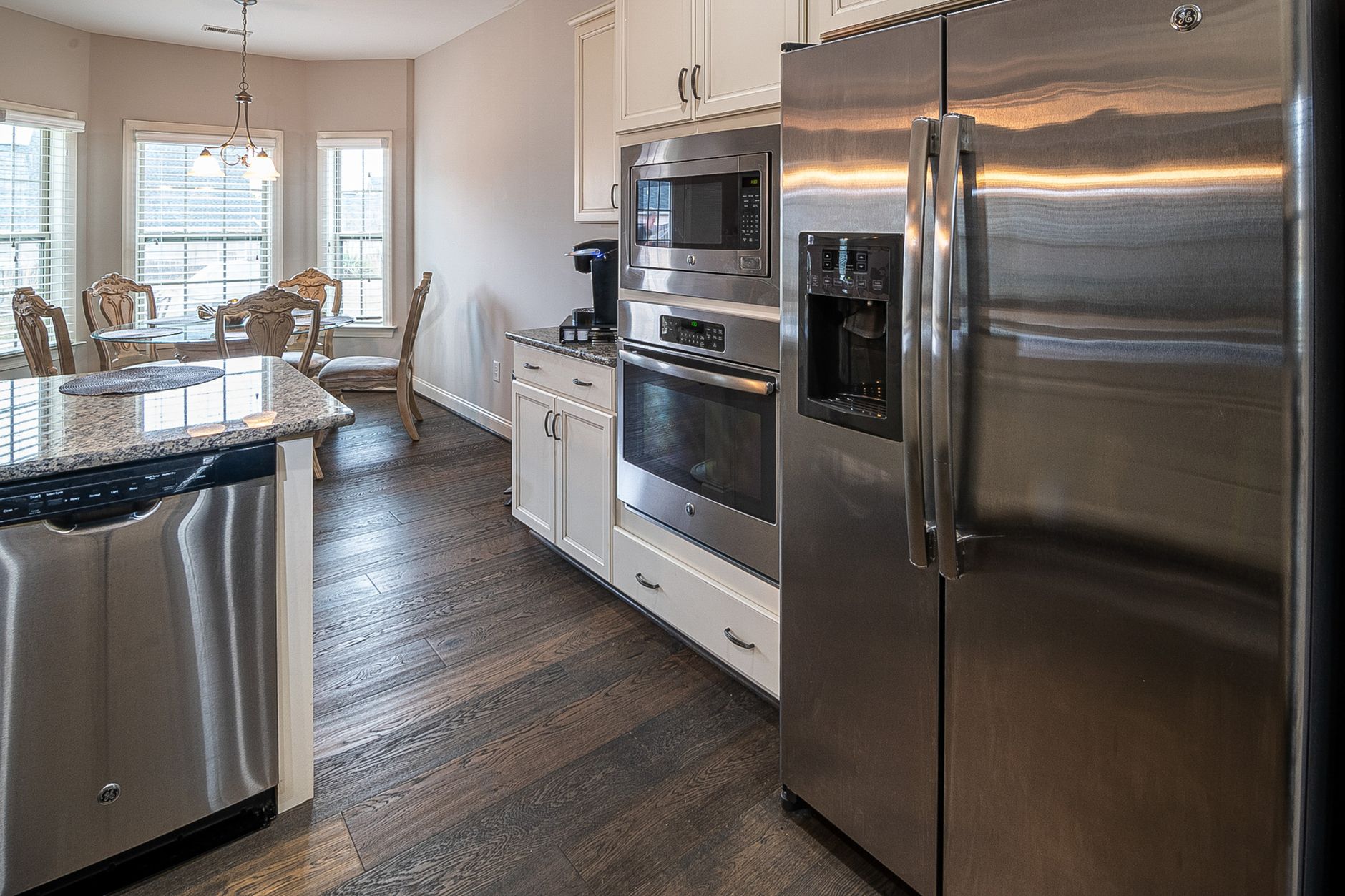
Outfitting a new kitchen or upgrading an existing one is a substantial investment. While individual purchases offer flexibility, kitchen appliance bundles from manufacturers and retailers often present a compelling pathway to savings and a cohesive aesthetic. This guide will explore the landscape of kitchen appliance bundles in 2026, focusing on how to identify true value beyond the initial price tag, evaluating efficiency, and long-term running costs.
⚡ In a Rush? Key Takeaways
- Bundles offer typical savings of 10-25% over purchasing appliances individually in 2026.
- An Energy Star refrigerator from a bundle can save an average of $30-50 annually in electricity.
- Heat pump dryers, when bundled, reduce laundry energy costs by up to 70% compared to traditional vented models.
- Always calculate the 10-year total cost of ownership, integrating running costs, not just upfront price.
- ✅ Best value: Prioritise energy-efficient appliances within a bundle for long-term savings and cohesive design.
Are Kitchen Appliance Bundles a Financially Smart Choice in 2026?
Yes, appliance bundles frequently offer 10-25% savings over individual purchases, but long-term value hinges on energy efficiency, not just initial discount.
When considering a suite of new kitchen appliances, the immediate appeal of a bundle lies in the perceived discount. Manufacturers and retailers incentivise these multi-item purchases to move inventory and create customer loyalty. In 2026, I’ve observed that these savings typically range from 10% to 25% compared to buying each item separately. This upfront saving is undeniable, making bundles an attractive proposition for those furnishing a new home or undertaking a major kitchen renovation.
How Do Bundles Compare to Individual Appliance Purchases on Cost?
Appliance bundles save money upfront by consolidating purchases, often 10-25% less than buying identical items individually through different vendors.
The financial mechanics of bundles are quite straightforward. Suppliers pass on bulk purchase efficiencies to consumers, while retailers benefit from higher average transaction values. However, it’s crucial to compare not just the sticker price, but also the total cost of ownership. A bundle might offer a lower initial price, but if it includes less energy-efficient appliances, those savings can quickly erode over the appliances’ lifespan. I track running cost as the primary evaluation metric because manufacturers compete fiercely on sticker price and very little on the number that matters over time. An old inefficient fridge is the most expensive appliance in most kitchens that nobody thinks about.
When evaluating the financial comparison