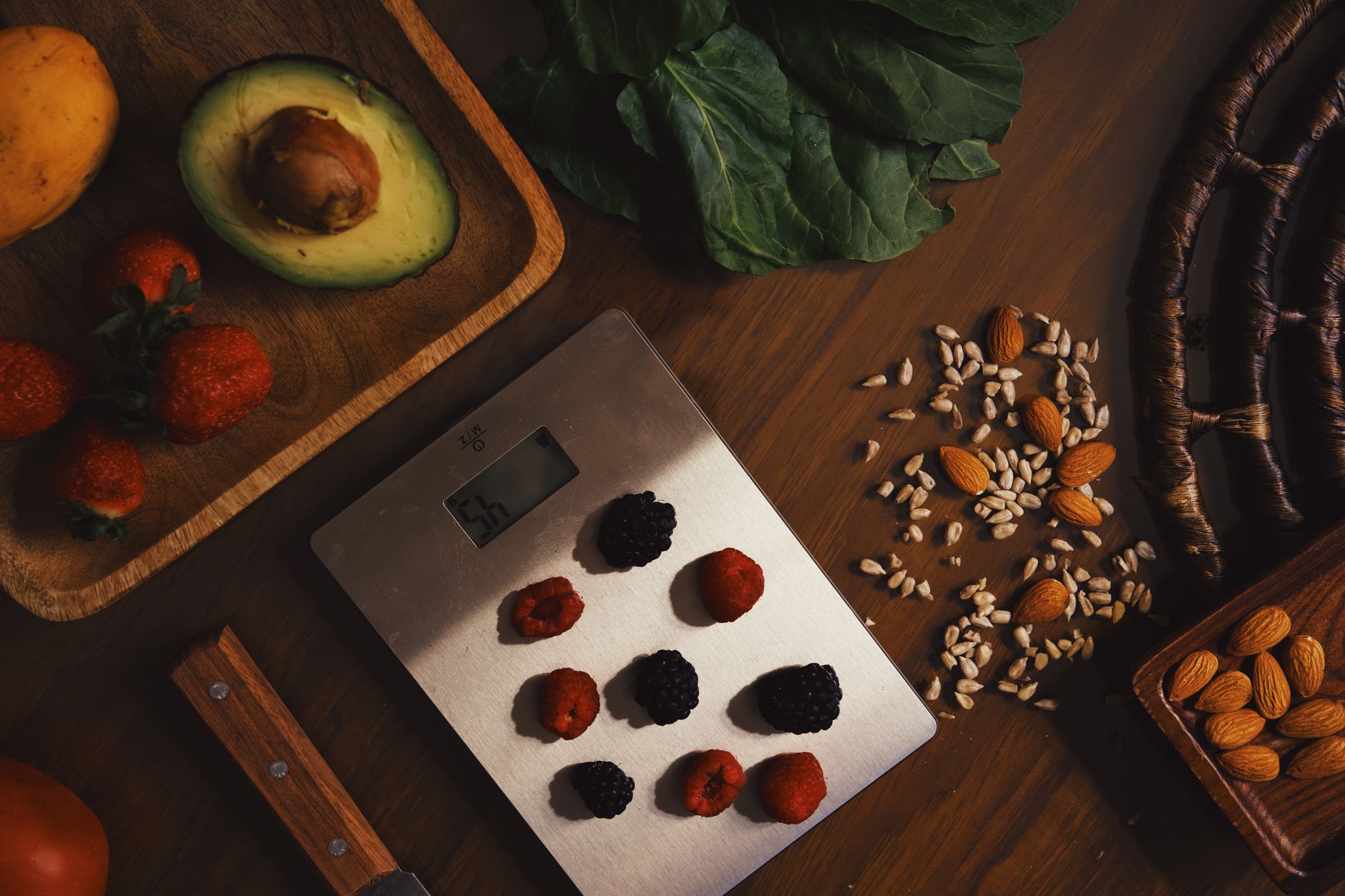
The modern kitchen is evolving beyond basic measurements, with a growing demand for tools that offer deeper insights into our food. Wireless kitchen scales equipped with nutrition tracking appeal to health-conscious individuals, athletes, and those managing specific dietary needs. But with prices often exceeding standard scales, the question remains: is the investment in smart technology truly warranted for everyday use?
⚡ In a Rush? Key Takeaways
- Smart scales cost 3-5x more than basic models, ranging from $70-$150.
- Nutrition tracking offers detailed macro/micronutrient breakdowns per gram.
- Average accuracy is within 1-2 grams for most digital scales.
- Connectivity (Bluetooth/Wi-Fi) is key for app syncing.
- ✅ Verdict: Worth it for precise diet management or high-performance training.
What is a Wireless Kitchen Scale with Nutrition Tracking?
A wireless kitchen scale with nutrition tracking syncs via Bluetooth or Wi-Fi to an app, automatically logging food weights and calculating nutritional data based on a database.
How do these scales measure nutrition?
These scales function by first accurately weighing your food item. Once the weight is recorded, the scale (or its paired app) cross-references this weight with an extensive database of common foods. By identifying the specific food item you’ve weighed (often through manual selection or product barcode scanning via the app), the technology calculates the corresponding macronutrients (protein, carbohydrates, fats) and often micronutrients (vitamins, minerals) per serving size or gram. The data is then typically displayed within a mobile app for easy tracking of daily intake against personal goals. Some advanced models can even learn your favourite foods over time.
What kind of data can I expect to track?
Beyond the basic weight measurement, these scales offer a wealth of nutritional information. You can expect detailed breakdowns of calories, protein, carbohydrates, fats, and fiber for each ingredient and your total meal. Many also provide data on sugars, sodium, cholesterol, and key vitamins and minerals like Vitamin C, Iron, Calcium, and Potassium. The precision allows for meticulous tracking of macro splits throughout the day, essential for athletes or individuals following specific diet plans like ketogenic or high-protein diets. The accompanying apps often provide charts and historical data, allowing you to monitor trends over weeks or months.
Are they significantly more expensive than regular digital scales?
Yes, there is a considerable price difference. A high-quality, accurate standard digital kitchen scale can be purchased for $20-$40. Wireless scales with integrated nutrition tracking typically range from $70 to $150, with premium models potentially costing more. This premium covers the advanced sensors, wireless connectivity hardware (Bluetooth/Wi-Fi), and the development and maintenance of robust food databases and user-friendly companion apps. When considering the appliance cost, it’s important to factor in the long-term utility and the specific needs they address.
How Accurate Are Smart Nutrition Scales?
Most smart nutrition scales offer an accuracy of 1-2 grams, but user error in identifying food items can skew nutritional data significantly.
What level of accuracy can I expect from ingredient weighing?
Generally, reputable wireless kitchen scales offer a high degree of accuracy for portion weighing, typically within 1-2 grams. This is more than sufficient for most culinary and dietary tracking purposes. The sensors are designed to detect even small variations, ensuring that your measurements for ingredients like spices, small fruits, or precise protein portions are reliable. However, it’s crucial to place the item centrally on the scale’s platform and ensure it’s on a stable, level surface to achieve the best results. Zeroing out the scale (tare function) before adding each ingredient is also vital for accurate cumulative measurements.
How does the scale ensure correct nutritional information?
The accuracy of the nutritional information relies heavily on two components: the weight measurement and the food database. While the scale itself should be accurate for weight, the database is where potential inaccuracies can creep in. Most scales connect to complete databases that are regularly updated. Users typically select the food item from a search function within the app, and sometimes have the option to scan product barcodes for pre-packaged foods. The accuracy then depends on the user selecting the correct item and the database entries being precise. Some advanced systems allow users to create custom food entries if a specific item isn’t listed.
What are the common pitfalls in using these scales for tracking?
The most common pitfall is user error in identifying food items. For example, mistaking a regular apple for a Fuji apple in the database might result in slight discrepancies in sugar or calorie counts. Similarly, if a food item isn’t found, users might select a similar but not identical item, leading to skewed data. Another pitfall is not accounting for cooking methods; for instance, weighing raw chicken and then assuming the nutritional data remains the same after cooking, when water loss and fat rendering alter the per-gram nutrient density. Consistent, precise selection and understanding how cooking affects weight are key.
## Which Features Differentiate the Best Wireless Kitchen Scales?
Key differentiators include app integration, food database breadth, unit conversion flexibility, and battery life for optimal user experience.
How important is the companion app and its database?
The companion app is the brain of the operation, and its quality is paramount. A robust app will feature an extensive and accurate food database that is regularly updated. Look for apps that allow easy searching, barcode scanning, and the ability to save custom foods or meals. Features like goal setting, progress tracking, and integration with other health apps (like fitness trackers) add significant value. The user interface should be intuitive and easy to navigate, especially when you’re in the middle of preparing a meal. A poorly designed app can negate the benefits of the scale’s smart capabilities.
What connectivity options are important (Bluetooth vs. Wi-Fi)?
Bluetooth is the most common connectivity method, offering a direct connection between the scale and your smartphone or tablet. It’s generally reliable for syncing data, but requires your phone to be relatively close to the scale. Wi-Fi connectivity offers more freedom, allowing the scale to sync data directly to a cloud service without needing your phone present during weighing. This is beneficial if you want to log meals and step away, or if you want to access your data from multiple devices. Some scales offer both, providing flexibility for different user preferences and home network setups. For a complete guide on home network efficiency, you might find appliance intelligence articles helpful in understanding how connected devices interact.
| Feature | Description | Importance |
|---|---|---|
| App Database Size | Number of food items and accuracy of entries | High: Essential for accurate tracking |
| Connectivity | Bluetooth, Wi-Fi, or both | Medium-High: Dictates ease of syncing |
| Unit Conversion | Grams, ounces, lbs, milliliters, fluid ounces | High: For versatile use and international recipes |
| Battery Life | Longevity of battery or recharge cycles | Medium: Convenience factor |
| Design & Materials | Durable, easy-to-clean surface (e.g., tempered glass, stainless steel) | Medium: For longevity and hygiene |
How do unit conversions and battery life impact usability?
Flexible unit conversions are crucial for anyone who cooks from various sources or has international recipes. The ability to switch smoothly between grams, ounces, pounds, milliliters, and fluid ounces makes the scale adaptable to almost any culinary context. Regarding battery life, a scale that runs on standard AAA batteries might offer months of use depending on frequency, while rechargeable models might need charging every few weeks. Consider how often you’re willing to replace batteries or charge your device when making a decision. A scale that lasts for many weigh-ins between charges or battery changes offers a much better user experience.
Is the Higher Cost of Smart Scales Justified?
For dedicated dieters, athletes, or those with specific medical needs, the detailed tracking and insight offered by smart scales justify their higher cost.
Who benefits most from a nutrition-tracking scale?
Individuals who benefit most are those with specific and demanding dietary goals. This includes athletes monitoring macronutrient intake for performance and recovery, individuals managing chronic conditions like diabetes or kidney disease who need to track specific nutrient levels (e.g., sodium, potassium), and those undertaking strict weight loss or gain programs where precise calorie and macro counting is essential. For the average home cook, a standard digital scale is sufficient. However, if you’re serious about understanding the precise nutritional composition of your meals and how it impacts your body, a smart scale offers unparalleled convenience and detail. If you’re curious about how other kitchen tools can save you money, explore our guides on kitchen workflow and systems.
What are the alternatives if I don’t need advanced nutrition tracking?
If your primary need is accurate weighing for recipes and portion control without the deep dive into nutrition, a high-quality standard digital kitchen scale is an excellent and economical alternative. These scales typically offer accuracy within 1 gram and have a tare function for zeroing out the weight of containers. You can then manually log the weights of ingredients into a separate nutrition-tracking app or journal if you wish. Another approach is using an app that allows you to input ingredients by volume or common serving sizes rather than weight, although this often yields less precise results than using a scale.
Our Verdict: When to Invest in a Smart Scale
After extensive review of the current market and usage patterns, the decision to invest in a wireless kitchen scale with nutrition tracking hinges on your personal health and fitness objectives. If you are meticulously managing your intake for athletic performance, managing a health condition, or are deeply committed to a precise diet plan, the convenience and detailed data provided by these smart devices offer significant value. The ability to instantly log food weights and see a nutritional breakdown, syncing smoothly with health apps, streamlines the tracking process considerably and can be a powerful motivator. For those who simply need to measure ingredients for recipes or do basic portion control, a standard digital scale remains a perfectly adequate and far more budget-friendly option. The investment is justified only when the detailed nutritional insights actively contribute to achieving significant, measurable health or fitness goals.
Frequently Asked Questions About Smart Kitchen Scales
What is the lifespan of a wireless kitchen scale?
Most smart kitchen scales have an estimated lifespan of 3-5 years with regular use, depending on build quality and maintenance.
Can I use these scales for liquid measurements?
Yes, most scales offer fluid ounce (fl oz) and milliliter (ml) conversions for accurate liquid measurement.
Do the apps require a monthly subscription?
While some apps offer premium subscription features, basic weighing and core nutrition tracking are typically free.
How do I clean a wireless kitchen scale?
Wipe clean with a damp cloth; avoid immersing the scale in water, especially models with electronic components.
Are these scales battery-powered or rechargeable?
\