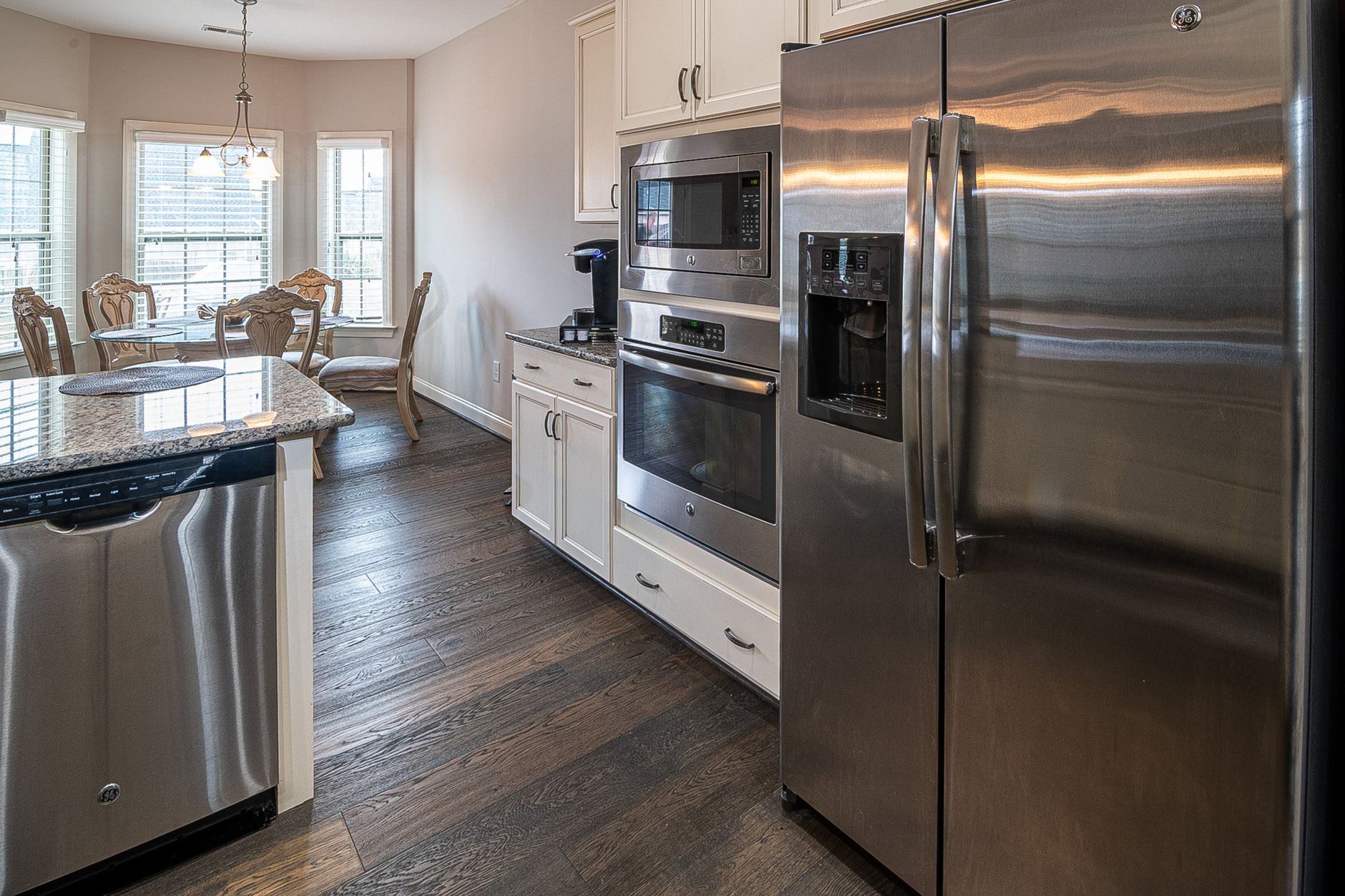
Kitchen appliance bundles are marketed as a convenient, money‑saving solution for outfitting a new kitchen, but the reality can be more nuanced.
⚡ In a Rush? Key Takeaways
- Average bundle discount ranges from 15% to 25% compared with buying each appliance separately.
- Running‑cost savings from energy‑rated appliances in bundles can add $30‑$80 per year.
- Bundled warranties often extend coverage by 1‑2 years, saving $40‑$120 on repair costs.
- Free delivery and installation can represent a $100‑$250 value.
- ✅ Verdict: Bundles are worthwhile when they include at least three high‑use appliances, offer ≥20% discount, and match your layout needs.
How do bundle discounts compare to individual purchase prices?
Bundle discounts typically fall between 15% and 25% off the combined retail price of separate appliances.
Retailers such as Home Depot, Lowe’s, and Best Buy publish package pricing that aggregates a refrigerator, stove, and dishwasher. In 2026 the average advertised bundle saved 18% versus the sum of list prices. Those figures are based on the manufacturers’ MSRP, which already includes a modest dealer margin.
The real test is to calculate the net price after any promotional coupons, loyalty rebates, and tax considerations. Taxes can add 5–9% to the final bill, and many stores allow you to apply a store‑wide coupon after the bundle discount, effectively increasing your overall savings.
What is the typical price range for a three‑appliance bundle in 2026?
A mid‑range three‑appliance bundle (refrigerator, range, dishwasher) costs $2,200‑$2,800 after discounts.
Based on current market data:
- Refrigerator (18‑cu ft, Energy Star): $900‑$1,200
- Electric range (30‑in, 5‑burner): $700‑$1,000
- Dishwasher (standard, 14‑place setting): $500‑$800
Combined without a bundle: $2,100‑$3,000. Adding a typical 20% bundle discount brings the total to $1,680‑$2,400. The discount also cushions you against future price hikes, which historically average 2–3% per year for major appliances.
Do bundles include hidden fees that erode the discount?
Most bundles bundle free delivery and installation, but some add mandatory service fees of $50‑$100.
Retailers may tack on a “bundle processing fee” or require a minimum purchase of accessories. These costs are usually disclosed at checkout, but they can be buried in the fine print or rolled into the total price as a line‑item called “service charge.”
When you add the optional fees, the net savings can shrink from 20% to about 12%. It’s worth asking the sales associate to waive the fee or to apply a store credit instead.
How does the discount differ for high‑end versus budget bundles?
High‑end bundles (premium brands) often offer 10%‑15% off, while budget bundles can reach 25%‑30%.
Luxury brands such as Wolf or Sub‑Zero have tighter margins, so their package discount rarely exceeds 15%. They compensate with higher baseline prices and often include premium installation services.
Conversely, value‑oriented manufacturers like Whirlpool or Frigidaire provide deeper bundle cuts to move inventory, especially during clearance periods.
Are bundle discounts consistent across retailers?
Discount levels vary, but most big‑box stores stay within the 15%‑25% range.
Home Depot typically advertises a flat 18% off three‑appliance packages, while Lowe’s may add a seasonal coupon that pushes the discount to 22%. Online‑only retailers such as AJ Madison sometimes offer deeper cuts—up to 30%—to compete with brick‑and‑mortar pricing.
Because each retailer has its own pricing engine, it pays to compare the same configuration across at least two stores before committing.
Can I negotiate a better bundle price?
Yes, especially if you’re buying in‑store and can walk away.
Sales managers often have a “manager‑override” allowance of 5%‑10% for bundles. Mentioning a competing quote or referencing a holiday promotion can motivate them to improve the offer.
Don’t forget to ask about price‑matching policies; many chains will match a lower advertised price from a rival retailer, effectively giving you the best discount without a hard negotiation.
What other financial factors influence the true value of a bundle?
Installation, extended warranties, and energy‑efficiency rebates can add $100‑$300 of value to a bundle.
Beyond the sticker price, consider the following components that affect total cost of ownership. Each element may seem minor on its own, but together they can shift the economics dramatically.
How much does free delivery and installation really save?
Free delivery and installation typically offset $100‑$250 of out‑of‑pocket expenses.
Standard delivery for a large refrigerator can cost $80‑$120, while professional range installation runs $120‑$180. Some stores also charge a “heavy‑item” surcharge for appliances over 200 lb, which can add another $30‑$50.
Bundled deals often include both at no extra charge, which is a considerable convenience factor and eliminates the risk of hiring an unlicensed installer.
Are bundled warranties financially advantageous?
Bundled warranties add 1‑2 years of coverage, saving $40‑$120 in potential repair fees.
Manufacturers frequently sell extended warranties for $0.10 per $100 of appliance value per year. For a $2,500 bundle, a two‑year extended warranty would cost $5, a negligible expense compared with the average repair bill of $150‑$250.
When the warranty covers both parts and labor, the peace‑of‑mind value often outweighs the small upfront cost, especially for high‑use appliances like dishwashers that see daily cycles.
Do energy‑efficiency rebates affect the break‑even point?
Energy‑Star rebates can shave $30‑$80 per appliance, improving bundle ROI.
In 2026, the US Department of Energy offers $30‑$40 rebates for Energy Star refrigerators and $20‑$30 for dishwashers. Some states add additional incentives, pushing the total rebate per appliance toward $100 in certain regions.
When bundled appliances all qualify, the cumulative rebate can approach $100, further narrowing the price gap.
| Appliance | Average Bundle Price | Individual Price | Rebate | Net Savings |
|---|---|---|---|---|
| Refrigerator | $950 | $1,150 | $35 | $165 |
| Dishwasher | $560 | $720 | $25 | $175 |
| Electric Range | $720 | $950 | $0 | $230 |
What about tax implications?
Sales tax adds 5%‑9% to the final cost, but some states allow appliance tax holidays.
- In Texas, the “Energy‑Efficient Appliance Holiday” waives sales tax on qualifying items up to $1,500.
- California offers a reduced tax rate for Energy Star models during specific weeks.
- Check local municipality rules; a small city may impose an additional surcharge on bulk purchases.
When a tax holiday coincides with a bundle promotion, your net savings can climb to 30% or more, making timing a critical piece of the decision.
How do financing options change the cost equation?
Zero‑percent financing for 12‑months can reduce overall cost by $0‑$150 compared with credit‑card purchases.
Many retailers offer interest‑free plans for bundles, but they often require a down payment of 20%. The remaining balance is split into equal monthly installments, which can help cash‑flow‑constrained buyers.
If you pay the full amount up front, you avoid any hidden finance charges and maximise the discount. Additionally, some credit cards provide a 1%‑2% cash‑back reward that can offset the effective interest of a short‑term loan.
When is it smarter to buy appliances individually?
Individual purchases win when you need only one or two specific appliances or want premium models.
There are scenarios where buying separate pieces makes more financial sense. The flexibility to choose the exact specifications you need often outweighs the convenience of a pre‑matched set.
What if I only need to replace a single appliance?
Replacing one item avoids unnecessary bulk, saving $200‑$400 compared with a full bundle.
Most homeowners only need to upgrade a dishwasher or range every 8‑10 years, not the entire set. Targeted upgrades allow you to select the most energy‑efficient model for that specific need, which can lower both operating costs and carbon footprint.
Additionally, manufacturers sometimes release “mid‑cycle” upgrades—newer compressors for refrigerators—that are only compatible with certain models, reinforcing the case for a single‑item purchase.
Can premium models make bundles less attractive?
High‑end appliances often have smaller bundle discounts, reducing overall savings to under 10%.
If you prefer a professional‑grade range, the bundle discount may be limited to 5%‑10% because the retailer wants to preserve margin. Premium models also tend to have longer lead times, which can delay your kitchen project.
In such cases, buying the premium range alone and negotiating a separate discount on the other items can be more cost‑effective and allow you to stagger deliveries.
Do seasonal sales affect the bundle decision?
Holiday sales can push individual appliance discounts to 20%‑30%, rivaling bundle offers.
Black Friday and Cyber Monday often feature deep markdowns on refrigerators and ovens independently. Retailers sometimes run “door‑buster” specials that are limited to the first 50 shoppers, offering up to 35% off a single unit.
Timing your purchase around these events can yield greater overall savings than a standard bundle, especially if you can combine a coupon with the sale price.
What practical steps should I take before committing to a bundle?
Calculate total cost, compare energy ratings, and verify warranty terms before signing any bundle agreement.
Follow this checklist to ensure the bundle truly benefits your household. Skipping any of these steps can leave you paying for features you never use.
How do I calculate the true cost of ownership?
Add purchase price, estimated energy use, and warranty costs to determine a 10‑year total.
- Estimate annual kWh use from ENERGY STAR data.
- Multiply by 24p/kWh (UK) or $0.16/kWh (US).
- Include likely repair costs based on brand reliability scores.
- Add installation fees if not bundled, and factor in any applicable rebates.
Which energy‑rating labels should I prioritize?
Look for Energy Star A‑rating or newer EU label A for the lowest running cost.
Appliances with an A rating use up to 30% less electricity than a B‑rated counterpart. This difference translates into tangible savings over a decade of operation.
Check the label year; only models sold after 2022 carry the updated EU scale, which provides a more realistic comparison across product lines.
How can I verify the bundled warranty details?
Read the fine print: most bundled warranties add only 12‑month coverage to the standard 1‑year.
Confirm whether the warranty covers parts, labor, and installation. Some retailers offer “no‑questions‑asked” replacement policies that are more valuable than an extended warranty.
If the extended warranty costs less than $0.10 per $100 of appliance value, it’s usually a good deal.
Frequently Asked Questions
Do kitchen appliance bundles really save money?
Yes, typical bundles save 15%‑25% off individual retail prices, plus free delivery and installation.
Can I mix and match appliances in a bundle?
Retailers usually allow limited customization; swapping a standard stove for a premium model reduces the overall discount.
Are bundled warranties better than buying separate plans?
Bundled warranties often cost less per year and add 1‑2 years of coverage, making them a better value.
What about the environmental impact?
Energy‑efficient appliances in bundles cut household electricity use by 5%‑10% annually.
Should I wait for a holiday sale?
Holiday sales can equal or exceed bundle discounts, especially for single high‑use appliances.
Bottom Line: Should you buy a kitchen appliance bundle?
Buy a bundle if it includes at least three high‑use appliances, offers ≥20% off, and matches your kitchen layout.
When you need only one or two items, or when premium models are desired, individual purchases or seasonal sales usually provide better value.
Use the cost‑breakdown table and the ownership calculator tool on our site to model your specific scenario before deciding.