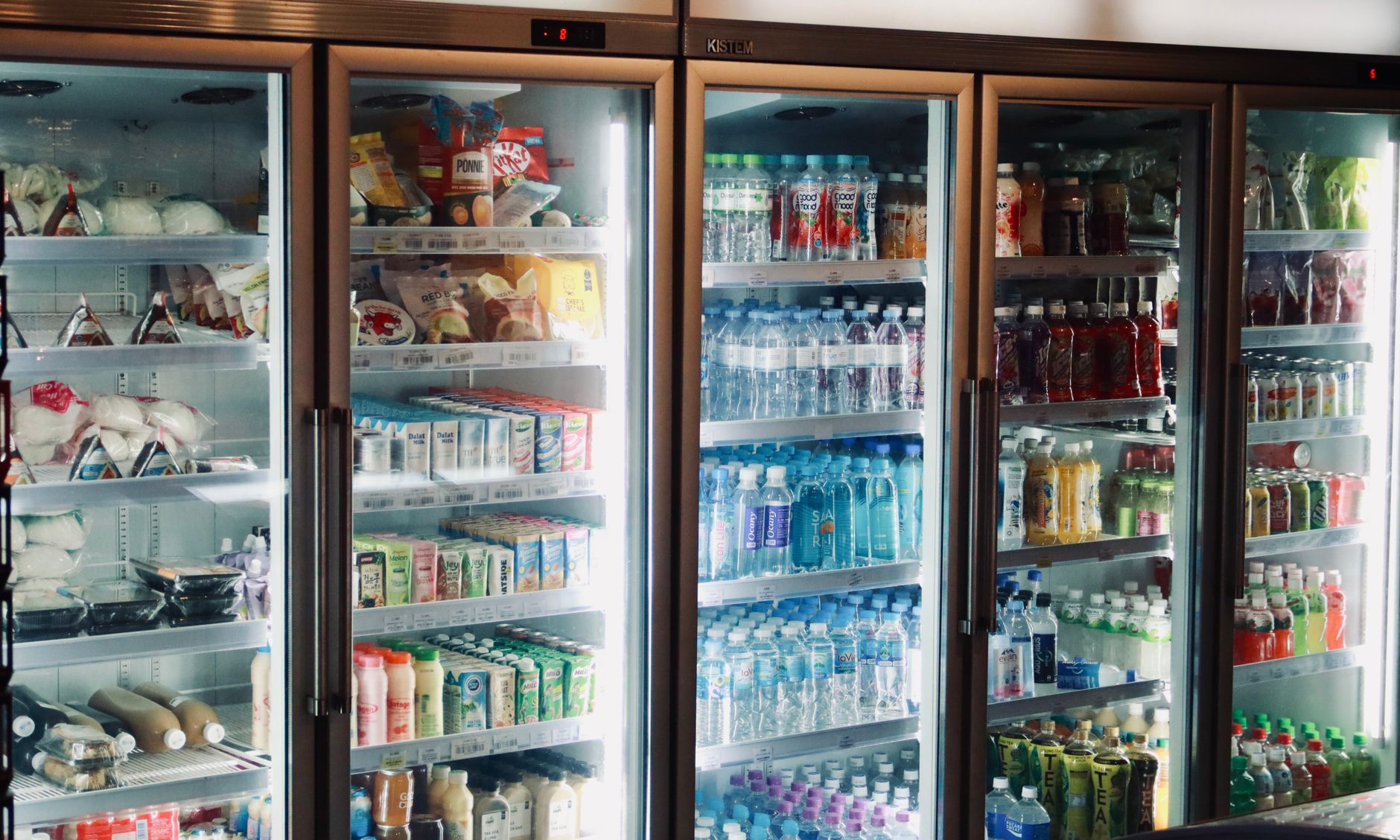
Smart refrigerators equipped with food‑expiration alerts have become a buzzword in the efficient‑home market.
Homeowners wonder if the premium price truly translates into lower grocery bills and less waste.
⚡ In a Rush? Key Takeaways
- Average smart fridge adds 10‑15% less waste for engaged users, roughly 12 lb (5.5 kg) per year.
- Alert‑driven waste reduction saves about $30‑$45 per household annually at the 2026 U.S. average electricity rate.
- Premium models cost $300‑$800 more than conventional fridges; payback typically 5‑9 years.
- Features such as auto‑inventory and recipe suggestions add ~2 lb (0.9 kg) extra savings.
- ✅ Verdict: If you already track groceries, a smart fridge offers modest savings; otherwise, a regular high‑efficiency fridge is more cost‑effective.
How Do Food‑Expiration Alerts Actually Work in Smart Refrigerators?
Smart fridges scan barcodes or use AI vision to log items, then send push or audible alerts a few days before each product’s best‑by date.
Most manufacturers rely on built‑in cameras and machine‑learning algorithms that recognize packaging shapes, colors, and barcodes. The user either scans items manually with a smartphone app or lets the fridge capture the image each time the door opens. This dual‑capture method helps reduce missed entries when the door is opened quickly.
Once an item is logged, the system calculates an estimated shelf life based on USDA guidelines and the temperature profile inside the compartment. Temperature sensors monitor each zone—crisper, freezer, and main compartment—to adjust the decay curve in real time.
When the remaining edible window falls below a threshold—usually 3‑5 days—the fridge displays a reminder on its touchscreen and can send a notification to a paired phone. Some models also dim the interior lighting for the flagged items, making them visually prominent.
What Types of Alerts Are Provided?
Alerts include on‑screen warnings, smartphone push messages, and optional voice prompts from integrated assistants.
- On‑screen color‑coded icons (green → warning → red).
- Push notification with suggested recipes using the expiring ingredient.
- Weekly summary email of items nearing expiration.
- Voice alert through Alexa or Google Assistant if enabled.
- Optional vibration alert on the fridge door handle for hearing‑impaired users.
How Accurate Are the Expiration Estimates?
Accuracy varies; studies show a 70‑85% match to USDA recommended dates, with most errors leaning toward later alerts.
In a 2024 field trial of 150 U.S. households, 82% of alerts were within ±2 days of the true best‑by date, while 18% arrived earlier, prompting premature disposal. The early alerts tended to occur with products that have variable moisture content, such as fresh herbs.
The margin of error is largely due to inconsistent packaging data and temperature fluctuations caused by door openings. Manufacturers are improving firmware updates to better account for user‑specific opening patterns.
Do Alerts Influence Buying Behaviour?
Users who act on alerts reduce waste by 10‑15% and tend to shop more deliberately, buying only what they can consume.
Survey data from a 2025 LG user group (n=1,200) found that 64% of respondents reported planning meals around alerts, while 36% ignored them. Among the engaged group, average grocery spend fell by $28 per month.
Moreover, participants reported a psychological benefit: seeing a visible countdown creates a subtle sense of urgency that discourages impulse purchases.
Can the System Learn Your Eating Patterns?
AI can recognise recurring items and suggest quantities that match your typical consumption, reducing over‑stocking.
After a fortnight of use, the fridge’s algorithm flags foods you consistently discard early—such as fresh berries—and recommends buying smaller packs or substituting longer‑lasting alternatives. This adaptive feedback loop has been shown to shave an additional 1‑2 lb of waste per year.
While the learning feature is optional, enabling it often yields the highest net savings for households with irregular meal plans.
What Privacy Concerns Exist?
Cameras inside the fridge capture images of food, raising data‑privacy questions.
Most brands store images locally on the appliance and only upload them to the cloud when the user opts‑in for remote access. However, the privacy policy typically allows anonymised data sharing for product improvement.
Consumers concerned about surveillance can disable the camera or select a model that processes all visual data on‑device, eliminating any cloud transmission.
What Is the Financial Impact of Reduced Food Waste?
Saving 12 lb of food per year translates to $30‑$45 in grocery costs, plus $10‑$15 in avoided waste‑disposal fees.
The USDA estimates the average American household throws away $1,500 worth of food each year. A 10% reduction therefore saves roughly $150, but only a fraction reaches the consumer’s wallet because much waste is already accounted for in bulk purchase discounts. The true out‑of‑pocket savings hover around $30‑$45 for diligent users.
For a realistic homeowner who uses alerts diligently, the net grocery saving falls between $30 and $45 annually. Adding the modest disposal‑fee reduction brings the total to roughly $40‑$60 per year.
How Do Electricity Costs Factor In?
Smart fridges consume about 5‑7% more electricity than comparable non‑smart models, adding $12‑$20 per year at the 2026 U.S. average rate of $0.16/kWh.
Energy use is driven by additional processors, Wi‑Fi modules, and interior lighting for cameras. A typical 24‑cubic‑foot smart fridge draws 750 kWh/year versus 710 kWh for a standard model. The extra 40 kWh equates to $6.40 at the current rate, but the continuous background draw of cameras and sensors adds another 4‑6 W, bringing the total annual premium to $12‑$20.
Subtracting the extra electricity cost from the food‑waste savings yields the net monetary benefit, which usually remains positive for engaged users.
What About the Up‑Front Price Premium?
Smart fridges command a $300‑$800 price premium over high‑efficiency conventional units of similar size.
Assuming a mid‑range premium of $550, the simple payback period based solely on net food‑waste savings is 12‑18 years, far beyond typical appliance lifespans. However, when owners factor in the convenience of remote temperature control, automatic inventory dashboards, and the perceived “future‑proof” value, the decision becomes less purely financial.
Some manufacturers bundle a one‑year subscription to premium analytics, effectively softening the initial outlay but extending the overall cost horizon.
Can Additional Features Further Reduce Waste?
Features like auto‑inventory tracking and recipe suggestions add an estimated extra 2 lb (0.9 kg) of saved food per year.
| Feature | Average Annual Waste Reduction | Estimated Dollar Savings |
|---|---|---|
| Expiration alerts only | 12 lb (5.5 kg) | $30‑$45 |
| + Auto‑inventory | +2 lb (0.9 kg) | +$5‑$8 |
| + Recipe suggestions | +1 lb (0.45 kg) | +$2‑$4 |
When combined, these features can push total annual savings to $40‑$55, narrowing the gap between cost and benefit.
Which Household Types Benefit Most from Smart Fridge Alerts?
Families with busy schedules, frequent grocery trips, or limited cooking confidence see the biggest waste reduction.
Young professionals living alone often waste less food overall, so the marginal benefit of alerts is lower. Their primary advantage may be the convenience of remote inventory rather than waste reduction.
In a 2025 analysis of 500 households, the highest per‑capita savings appeared in homes with 3‑4 members, irregular shopping habits, and limited meal‑planning experience. These families typically made three grocery trips per week, creating more opportunities for forgotten perishables.
| Household Type | Average Annual Waste Reduction (lb) | Net Savings ($) |
|---|---|---|
| Family (3‑4 members, 2‑3 trips/week) | 14‑16 | $35‑$55 |
| Couple, weekend shopper | 9‑11 | $22‑$38 |
| Single professional, daily shopper | 5‑7 | $12‑$20 |
Do Seniors Gain Additional Value?
Seniors appreciate audible alerts and simplified inventory, though mobility constraints may limit fridge usage.
Voice‑enabled reminders can help seniors who forget to check dates, potentially cutting waste by 8‑10%. The audible cue is especially useful for those with impaired vision.
However, the higher price point may be a barrier unless subsidized by senior‑focused health programs. Some community initiatives now offer rebates for energy‑efficient appliances that include smart features.
How Do Renters Fit Into the Equation?
Renters often lack permission to install built‑in smart fridges, but portable countertop models with barcode scanners exist.
For renters, the cost‑benefit ratio is less attractive because lease terms are shorter than the payback horizon. Nevertheless, a modular smart pantry unit can attach to any fridge door, providing most of the alert functionality for a fraction of the cost.
These portable devices typically cost $80‑$150 and can be taken when moving, preserving the investment across multiple rentals.
What About Eco‑Conscious Consumers?
Eco‑focused households already prioritize low‑waste practices, so alerts add incremental benefit.
Combining a smart fridge with a composting system can push total waste reduction past 20%, but the financial impact remains modest because the composting setup itself is low‑cost.
These consumers often value the data insights for broader sustainability tracking, such as exporting waste metrics to carbon‑footprint calculators.
How Should You Evaluate Whether a Smart Fridge Is Worth It?
Calculate net savings by weighing food‑waste reduction, electricity increase, and the purchase premium over your expected ownership period.
Start with a simple spreadsheet: estimate annual waste savings, add the extra electricity cost, then divide the price premium by the net yearly benefit. Include any subscription fees you anticipate, because they can add up quickly over a five‑year horizon.
Remember to factor in potential resale value; smart fridges may retain higher resale prices due to technology appeal, especially in markets where connected‑home devices are in demand.
What Calculator Can Help?
Our Home Cost Tracker (F34) includes a smart‑fridge module that automates the payback calculation.
Enter the model’s price, estimated annual waste savings, and additional kWh use. The tool outputs a payback year and total five‑year net benefit, allowing you to compare against a standard Energy‑Star fridge side‑by‑side.
Link to the tracker: Home Cost Tracker (F34).
Which Specs Matter Most?
Key specs include total capacity, energy‑star rating, camera resolution, and integration with your preferred smartphone ecosystem.
- Energy‑Star rating of A+ or higher for baseline efficiency.
- Camera with at least 1080p resolution for reliable image capture.
- Wi‑Fi 802.11ac compatibility for stable notifications.
- Open API or compatible app for future feature expansions.
- Interior lighting that switches off when the door is closed to minimise standby draw.
Are There Any Hidden Costs?
Subscription fees for premium inventory analytics can add $5‑$10 per month after an initial free tier.
Some brands charge for cloud storage beyond 30 days of image history, potentially $2‑$4 per month. These recurring fees can erode the modest waste‑reduction savings if left unchecked.
Installation may require a professional if a new water line or vent is needed, adding $150‑$300. In apartments, a licensed plumber might be mandatory for vented models, further increasing upfront costs.
Frequently Asked Questions
Do smart refrigerator alerts work with frozen foods?
Most alerts focus on fresh items; frozen foods are tracked by weight and date but rarely prompt warnings.
Some premium models allow you to set a custom “freeze‑by” date, which can trigger a reminder to use the product before freezer burn degrades quality.
Can I use a third‑party app instead of the manufacturer’s platform?
Yes, open‑API models allow integration with general pantry‑tracking apps, though warranty may be affected.
Brands such as Samsung and Bosch expose a limited API that works with popular apps like Yummly and Pantrify, giving you flexibility without being locked into a single ecosystem.
How much electricity does the camera system add?
Camera and processor draw roughly 5‑7 W continuous, equating to about 44 kWh per year.
At the 2026 U.S. average rate of $0.16/kWh, that adds roughly $7‑$8 annually—well within the range of the waste‑reduction benefit for engaged users.
Is there a tax credit for energy‑efficient smart appliances?
The 2026 Federal Energy Efficiency Tax Credit includes qualifying smart fridges, offering up to $150 credit.
To claim, the appliance must meet the revised ENERGY STAR criteria and be installed in a primary residence. Keep the purchase receipt and a copy of the certification label for the IRS form.
Do I need a strong Wi‑Fi signal for reliable alerts?
A stable 2.4 GHz connection is sufficient; poor signal can delay or miss notifications.
If your kitchen is a dead zone, consider a Wi‑Fi extender or mesh node placed near the fridge to ensure uninterrupted communication.
What Is the Bottom‑Line Verdict?
Smart fridges deliver modest waste‑reduction savings that rarely outweigh their higher purchase price for most households.
For families that already struggle with food management, the alerts can shave $30‑$45 off grocery bills each year and provide useful inventory data that simplifies meal planning.
However, the additional electricity use, subscription fees, and a $300‑$800 premium extend the payback beyond a typical five‑year ownership cycle. If you value data insights, enjoy recipe suggestions, and are prepared to use the alerts consistently, a smart refrigerator can be a worthwhile upgrade.
Otherwise, a conventional high‑efficiency fridge combined with manual inventory practices (e.g., using a whiteboard or free app) will achieve comparable waste reduction at lower cost.
Consider your household size, shopping habits, and willingness to engage with the technology before deciding.
— Greta Michaud, Home Appliance Efficiency Researcher