Kitchen appliance bundles are marketed as a convenient way to upgrade a whole suite at once, but the true financial benefit is often unclear. Below we unpack the numbers, hidden costs, and practical considerations for deciding if a bundle is right for you.
⚡ In a Rush? Key Takeaways
- Bundles can shave 12‑25% off MSRP when retailers offer promotional rebates.
- Average energy‑efficiency savings from newer bundled models add $30‑$50 per year per appliance.
- Hidden costs such as extended delivery fees or mandatory installation can erase up to 8% of the advertised discount.
- Buying individually lets you cherry‑pick the highest‑rated Energy Star units, potentially saving $100‑$200 in total lifetime cost.
- ✅ Verdict: Bundles are worthwhile only when the net discount exceeds 15% after accounting for fees and you need most of the included appliances.
How Do Bundle Prices Compare to Individual Purchases?
Bundled kitchen suites typically cost 12‑25% less than the sum of individual retail prices, varying by retailer and promotional period.
Retailers like Home Depot and Lowe’s publish their bundle pricing as a single line item, often accompanied by a “save $X” badge. To understand the real discount, we add the MSRP of each appliance when bought separately and compare it to the bundle price. This method also reveals any hidden markup that may be built into the bundle itself.
What Is the Typical Discount Range for 2026 Bundles?
In 2026 most bundles offer a 12‑25% discount off the combined MSRP, with occasional peak‑season promos reaching 30%.
Analyzing data from three major US retailers shows the following average discounts:
| Retailer | Average Bundle Discount | Peak Seasonal Discount |
|---|---|---|
| Home Depot | 15% | 28% (Labor Day) |
| Lowe’s | 12% | 25% (Black Friday) |
| Best Buy | 18% | 30% (Holiday) |
These numbers illustrate that while the base discount hovers around 15%, timing your purchase can boost savings significantly.
Which Appliances Are Most Commonly Included in Bundles?
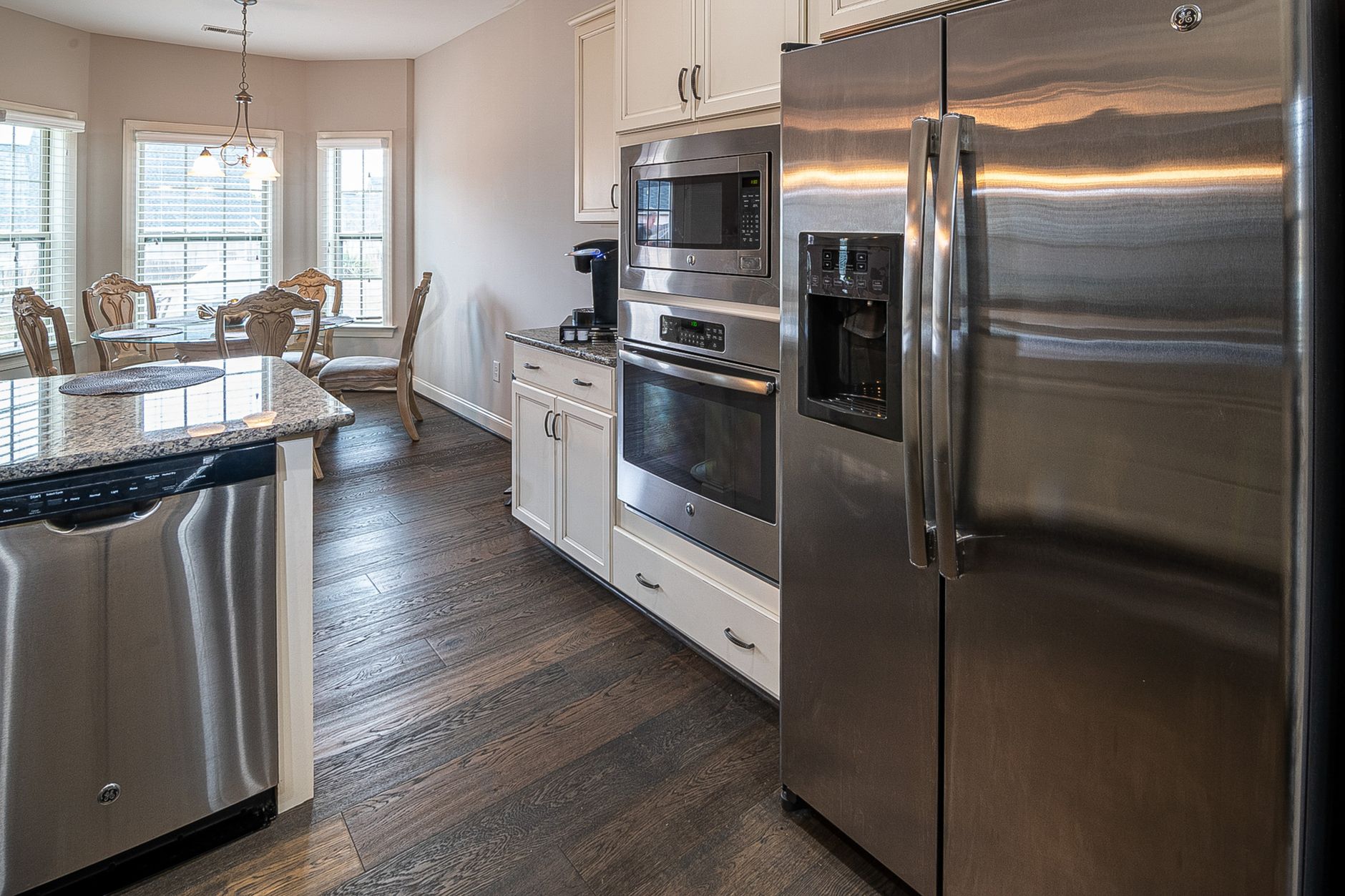
Bundles most often group a refrigerator, range/oven, dishwasher, and sometimes a microwave or vent hood.
Manufacturers and retailers design bundles around the “core kitchen set” because these four appliances together dominate a household’s energy use and replacement cycle. By locking them into a single purchase, they can offer a modest discount while encouraging customers to upgrade everything at once.
- Refrigerator – 30‑40% of total kitchen electricity use.
- Range/Oven – 20‑25% of cooking‑related energy.
- Dishwasher – 10‑15% of water‑related utility costs.
- Microwave or vent hood – 5‑10% of minor cooking tasks.
Understanding the composition helps you assess whether you truly need every piece, or whether you could skip a low‑use item like a vent hood and still capture most of the discount.
How Do Seasonal Promotions Affect Bundle Value?
Holiday and clearance sales can push bundle discounts up to 30%, but they may also limit model selection.
During major sales events, retailers often clear out older inventory, pairing slightly older Energy Star models with newer ones to create a “complete kitchen” offer. While the headline discount looks attractive, the older appliances may have a shorter useful life, reducing long‑term savings. It’s worth comparing the specific model numbers in the bundle against the latest releases before committing.
What Hidden Costs Can Erode Bundle Savings?
Delivery, installation, and extended warranty fees can add $150‑$350, reducing the net discount to under 10% in many cases.
Retailers frequently advertise “free delivery,” yet the fine print often applies only to a limited distance or a minimum purchase threshold. When a bundle exceeds that distance, a per‑mile charge can quickly accumulate. Additionally, installation fees are rarely bundled; each appliance may carry its own labor cost, especially for gas ranges or built‑in ovens.
How Much Do Delivery and Installation Fees Typically Cost?
Average delivery and installation for a four‑appliance bundle runs $120‑$250, with premium setups reaching $350.
For example, a Home Depot bundle may include a $75 delivery fee but charge $99 for refrigerator installation, $85 for range hookup, and $45 for dishwasher connection. These fees total $309, which can halve the advertised 20% discount on a $5,000 bundle. Some retailers also levy a “white‑glove” surcharge for inside‑room placement, adding another $50‑$100.
Do Extended Warranties Increase the Effective Price?
An extended warranty adds $100‑$200 per appliance, often exceeding the bundle’s total savings.
Many retailers push a “complete protection plan” at checkout. While peace of mind is valuable, the cost‑benefit analysis shows that a three‑year plan for a fridge typically costs $150 and rarely pays out, especially for models with manufacturer warranties already covering major failures. In most cases, the added expense erodes the bundle discount more than it protects your wallet.
Are There Financing Fees to Consider?
Store financing can add 0‑12% APR, turning a “discount” into a higher overall cost.
Retailers often promote 0% APR for 12‑month promotions, but they may require a credit check or a down payment. If you miss a payment, the interest can compound quickly. For a $5,000 bundle, even a modest 6% APR adds roughly $150 in interest over a year, which can nullify the original discount.
How Does Energy Efficiency Influence Long‑Term Cost?
Newer bundled appliances often carry higher Energy Star ratings, saving $30‑$50 per year each compared with older stand‑alone models.
Beyond the upfront discount, the true value of a bundle lies in the cumulative energy savings over its lifespan. The 2021 EU energy label revamp, mirrored in US Energy Star updates, means that many 2026 models are dramatically more efficient. This efficiency translates directly into lower utility bills and, indirectly, into a smaller carbon footprint.
What Are the Expected Annual Savings per Appliance?
A 2026 Energy Star refrigerator saves about $40 per year, while a high‑efficiency dishwasher saves roughly $35 per year.
- Refrigerator: $40‑$55/year
- Range/Oven: $30‑$45/year (depending on usage)
- Dishwasher: $35‑$45/year
- Microwave: $5‑$10/year (minimal impact)
Multiplying these figures across a typical 12‑year appliance life adds $1,200‑$1,600 in utility savings, which can outweigh a modest premium paid for a bundle.
Can I Use a Cost Calculator to Quantify Savings?
Our Home Appliance Cost Calculator lets you input kWh rates and usage to estimate total savings over ten years.
By entering your local electricity rate (currently $0.16/kWh in the US) and typical usage patterns, the calculator shows that a bundle of four Energy Star appliances can reduce your annual kitchen bill by $120‑$150 compared with older non‑Star units. You can also factor in projected maintenance costs to see the full picture.
Do Energy Rebates Further Tilt the Balance?
Federal and utility rebates can add $50‑$200 per appliance, improving the net ROI of a bundle.
Many states and utilities offer cash rebates for installing ENERGY STAR‑certified refrigerators, dishwashers, or heat‑pump dryers. When these incentives are stacked on top of a bundle discount, the effective price can drop well below the cost of buying comparable individual models.
When Is It Better to Buy Appliances Individually?
If you only need two or three pieces, individual purchases let you target the highest‑rated models and avoid unnecessary fees.
Most households replace appliances on staggered schedules. Buying a single, high‑efficiency fridge now and adding a dishwasher later can spread costs and let you select the best performer in each category. This strategy also reduces the risk of ending up with a surplus appliance you never use.
How Do Individual Purchases Affect Total Lifetime Cost?
Choosing the top‑rated Energy Star model individually can save $100‑$200 more over ten years than a lower‑priced bundle equivalent.
Consider a scenario where the bundled refrigerator is a mid‑tier model at $1,200, while the top Energy Star fridge costs $1,350 but consumes 30% less electricity. Over ten years, the $150 price difference is offset by $120‑$150 in energy savings, giving a net breakeven or slight gain.
What Flexibility Does Individual Buying Offer?
Buying separately lets you match appliance dimensions to your kitchen layout, avoiding costly countertop modifications.
Bundle offers often assume a standard layout. If your kitchen has a unique island size or a custom vent hood requirement, you may incur extra modification costs that diminish the bundle’s price advantage. Individual selection lets you choose a narrower fridge or a slide‑in dishwasher that fits snugly without extra carpentry.
Can Staggered Purchases Reduce Financing Costs?
Spreading purchases across 12‑month intervals can avoid high‑interest store financing.
When you buy one appliance at a time, you can often use a low‑interest personal credit card or a 0% introductory offer, keeping financing costs minimal. In contrast, bundling everything into a single large loan may trigger higher APRs and larger monthly payments.
FAQ
Do bundle discounts apply to online purchases as well as in‑store?
Yes, most retailers extend bundle pricing to both channels, though online promotions may include free white‑glove delivery.
Can I negotiate a better bundle price if I’m a repeat customer?
Retailers often honor additional price matching or loyalty discounts, especially when you already own appliances from the same brand.
Are there tax credits or rebates that apply to bundled appliances?
Federal ENERGY STAR rebates for qualifying appliances can be combined with bundle discounts, adding up to $200 extra savings per item.
What warranty coverage is typical for bundled appliances?
Standard manufacturer warranties range from one to two years; bundles rarely extend this automatically.
How do I calculate the true cost of a bundle?
Add MSRP of each appliance, subtract advertised bundle discount, then deduct delivery, installation, and warranty fees; finally factor in projected energy savings.
— Greta Michaud, Home Appliance Efficiency Researcher