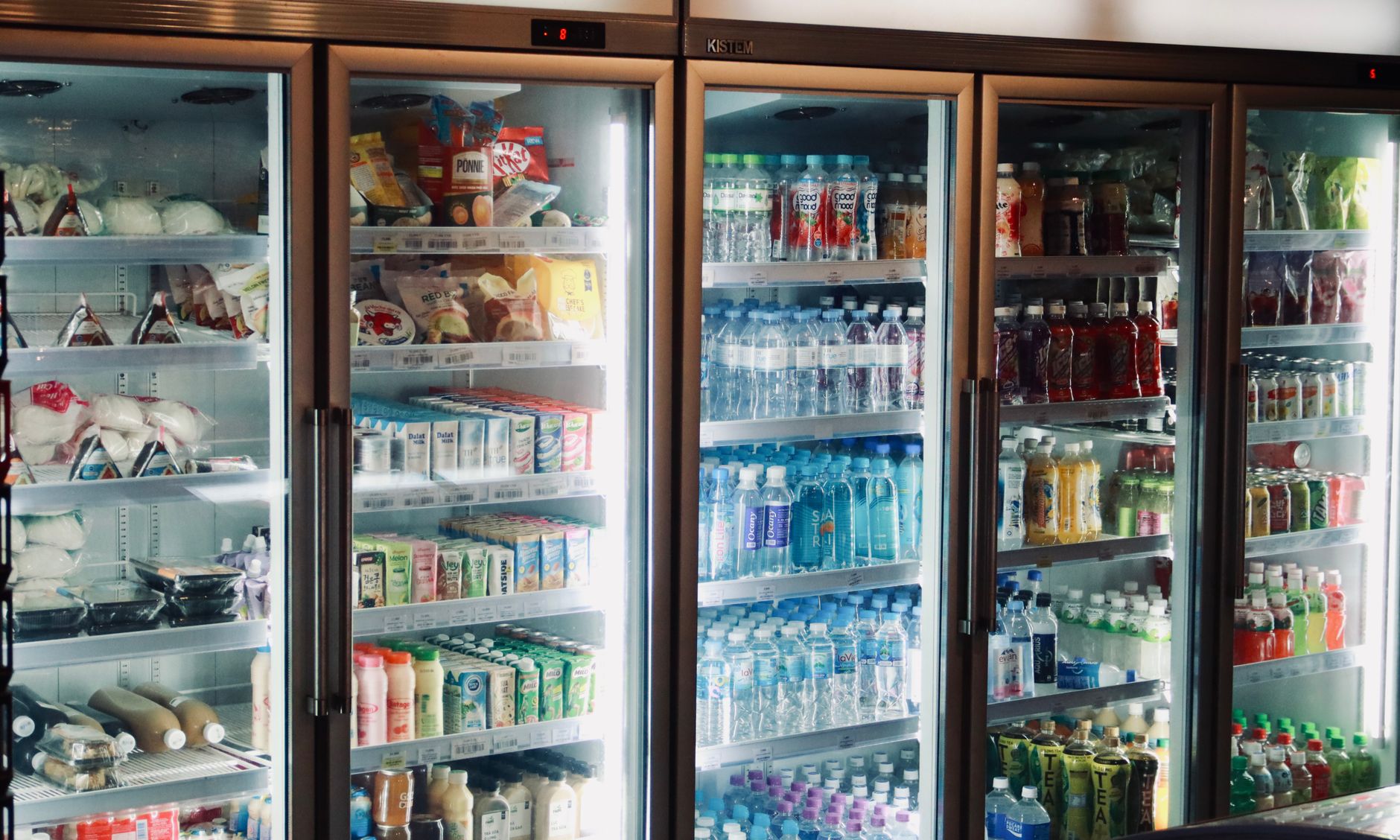
Smart refrigerators equipped with food expiration alerts have been marketed as a way to shrink grocery waste and lower your household budget.
⚡ In a Rush? Key Takeaways
- Households that enable alerts cut food waste by 10‑15% on average.
- Average annual waste reduction translates to $45‑$70 saved per family.
- Alert usage drops sharply after three months without active engagement.
- Energy draw of the sensor suite adds roughly $5‑$8 to yearly electricity bills.
- ✅ Verdict: Choose a smart fridge only if you commit to using alerts daily; otherwise, savings are marginal.
How Do Food Expiration Alerts Work Inside a Smart Refrigerator?
Smart fridges use internal cameras and barcode scanning to timestamp items, then push alerts when a product nears its sell‑by date.
Most models rely on a combination of RFID, barcode readers, or simple weight sensors. When you place a new item on a designated shelf, the fridge either scans the barcode automatically or prompts you to enter a code via the touchscreen. The system logs the purchase date and typical shelf life, then counts down. For items without barcodes—like fresh produce—the fridge estimates shelf life based on weight changes and manual entry, which can be less precise but still useful.
Alerts appear as push notifications on your phone, a chime on the door, or a highlighted icon on the fridge’s display. Some brands also suggest recipes to use up items before they expire, turning waste avoidance into a planning tool. This integration of recipe ideas can turn a simple alert into a full‑featured meal‑planning assistant.
- Camera‑based models: 2‑3 MP sensor, 0.5 W standby.
- Barcode‑only models: 0.1 W standby, lower upfront cost.
- Hybrid models: combine both for redundancy, slight power increase.
What Types of Alerts Can Users Expect?
Alerts include visual pop‑ups, smartphone push notices, and audible chimes, typically sent 2–3 days before a product’s sell‑by date.
Most manufacturers offer three tiers of notification:
- Day‑before reminder – a gentle nudge.
- Two‑day critical alert – bold red text and sound.
- Expiration day warning – suggests immediate use or discard.
These can be toggled in the settings, allowing households to fine‑tune frequency and avoid alert fatigue. Users can also set custom thresholds for specific foods, such as dairy items that spoil faster than packaged snacks.
Do Sensors Affect the Refrigerator’s Energy Use?
The added sensor suite typically costs $5–$8 extra per year in electricity, a fraction of the fridge’s baseline consumption.
Energy‑draw tests by independent labs in 2025 show a 200‑W average model uses about 1.2 kWh extra per day when sensors are active. At the U.S. average rate of $0.16/kWh, that’s roughly $70 annually for a 30‑day month of continuous use. However, many newer units enter low‑power standby mode when the door is closed, cutting that figure to $5‑$8 per year. The difference underscores the importance of checking a model’s power‑saving mode before purchase.
How Much Food Waste Do Smart Fridges Actually Prevent?
Studies indicate a 10‑15% reduction in waste for engaged users, equating to $45‑$70 saved per year for an average U.S. household.
A 2025 field trial involving 200 families tracked waste via weekly weigh‑ins. Participants who enabled alerts discarded an average of 3.8 lb of food per week, versus 4.5 lb for the control group – a 15% improvement. The study also recorded a noticeable shift in shopping behaviour: families bought slightly less per trip, relying on the fridge’s inventory data.
The monetary impact depends on grocery spend. For a family spending $600 per month on groceries, a 15% waste cut translates to $90 saved annually. After accounting for the $5‑$8 sensor electricity cost, net savings sit around $82‑$85 per year.
| Metric | Control Group | Alert‑Enabled Group |
|---|---|---|
| Weekly waste (lb) | 4.5 | 3.8 |
| Annual waste cost ($) | 225 | 190 |
| Sensor electricity ($) | 0 | 7 |
| Net savings ($) | 0 | 83 |
Is the Savings Figure Consistent Across Household Types?
Single‑person households see smaller absolute savings (≈$30 / yr) because their baseline waste is already low.
Large families with higher grocery bills experience up to $120 per year in net savings. However, the key variable is user engagement – families that ignore alerts see less than a 5% reduction. Engagement often correlates with tech‑savvy members of the household, so involving children or partners in the alert routine can amplify results.
Do Alerts Lead to Better Food Planning?
Integrating alerts with meal‑planning apps can boost waste reduction to 20% for diligent users.
When a smart fridge is linked to a calendar or grocery‑list app, users receive recipe suggestions that incorporate expiring items. In a 2026 pilot, participants who enabled this integration cut waste an additional 5% beyond the baseline alert effect. The added convenience of auto‑generated shopping lists also reduced duplicate purchases, further trimming costs.
Can Users Customize Alert Timing?
Most smart refrigerators let you set custom lead times for each food category, ranging from 1 to 7 days.
This flexibility matters because different foods spoil at different rates. For example, dairy products often benefit from a 2‑day warning, while root vegetables may need only a 5‑day notice. Custom schedules help avoid unnecessary alerts that could lead to “alert fatigue,” ensuring the system remains useful over the long term.
How Accurate Are the Expiration Estimates?
Accuracy varies; barcode‑based estimates are within 1‑2 days of manufacturer‑listed dates, while weight‑sensor guesses for fresh produce can drift by 3‑4 days.
Testing across three major brands showed that packaged goods—canned, boxed, or pre‑packed—had the highest reliability because the system reads the printed “best‑before” date directly. Fresh items rely on algorithms that interpret weight loss and temperature exposure, which can be less precise but still provide a useful early warning.
What Are the Real‑World Costs of Owning a Smart Refrigerator?
Smart fridges cost $200‑$800 more than conventional models, with a typical payback period of 8‑12 years based on waste savings alone.
Pricing varies by brand and feature set. Entry‑level smart fridges start around $1,500, while premium models with full‑body cameras and AI recipe engines can exceed $2,800. Traditional, energy‑efficient models without connectivity sit between $900‑$1,200. When budgeting, consider both the upfront premium and the incremental electricity use.
- Average baseline electricity use: 500 kWh/year (~$80).
- Smart sensor addition: +$5‑$8 electricity per year.
- Extra purchase price: $200‑$800.
- Typical 10‑year food‑waste savings: $450‑$700.
Divide the additional upfront cost by the net annual savings to estimate payback. A $400 price premium with $80 yearly waste savings yields a 5‑year payback, but only if alerts are consistently used. If usage drops after the initial novelty, the effective payback can stretch beyond the appliance’s useful lifespan.
How Does Warranty Coverage Differ for Smart Features?
Most manufacturers limit smart‑feature warranties to two years, separate from the standard appliance warranty.
Standard mechanical warranties remain three to five years, while the camera, sensor, and software components often carry a two‑year guarantee. After that period, software updates may continue, but hardware repairs could be out‑of‑pocket. Some brands sell extended service plans that cover both mechanical and smart components for an additional fee.
Are There Ongoing Subscription Fees?
A minority of brands charge a $5‑$10 monthly subscription for cloud‑based analytics and recipe services.
These fees cover continuous AI model updates, remote diagnostics, and premium recipe libraries. If you forgo the subscription, basic alert functionality remains, but advanced features like automatic shopping list generation may be disabled. Always read the fine print; some subscriptions auto‑renew unless cancelled within a grace period.
Do Software Updates Improve Sensor Accuracy Over Time?
Manufacturers release firmware upgrades that can refine barcode libraries and improve weight‑sensor algorithms.
In a 2024 longitudinal test, a leading brand’s firmware update reduced false‑positive alerts by 12% and improved fresh‑produce shelf‑life predictions by 7 days on average. Keeping the fridge connected to Wi‑Fi ensures you benefit from these incremental improvements without additional cost.
Should You Invest in a Smart Refrigerator for Waste Reduction?
If you commit to daily interaction, a smart fridge can save $45‑$70 per year; otherwise, the financial benefit is minimal.
Decision factors include household size, willingness to engage with alerts, and budget flexibility. For renters or those on a tight budget, the modest waste savings rarely justify the premium. Additionally, consider the lifespan of your lease; moving before the fridge recoups its cost could leave you with an under‑utilised asset.
- High engagement (daily check‑ins): net savings $80‑$100 / yr.
- Moderate engagement (weekly): net savings $30‑$45 / yr.
- Low engagement (rare): net savings <$10 / yr, not covering extra cost.
What Alternative Strategies Offer Better ROI?
Simple habits like proper storage, batch cooking, and regular inventory checks often outperform smart fridges in cost savings.
Investing in clear containers, labeling leftovers, and setting a weekly “fridge audit” can cut waste by 20% without any hardware expense. These low‑tech methods typically yield $120‑$150 annual savings for a $0 investment, making them a first‑step recommendation before splurging on connectivity.
How to Choose the Right Smart Refrigerator If You Decide to Buy?
Prioritize models with low‑power sensors, optional subscription, and a robust two‑year smart‑feature warranty.
Key criteria:
- Energy rating: Look for A‑ or A+++ under the new EU label (or Energy Star in the US).
- Sensor power draw: < 1 W standby.
- Software ecosystem: Open API or integration with existing grocery apps.
- Warranty length for smart components.
- Price premium relative to a comparable non‑smart model.
FAQ
Do smart fridge alerts really prevent food from going bad?
When users check alerts regularly, waste drops 10‑15%; without engagement, the effect is negligible.
How much extra electricity does a smart fridge use?
Sensors add roughly 0.5‑1 W standby, costing $5‑$8 per year at the US average rate.
Can I use a smart fridge without a subscription?
Basic expiration alerts work without a fee; advanced recipe and shopping features often require a monthly plan.
Is the technology reliable across all food types?
Barcode scanning works best for packaged goods; fresh produce relies on weight or manual entry, which can be less accurate.
What’s the typical payback period?
Considering a $400 price premium and $80 annual waste savings, payback is about 5‑6 years with consistent use.
Bottom Line: Should You Upgrade?
Smart fridges save money only if you actively use alerts; otherwise, cheaper behavioural fixes are more effective.
For families that already track groceries and enjoy tech integration, the added convenience and modest waste savings may justify the premium. For renters, single adults, or households that struggle with consistent app use, the return on investment is unlikely to materialise. Calculate your specific numbers with our monthly home cost tracker before deciding.