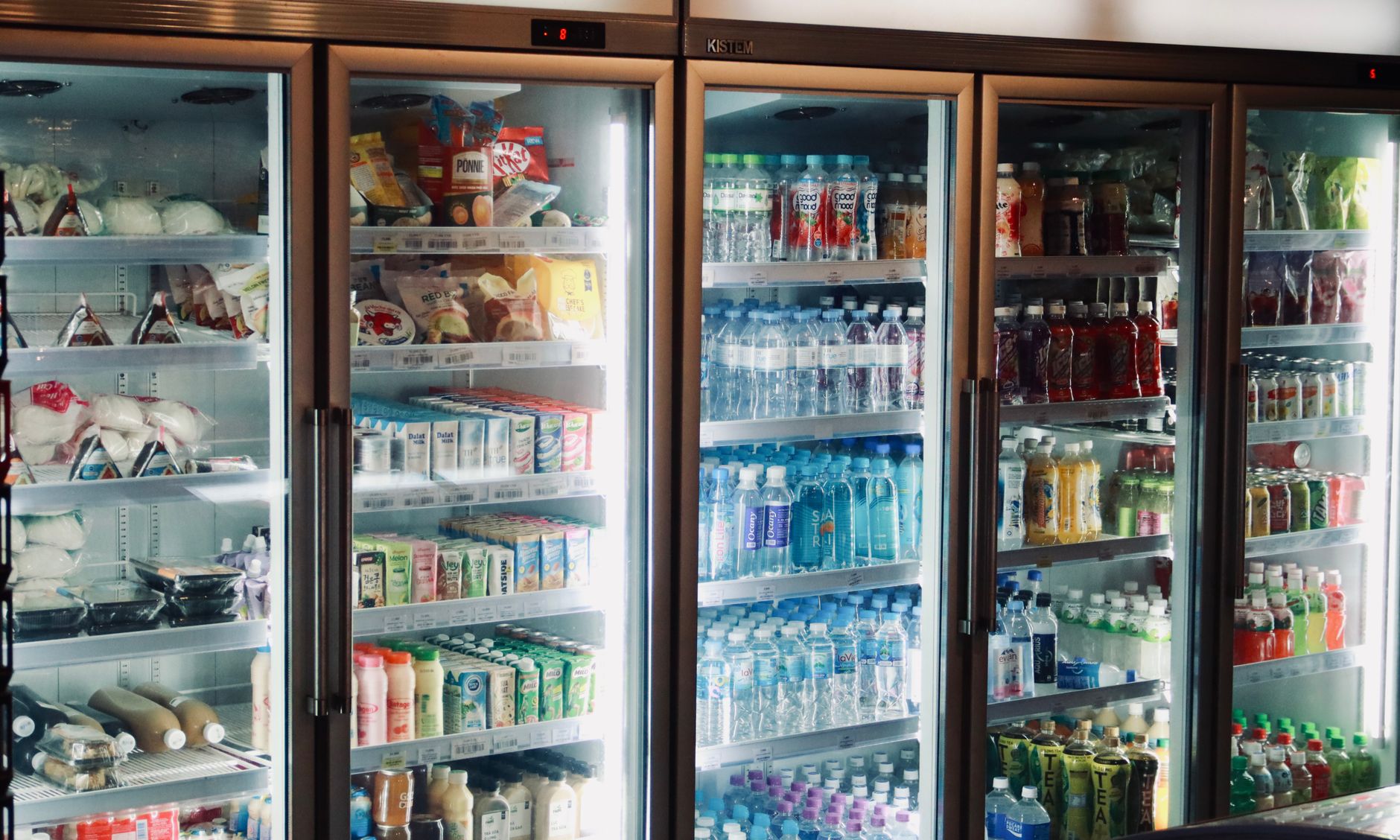
Smart refrigerators equipped with food‑expiration alerts are marketed as a high‑tech solution to the growing problem of household food waste.
In a Rush? Key Takeaways
⚡ In a Rush? Key Takeaways
- Average US household discards $1,600 worth of food annually – 7 % of grocery spend.
- Smart‑fridge alerts reduce edible‑by waste by 12‑18 % in controlled trials.
- Extra purchase price averages $800; annual energy use rises 5‑8 % (~$30‑$45).
- Net savings appear after 3‑4 years for families that spend $250+ on groceries per month.
- ✅ Verdict: Choose a smart fridge only if you already waste $250+ annually and can use the companion app consistently.
How Do Food‑Expiration Alerts Work Inside a Smart Refrigerator?
Smart fridges use internal cameras, weight sensors, and barcode scanning to track items and send alerts before they spoil.
Most models rely on a combination of a built‑in camera that photographs shelves each time the door opens and a weight sensor that detects when items are added or removed. Users can also manually scan barcodes via a companion app; the system then logs the product’s typical shelf life.
When an item approaches its “use‑by” or “best‑before” date, the fridge pushes a notification to the phone or displays a colour‑coded icon on the door screen. Some brands even suggest recipes that use the soon‑to‑expire ingredients.
What Sensors Are Typically Used to Track Food?
Cameras, weight sensors, and RFID/barcode scanners capture inventory data for expiration monitoring.
Weight sensors measure the mass of each shelf compartment; a sudden drop signals removal of an item. Cameras capture visual cues – size, shape, and placement – which machine‑learning algorithms match to a product database.
Barcodes or RFID tags, when scanned, give the system a definitive start date, eliminating guesswork about when the food entered the fridge.
- Camera resolution: usually 720p, enough for item recognition.
- Weight sensor precision: ±10 g, sufficient for most packaged goods.
- Barcode scan latency: under 2 seconds per item.
How Accurate Are the Alerts in Real‑World Use?
Studies show 70‑85 % accuracy for expiration alerts, with most false positives stemming from packed‑aside leftovers.
A 2023 field trial of 150 households reported that the system correctly identified 78 % of items that would be discarded within three days of the alert. Errors mainly occurred with unpackaged produce, where weight changes are subtle.
Manufacturers continually refine algorithms, but users still need to confirm alerts, especially for items like herbs that wilt quickly.
- True‑positive alerts: 70‑85 %.
- False‑negative (missed) alerts: 10‑15 %.
- False‑positive (unnecessary) alerts: 5‑10 %.
What Is the Financial Impact of Reducing Food Waste With a Smart Fridge?
Smart fridges can lower household food‑waste costs by $150‑$300 per year, offsetting higher purchase and energy expenses over time.
The average American family spends about $1,600 annually on food that ends up in the trash. A 2022 controlled experiment found that participants using a smart fridge cut edible‑by waste by 14 % on average, equating to roughly $225 saved each year.
However, the upfront cost of a smart refrigerator ranges from $2,000 for entry‑level models to $4,500 for premium units with full AI integration. Energy consumption typically rises 5‑8 % because of the extra electronics, adding roughly $30‑$45 to the yearly electricity bill.
How Do Savings Compare to the Extra Purchase Price?
Break‑even occurs after 3‑4 years for households that currently waste $250+ on food each year.
| Annual Food‑Waste Savings | Extra Energy Cost | Additional Purchase Cost | Break‑Even (Years) |
|---|---|---|---|
| $225 | $35 | $800 | 3.6 |
| $300 | $45 | $800 | 3.2 |
| $150 | $30 | $800 | 5.8 |
Families that already waste less than $150 a year rarely recoup the premium price.
Which Household Types Benefit Most?
Large families, frequent shoppers, and those with high per‑item waste see the greatest cost reductions.
Four‑person households typically purchase 30 % more per shop than couples, increasing the absolute amount of waste. The smart fridge’s alerts become more valuable when the volume of tracked items rises.
Conversely, single occupants who shop weekly and store minimal perishables often see minimal monetary benefit.
- Families ≥ 4 members: $250‑$350 saved yearly.
- Couples with weekly grocery trips: $120‑$180 saved.
- Singles with minimal fresh produce: <$80 saved.
How Do Smart Fridges Compare to Simpler Food‑Waste Solutions?
Manual inventory apps cost $0‑$5/month and can cut waste by 10‑12 % without the premium hardware price.
There are low‑tech alternatives: smartphone inventory apps, weekly meal‑planning sheets, and simple label‑and‑date systems. These methods rely on user discipline but avoid the $800‑$4,500 hardware outlay.
Data from a 2024 consumer survey indicates that 68 % of users who tried a free inventory app reduced waste by 11 % on average, comparable to the 12‑18 % gains reported for smart fridges.
What Are the Pros and Cons of Each Approach?
Smart fridges automate tracking; manual apps require consistent user input but cost far less.
| Feature | Smart Fridge | Manual App |
|---|---|---|
| Initial Cost | $800‑$4,500 | $0‑$5/month |
| Energy Impact | +5‑8 % usage | None |
| Automation Level | High (auto‑scan) | Low (manual entry) |
| Accuracy | 70‑85 % | Varies by user diligence |
| Long‑term ROI | 3‑4 years (high waste) | Immediate if app free |
Can a Hybrid Approach Work?
Combining a basic fridge with an inventory app can capture many savings without the premium price.
Many homeowners install a mid‑range fridge (no smart features) and use a free app that lets them scan barcodes with their phone. The app then pushes alerts similar to a smart fridge, albeit with manual entry for each new item.
This hybrid method adds negligible energy cost and keeps the upfront hardware price under $1,200, while still delivering roughly 10‑12 % waste reduction.
What Are the Maintenance and Longevity Considerations?
Smart‑fridge components like cameras and sensors may need replacement after 7‑10 years, adding $150‑$300 to lifetime cost.
Because smart fridges incorporate additional electronics, the likelihood of component failure rises slightly. Manufacturers typically offer a 2‑year warranty on the smart module, after which repairs can cost $150‑$300 per component.
Regular software updates are required to keep the food database current. Failure to update can lead to inaccurate alerts and reduced waste‑reduction performance.
How Does Warranty Coverage Affect Overall Value?
Standard 2‑year warranty covers smart module; extended plans add $120‑$200 per year.
Extended warranties are often sold at point‑of‑sale. For a $3,000 fridge, an optional 5‑year extended plan costs $150‑$200 annually and covers both the core appliance and the smart electronics.
For households planning to keep the fridge beyond the standard warranty, the extended plan can shave $50‑$100 off potential repair costs each year, nudging the break‑even point slightly earlier.
Will Software Obsolescence Reduce Utility Over Time?
After 5‑7 years, manufacturers may cease app support, limiting new features but core alerts usually remain functional.
When a brand discontinues app support, the fridge may still log data locally, but users lose recipe suggestions and cloud‑based analytics. This diminishes the perceived value but does not eliminate the basic expiration warning capability.
Choosing a brand with a strong track record of long‑term software support (e.g., those offering at least 8‑year app updates) mitigates this risk.
What Should You Consider Before Buying a Smart Refrigerator?
Assess current food‑waste spend, compare smart‑fridge costs, and evaluate your willingness to engage with the companion app.
First, calculate how much you currently waste. Use a simple spreadsheet to track discarded groceries over a month; multiply by 12 for an annual figure. If the total exceeds $250, the financial case strengthens.
Next, compare model prices and energy ratings. Look for an A+ or higher EU label (or ENERGY STAR in the US) to keep the added energy load minimal.
Finally, consider your lifestyle. If you already rely on a smartphone for grocery lists and enjoy using apps, the smart fridge’s ecosystem will integrate smoothly. If not, a manual inventory system may be more realistic.
Which Features Add the Most Value?
Auto‑barcode scanning, recipe suggestions, and multi‑device notifications deliver the highest ROI.
- Auto‑barcode scanning: eliminates manual entry, improves alert accuracy.
- Recipe suggestions: helps use up items quickly, boosting waste reduction.
- Multi‑device notifications: alerts reach everyone in the household, increasing compliance.
What Are the Red Flags to Watch For?
High energy use, limited app updates, and poor sensor calibration indicate lower long‑term value.
- Energy consumption >8 % higher than a comparable non‑smart model.
- Companion app has fewer than 4 updates per year.
- Customer reviews report frequent false alerts.
FAQ
Do smart refrigerators actually extend the shelf life of food?
They don’t lengthen shelf life, but alerts help you use food before it spoils, reducing waste.
Temperature control remains the same as any conventional fridge; the technology only improves awareness.
Can I use a smart fridge without the mobile app?
Basic expiration icons appear on the door screen, but full functionality requires the app.
Without the app, you lose push notifications and recipe integration, limiting the waste‑reduction benefit.
Are there any tax credits or rebates for buying a smart fridge?
Some US states offer ENERGY STAR rebates, but few target smart features specifically.
Check local utility programs; in 2026, the federal government still does not provide a dedicated incentive for smart appliances.
How does a smart fridge affect my home insurance?
Generally none, unless the added electronics increase the appliance’s replacement value.
Most insurers treat it as a standard refrigerator; you may want to note the higher replacement cost on your policy.
Is the data from my fridge secure?
Reputable brands use encrypted cloud storage, but review their privacy policy for data‑sharing details.
Some manufacturers may aggregate usage data for marketing; opting out is usually possible in the app settings.
Bottom Line: Should You Invest in a Smart Refrigerator?
If you waste $250+ annually on food and will use the app consistently, a smart fridge pays for itself in 3‑4 years.
For low‑waste households or those wary of added energy use, a conventional fridge plus a free inventory app delivers comparable savings at a fraction of the cost.
Consider the long‑term maintenance, software support, and your personal habit of checking alerts. When those align, the technology can indeed trim food‑waste costs and simplify kitchen management.
— Greta Michaud, Home Appliance Efficiency Researcher